The calendar flips to August 24, 2026, and while the multiplexes are packed with the usual late-summer blockbuster noise, a tiny, devastating experiment in science fiction is premiering with the subtlety of a held breath. It’s called Anchorage Point, and at a razor-thin 5 minutes, it doesn’t give you time to check your phone, finish your popcorn, or even settle into your seat. What it does give you is a masterclass in compression - a story about architecture, grief, and the geometry of guilt that lingers far longer than its runtime suggests. This isn’t a trailer disguised as a film; it’s a complete, searing thought, delivered at full intensity.
Release Date & Where to Watch
Anchorage Point officially releases today, August 24, 2026. This isn’t a wide theatrical rollout, and you won’t find it jostling for space on the big studio streaming platforms. Instead, look for it where short-form, high-concept cinema thrives: on the festival circuit and via curated digital showcases on Vimeo and specialty indie film hubs. Given its brief runtime and arthouse DNA, it’s the kind of piece that screens before a feature at select repertory theaters, or as part of a themed short-film anthology online. If you’re a subscriber to platforms like MUBI or Kanopy, keep your eyes peeled for a drop within the next few weeks. It’s the kind of film that festival programmers love to pair with a discussion panel, so check your local indie cinema’s calendar - the Q&A might be just as compelling as the film itself.
Cast & Crew
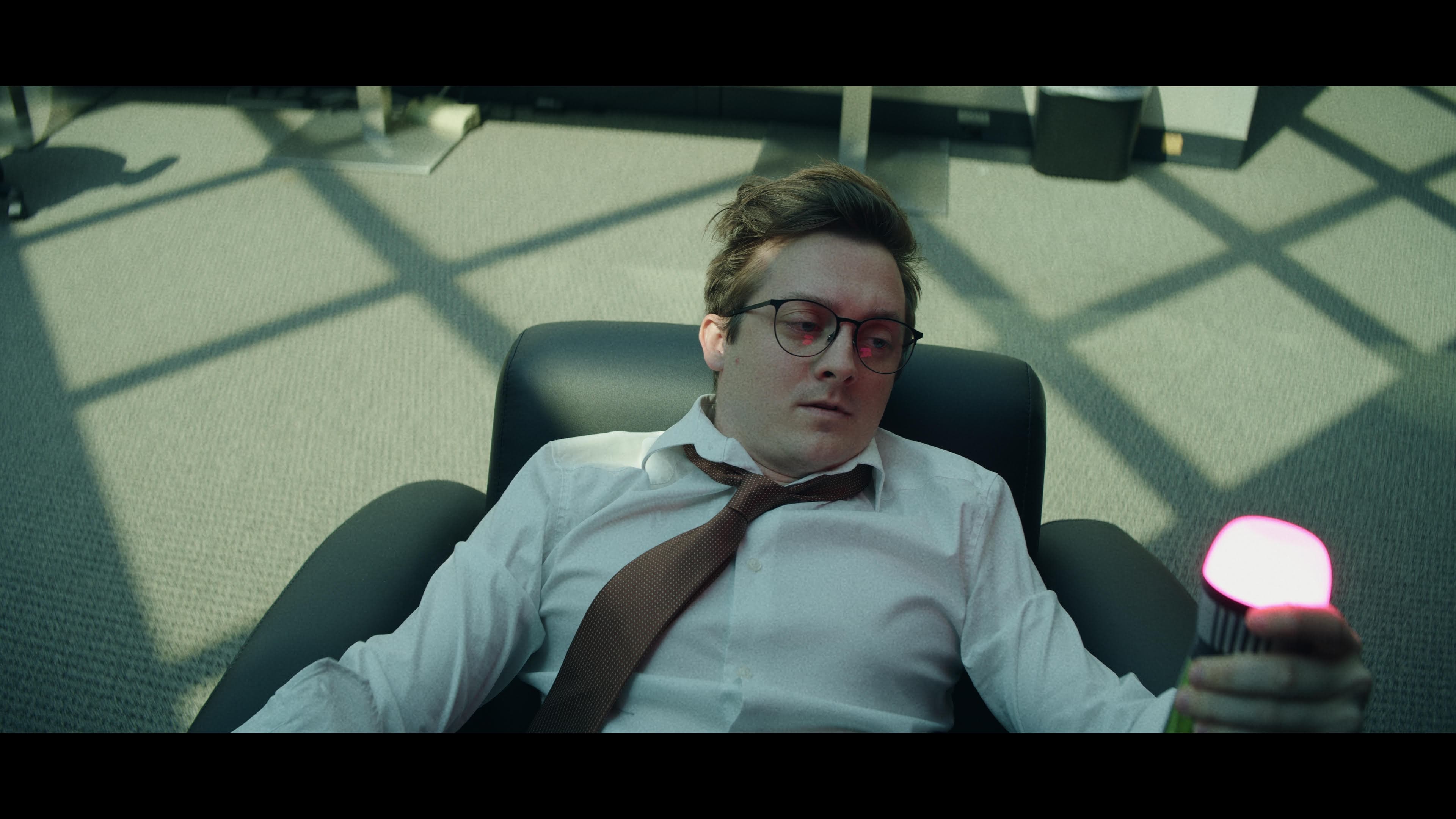
The entire weight of Anchorage Point rests on the shoulders of two performers, and director Tyler Stone-Howerton has chosen wisely. Joe Wheeler stars as Bart Chandler, a world-renowned architect whose name once graced the covers of design magazines and the lips of city planners. Wheeler, known for his ability to convey immense internal pressure with a simple furrowed brow or the slight trembling of a hand, is perfectly cast. He delivers Bart not as a man in freefall, but as one already shattered, trying to hold the pieces together with sheer willpower. Opposite him is Holden Potter as Luke Chandler, Bart’s son. Potter plays the witness, the observer who has grown up in the shadow of his father’s triumph and, now, in the much darker shadow of his catastrophic failure.
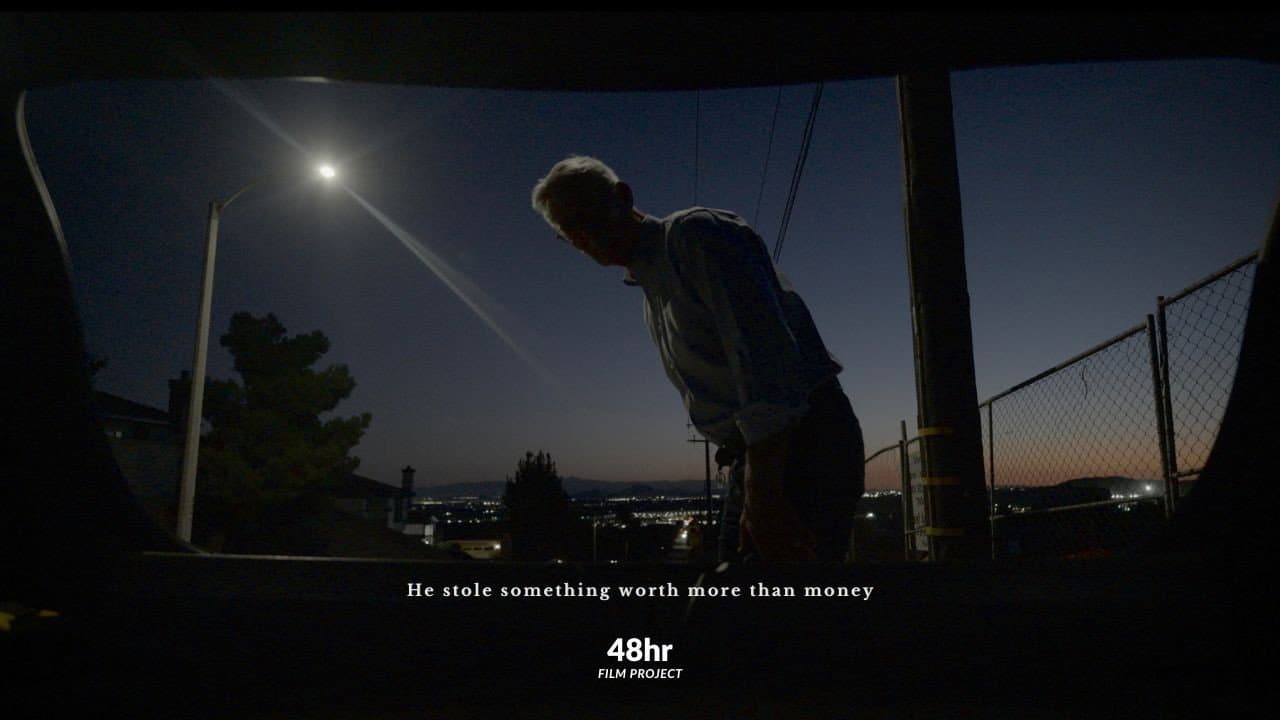
Behind the camera, Stone-Howerton - a filmmaker whose previous shorts have explored themes of isolation and technological alienation - demonstrates a remarkable restraint. He doesn’t need explosions or quick cuts to generate tension; instead, he lingers on the negative space between his characters, letting the silence in the room build a palpable pressure. The cinematography, reportedly shot on location at a decommissioned concrete overpass, uses brutalist lines and stark grey skies to mirror Bart’s internal monologue. Every angle feels deliberate, as if the camera itself is a structural engineer surveying the cracks in a foundation. This is a tight, controlled crew, likely working with a micro-budget, but the talent on screen is undeniable.
Story & What to Expect
The premise is deceptively simple. Bart Chandler is a titan of modern architecture, famous for elegant suspension bridges that seem to defy physics. But his latest project, the titular Anchorage Point, collapsed during construction, claiming the lives of several workers. The film opens not at the moment of the catastrophe, but months after, as Bart returns to the skeletal remains of his creation - a concrete pillar and a frayed cable jutting out over cold, choppy water. He’s there with his son Luke, ostensibly to survey the site for a legal inquiry. But it quickly becomes clear that this is a pilgrimage of penance.
What unfolds over those 5 minutes is less a plot and more a psychological excavation. The science fiction element is subtle, woven into the fabric of the setting. Without spoiling the twist, the film implies that the bridge wasn't merely an engineering failure; it was a metaphysical miscalculation. There’s a suggestion that certain structures, built at the wrong intersection of stress and intent, can create a "fold" in reality - a point where the weight of human error becomes a physical, tangible force. The dialogue, sparse and clipped, focuses on the difference between what was built and what was meant to be built. We hear about Bart’s legendary confidence, now eroded into obsessive, whispered calculations. Luke, representing a generation that inherits the consequences, asks the questions his father can’t answer. Expect a slow burn, a heavy atmosphere, and a final 30 seconds that recontextualizes everything you’ve just seen. It’s a film that demands your full attention and rewards it with a quiet, unsettling gut punch.
Why It's Worth Watching
In an era of two-and-a-half-hour epics with sprawling narratives and endless sequels, Anchorage Point is a bold argument for brevity. It proves that you don’t need a bloated runtime to explore themes of guilt, legacy, and the terrifying notion that perfection is a fragile, arbitrary concept. The film’s true accomplishment is how efficiently it builds its world. In 5 minutes, you feel the weight of Bart’s entire career, the specific texture of his loss, and the cold, indifferent geometry of his failed masterpiece. It’s a short that functions like a great short story - every word, every shot, every pause is essential.
Moreover, Wheeler’s performance is the kind of thing actors work their entire careers to achieve: a complete transformation that feels utterly unacted. He doesn’t explain his grief; he embodies it. And Stone-Howerton’s direction trusts the audience to catch the subtle clues, to understand the genre elements without an infodump. The science fiction here isn't about spaceships or aliens; it’s about the alienating nature of genius and the sci-fi horror of seeing your hubris physically manifest in the world. Anchorage Point is a haunting, elegant piece of micro-cinema. It’s a reminder that sometimes, the most powerful stories are the ones that know exactly when to stop. It’s not a film you watch; it’s a film you experience and then find yourself replaying in your mind long after the credits roll. For fans of cerebral, character-driven genre work, missing it would be a structural flaw in your viewing schedule.