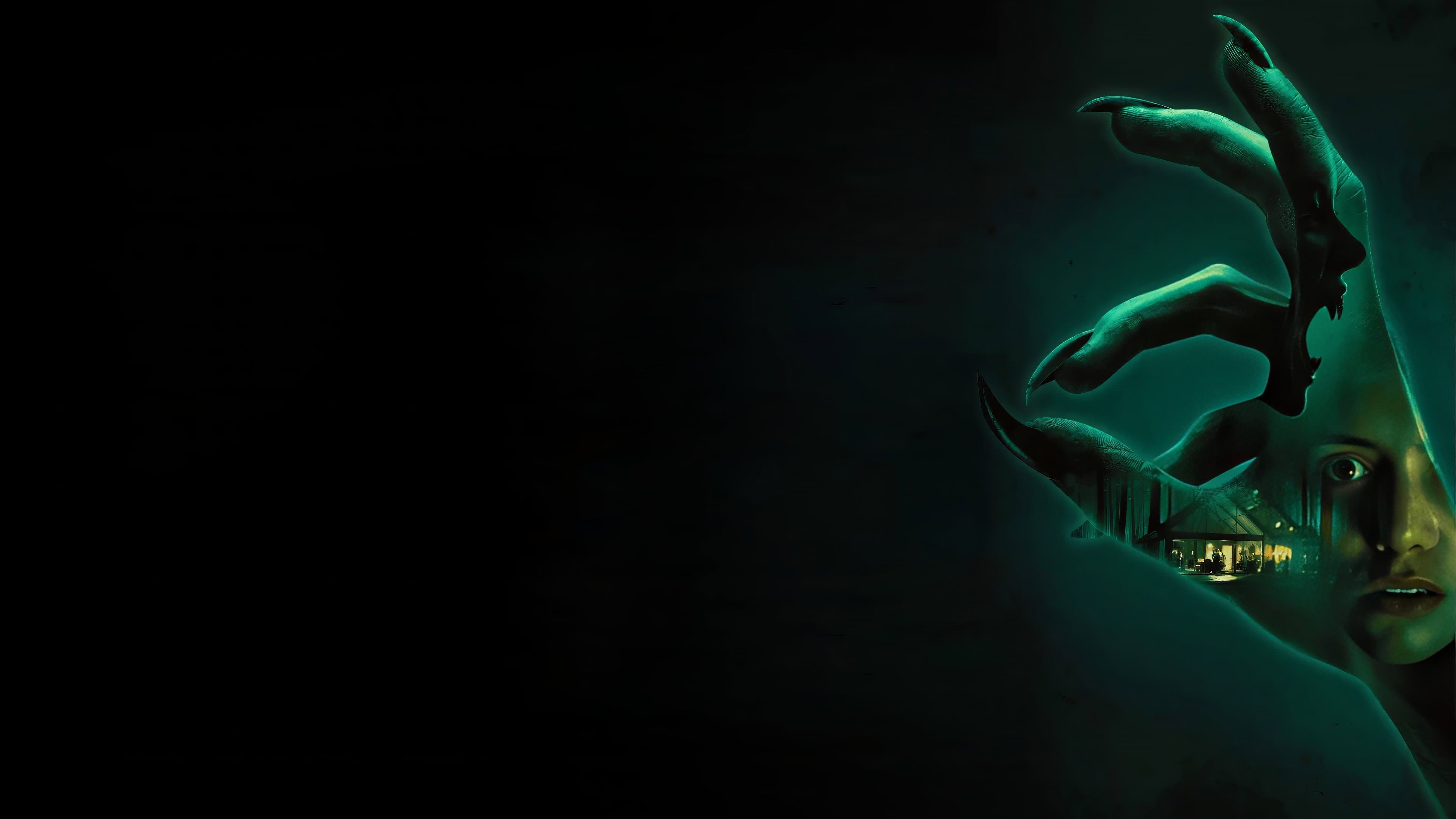
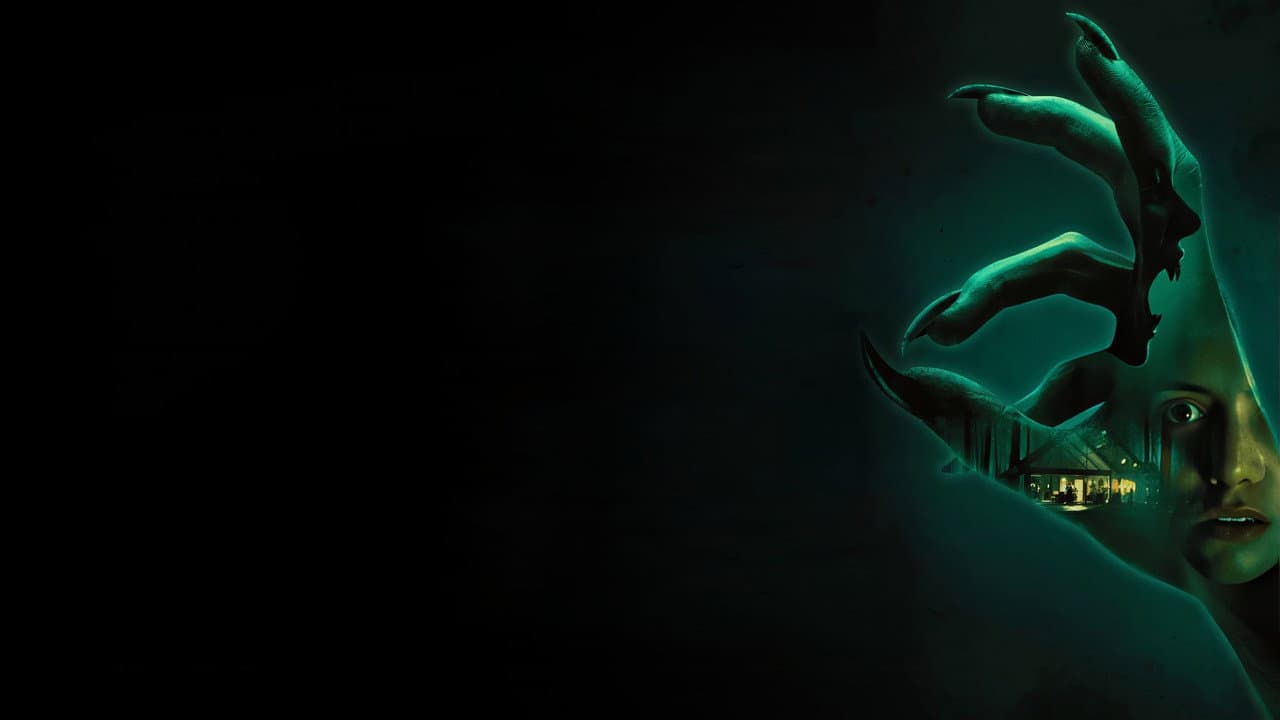
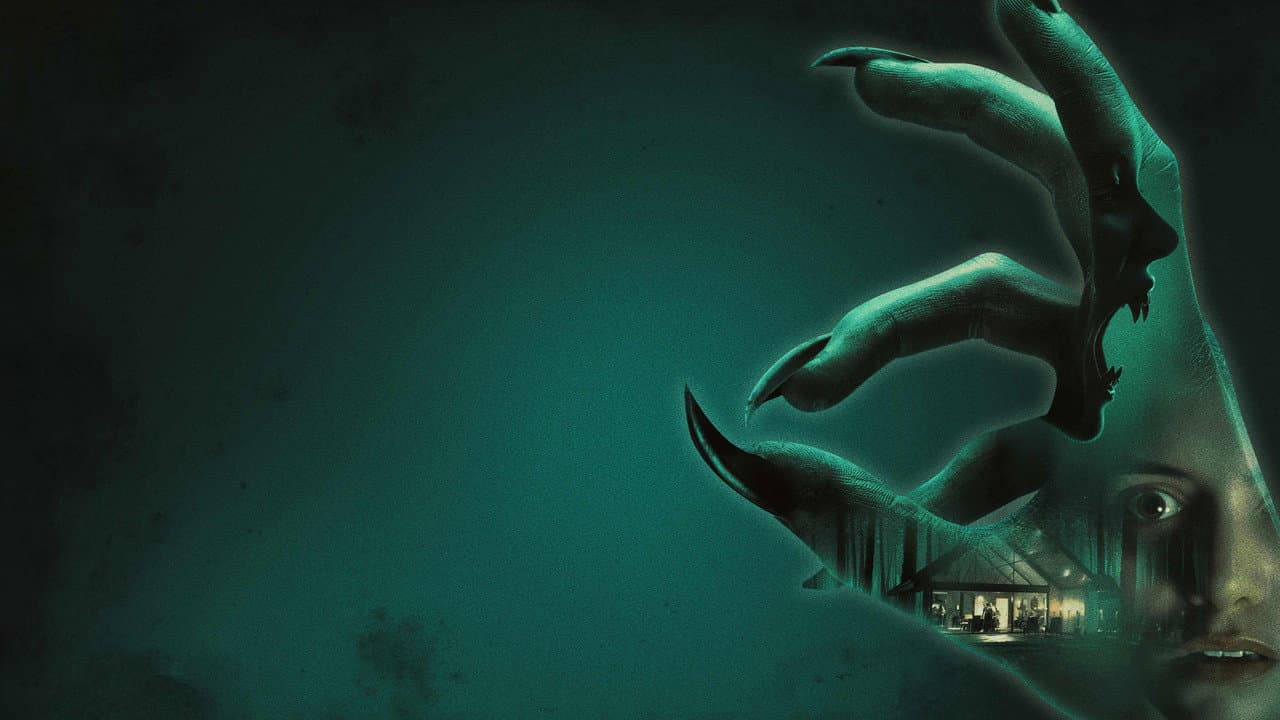
The forest has always been good at keeping secrets. In Marco van Belle’s Feed, now streaming following its August 6 release, five social media influencers discover that the woods outside a secluded retreat have been keeping one for a very long time - and it is hungry. Clocking in at a lean 82 minutes, the horror feature follows a familiar contemporary premise, the brand-sponsored getaway, and drags it somewhere considerably older and darker.
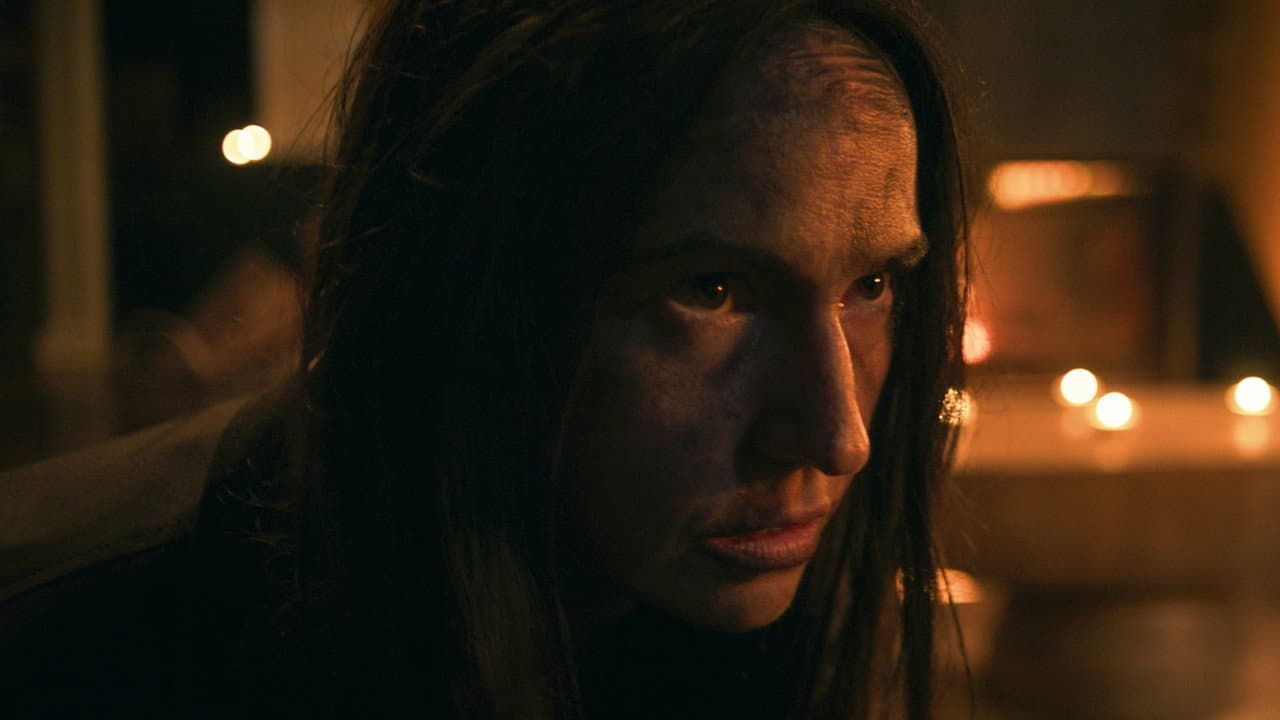
Grace Collender leads the cast as Orla Ryan, one of the influencers whose weekend of content creation goes catastrophically wrong. She is joined by Rhys Mannion as Austin, Molly McCann as Ciara Ryan, Charlotte Bradley as Nora, Flynn Gray as Cathal, Daisy Jelley as Nessa, and Clinton Liberty as Lorcan. The ensemble plays a group whose professional lives depend on projecting effortlessness, a irony van Belle’s film appears happy to exploit. Niamh Hogan rounds out the cast as the Dearg Due, the figure at the center of the film’s mythology - described in the production as the world’s first vampire.
That the antagonist carries a name rooted in Irish folklore is no accident. Van Belle, who has spent much of his career working in Ireland, builds Feed around a creature from Celtic myth rather than the caped aristocrat of studio horror. The Dearg Due, in legend, is a bride who suffered cruelly in life and returned from the grave to take her revenge. It is a story about appetite, betrayal, and the debts the living owe the dead - themes that sit uneasily beside a group of people whose entire careers are built on self-curation. The film’s central joke, and its central threat, is that the influencers have wandered into a story that was never designed to be filmed.
The setup is deliberately modest. A forest retreat, five guests, a weekend with no signal. Van Belle and his collaborators understand that horror works best when the audience knows more than the characters, and Feed leans into that asymmetry. The influencers arrive with ring lights and talking points; the forest arrives with something else entirely. What follows is a slow tightening, the group’s professional instincts - document everything, monetize everything - proving exactly the wrong tools for survival.
Collender, whose profile has been rising steadily, anchors the film with a performance that reportedly moves from practiced cheerfulness to something rawer as the weekend unravels. Mannion and McCann provide the ensemble friction the premise demands, while Bradley brings a gravitas to the retreat’s older presence that suggests the forest’s history is not news to everyone. Jelley, Gray, and Liberty fill out the group with the easy chemistry of people who have spent too much time together on camera. Hogan’s Dearg Due, meanwhile, is said to be sparingly used and all the more effective for it - a presence felt in the trees long before it is seen.
At 82 minutes, Feed is a film that trusts brevity. It does not linger, and it does not explain more than it needs to. Van Belle shoots the forest as a place of abundance as much as menace - light through leaves, moss underfoot - which makes the violence, when it comes, feel like an interruption of something beautiful rather than a descent into ugliness. The result is a horror film with an unusual sense of place, one that treats its mythology with respect rather than as set dressing.
The film arrives at a moment when the influencer horror subgenre is well populated, and Feed distinguishes itself not by reinventing the formula but by giving it roots. The Dearg Due is not a monster imported for convenience; she is a folk figure with a grievance, and the film’s smartest move is to let the influencers’ world - loud, borrowed, endlessly documented - collide with a story that predates cameras entirely.
Feed is now available. Reviews for the film are published separately.