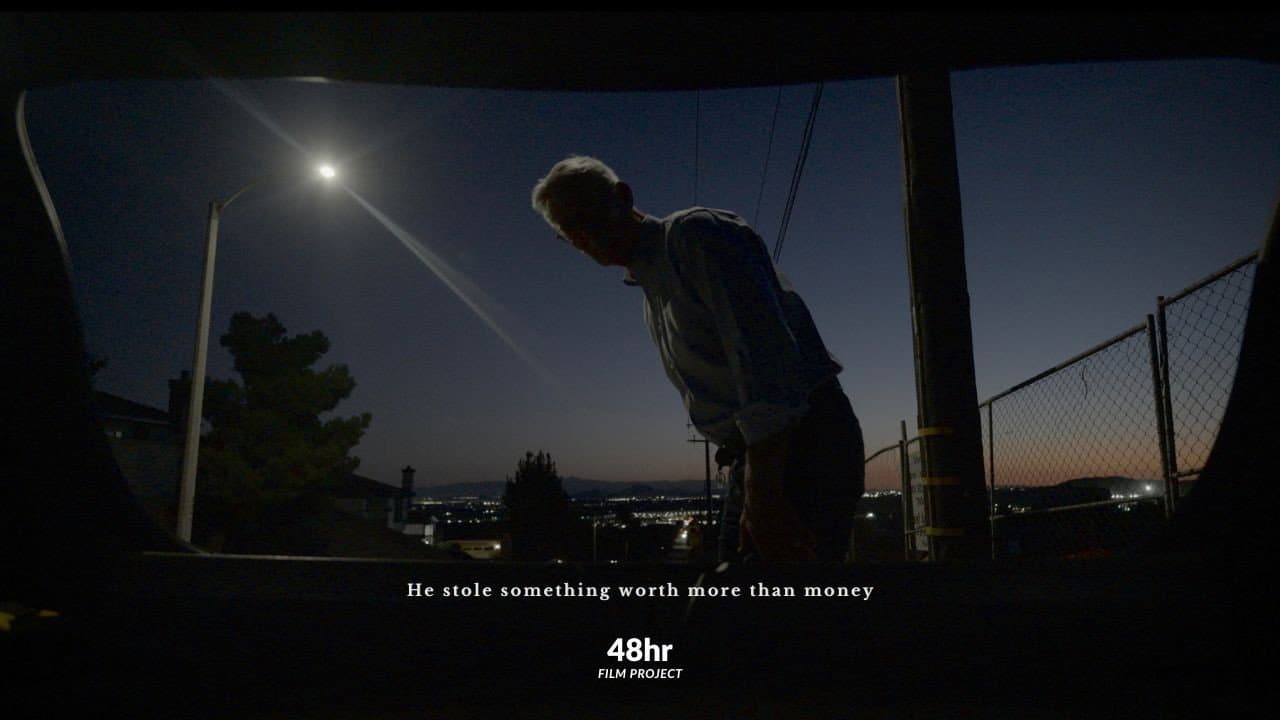
The calendar says late August, which usually means one thing in Hollywood: the last desperate gasp of summer blockbuster season, a time when studios dump their leftovers. But every so often, a tiny, fierce little film slips through the cracks, reminding you that cinema doesn’t need a $200 million budget to leave a bruise. Fool’s Gold, a six-minute thriller that premieres today, August 26, 2026, is exactly that kind of jolt. It’s not here to save the summer; it’s here to bury it.
Release Date & Where to Watch
Today is the day. Fool’s Gold officially hits select screens and VOD platforms on August 26, 2026. Given its lean six-minute runtime, this isn’t your typical theatrical rollout. The film is being positioned as a festival-circuit darling turned digital sensation, so you’ll likely find it on major streaming services - think Prime Video, Apple TV, and Vimeo on Demand - as well as in a handful of art-house cinemas that specialize in shorts packages before their main features. Because of its brevity, theaters are threading it into the pre-show slate, almost like a hidden gem waiting to be discovered between the trailers and the popcorn ads. If you blink, you might miss it, so set your reminders. For a piece this tight, the intimacy of a darkened room with strangers is ideal, but the comfort of your own couch works just as well. Just make sure the phone is face-down.
Cast & Crew
The talent behind Fool’s Gold is lean, hungry, and remarkably focused. At the helm is director Emmanuel Dupont-Jubien, a name that has been quietly circulating in short-film circles for years. Dupont-Jubien has a visual language that favors claustrophobic framing and long, uncomfortable silences - traits that make a six-minute runtime feel like a gut-punch rather than a vignette. This is his most commercially accessible work to date, though "accessible" is a relative term when the subject matter involves a robbery gone wrong.
Leading the trio is Will Shearman as Eric, the apparent mastermind with a twitchy energy that suggests he’s already calculating his escape route before the plan goes sideways. Shearman brings a raw, nervous physicality that anchors the film’s tension. Opposite him is Farhamraz Juenda as Roxy, the cool-headed operator who clearly knows more than she’s letting on. Juenda’s performance is all controlled glances and clipped dialogue, a counterweight to Eric’s unraveling. Rounding out the group is David Tudor Pruteanu as Casey, the wildcard whose loyalty is as fragile as the plan itself. Pruteanu imbues Casey with a desperate, almost feral charm - the kind of guy who laughs when he should be running. Together, they have an electrifying, uneasy chemistry that suggests years of shared history and mutual distrust, all packed into a delivery-room short.
Story & What to Expect
The logline is deceptively simple: after a failed robbery, three friends face the consequences of their actions. But in the hands of Dupont-Jubien, that premise becomes a pressure cooker. We meet Eric, Roxy, and Casey in the aftermath, not the heist itself. The money is gone, the security alarm is still wailing in the distance, and they’re holed up in a dingy motel room that smells of stale smoke and worse decisions. The six minutes are structured almost like a single-take stage play: accusations fly, alibis crumble, and the trio slowly realizes that the biggest threat in the room isn’t the police - it’s each other.
What’s striking is the genre blending. It starts as a taut crime drama, with hushed whispers about a double-cross, but quickly mutates into a psychological thriller. The mystery isn’t about who stole the gold; it’s about who’s telling the truth. And just when you think you have a handle on the dynamic, Dupont-Jubien pulls a rug that lands with a sickening thud. The final thirty seconds reframe everything you just watched, turning a simple falling-out into a question of identity and memory. You’ll likely watch it twice, and the second viewing is a different movie entirely.
Don’t expect action sequences or gunfights. This is a talky, tense, and deliberately theatrical piece. The camera rarely moves, keeping you trapped in the room with these three. The sound design does heavy lifting - a dripping faucet, the hum of a faulty neon sign, the rustle of a jacket as someone shifts uncomfortably. It’s the kind of short that respects your intelligence, trusting you to pick up on the unspoken cues. At just six minutes, it wastes no time on exposition. You’re dropped into the middle of the mess, and you have to scramble to keep up.
Why It's Worth Watching
In an era of bloated epics and franchise fillers, Fool’s Gold is a masterclass in economy. Six minutes is enough to tell a complete, resonant story, and Dupont-Jubien proves that constraint breeds creativity. It’s a calling card for everyone involved - Shearman, Juenda, and Pruteanu all deliver career-best work in a fraction of the time most actors take to order lunch. The film asks a thorny question: when loyalty is tested, what’s the price of friendship? And it answers with a bleak, uncompromising honesty that lingers long after the credits roll.
This isn’t a feel-good heist romp. It’s a grim, character-driven puzzle that rewards repeat viewing. For fans of slick crime shorts from directors like Neill Blomkamp or early Christopher Nolan, Fool’s Gold sits right in that pocket - efficient, stylish, and emotionally corrosive. The acting is so naturalistic that you’ll forget you’re watching performances; you’re just watching three people dig their own graves. And the ending? It’s the kind of twist that sparks arguments in the comments section. Some will call it frustratingly ambiguous. Others will call it brilliance. Both are right.
Is it worth your time? Absolutely. In the time it takes to microwave a bag of popcorn, you’ll get a complete, haunting narrative that most features can’t achieve in two hours. Fool’s Gold is a reminder that big things come in small packages - and sometimes the smallest packages explode. Don’t sleep on it. You’ll be telling people about this one long after the screen goes black.