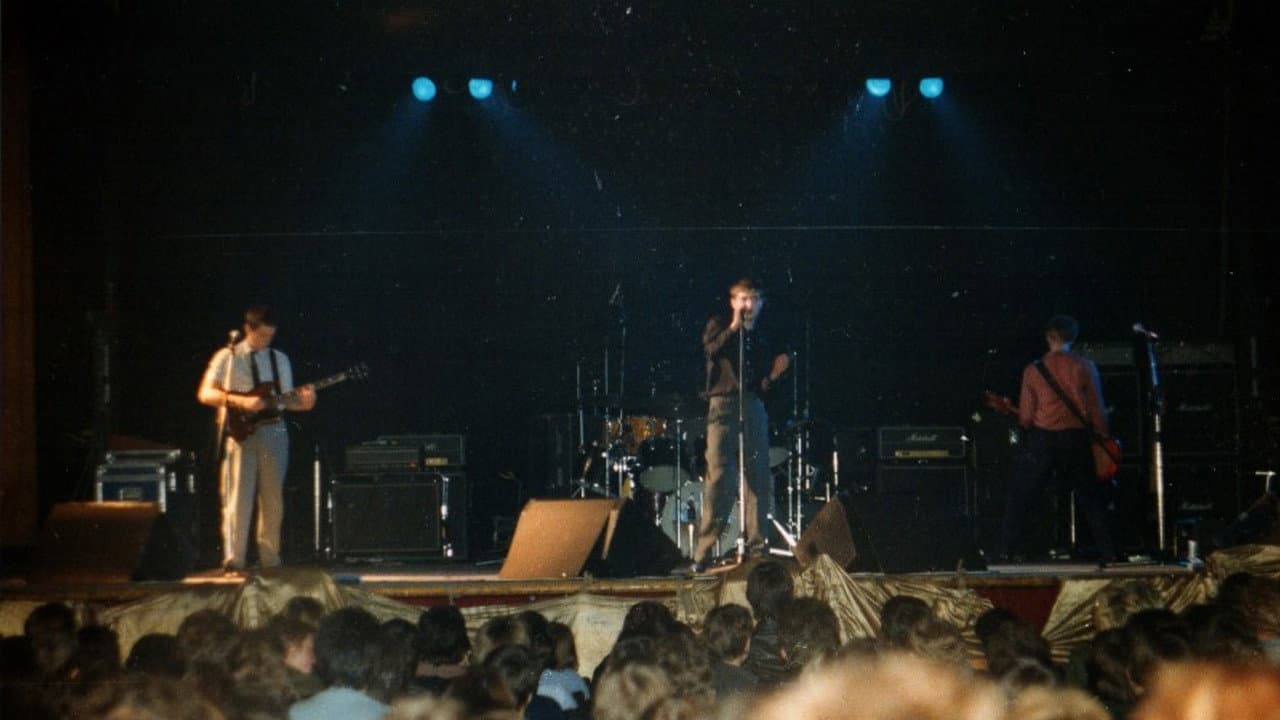
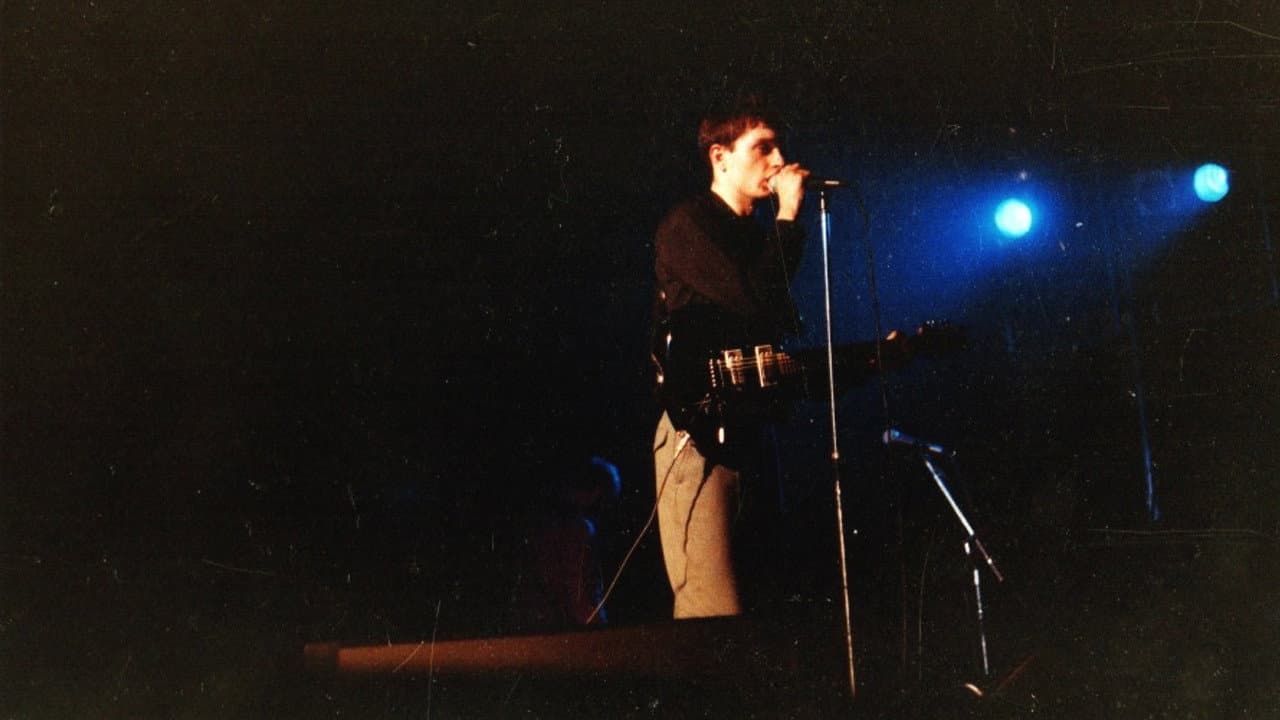
It’s a grey, drizzly Tuesday morning in Manchester, and the ghosts are out in force. Forty-seven years after two of the most mythologized nights in post-punk history, the legend of Joy Division is getting a cinematic exhumation that promises to be as raw and as revelatory as the band itself. On August 25, 2026, Hollywood Buzz can exclusively confirm the release of Joy Division: Apollo Theater, Manchester 27 and 28th October 1979 - a feature-length documentary that finally presents these fabled, sold-out shows in their complete, uncut glory.
For decades, fans have had to make do with grainy, third-generation bootlegs, where the ghostly echo of Ian Curtis’s baritone sounds more like a distant transmission from another planet than a live performance. That all changes now. This is not a nostalgia trip; it’s a restoration project for the soul of a band that was already disintegrating at the seams.
Release Date & Where to Watch
Mark your calendars: the film lands today, August 25, 2026, and it’s arriving with the kind of fanfare usually reserved for superhero franchises, albeit with significantly more dread and reverb. The documentary will be available for streaming exclusively on the newly launched Curzon Home Cinema and will also secure a limited, immersive theatrical run across the UK, Europe, and select art-house screens in the US. For those who want the full experience - and trust me, you do - the theatrical presentation is the way to go, with a state-of-the-art surround sound mix that promises to make the Apollo’s walls sweat again. There’s no word yet on a physical 4K release, but given the meticulous work behind this restoration, you can expect a lavish box set eventually. As for runtime, the producers are keeping that under wraps for now, but given that these were two full sets, you’re looking at a substantial sitting.
Cast & Crew
This is where things get genuinely exciting. At the helm is Anton Corbijn, the legendary Dutch photographer and filmmaker whose 2007 biopic Control remains the definitive portrait of Ian Curtis’s final years. Corbijn doesn’t do sentimental. He does chiaroscuro, shadow, and devastating stillness - all fitting tools for a band that turned alienation into anthems. Having Corbijn direct this archival release is a masterstroke; he isn’t just presenting footage, he’s curating a ghost story with the eye of an artist who understood the assignment the first time around.
The “cast” is, of course, the band itself: the late, incomparable Ian Curtis on vocals and guitar, Peter Hook on bass, Bernard Sumner on guitar and keyboards, and Stephen Morris on drums. There are no new interviews, no talking heads to interrupt the flow. This is a document, not a eulogy. The film relies entirely on the preserved performance footage, which has been painstakingly remastered from the original soundboard tapes and multiple film reels discovered in a private collection. The production team, working alongside Corbijn and the surviving members Hook, Sumner, and Morris - who all served as executive producers - have declined to comment on the source of the footage, but the results speak for themselves.
Story & What to Expect
Let’s be clear about the context. October 1979 was a pivotal moment. Unknown Pleasures had been out for four months, produced by Martin Hannett and released on Factory Records. The band was touring relentlessly, but Curtis’s epilepsy was worsening, and the on-stage seizures that would later define his tragic final year were already making appearances. These two consecutive nights at the Apollo were ostensibly promotional concerts, but they functioned as a pressure valve. The setlists were a harrowing blend of the album’s icy precision - tracks like “She’s Lost Control” and “Disorder” - and newer, darker material like “Atrocity Exhibition” and “Transmission” that pointed toward the more fractured sound of Closer.
The big selling point is the “uncut” nature of the footage. Previous bootlegs, notably the widely circulated Stockholm tape and the infamous Apollo audio recordings, were marred by terrible EQ and missing chunks of the performance. This version is seamless. The visual quality, while still sourced from 16mm film, has been cleaned up with a respectful, non-invasive grain reduction. You see the sweat dripping off Hook’s bass strings. You see Sumner’s nervous twitch. And you see Curtis, utterly magnetic, moving with that jerky, marionette-like rhythm that was part dance, part seizure, and entirely hypnotic. The sound mix is the real revelation. Hannett’s studio sheen is gone; what remains is the brutal, live assault of the band - Hook’s melodic bass roaring to the front, Morris’s drumming sounding like a precision engine, and Curtis’s voice, raw and present, cutting through the feedback.
Why It's Worth Watching
If you are a devotee, this is the equivalent of finding the Holy Grail in a damp northern cellar. It’s the definitive document of a band at the peak of their powers and the precipice of their collapse. But even for casual viewers, there’s a profound emotional weight here. You watch this and you know, with the awful benefit of hindsight, that Curtis would be gone in exactly six months, taking his own life on May 18, 1980. Every time he steps up to the microphone, every awkward, hesitant smile, becomes loaded with tragedy.
Corbijn has smartly refused to add any sensationalism. There are no dramatic recreations, no mournful score. We are simply placed in the Apollo Theater, surrounded by a crowd of rain-soaked Mancunians who have no idea they are witnessing the final chapter of a legend. The power of the piece lies in its purity. It’s a time capsule that doesn’t just capture the music; it captures the atmosphere, the tension, the sheer, primal force of Joy Division live. It’s not an easy watch - the fidelity is raw, the performance is confrontational, and the emotional toll is real. But it is essential. This isn’t a documentary about a band; it’s a séance, and it works. For those who missed the nights, this is your chance to be there. For those who were there, this is the chance to remember it as it truly was. Just bring a coat; it gets cold in that auditorium.