The summer of 2008 was a peculiar, liminal time in American suburbia. It was an era of flip phones, MySpace top-eight drama, and the pre-recession hum of lawnmowers over cul-de-sacs. It’s that specific, sticky-hot atmosphere that indie filmmaker Kylee Hill captures with startling precision in her new short film, Lizzzard, which premieres today, August 19, 2026. At a brisk twelve minutes, the film doesn't overstay its welcome, but it leaves a mark - a jagged little paper cut of adolescent restlessness that feels both nostalgic and painfully immediate.
Release Date & Where to Watch
Mark your calendars: Lizzzard hits the festival circuit today, August 19, 2026, with its world premiere slated for a showcase slot at this year’s indie-focused fall circuit. While the film has yet to announce a widespread streaming or VOD deal, festival-goers can catch it in limited screenings throughout the late summer and early autumn. Given the buzz around director Kylee Hill’s distinct visual voice, expect a rapid acquisition by a specialty label - likely a streamer known for championing micro-budget character studies - in the coming months. For now, the only way to see it is to catch it on the big screen, which is precisely how a film this tactile and atmospheric should be experienced. The 12-minute runtime makes it a perfect complement to a feature-length program, so keep an eye on festival schedules for pairings.
Cast & Crew
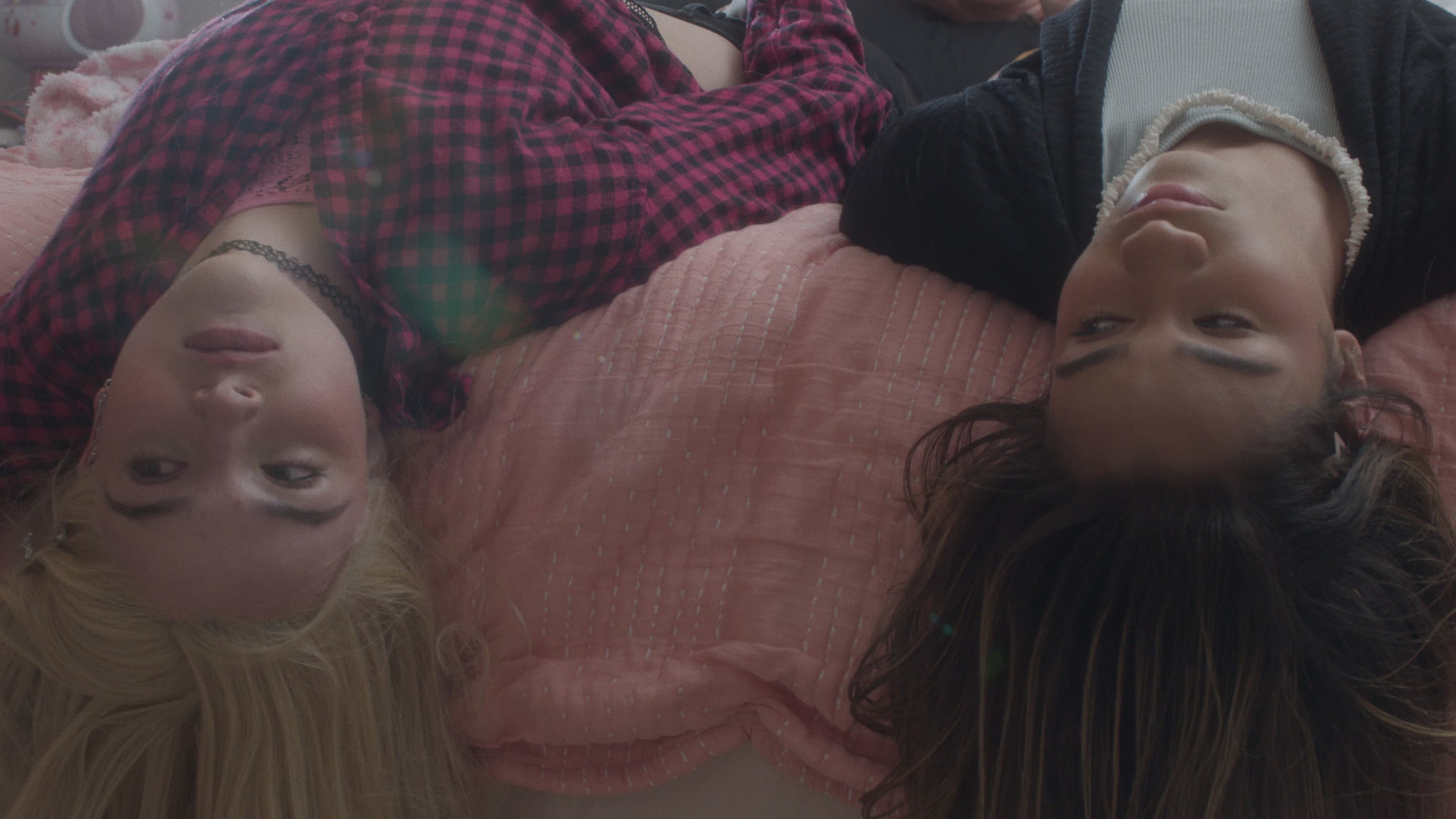
The film is anchored by two breakout performances from Serin Dunne and Brie Musser, who play Rachel and Hannah, respectively. Dunne brings a coiled, unpredictable energy to Rachel, the kind of girl who seems to be two seconds away from either a brilliant idea or a spectacular meltdown. Musser, meanwhile, grounds Hannah with a quieter, more observant desperation - she’s the pragmatist reluctantly following her friend into the void. Their chemistry is the engine of the piece; you believe they’ve known each other their whole lives, and you also believe they might not know each other at all by the end of the night.
The supporting cast adds texture to this suburban netherworld. Billy McCormac and Elisha Kempf, credited amusingly as “Tyler 1” and “Tyler 2,” provide a duo of interchangeable - and thus authentically 2008 - dude-bros who orbit the girls with a mix of menace and cluelessness. Dylan Mosholder’s Brian and Hannah Dienhart’s Gabby round out the social circle, while Ashley St. Sauveur delivers a brief but chillingly familiar turn as Hannah’s Mom, a woman whose strained smile says more than any dialogue could.
Behind the camera, Hill proves herself a director of remarkable restraint. She co-wrote the script and brings a music-video sensibility to the pacing, but crucially, she lets scenes breathe. The production design is impeccable - the wood-paneled basements, the sticky dashboard of a hand-me-down sedan, the pixelated glow of a Razr phone screen - all of it authentic without veering into parody. The sound design, too, is a character in itself, alternating between deafening silence and the overwhelming noise of crickets, distant traffic, and the low thrum of teenage panic.
Story & What to Expect
Lizzzard drops us into the middle of a night that feels both endless and ephemeral. Rachel and Hannah are on the verge of something - a fight, a reconciliation, a crime, or simply the end of their friendship as they know it. The title itself is a puzzle; a portmanteau of “lizard” with an extra “z,” it suggests something mutated, slightly off-kilter, and disoriented. You never get a clear answer as to what it means, and that’s the point. It’s a codeword for a feeling, a shared secret that binds the two girls even as everything else pulls them apart.
The film’s structure is deliberately jagged. We follow the pair as they navigate a house party that’s already dying, a convenience store run that goes sideways, and a long stretch of empty road where the conversation turns from mall gossip to something darker. There’s a palpable sense of danger, but it’s not the cinematic danger of a thriller. It’s the more insidious threat of boredom, of being so desperate for stimulation that you might just do something irreversible to feel alive. Hill doesn’t provide easy answers. The ending is ambiguous, leaving you with a freeze-frame that feels less like a conclusion and more like a held breath.
What to expect is a film that values mood over plot mechanics. There are no monologues, no big speeches; just the staccato rhythm of half-finished sentences and the weight of what’s left unsaid. The 12-minute length is perfectly calibrated. It’s long enough to build a fully realized world, yet short enough that the tension never dissipates. Think of it as a short story that knows when to end, rather than a novel that drags out its final chapters.
Why It's Worth Watching
In a landscape crowded with bloated blockbusters and algorithm-driven content, Lizzzard is a refreshing shot of independent adrenaline. It’s a film that trusts its audience to fill in the gaps, to recognize the universal ache of being a teenager in a place where nothing ever happens - and the terrifying thrill of trying to make something happen anyway. The performances from Dunne and Musser are the kind of breakout turns that launch careers; they make you feel the humidity in the air and the anxiety in their stomachs.
Moreover, for those who came of age in the late 2000s, it’s a time capsule that feels less like a costume drama and more like a memory bubble. Kylee Hill has crafted a work that’s specific to its era yet entirely timeless in its examination of female friendship and the razor’s edge between loyalty and self-destruction. You won’t get a tidy moral, and you won’t get a Hollywood ending. What you will get is a potent, jagged little gem that lingers in your mind long after the credits roll. In an industry that often mistakes length for substance, Lizzzard is proof that great cinema doesn’t need to be loud. It just needs to be true. And this film is painfully, beautifully true.