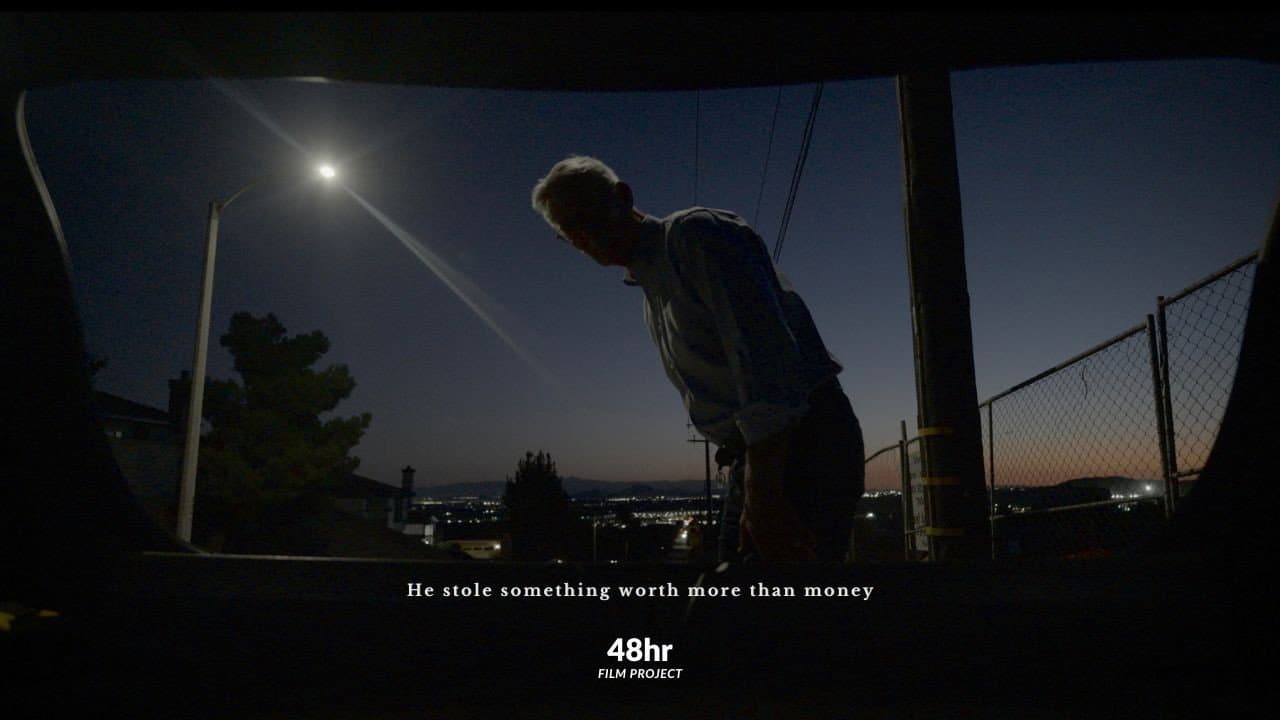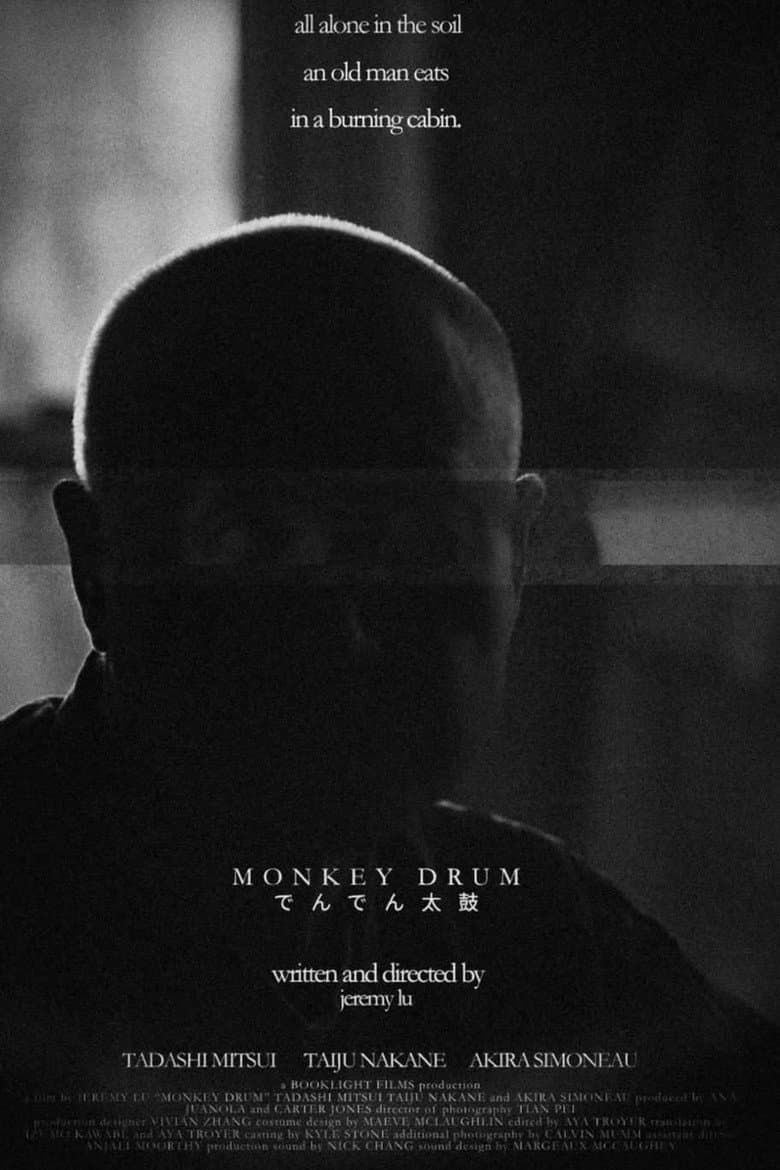
The horror genre has a peculiar way of burrowing into our psyches - not through jump scares or gore, but through the quiet, creeping dread of folklore that refuses to stay buried. And that’s exactly the wavelength that director Jeremy Lu is tuning into with his latest short film, Monkey Drum, a 16-minute descent into what he’s bluntly calling “a folk nightmare.” It’s a compact, potent slice of terror that arrives with little fanfare but carries the weight of ancient tradition, twisted into something deeply modern. If you’re a fan of atmospheric dread over cheap thrills, this is one you’ll want to mark on your calendar.
Release Date & Where to Watch
Monkey Drum officially premieres today, August 9, 2026. The timing is no accident - there’s something about the late-summer heat that makes shadows feel longer and the forest floor feel closer to the underworld. As for where you can see it, this is a festival-circuit darling in the making. While a wide theatrical release isn’t in the cards for a 16-minute indie horror, the film is set to make the rounds at genre-specific festivals throughout the fall, with a strong push toward streaming platforms that specialize in curated horror shorts. Think Shudder, Alter, or the shorts blocks at Fantasia and Sitges. If you’re not at a festival, keep an eye on the film’s social channels - digital distribution is expected to follow shortly after its festival run concludes. The short format is having a serious moment, and Monkey Drum is poised to ride that wave straight into your queue.
Cast & Crew
The film is anchored by a trio of performances that should immediately pique your interest. Tadashi Mitsui leads the charge as Minato, a man whose quiet exterior masks a slow unraveling. Mitsui has a knack for playing characters who seem to be listening to something just beyond the audience’s hearing - a quality that proves essential here. Opposite him, Taiju Nakane steps into the role of Isseki, a figure who embodies the film’s folkloric menace with a stillness that feels less like peace and more like a held breath. Nakane’s physicality is a major asset; he doesn’t need dialogue to communicate that something is deeply, irreversibly wrong.
Then there’s Akira Simoneau as Jun, the wildcard of the trio, whose youthful energy becomes the catalyst for the story’s unraveling. The dynamic between these three actors is the film’s engine, and Lu clearly knows how to direct tension between bodies in space. Speaking of Lu, this project marks a significant step for the director, who has been building a reputation in the short-form circuit with work that blurs the line between psychological horror and cultural critique. Monkey Drum feels like his most confident statement yet - a tight, controlled exercise in atmosphere where every frame feels deliberate, every sound design choice pointed. The cinematography, reportedly shot on location in dense woodland, leans into natural light and long takes, giving the whole piece a documentary-like authenticity that makes the supernatural elements hit harder.
Story & What to Expect
Without giving too much away, the logline is simple: three acquaintances wander into the woods, and the woods don't let them leave unchanged. The title itself is the key. A monkey drum - a small, handheld percussion instrument - becomes the totem around which the narrative spirals. It’s not a prop; it’s a heartbeat. Lu uses the rhythmic beating of the drum as a motif, a pulse that grows more erratic as the characters’ grip on reality loosens. Expect a slow burn that rewards patience. The 16-minute runtime is deceptive because it feels both longer and shorter than it is - longer in the way that a nightmare stretches time, shorter because you’re so locked in that the credits arrive like a slap.
The “folk nightmare” descriptor isn’t just flavor text. This is rooted in the kind of rural legend that feels ancient, the sort of story that grandparents whisper about to keep children away from the treeline. There’s a ritualistic quality to the pacing, a sense that the characters are unwitting participants in a ceremony they don’t understand. The horror here is not about a monster jumping out; it’s about the slow erosion of safety, the realization that the rules of the civilized world don’t apply once you step off the path. Lu’s direction favors immersive sound design over explanatory dialogue - wind through leaves, the skitter of unseen animals, and that drum, always that drum, getting closer. If you’re expecting a traditional narrative with clear exposition, you’ll be disappointed. If you’re here for mood, texture, and a creeping sense of existential doom, you’re in for a treat.
Why It's Worth Watching
In a landscape dominated by bloated, over-explained horror franchises, Monkey Drum is a reminder of the power of brevity. It doesn’t overstay its welcome, and it respects your intelligence enough to leave gaps for you to fill with your own anxieties. This is the kind of film that stays with you long after the screen goes black - not because of a shocking twist, but because of an image, a sound, a feeling that lodges itself in your subconscious. It’s also a showcase for Lu’s emerging voice, a director who clearly understands that true terror is often internal, a battle between what we know and what we fear.
For fans of arthouse horror like The Witch or Hagazussa, this will feel like a familiar, welcome visit. But even if you’re new to the subgenre, the craftsmanship is undeniable. The performances are committed, the visual language is confident, and the thematic core - about guilt, memory, and the inescapable pull of the past - gives it a weight that transcends the short format. It’s a calling card for a filmmaker to watch, and a chilling 16 minutes that proves you don’t need a two-hour runtime to build a world of dread. Seek it out. Let the drumbeat pull you in. Just don’t say you weren’t warned.