The calendar says late July, but the most intriguing release of the day isn’t a blockbuster sequel or a superhero team-up. It’s a ten-minute whisper of a film, a supernatural fable about mortality, eggs, and the art of the perfect meal. Saturday night, Sunday morning arrives today, July 31, 2026, and it does so with the quiet confidence of a project that knows exactly what it is: a tight, startling, and strangely warm meditation on the one appointment none of us can cancel. In a summer defined by noise, this tiny Argentine short cuts through the din with a single, haunting premise.
Release Date & Where to Watch
Your window to catch Saturday night, Sunday morning is today, July 31, 2026. As of now, the film is not attached to a major theatrical rollout or a specific streaming platform; it’s the kind of festival-circuit darling that finds its audience through curated showcases, short-film programs, and digital premieres on niche VOD services. For the Hollywood buzz crowd, think of it as a discovery piece - the kind of thing you might catch before a feature at a cinema club, or stumble upon in a late-night streaming deep dive. Given its runtime and art-house pedigree, don’t expect a wide multiplex release. Instead, look for it in independent cinema newsletters, film festival virtual screens, and any platform that champions bold, short-form storytelling. If you’re in a major city, peer at your local arthouse theater's schedule; this is precisely the sort of film that plays as a captivating opening act. Otherwise, keep your eyes peeled on the usual indie streaming aggregators by the end of the week.
Cast & Crew
The film is the brainchild of Mariano Vivanco, who pulls double duty as director and star, playing the central character, Cocinero - Spanish for "chef." Vivanco has crafted a piece that feels intensely personal, a one-room showdown between a man and an uninvited guest. Opposite him is Franzzo Malatesta as La Muerte, or "Death." The casting is a masterstroke of minimalism; where you might expect cloaks and scythes, Malatesta brings a grounded, almost bureaucratic menace. The dynamic between Vivanco’s frantic, sweaty cook and Malatesta’s calm, implacable presence forms the entire backbone of the narrative. There’s no ensemble, no sprawling cast - just two men, a kitchen, and a ticking clock. This stripped-down approach puts enormous pressure on the actors, and both rise to it. Vivanco’s body language betrays a lifetime of grease burns and sharp knives, while Malatesta communicates volumes with a patient tilt of the head. The direction is lean, favoring close-ups of trembling hands and bubbling pans over expository dialogue. It’s a masterclass in economical filmmaking.
Story & What to Expect
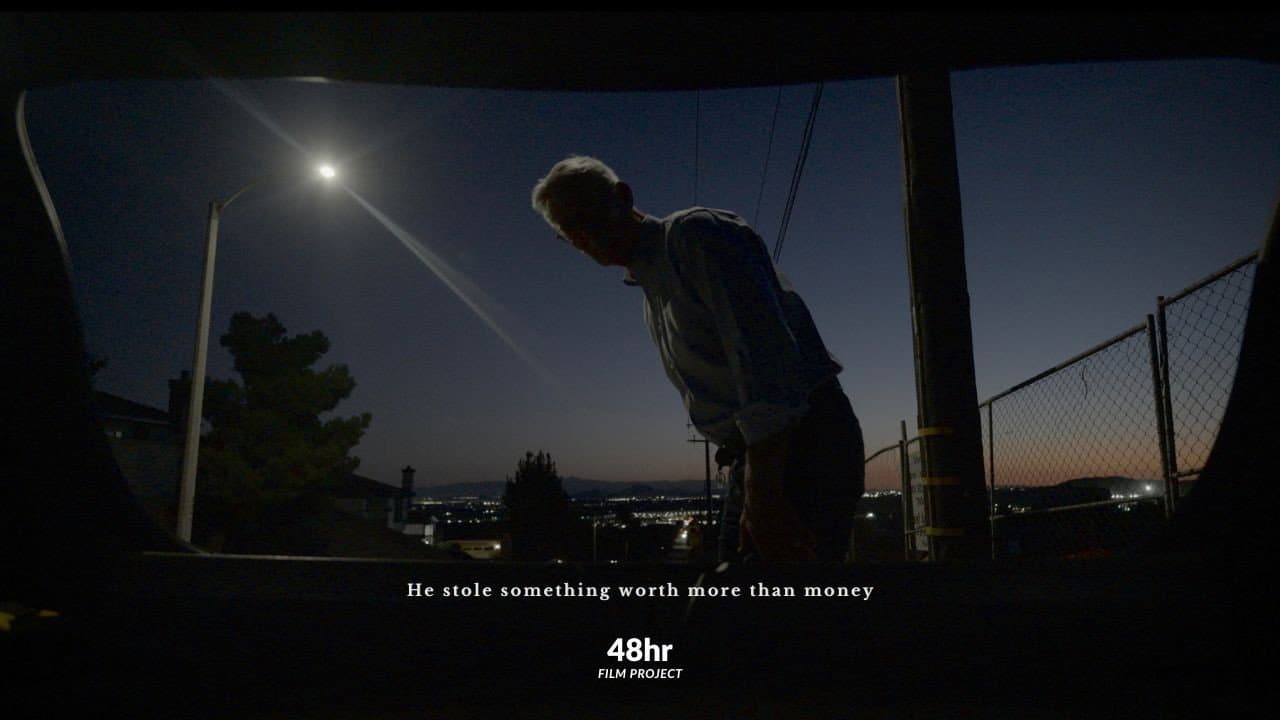
The logline is deceptively simple: a chef must cook his best dish for Death in order to avoid his own death. But the execution, based on the film’s eerie tension, is anything but straightforward. We open on Cocinero in his late-night kitchen, the titular "Saturday night" fading into "Sunday morning." He’s plating something - nothing fancy, just a line cook’s ritual. Then La Muerte arrives. There’s no dramatic thunderbolt; the door simply opens, and the air changes. The challenge is set: craft a single, transcendent dish that will satisfy the ultimate palate. If it’s not good enough, the chef’s life is forfeit.
What follows is less a cooking competition and more a philosophical standoff. Cocinero rummages through his walk-in, frantically grabbing ingredients - a handful of herbs, a cut of meat, an egg. The film’s tension is not in the culinary technique, though Vivanco handles the pans with convincing dexterity, but in the silences. Death watches, patient and unblinking. The kitchen sounds - the hiss of oil, the sharp chop of a knife - become a percussion of desperation. As the night wears on, the chef realizes that his "best" dish isn’t about the most expensive truffle or the rarest spice. It’s about memory. It’s about the simple meal his grandmother made, or the first thing he ever learned to cook. The story pivots from a survival thriller into a touching reflection on what we leave behind, and whether a plate of food can contain a soul. The final moments, I’m told, don’t resolve with a laugh or a scream, but with a quiet, devastating acceptance.
Why It's Worth Watching
In an era where we’re drowning in two-hour features padded to streaming length, Saturday night, Sunday morning reminds us of the power of brevity. Ten minutes is all Vivanco needs to explore themes of ego, legacy, and the futility of bargaining with the inevitable. The film’s central hook - that Death has a palate - is a stroke of darkly comic genius, giving weight to a profession often dismissed as mere service. It reframes the act of cooking as a spiritual offering, a last-ditch prayer made of butter and salt.
For fans of philosophical horror and intimate character studies, this is a must-see. The performances are raw in a way that big-budget productions often sand down. Malatesta’s Death feels less like a monster and more like a deadline, a final audit of your life’s work. And Vivanco’s Cocinero is achingly human - not a hero, but a man who suddenly realizes he’s been reheating his own life, never tasting it. The film doesn’t spoon-feed you answers. Is the dish good enough? Does he live? The ambiguity is the point. It’s a movie that ends and immediately invites a re-watch, not for hidden clues, but for the feeling of sitting in that kitchen with them. It’s a small, perfectly crafted morsel - bitter, savory, and with a lingering aftertaste of grace. Do yourself a favor and carve out ten minutes today. You might find yourself thinking about it long after the credits roll.