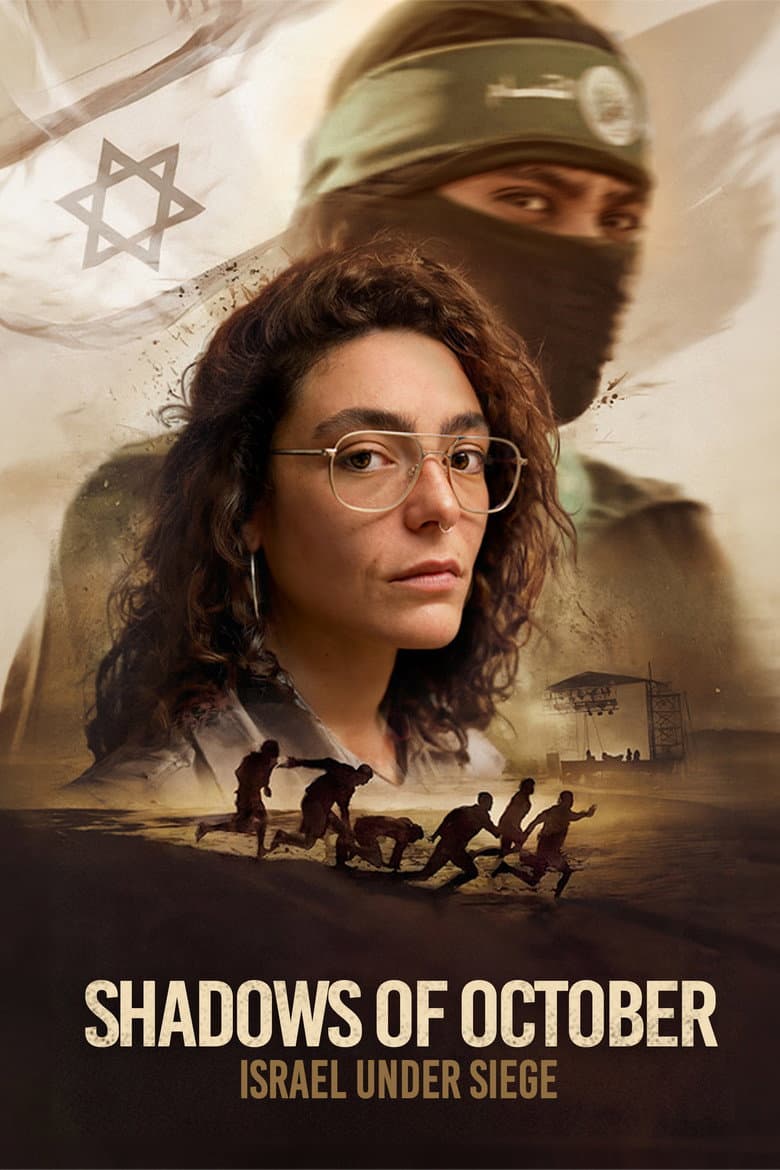
The silence in the room was deafening. Not the comfortable quiet of a theater before the lights dim, but the heavy, expectant hush that follows a collective intake of breath. That’s the atmosphere director Beau Lee has crafted in his latest documentary, Shadows of October: Israel Under Siege, a film that doesn’t just chronicle a date on the calendar, but wrestles with the soul of a nation and the silence of heaven. Arriving in theaters on August 21, 2026, this is not a film for the faint of heart, nor is it one that will leave you with easy answers. It’s a cinematic reckoning, and it’s here.
Release Date & Where to Watch
Mark your calendars, because Shadows of October: Israel Under Siege hits select theaters nationwide starting today, August 21, 2026. This is a documentary event designed for the big screen, where its sweeping aerial shots of a scarred landscape and intimate close-ups of grieving faces demand to be seen in full resolution. While the film will likely find its way to a streaming platform in the months to come, the initial rollout is a theatrical exclusive. For now, the best - and only - way to experience the film is to find a local screening and sit with it in the dark. The 113-minute runtime is immersive, and the communal aspect of watching this with strangers, hearing their own sniffles and sharp breaths, adds a layer of collective catharsis that a home viewing simply cannot replicate.
Cast & Crew
At the helm is Beau Lee, a director known for his unflinching gaze and a willingness to sit in moral complexity. He doesn’t rush the narrative; he lets it breathe, even when the air is thick with grief. Lee’s film is anchored by a deeply personal presence: Levi Hazen, who serves not just as a talking head but as the film’s presenter and narrative guide. Hazen’s journey threads the film together, his search for meaning becoming our own.
The real stars, however, are the survivors and experts who share their testimony. The cast list reads like a roll call of courage. We hear from Noam Ben David and Shalev Biton, whose firsthand accounts are harrowing yet delivered with a quiet, devastating dignity. Doron J Keidar and Raz Tahan offer perspectives that contextualize the raw emotion with the weight of history. Anna Beth and Saleem Shalash provide voices that complicate the narrative, addressing the human suffering beyond the headlines, ensuring the film doesn’t fall into easy partisan camps. Itamar Marcus brings a sharp, analytical lens to the surge of global antisemitism, while the film’s historical framework is bolstered by expert commentary that traces the long, bitter roots of the conflict. There are no big Hollywood names here, and that’s precisely the point; the authenticity radiates from every face on screen.
Story & What to Expect
Don’t expect a standard war documentary. Shadows of October is a multi-layered meditation. The film opens with the logistical horror of October 7, 2023 - the swift, brutal breach of borders and the subsequent chaos. But Lee wisely moves beyond the blow-by-blow tactical recap. The central, agonizing question pulses beneath every frame: “Where was God in the events of October 7?” It’s a question with no easy theological answer, and the film doesn’t pretend to have one.
Instead, it presents a tapestry of belief and doubt. Survivors recount moments of inexplicable salvation and inexplicable loss with the same bewildered tone. Their testimony is the film’s raw material, and Lee allows their words to hang in the air, unvarnished. Interspersed with these personal stories is a sharp, disturbing journalistic thread: the film charts the meteoric rise of antisemitism on college campuses, in city streets, and across social media platforms in the years following the attack. It’s a sobering sequence, connecting the violence in Israel to a global spiritual sickness.
The latter half of the film shifts from the question of “where was God” to the question of “how should we move forward?” Here, the film becomes a conversation. Some voices advocate for resolve and security, while others plead for de-escalation and understanding. The inclusion of Saleem Shalash is particularly vital, humanizing the “other side” of the conflict in a way that might make some audiences uncomfortable but is ultimately necessary for any honest dialogue. Expect a film that is less a call to action and more a call to reflection. Expect to be challenged, to be moved to tears, and to leave the theater feeling less certain, not more, but also perhaps more human.
Why It's Worth Watching
In a media landscape saturated with hot takes and 24-hour news cycles, Shadows of October feels like a necessary antidote. It’s a film that insists on depth when everyone else is demanding speed. It’s worth watching for its sheer journalistic courage - the willingness to ask the spiritual questions secular media often ignore, and to present the political questions with a rare, balanced gravity.
For those who lived through the events of 2023, it offers a mirror; for those who watched from afar, it offers a window. It’s a documentary that treats its subjects with profound respect, refusing to use their trauma for cinematic exploitation, yet still delivering scenes of unbearable intensity. The power of the film lies in its intimacy; the camera lingers on a trembling hand, a tear that refuses to fall, the hollow look in an eye that has seen too much.
Beau Lee has crafted something rare: a war documentary that is less about the mechanics of war and more about the metaphysics of survival. It asks the hardest questions and provides no easy comfort, but in sharing that burden, it creates a space for solidarity. As the credits roll, you won’t feel entertained; you’ll feel changed. For anyone seeking to understand the human condition under pressure, or simply looking for a film that respects your intelligence and your heart, Shadows of October: Israel Under Siege is essential viewing. It is a testament to the fact that sometimes, the bravest thing we can do is look directly at the shadows and ask why they exist.