The last time we saw Frank Castle, he was a ghost in the machine - a force of nature defined by loss, driven by a ledger of blood that felt infinite. But the man who steps out of the shadows in The Punisher: One Last Kill isn’t looking for another name to cross off a list. He’s looking for a reason to stop. That search, messy and violent and unexpectedly tender, makes Reinaldo Marcus Green’s 51-minute marvel not just the best Punisher project in years, but one of the most surprising dramas of 2026.
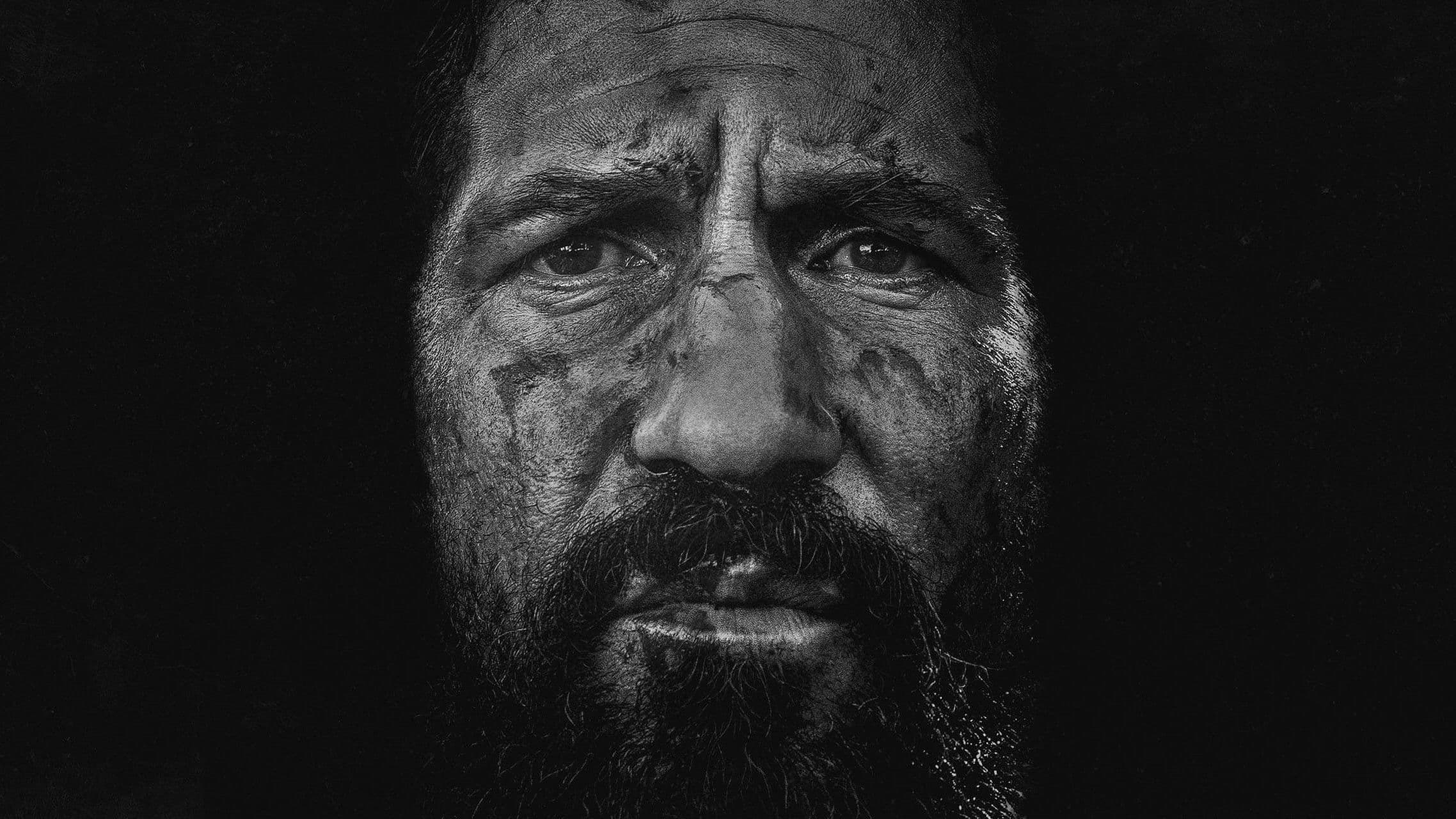
The film opens on a Castle who is, for all intents and purposes, retired. He’s not brooding in a safehouse; he’s trying to exist. Jon Bernthal, returning to the role with a rawness that feels less like performance and more like confession, plays Frank as a man haunted not by his enemies but by the silence between gunfights. There's a scene early on where he sits in a diner, staring at a cup of coffee, and you realize the real horror for him isn’t the violence - it’s the quiet. It’s the space where the memories of Maria (Kelli Barrett, luminous in flashbacks that sting) and his children rush in.
The logline promises an “unexpected force” that pulls him back, and the film delivers that promise with a curveball that feels both radical and inevitable: Judith Light’s Ma. She isn’t a crime boss in the classic sense. Light, delivering a masterclass in coiled steel, plays a matriarch of a small, crumbling neighborhood who has been paying protection to the wrong people for too long. When her grandson is taken, she doesn’t call the police. She calls the devil she knows. Her scenes with Bernthal are electric - a duet between two performers who understand that grief is a language spoken in pauses. “I’m not asking you to save the world, Frank,” she tells him, her voice a whisper of broken glass. “I’m asking you to save one small piece of it. That’s what you do, isn’t it? You clean up the messes other people are too afraid to touch.”
That hook is genius. It reframes Frank’s war not as righteous vengeance but as grim janitorial work. Deborah Ann Woll’s Karen Page returns, and she serves as the film’s moral seismograph. She doesn’t try to talk him out of it; she tries to talk him through it. In a pivotal rooftop scene, she challenges him on the futility of his mission, but the script wisely doesn’t give her a grand speech. Instead, Woll lets Karen’s exhaustion do the talking. “You’ve always known how to die, Frank,” she says, the line landing like a gut punch. “I just want to know if you remember how to live.”
Director Reinaldo Marcus Green, known for the visceral realism of King Richard and Monsters and Men, brings a grounded, almost documentary-like texture to the carnage. The action here is spartan and brutal. There’s no balletic John Wick choreography; each punch, each gunshot feels heavy, consequential. A chase sequence through a decaying tenement is shot with shaky, invasive camerawork that puts you inside Frank’s fractured headspace. But Green also knows when to pull back. He lingers on Jason R. Moore’s Curtis Hoyle, the anchor in Frank’s storm, providing a quiet counterpoint of humanity that makes the violence feel like a tragedy, not a thrill.
At just 51 minutes, One Last Kill operates like a tight, brutal short story. It wastes nothing. Andre Royo’s Dre, a street informant with a heart of gold and a nose for trouble, provides welcome levity without puncturing the tension. And John Douglas Thompson’s Old Vet, a figure who appears in a nameless VA hospital, delivers a monologue about the weight of service that will rattle you to your core. The film is bookended by a sequence that ties back to the very first episode of the Netflix series, a knowing wink for the faithful, but it never relies on nostalgia. This is a standalone character study disguised as a vengeance thriller.
The final act, which I won’t spoil, makes a bold choice: it doesn't end with a spectacular explosion or a body count. It ends with a decision. And that decision, quiet as it is, is more powerful than any gunshot. It’s a film about the possibility of putting the weapon down, not because the fight is over, but because the man holding it finally remembers what he’s fighting for.
With an 8.3 TMDb rating and a release date that feels almost perfectly timed for a summer of bloated blockbusters, The Punisher: One Last Kill is a lean, ferocious reminder that the best action dramas aren’t about the kills - they’re about the cost. It asks a question we’ve never expected Frank Castle to answer: What happens after the last kill? Maybe, for the first time, we get to see him find out.