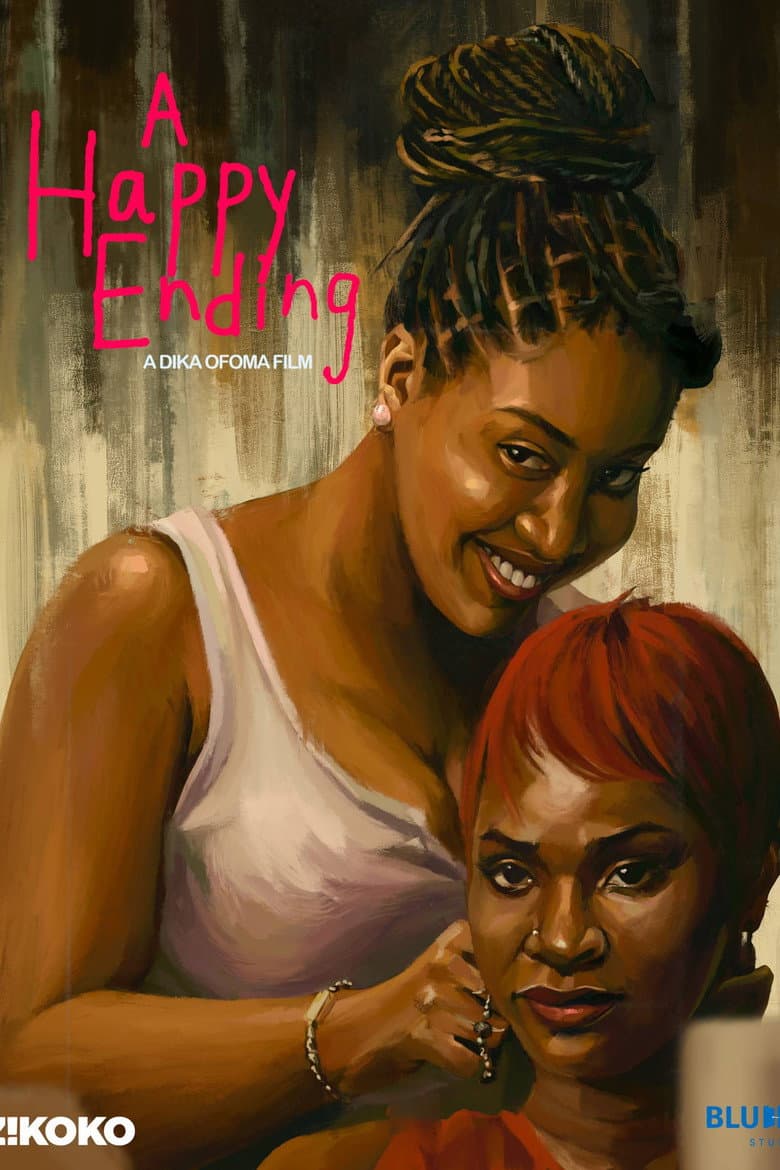
The calendar says August 8, 2026, and that means Nigerian cinema just got a little more interesting. Today marks the theatrical release of A Happy Ending, a film that arrives with a deceptively breezy title and a whole lot of narrative weight on its shoulders. Directed by Dika Ofoma, the picture is already generating buzz not for explosions or spectacle, but for the quiet, combustible drama at its core. This isn’t your standard feel-good romp; it’s a story about money, family, and the price of defiance, wrapped in a package that promises to challenge its audience as much as it entertains them.
Release Date & Where to Watch
The film officially opens in cinemas today, August 8, 2026. For those eager to catch it on the big screen, it will be screening across major multiplexes in Nigeria, with a strong presence in Lagos and Abuja, before expanding to select international markets over the following weeks. As of now, no official streaming platform has been announced, so this is strictly a theatrical-first release - a deliberate choice that suggests the filmmakers want audiences to experience this story in a communal setting, where the gasps and murmurs of recognition can ripple through the room. If you’re hoping to watch it from the comfort of your couch, you’ll likely be waiting until late autumn or early winter for a digital drop, but for now, the cinema is the only way in. Check local listings for showtimes, and be prepared for packed houses - early screenings are reportedly drawing strong interest from audiences curious about Ofoma’s follow-up to his previous directorial efforts.
Cast & Crew
At the helm is Dika Ofoma, a director known for his keen eye for character-driven storytelling and his ability to extract nuanced performances from his actors. He’s assembled a formidable ensemble, led by Ifeoma Obinwa in the central role. Obinwa, who has been steadily building a reputation as one of Nollywood’s most versatile young talents, carries the film with a performance that reportedly oscillates between steely resolve and heartbreaking vulnerability. She’s joined by Ruby P. Okezie, whose screen presence adds a layer of unpredictable energy, and the veteran Anne Njemanze, a seasoned actress whose involvement alone signals a certain level of dramatic gravitas. The male leads, Nonso Odogwu and Kuchi Chris, round out the cast, each bringing their own brand of tension and charm to a story that hinges on complex interpersonal dynamics. Off-screen, the technical crew remains largely under wraps, but early whispers suggest the cinematography leans into intimate, naturalistic lighting, allowing the actors’ faces to do the heavy lifting. Ofoma’s direction is reportedly precise, favoring long takes that let scenes breathe rather than cutting away to safety.
Story & What to Expect
The logline is simple, but the execution is anything but. A Happy Ending centers on a young woman who makes a calculated, unconventional choice to secure financial independence - a decision she believes will ultimately allow her to support the people she loves. The catch is that her culture views that choice with deep disapproval. We’re not told explicitly what that choice is, and the marketing has been deliberately cagey, but the tension is palpable from the opening frames. This is a film about the gap between public morality and private necessity, about the sacrifices we make for family and the way those sacrifices can twist us into strangers. Expect a slow-burn drama that doesn’t rush to judgment. Ofoma isn’t interested in easy answers; instead, he places his protagonist in a pressure cooker of societal expectation, familial obligation, and personal ambition, then watches her simmer. There will be confrontations, whispered accusations, and moments of devastating quiet. The film’s rhythm appears to be more literary than pulpy, favoring character revelation over plot mechanics. Don’t walk in expecting a thriller with twists; walk in expecting a mirror held up to a particular kind of social hypocrisy, rendered through the very specific lens of one woman’s struggle. The title itself feels like an ironic taunt - who gets to define what a "happy ending" is, and at what cost does it come?
Why It's Worth Watching
In a landscape crowded with remakes and franchise entries, A Happy Ending stands out because it dares to be uncomfortable. This is a film that asks a provocative question and then refuses to give you a clean answer. For audiences tired of sanitized morality tales, it offers something sharper: a protagonist who is neither a saint nor a villain, but a human being making a pragmatic move in a rigged game. The performances alone are worth the price of admission - Obinwa is reportedly delivering a career-defining turn, one that anchors the film’s emotional core and keeps you invested even when the proceedings get morally murky. Moreover, director Ofoma has crafted a work that feels both culturally specific and universally resonant. The disapproval the protagonist faces is rooted in a particular societal framework, but the underlying conflict - between individual desire and collective expectation - is one that transcends borders. This isn't a movie that will leave you feeling warm and fuzzy; it’s one that will leave you thinking, possibly arguing with your friends on the drive home. For those who appreciate cinema that engages with real, thorny issues rather than offering escapist comfort, A Happy Ending is a must-see event. It’s a conversation starter, a cultural touchstone, and a bold statement from a filmmaker unafraid to ask hard questions. Go in with an open mind, and leave ready to question everything you thought you knew about getting what you want.