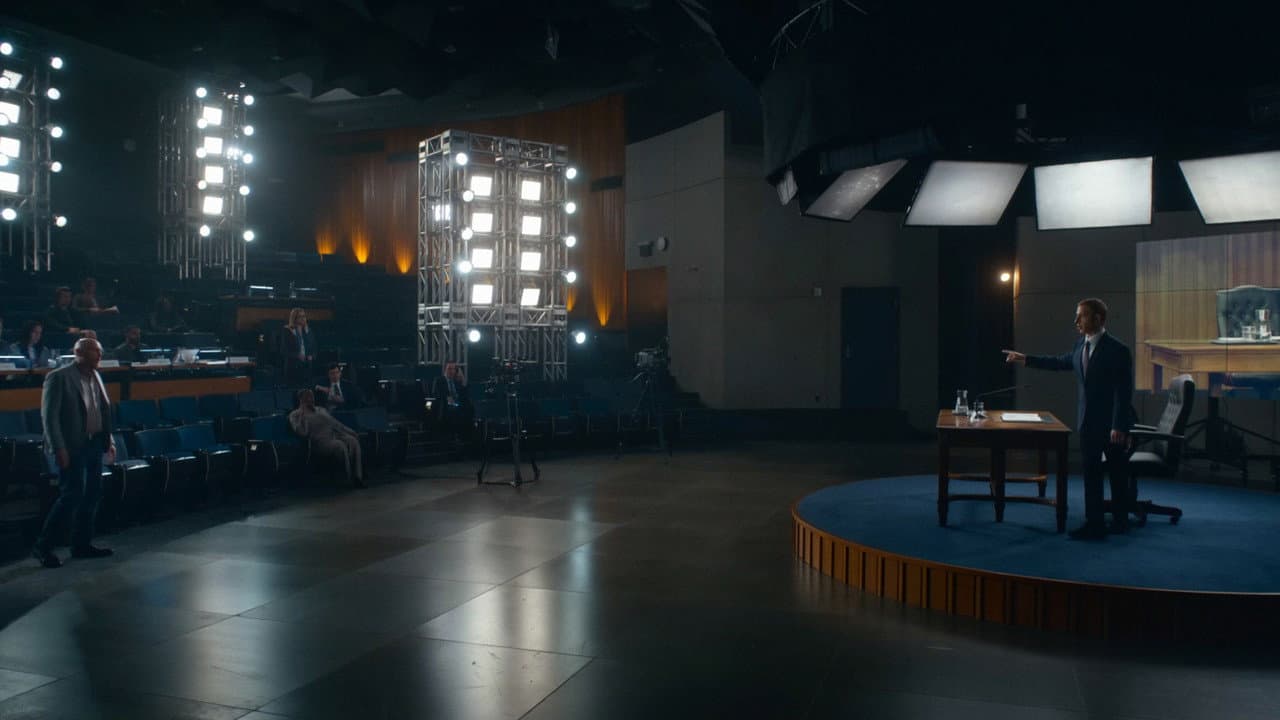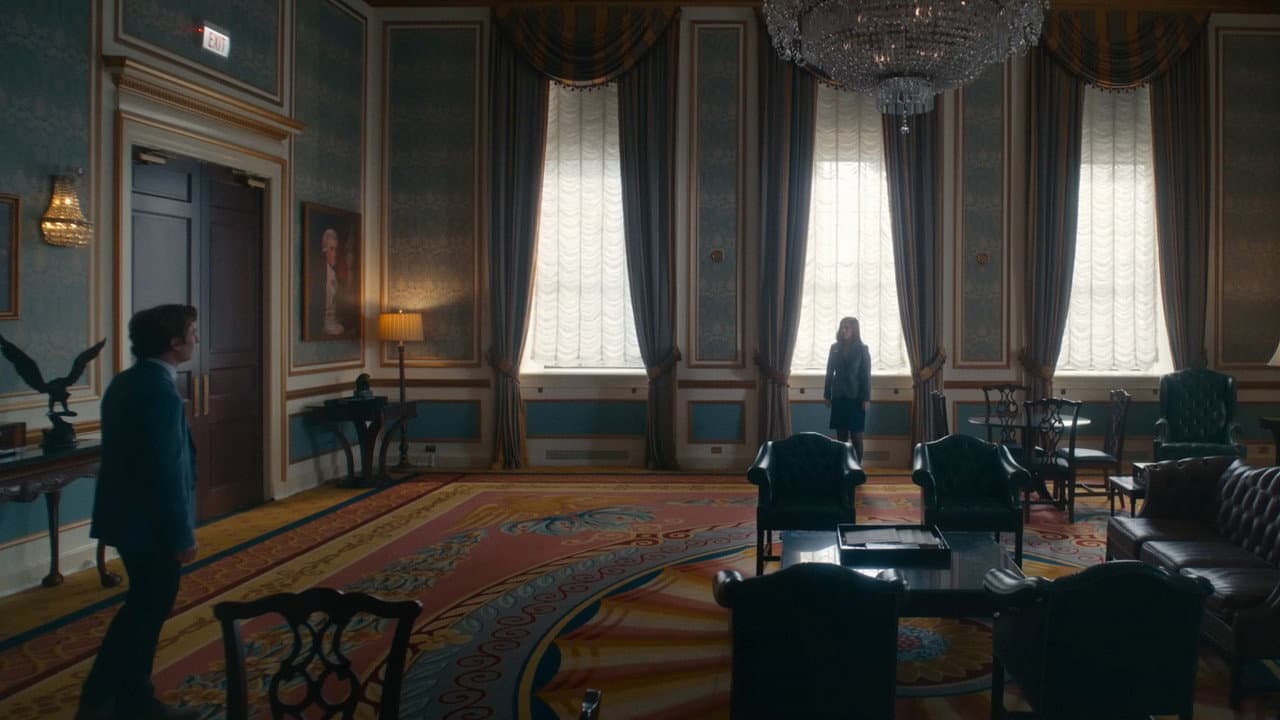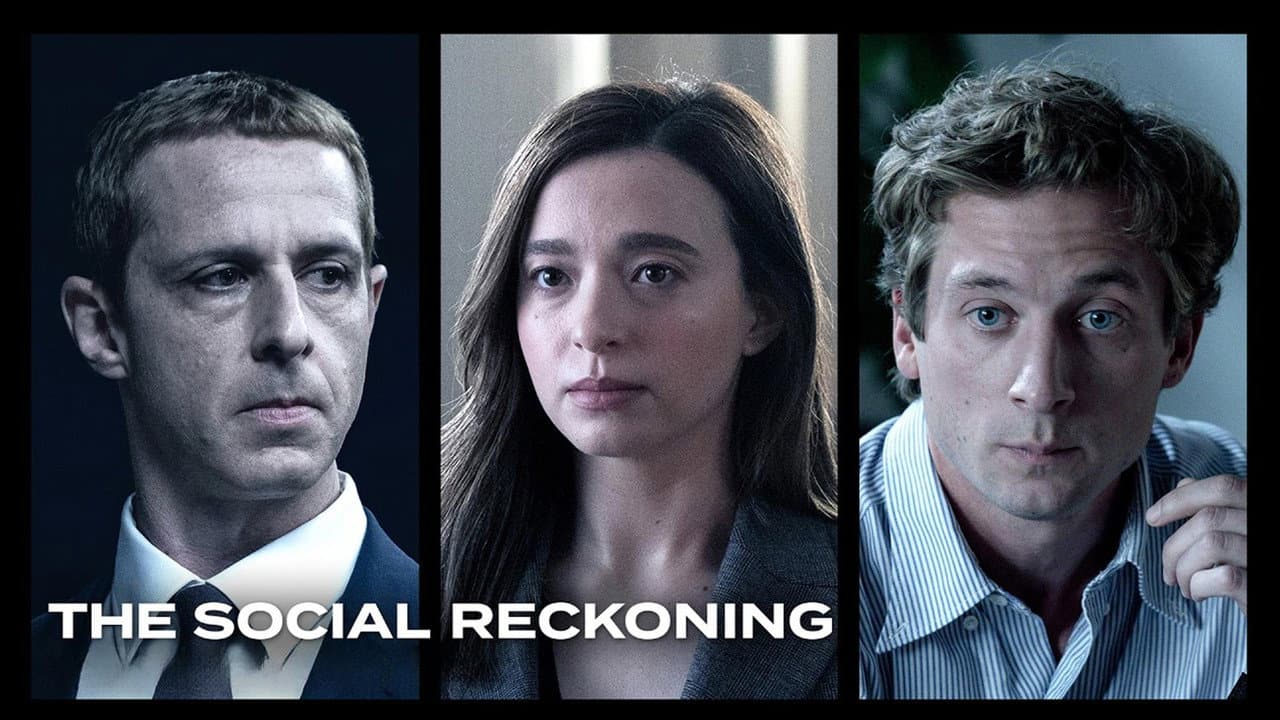
Aaron Sorkin wants to make one thing clear before audiences file into theaters this week: the antagonist of his new film is not a person. Speaking ahead of Friday's release of The Social Reckoning, the writer-director said his dramatization of the Facebook whistleblower saga resists the easy temptation to turn Mark Zuckerberg into a mustache-twirling screen villain, even as he acknowledges the platform's real-world damage.
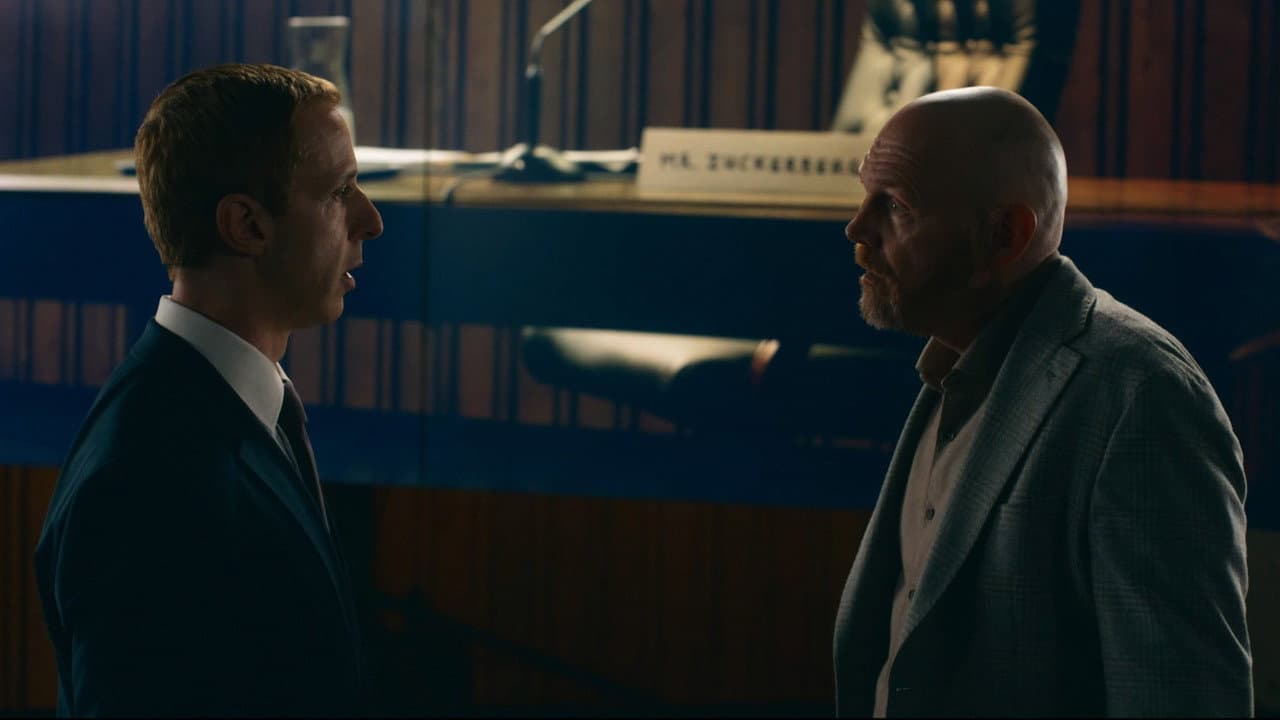
"He's not a villain," Sorkin said of Zuckerberg, who is played in the film by Jeremy Strong. "He's making bad decisions that are hurting us." The line cuts to the heart of what Sorkin describes as the movie's central tension - the gap between individual intent and systemic consequence, a theme that has animated much of his work from The West Wing to The Newsroom.
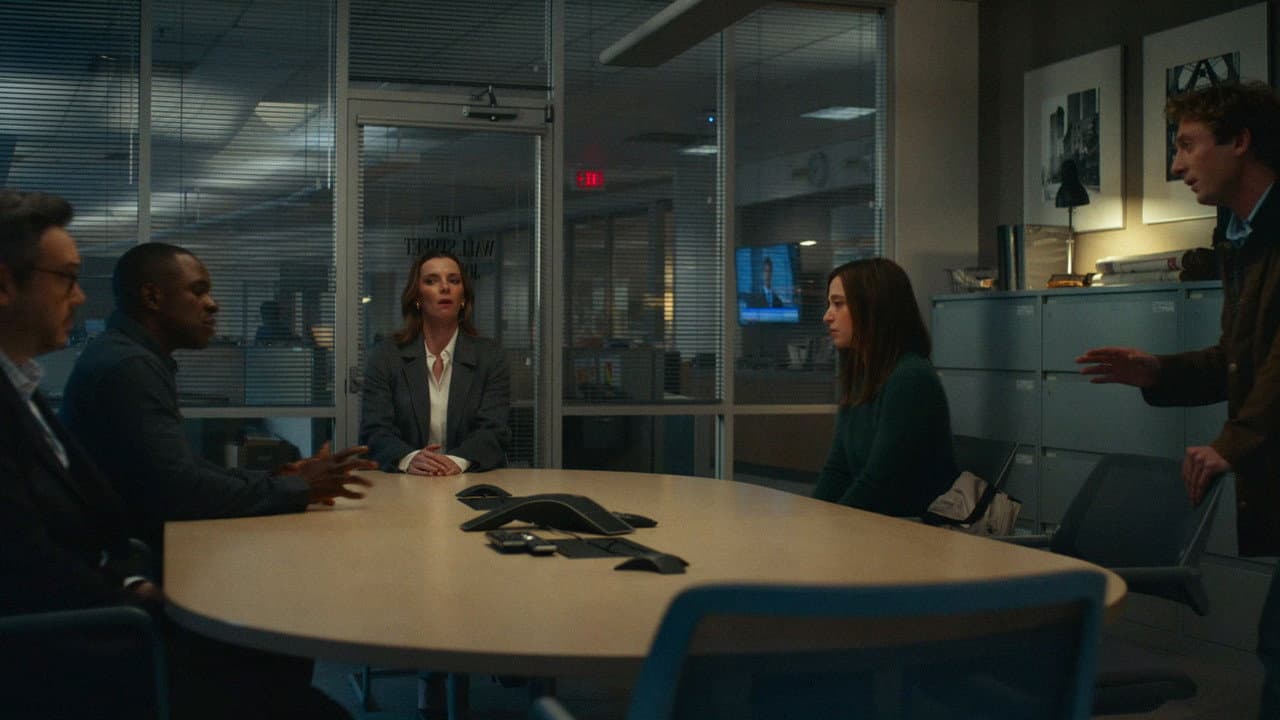
The Social Reckoning arrives in theaters on October 7 with a 112-minute runtime and an ensemble led by Mikey Madison as Frances Haugen, the young Facebook engineer whose decision to copy internal documents set off an international firestorm over how the company handled user safety, misinformation and teenage mental health. Jeremy Allen White plays Jeff Horwitz, the Wall Street Journal reporter who becomes Haugen's collaborator as she moves from concerned employee to public whistleblower.
The supporting cast is unusually deep for a procedural thriller: Wunmi Mosaku as Raya, Betty Gilpin as Kris, Billy Magnussen as Teddy, Bill Burr as Charlie and Gbenga Akinnagbe round out the ensemble. Sorkin directs from his own screenplay, marking another entry in a career defined by fast-talking people making high-stakes choices in rooms where nobody is entirely clean.
A Whistleblower Story Without a Cartoon
Sorkin's choice to humanize rather than demonize Zuckerberg is a deliberate structural decision, not a defense of the company. The film follows Haugen and Horwitz as they navigate the legal and personal risks of exposing what the overview describes as the social network's most guarded secrets. By refusing to make Zuckerberg a monster, Sorkin forces the audience to sit with the more uncomfortable proposition that consequential harm can come from people who believe they are acting reasonably.
That approach echoes the filmmaker's long-running interest in institutions and the individuals inside them. Sorkin has never been shy about writing characters who are brilliant and wrong at the same time, and Zuckerberg fits that mold precisely. The director's comment suggests the film treats the Facebook chief executive as a case study in unintended consequences rather than a moral failure to be punished on screen.
A Timely Release in a Crowded Calendar
The October 7 release places The Social Reckoning in the thick of the fall awards corridor, where dramas built on real events and recognizable names tend to thrive. Its blend of Drama and Thriller gives it commercial range: the courtroom-style revelations of a whistleblower narrative paired with the pursuit dynamics of investigative journalism.
Madison's casting is itself a notable piece of news. The actress has become one of the most in-demand performers of the decade, and handing her the role of Frances Haugen puts a young star at the center of a story about a young engineer's moral awakening. White, coming off a string of high-profile roles, brings the reporter's doggedness that the narrative requires.
Strong as Zuckerberg is perhaps the most anticipated piece of the puzzle. He and Sorkin are no strangers to playing powerful men whose certainty curdles into something darker, and the director's refusal to brand the character a villain only raises expectations that the performance will be sympathetic, unnerving and hard to dismiss.
The Real Question the Film Asks
Sorkin's remark is more than a promotional aside. It reframes the movie's ambition: The Social Reckoning is not a film about catching a bad guy, but about how smart people inside major platforms can convince themselves that their decisions are defensible even as those decisions cause measurable harm.
Whether audiences agree with that framing will likely drive the conversation around the film for weeks. The story of Frances Haugen and Jeff Horwitz is, in Sorkin's hands, a story about accountability that has to be built rather than assigned. The Social Reckoning opens in theaters October 7.
Source: Hollywood Reporter