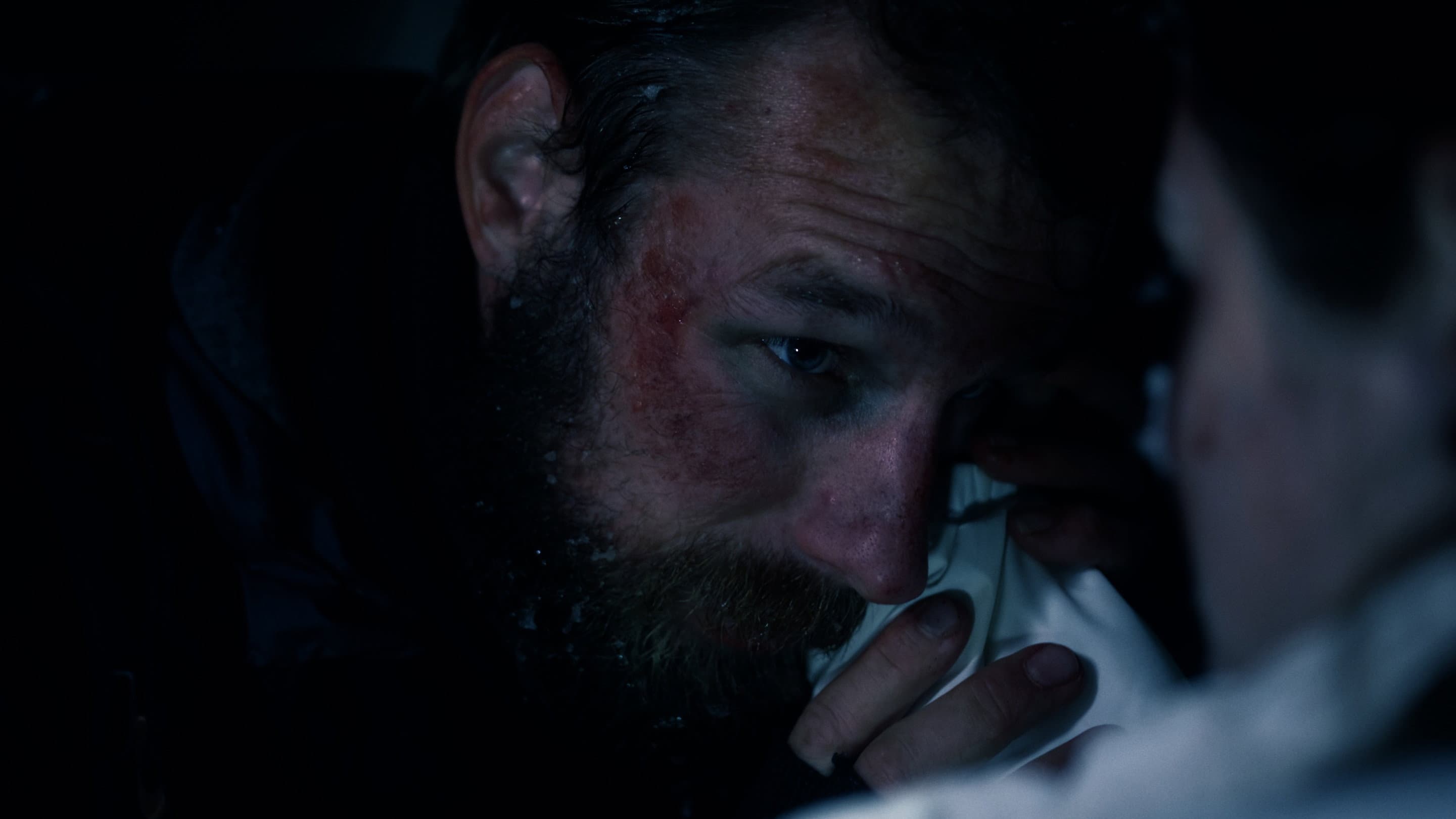
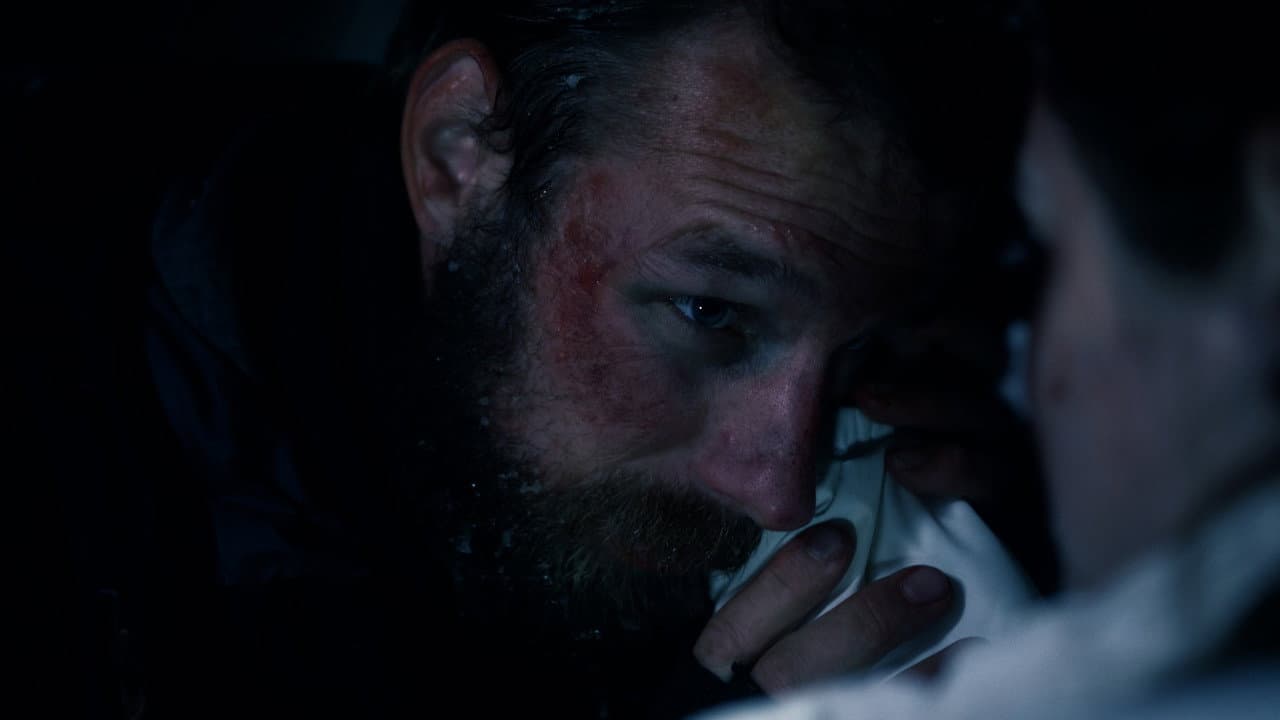
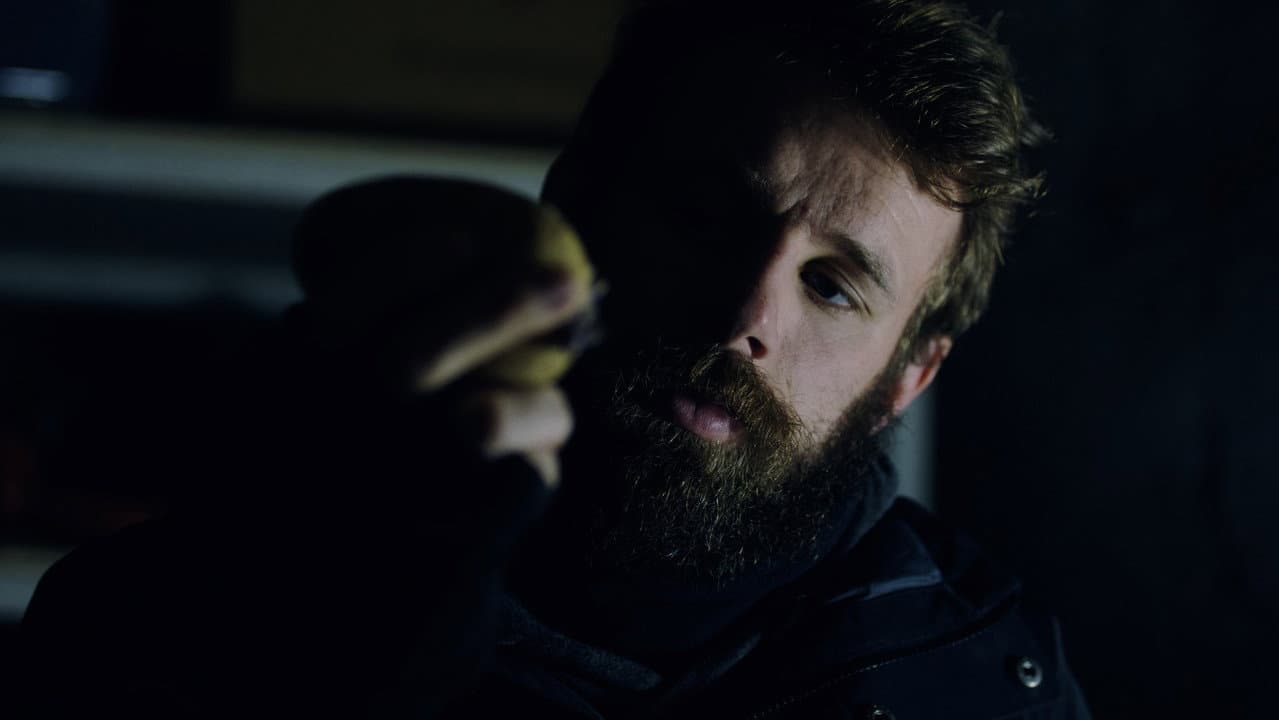
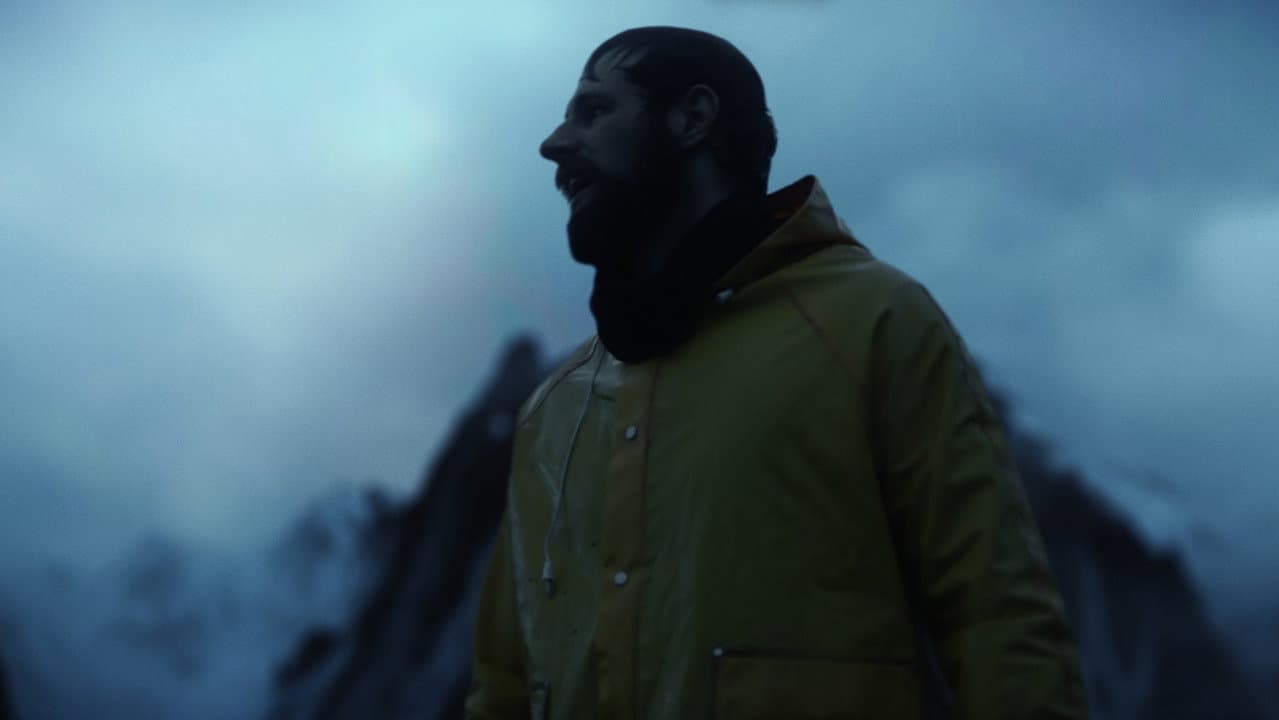
The setup is ripe with dramatic irony. Ethan Nichols, played by the director himself, is a man already grieving. He has just lost his father and inherited one of the largest greenhouses in the country, a sprawling monument to life and growth. This inheritance, however, arrives just as the world learns that an asteroid is on a collision course with Earth. As society begins its inevitable unraveling, the greenhouse shifts from a sanctuary of hope to a gilded cage. Ethan’s personal demons - a betrayal by someone close to him, a crushing sense of loneliness - are amplified by the encroaching global panic. He retreats to his family’s bunker, a concrete tomb designed for survival but seemingly perfect for psychological torment. The aftermath of the impact is rendered in harsh, claustrophobic detail. Ethan is injured, despondent, and wrestling with the horrifying notion that surviving the asteroid might be the easy part. The film’s one genuine spark of hope arrives late in the form of a faint voice crackling over the radio, a whisper of human connection that suggests he might not be entirely alone.
Advertisement
160×600
Left Ad
After Impact (2026) Review: Ambitious But Flawed
Director
Michiel Rensen
Language
EN
Release
2026-09-15
Runtime
95 min
Quick Verdict
A somber, introspective sci-fi drama that prioritizes mood over momentum, After Impact offers a haunting central performance and a handful of arresting images, but its glacial pacing and underwritten supporting characters prevent it from reaching the emotional heights it so desperately aims for.
Story
Review
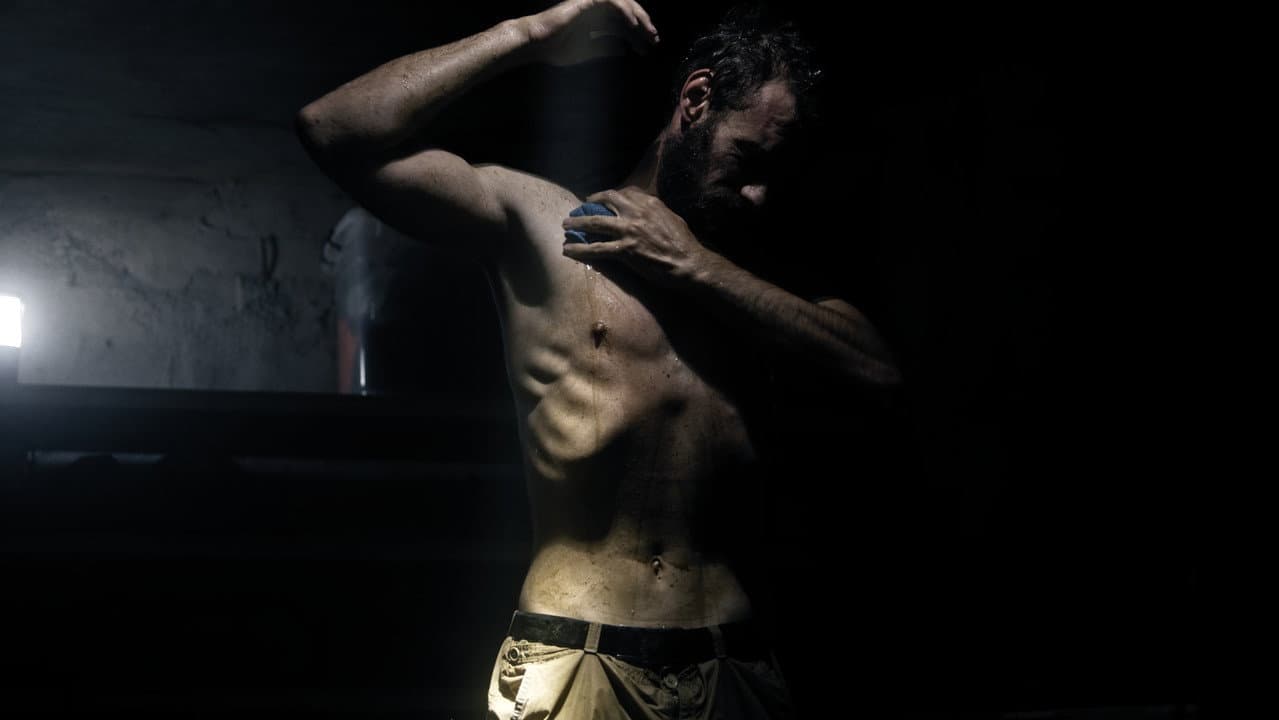
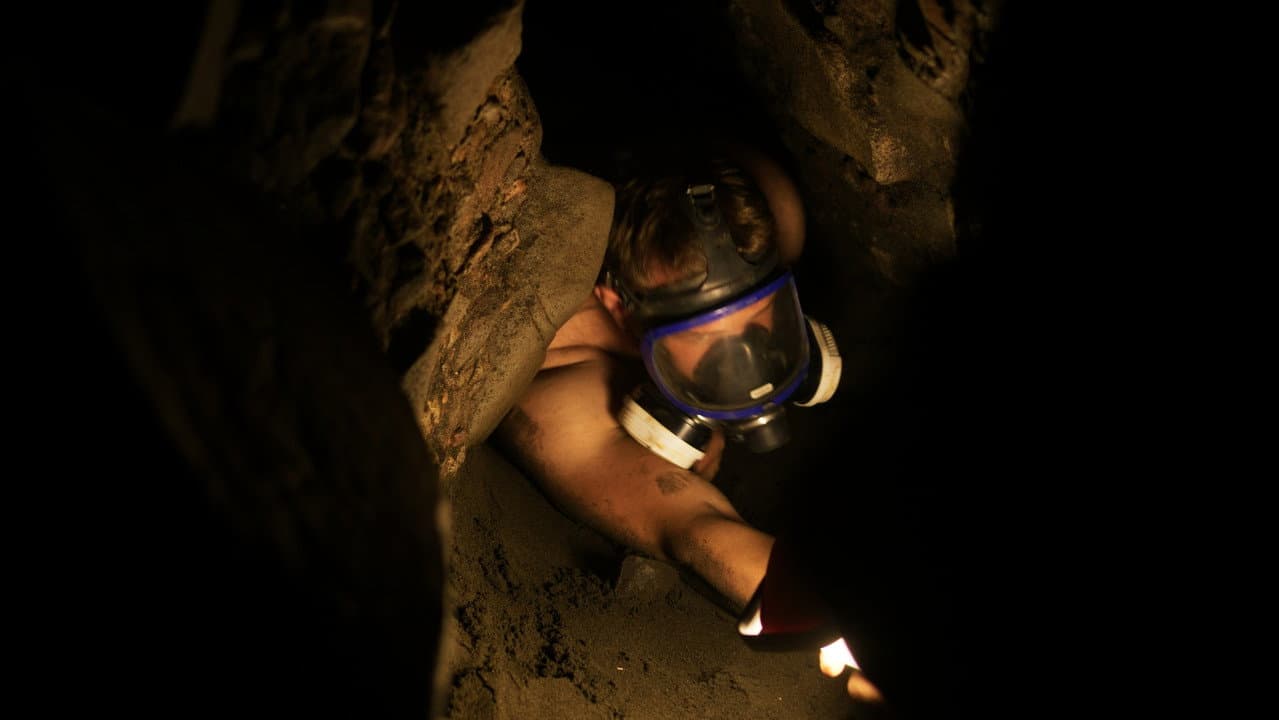
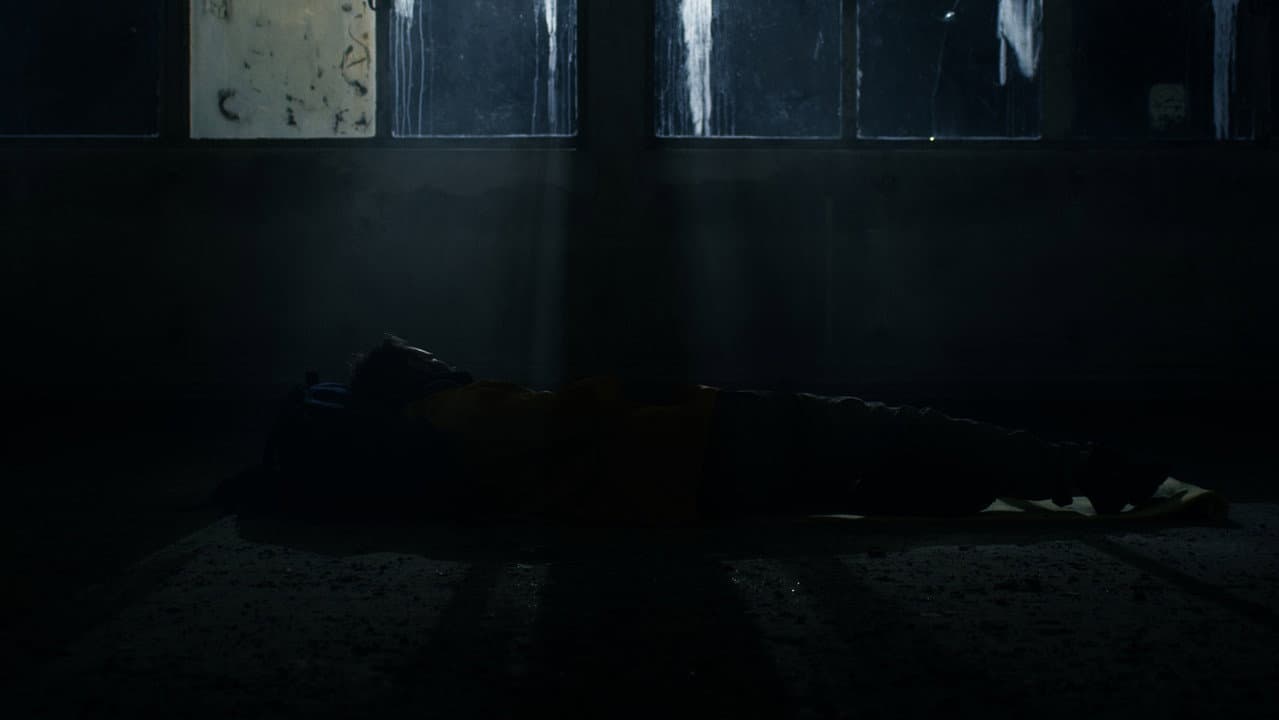
After Impact is a film at war with itself. On one hand, you have a deeply personal, almost experimental character study about a man’s descent into loneliness and his fight to hold onto his humanity. On the other, you have a post-apocalyptic thriller that feels oddly disconnected from the very genre it inhabits. Rensen, who also directs, clearly has a vision. His camera lingers on the silent, verdant emptiness of the greenhouse and the stark, gray loneliness of the bunker, creating a palpable sense of dread. The sound design is equally effective, using silence as a weapon to convey Ethan’s profound isolation.
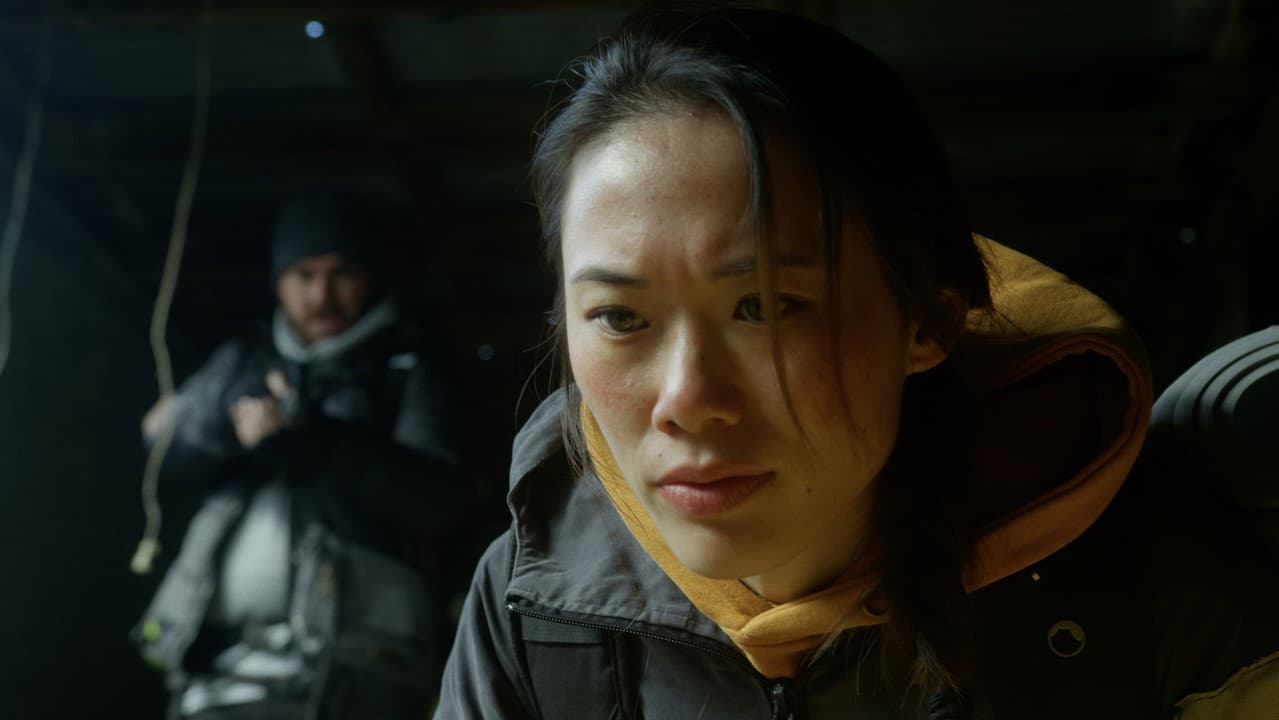
However, the film’s greatest burden is its own script. The dialogue, particularly in the film’s first act, feels stilted and overly expository, as if the characters are reciting plot points rather than speaking to one another. The supporting cast, including the talented Maxie Li as Jessie, is given precious little to do. They drift in and out of the narrative like ghosts, their motivations murky and their fates largely inconsequential. This is a critical failure in a story that hinges on the idea that our connections define us. It’s hard to feel the weight of Ethan’s isolation when the people he’s missing were never fully formed to begin with.
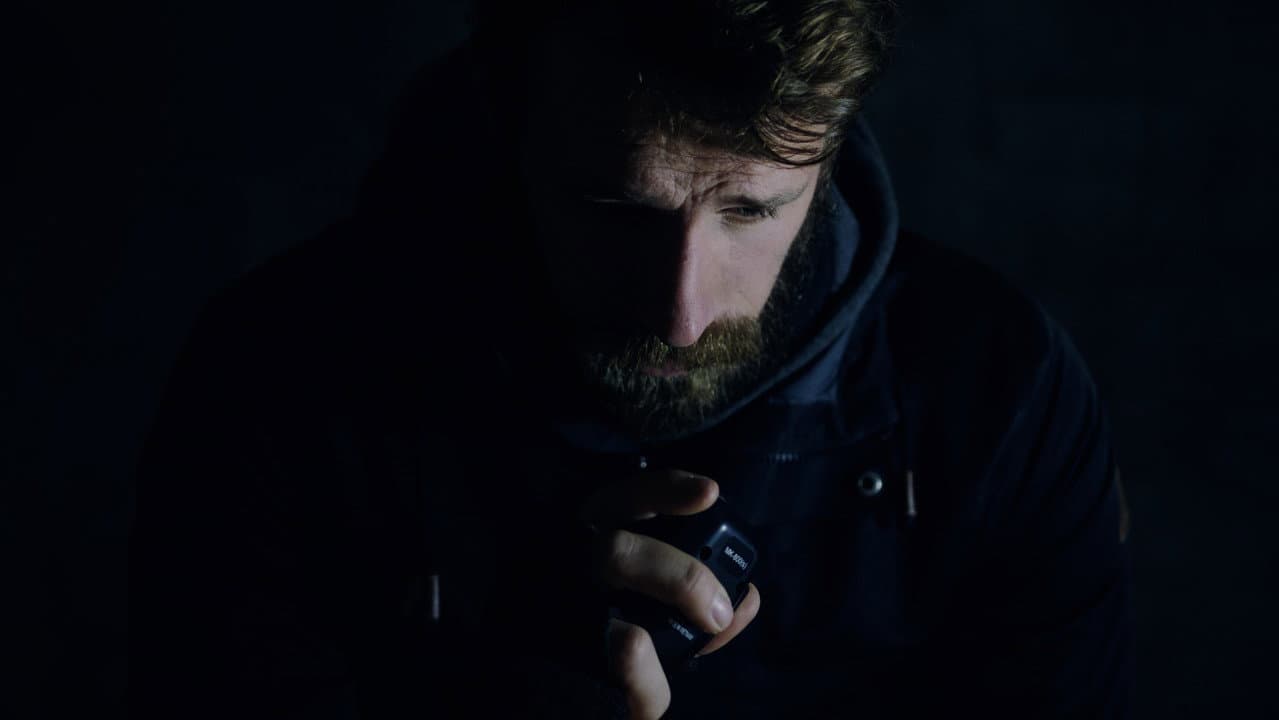
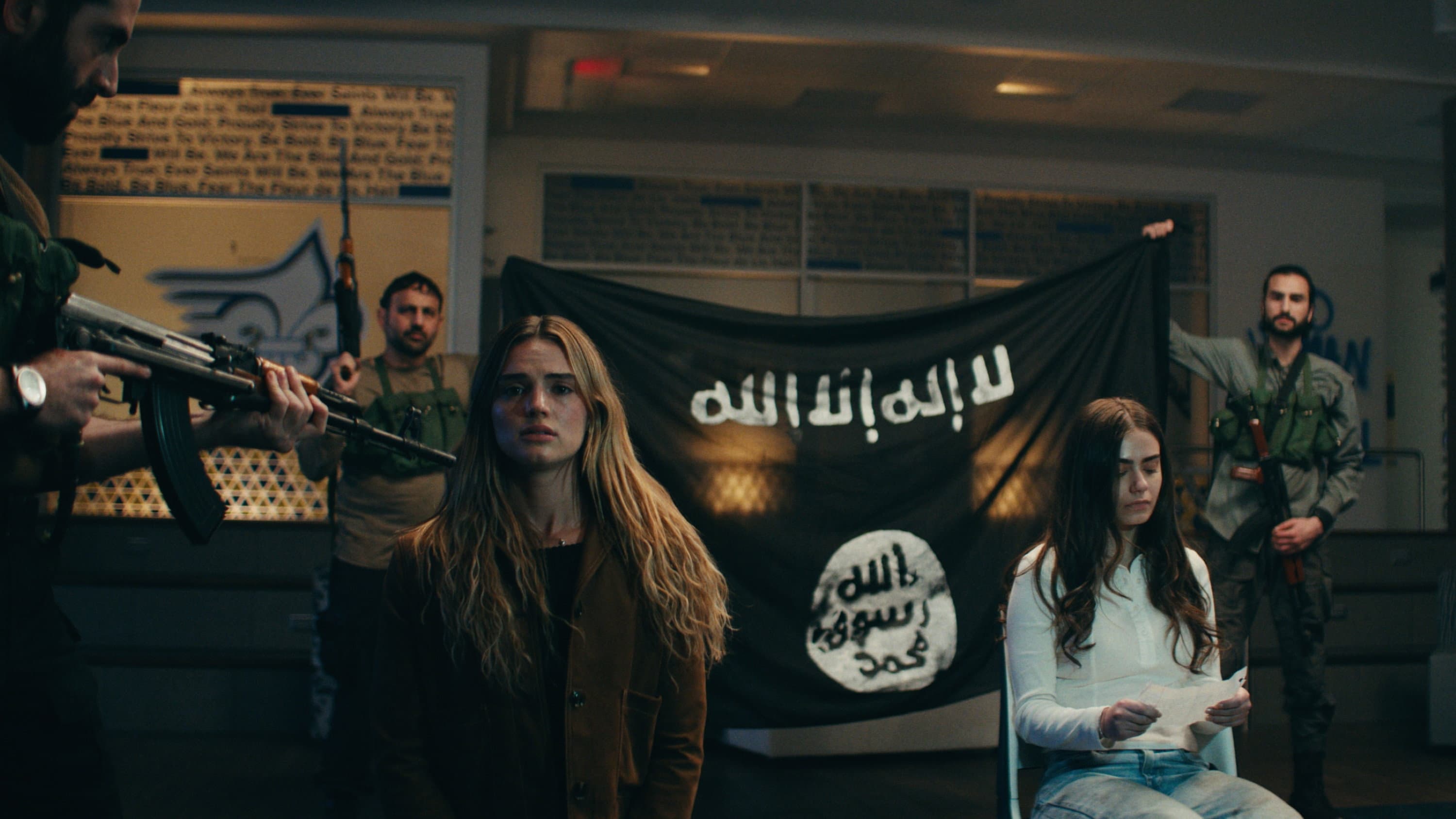
As Ethan, Rensen delivers a performance that is more physically demanding than emotionally transcendent. He’s believable as a man in physical agony, staggering through the bunker with a grim determination. But the deeper psychological despair - the guilt, the fear of becoming a monster - is often left to the audience to infer. We see him staring at a radio, we see him wincing in pain, but we rarely feel the true terror of his situation. The film’s third act, which hinges on that crackling radio voice, should be a cathartic release. Instead, it feels like a muted sigh, a resolution that arrives without the necessary groundwork to make it land. The religious extremism subplot, featuring James Crompton, feels particularly underbaked, a cheap and distracting source of conflict rather than a meaningful exploration of the film’s themes.
Pros & Cons
Pros
- A unique, melancholic approach to the post-apocalyptic genre that prioritizes psychological tension over action.
- Strong, atmospheric cinematography that effectively captures the beauty of the greenhouse and the claustrophobia of the bunker.
- Michiel Rensen’s committed, physically demanding lead performance carries the film’s middle act.
- The core premise offers a fresh twist on familiar survival tropes.
Cons
- The pacing is relentlessly slow, often confusing stillness with genuine suspense.
- The script is heavy on exposition and light on organic character development.
- Underdeveloped supporting characters make the central themes of loneliness and betrayal feel hollow.
- The religious subplot is a distracting misfire that adds little to the narrative.
Rating Breakdown
Final Verdict
After Impact is a film that will likely find a small, appreciative audience among those who prefer their science fiction slow, somber, and cerebral. It is an admirable attempt to tell a different kind of survival story, one where the monster is not the asteroid or the marauders, but the crushing weight of solitude. Yet, its inability to flesh out its world and its characters leaves it feeling more like a somber, unfinished sketch than a fully realized portrait of a man on the brink. It’s a quiet film, but not a memorable one.
Cast

Michiel Rensen
Ethan
Maxie Li
Jessie
Riki Antonievich
Jack
Will Clague
Connor
Stephanie Ramlose
Elle
Lee-Ann Dirks
Sophie
James Crompton
Religious Member
Moehau Hodges-Tai
Desmond

Lisa Zhang
Madeline

Karlton Laing
Phillip

David Tiko
John
Carolyn Deng
Brie Harrison
Gallery
Similar Movies


Related Reviews


Advertisement
160×600
Right Ad