Alfonso Cuarón has spent the past quarter-century building one of the most eclectic filmographies in modern cinema, but ask him about the two years he devoted to a boy wizard and his voice softens. The Mexican filmmaker, who directed 2004's Harry Potter and the Prisoner of Azkaban, the third entry in the blockbuster series, told a packed audience this week that the experience remains one of the great joys of his professional life.
"Two of the most beautiful years of my life," Cuarón said, reflecting on a production that arrived at a pivotal moment in his career. He described the shoot as a rare gift: the chance to work at scale with a creative family he came to cherish, while still making a film that felt personal.
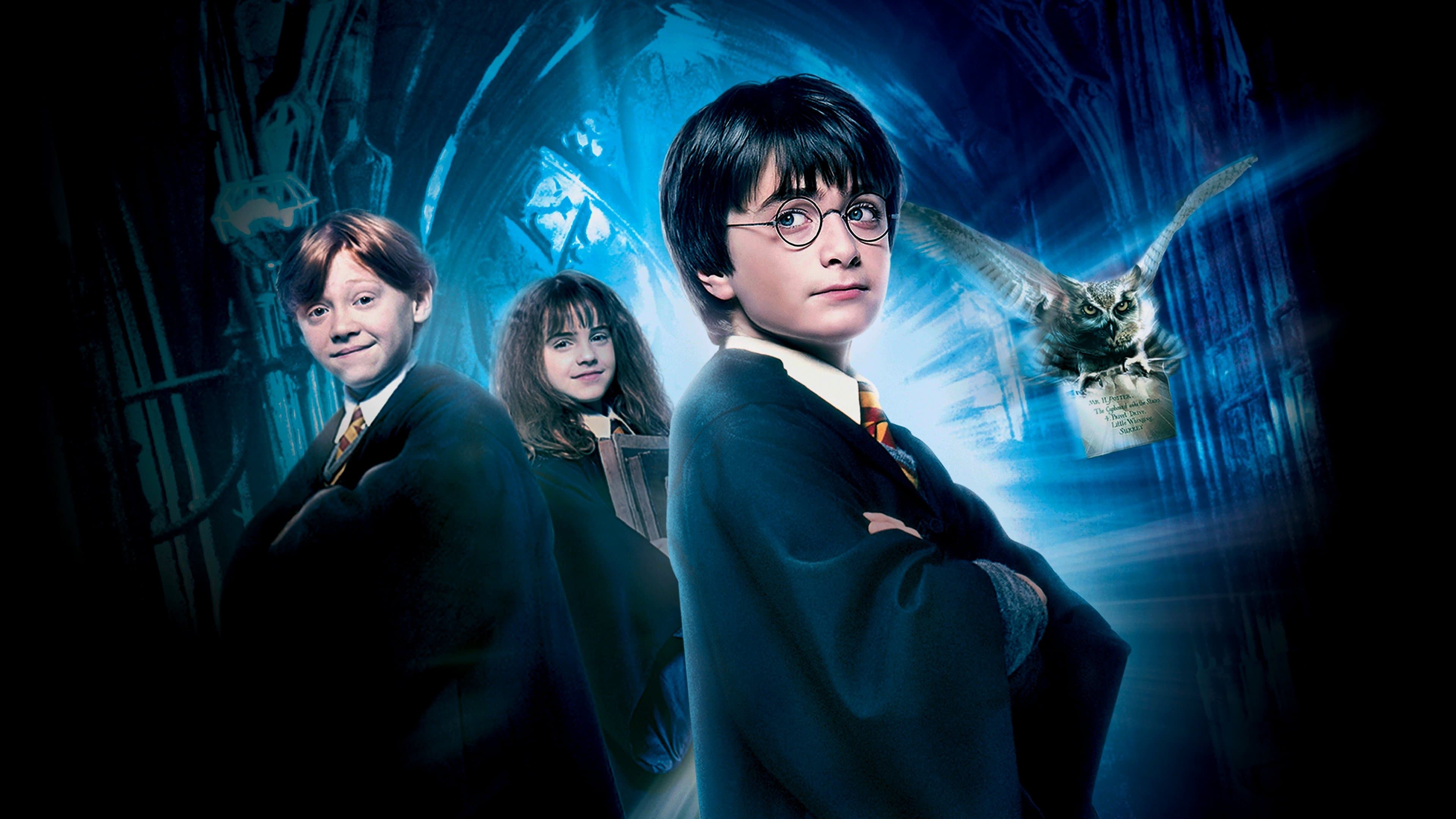
The director's comments came during a wide-ranging onstage conversation, and they landed with particular resonance for a franchise that has now outlived its original theatrical run by more than two decades. Cuarón took the reins from Chris Columbus, who had launched the series with 2001's Harry Potter and the Sorcerer's Stone. That first film, released on November 16, 2001, ran 152 minutes and introduced Daniel Radcliffe as Harry, Rupert Grint as Ron Weasley and Emma Watson as Hermione Granger, alongside Richard Harris as Albus Dumbledore, Alan Rickman as Severus Snape, Robbie Coltrane as Hagrid, Maggie Smith as Professor McGonagall and Tom Felton as Draco Malfoy.
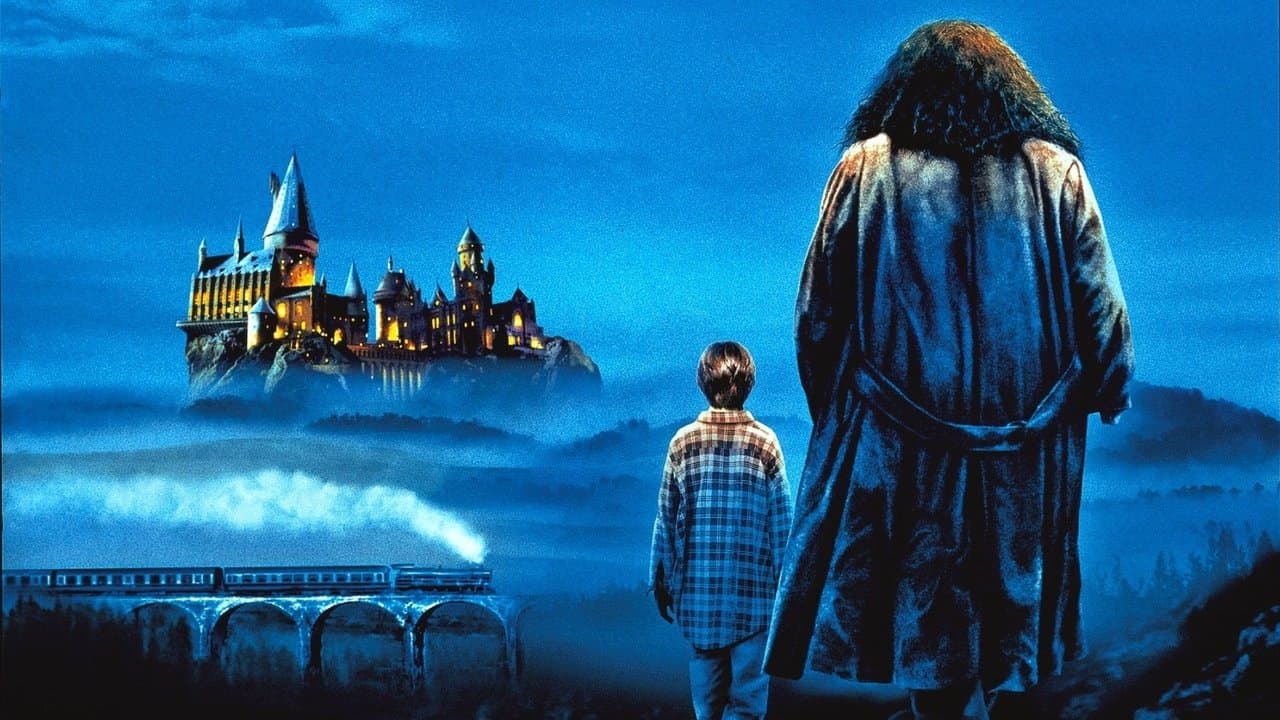
The premise remains as sturdy as ever: Harry has spent his childhood under the stairs at his aunt and uncle's house, only to learn on his eleventh birthday that he is a wizard, with a place waiting for him at Hogwarts School of Witchcraft and Wizardry. As he learns to harness his powers with the help of the school's kindly headmaster, he uncovers the truth about his parents' deaths and the villain responsible. The blend of adventure and fantasy struck a chord immediately, and the numbers have held up remarkably well - a 7.904/10 rating on TMDb and a 7.7/10 on IMDb, scores that would flatter most new releases.
A Different Kind of Blockbuster
What makes Cuarón's affection for the job notable is how unusual it was for a director of his sensibility to take it. Before Azkaban, he was known for intimate, restlessly shot dramas; after it, he would go on to make Children of Men, Gravity and Roma. The Potter assignment sat squarely between those poles, and by his own account it taught him lessons about scale, collaboration and stamina that no smaller film could have.
He has spoken before about the freedom he felt on set, and about the young cast - Radcliffe, Grint and Watson were still teenagers during production - as collaborators rather than curiosities. The warmth in his recollection is not the standard promotional boilerplate. It reads as genuine, and it helps explain why Azkaban is often singled out by critics and fans as the installment that gave the series its visual and emotional vocabulary.
A Franchise That Keeps Reflecting
Cuarón's reappraisal also arrives at a moment when the Wizarding World is being re-examined from every angle. A television adaptation is in development, the original films remain a fixture of streaming libraries, and the generation that grew up with them now watches with their own children. When a director of Cuarón's stature calls his time on the series formative, it complicates the lazy assumption that franchise filmmaking is merely a career detour.
For Hollywood, the takeaway is simpler. The Potter films were never just a licensing engine; they were a training ground for some of the most distinctive filmmakers of their era, and Cuarón is the loudest witness to that. He did not offer specifics about what he would change or revisit, and he was careful not to overstate his role in the saga's larger arc. He simply described two years of hard, happy work - and left it at that.
That may be the most revealing thing of all. In an industry that treats every greenlight as a battle and every sequel as a negotiation, a director looking back on a tentpole production with unqualified fondness is its own kind of headline. Cuarón got to make a Harry Potter film. By his telling, he would do it again tomorrow.
Source: Hollywood Reporter