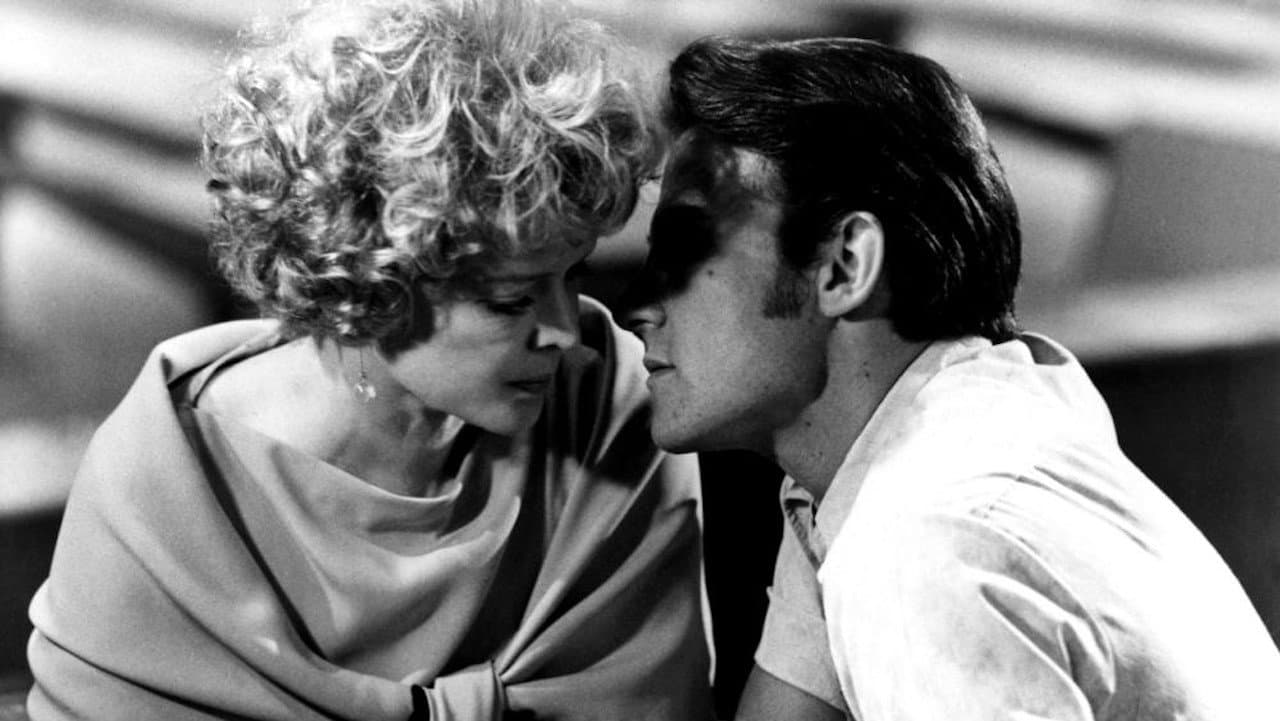
Ellen Burstyn has weathered decades of Hollywood transformations, but one of the most surreal validations of her craft came not from a critic or an award jury - it came from a ghost of cinema past. In a new conversation about her storied career, the legendary actress recalled a moment when she felt personally "recognized" by Marilyn Monroe, a strange and moving intersection of two very different Hollywood eras.
The encounter, as Burstyn tells it, wasn't a literal meeting - Monroe died in 1962 - but rather a spiritual or perceptual acknowledgment that has stayed with the actress. Speaking about the weight of being seen by an icon who defined a certain kind of stardom, Burstyn described the experience as both humbling and uncanny. While the details of how this recognition manifested remain impressionistic, the emotional resonance was clear: to be noticed by Monroe, even in an indirect or symbolic way, felt like an acceptance into a pantheon of women who had fought to be more than the images projected onto them.
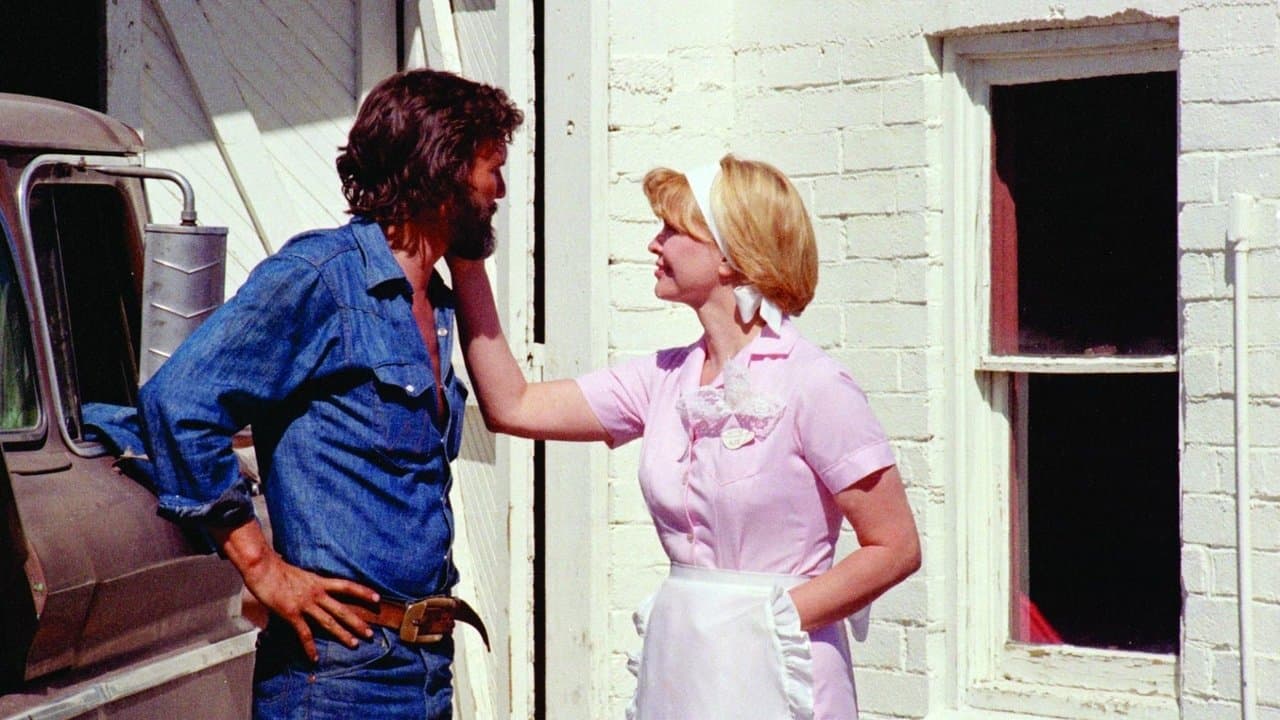
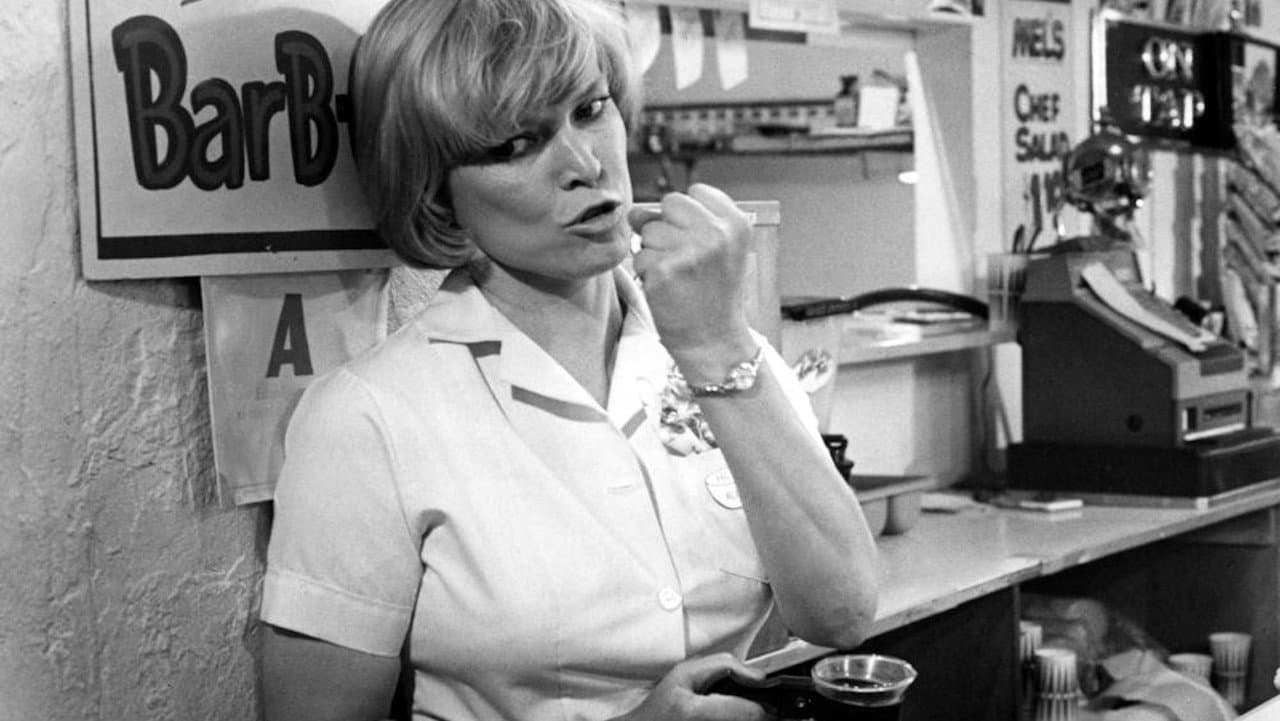
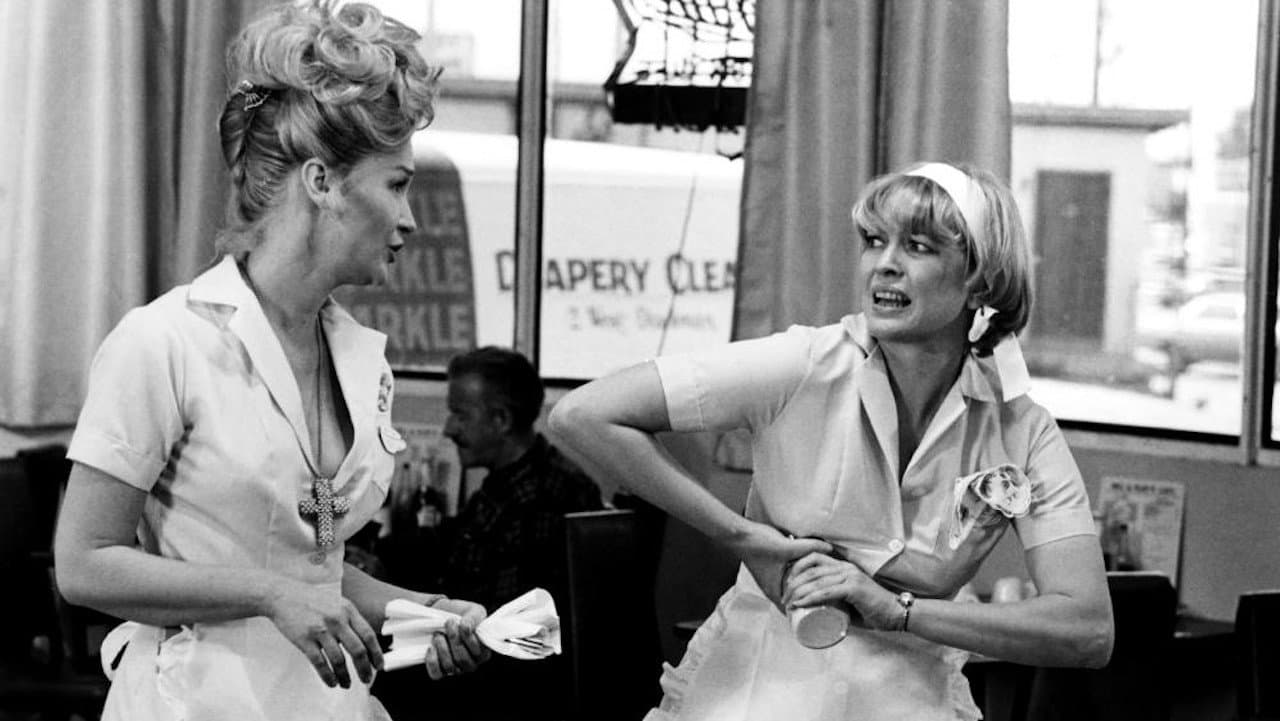
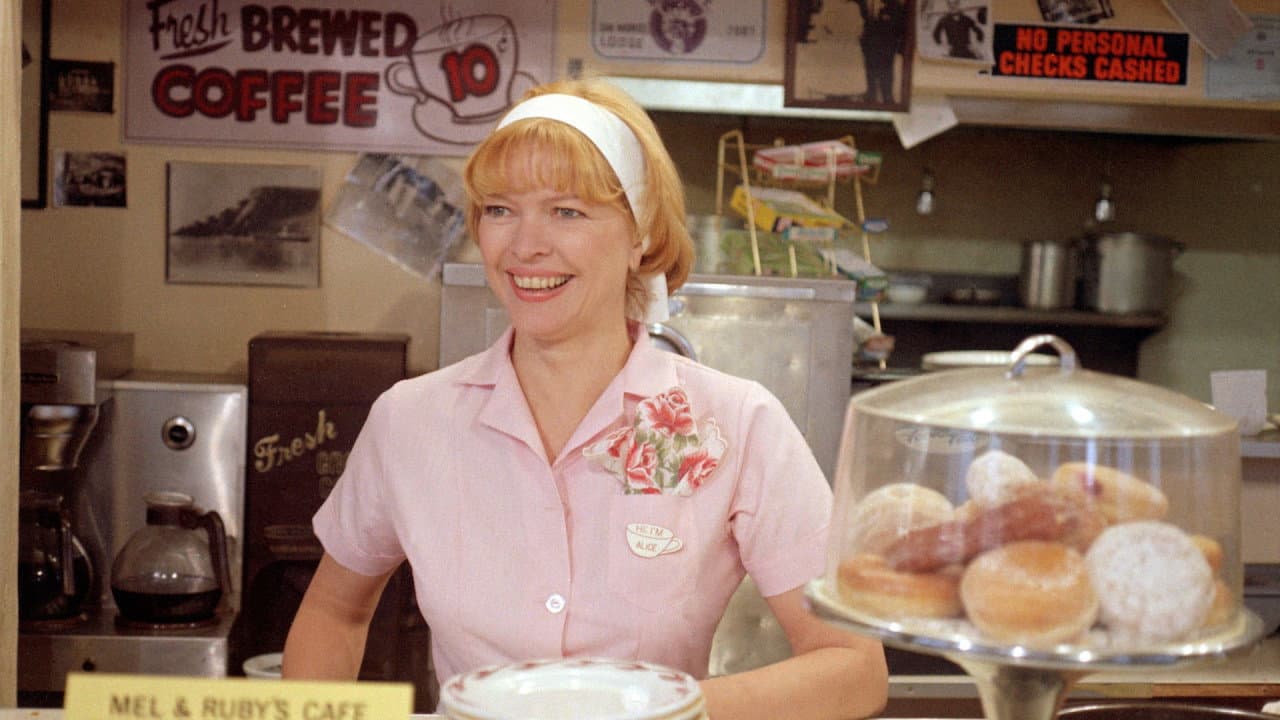
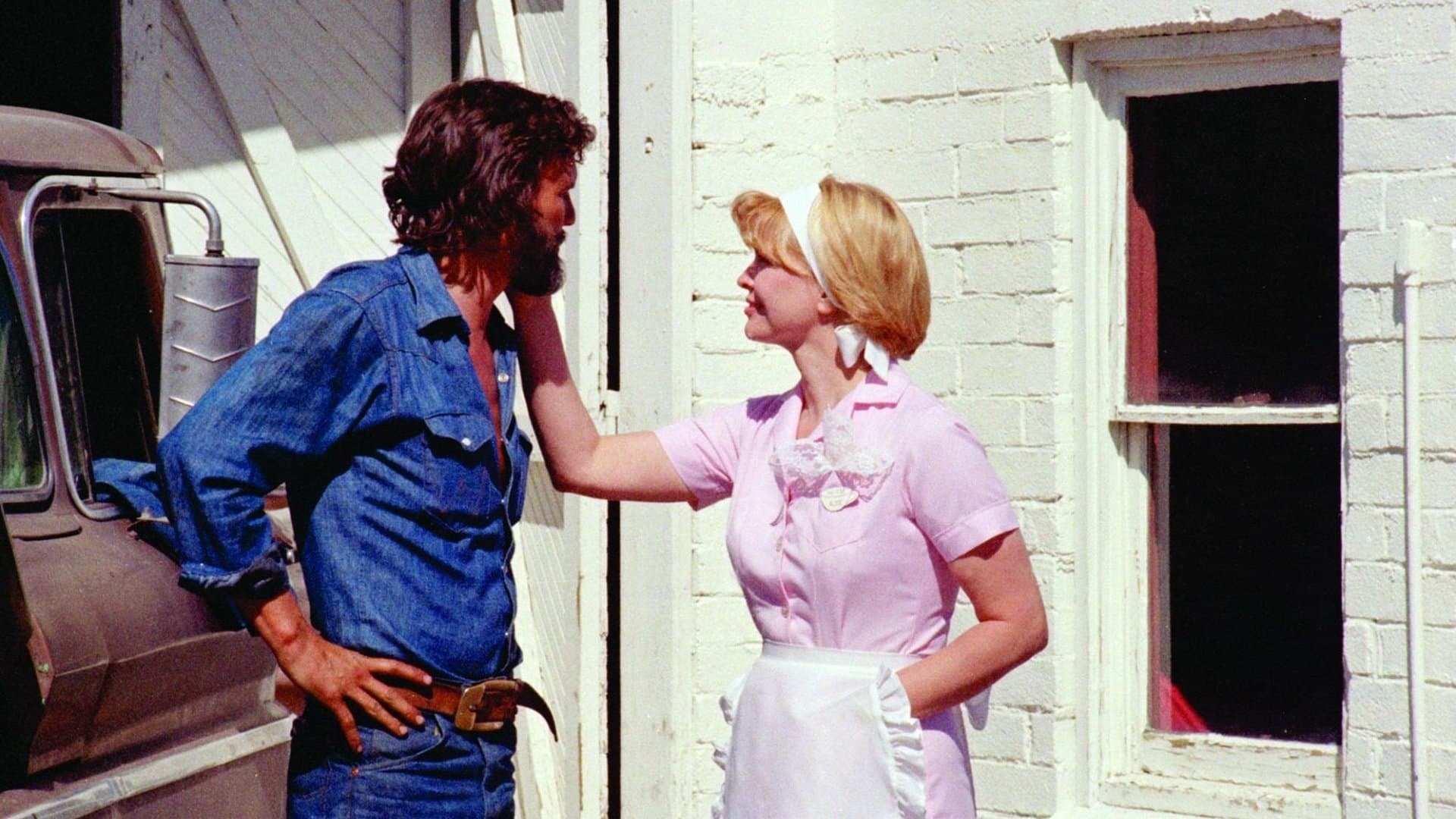
That theme of reclamation is central to Burstyn's legacy, particularly through her landmark role in Martin Scorsese's 1974 film Alice Doesn't Live Here Anymore. The movie, which premiered on December 9, 1974, and runs 112 minutes, tells the story of Alice Hyatt, a widow who leaves her small New Mexico town with her young son, Tommy. Her original plan is to reach California and revive her dreams of being a singer, but financial realities force the pair to settle in Arizona. There, Alice takes a job as a waitress in a small diner, and the film becomes a poignant drama about survival, motherhood, and the hard-won negotiation of a new identity.
Burstyn, who stars as Alice Hyatt, has long argued that the role represented a turning point for how women could be portrayed on screen. The film arrived at a moment when the American film industry was beginning its slow reckoning with second-wave feminism, and Scorsese's direction allowed for a female protagonist who was neither a mere love interest nor a tragic figure defined solely by her losses. Alice is tired, frayed, sometimes funny, and deeply real - a woman whose interior life drives the narrative as much as any romantic plot.
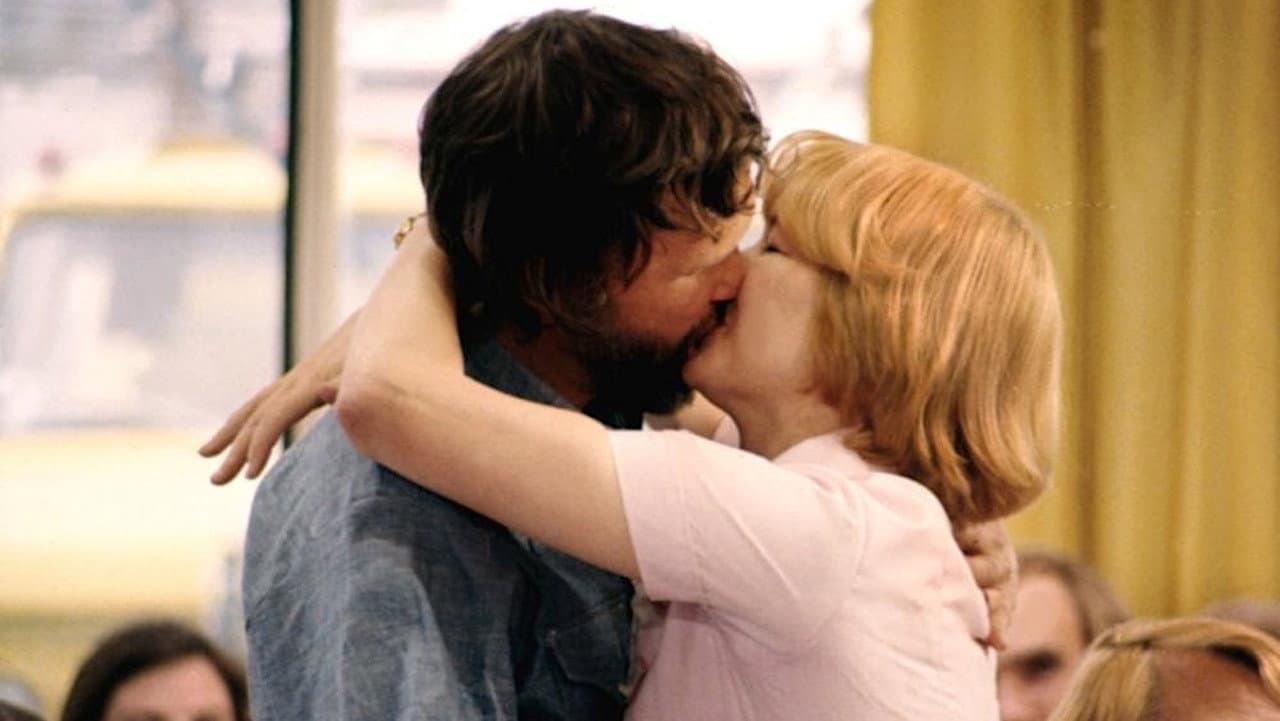
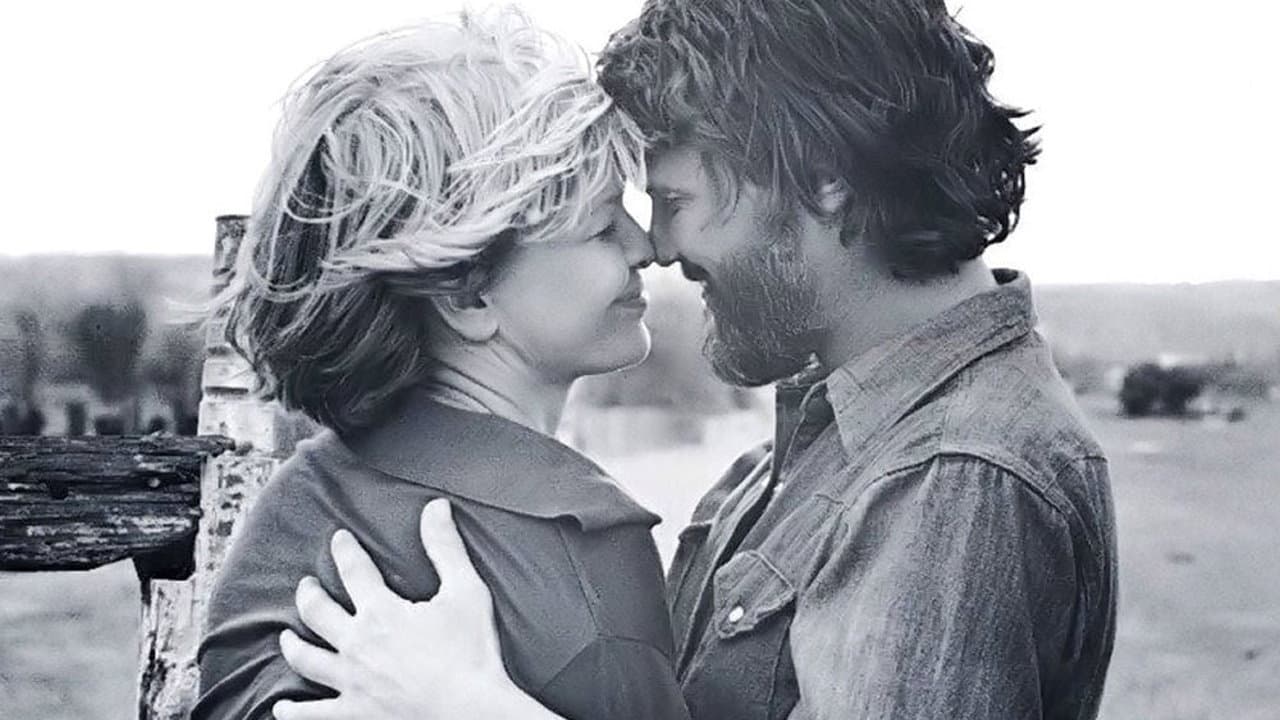
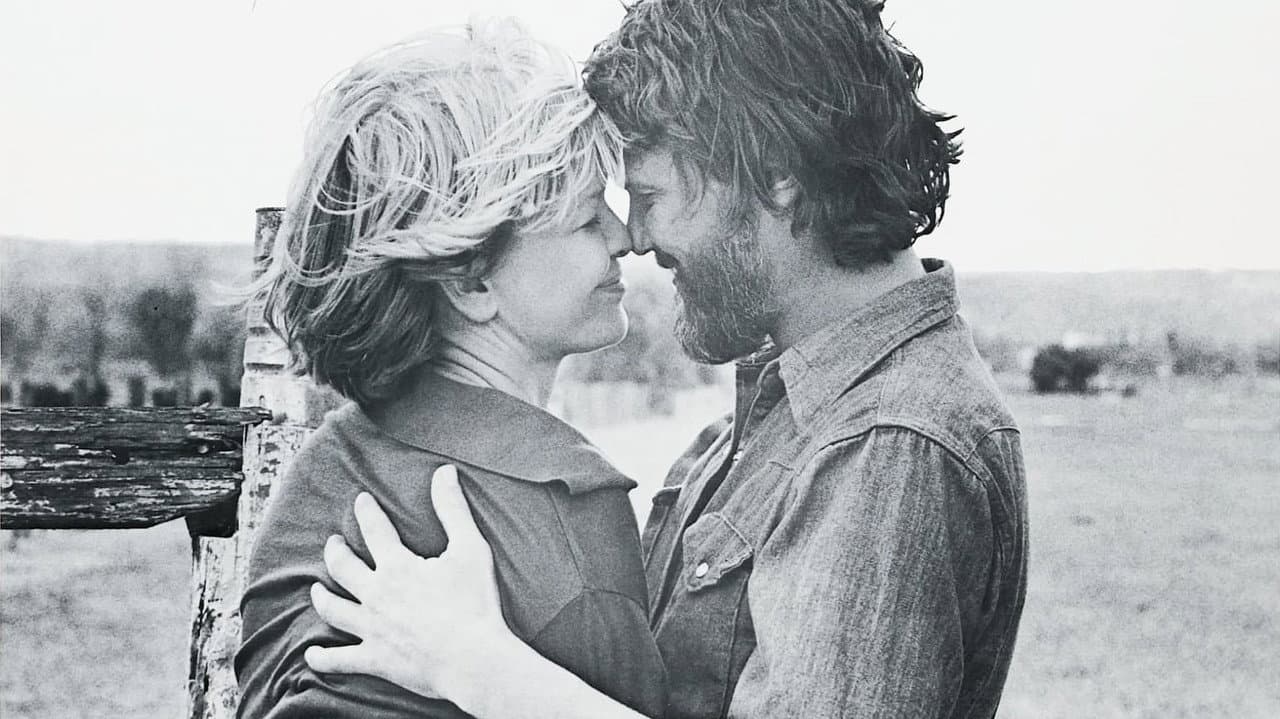
The cast around Burstyn elevates the texture of that world. Alfred Lutter plays Tommy, her precocious and often exasperating son; Kris Kristofferson appears as David, a rancher who enters Alice's orbit; and Harvey Keitel brings menace and volatility to her romantic entanglements. Diane Ladd shines as Flo, the diner coworker who becomes an unlikely ally, while a young Jodie Foster appears as Audrey, one of the children in Alice's social milieu. Lelia Goldoni and Billy Green Bush round out the ensemble, with the latter playing Donald Hyatt, Alice's late husband. Scorsese, working from a script by Robert Getchell, balances kitchen-sink grit with moments of warm, almost anarchic humor.
For Burstyn, the significance of Alice Doesn't Live Here Anymore extends beyond its enduring TMDb rating of 6.966/10, a solid but hardly stratospheric score. The film's historical weight lies in how it opened doors for other complex female characters. Before Alice, women in similar stories were often steered toward melodrama or saintly suffering. Burstyn's performance insisted that a woman could be the center of her own story without being punished for it - and without having her desires or ambitions treated as secondary to the men around her. The movie's blend of romance and drama, set against the dusty landscapes of the American Southwest, gave her a canvas broad enough to explore contradiction.
The Marilyn Monroe connection, while ethereal, also speaks to that dichotomy. Monroe was an icon trapped in her own image, a woman whose intelligence and ambition were frequently overshadowed by the persona Hollywood built for her. Burstyn, by contrast, came of age in an industry that was just beginning to let women age, stumble, and lead without apology. To feel recognized by Monroe, in whatever form that took, suggests a passing of the torch between two figures who understood the price of visibility.
Burstyn has remained a formidable presence in the decades since, collecting accolades and continuing to take on challenging parts into her nineties. But Alice Doesn't Live Here Anymore remains the touchstone of her advocacy for richer female roles. She has often remarked that the film's title could serve as a declaration for an entire generation of women - no longer willing to live in the margins of their own lives. That message, delivered with equal parts grit and grace, has proven timeless.
As Hollywood continues to reckon with questions of representation and legacy, Burstyn's reflections offer a reminder that progress in film is often carried by individual performances that shift the possible. Whether in a diner in Arizona or in the quiet recognition of an icon's approving gaze, her work has always been about being seen - not as a symbol, but as a person. That, perhaps, is the deepest kind of recognition any actor can hope for.
Source: Hollywood Reporter