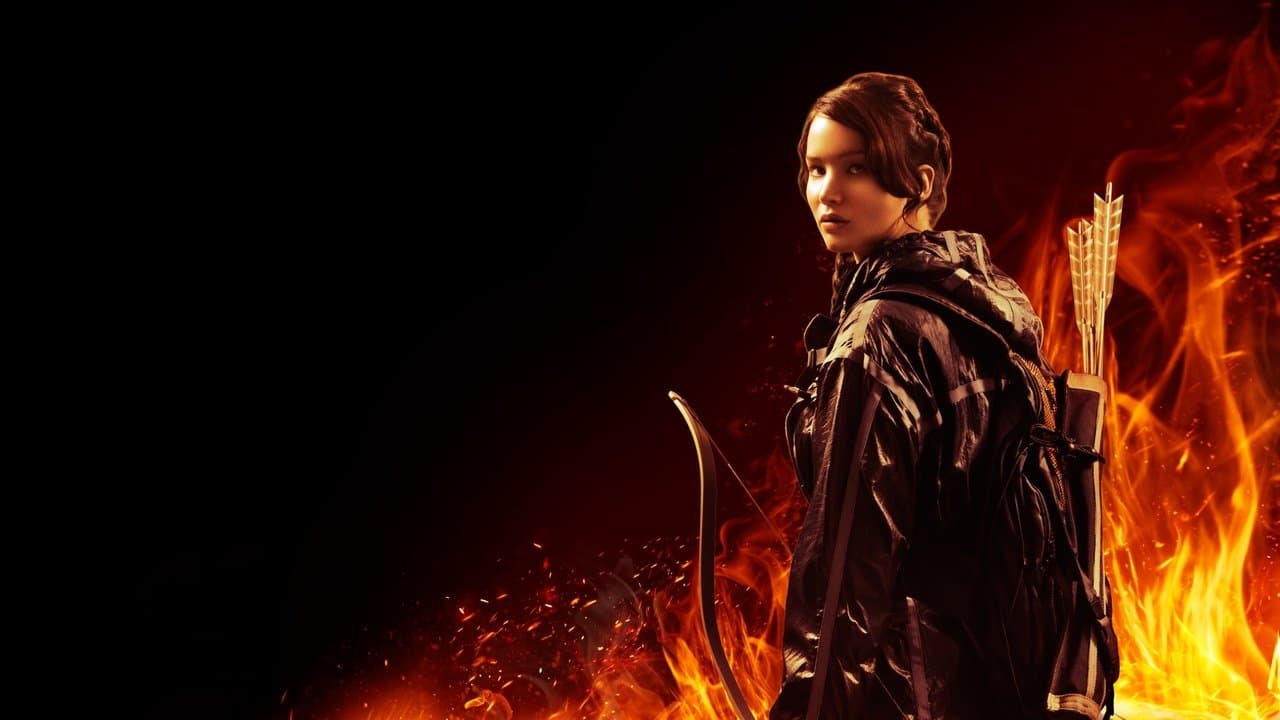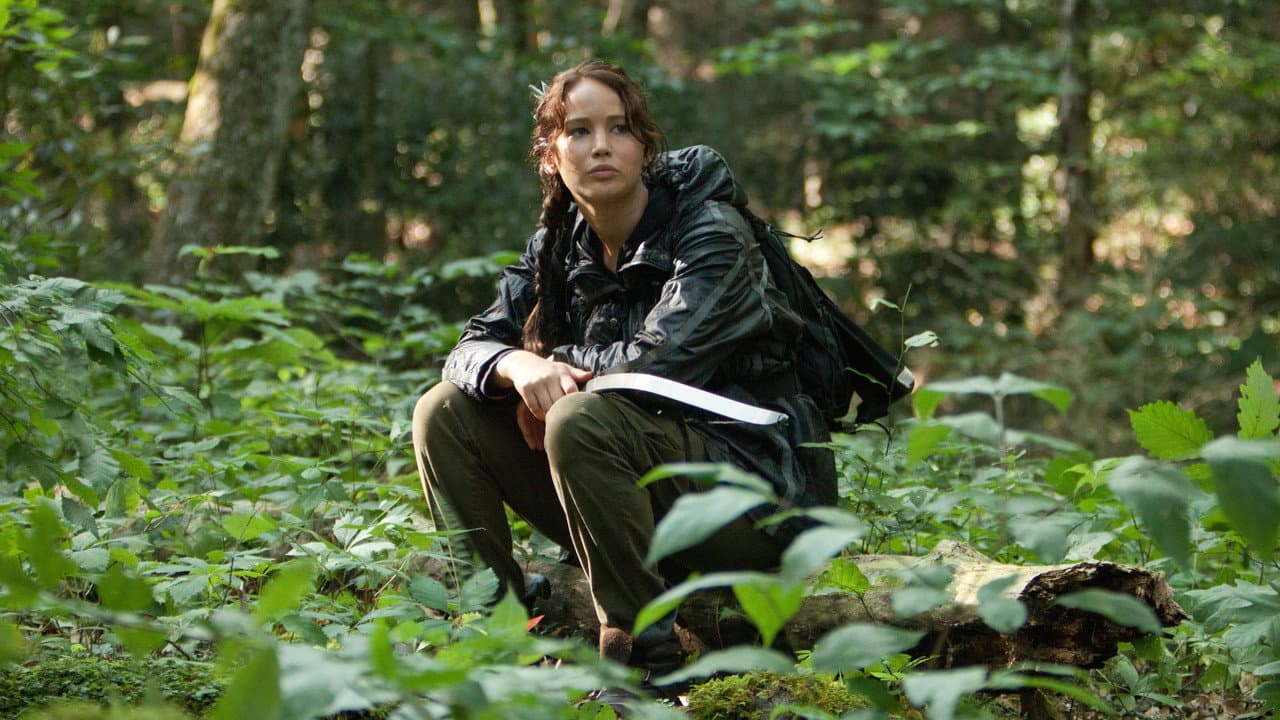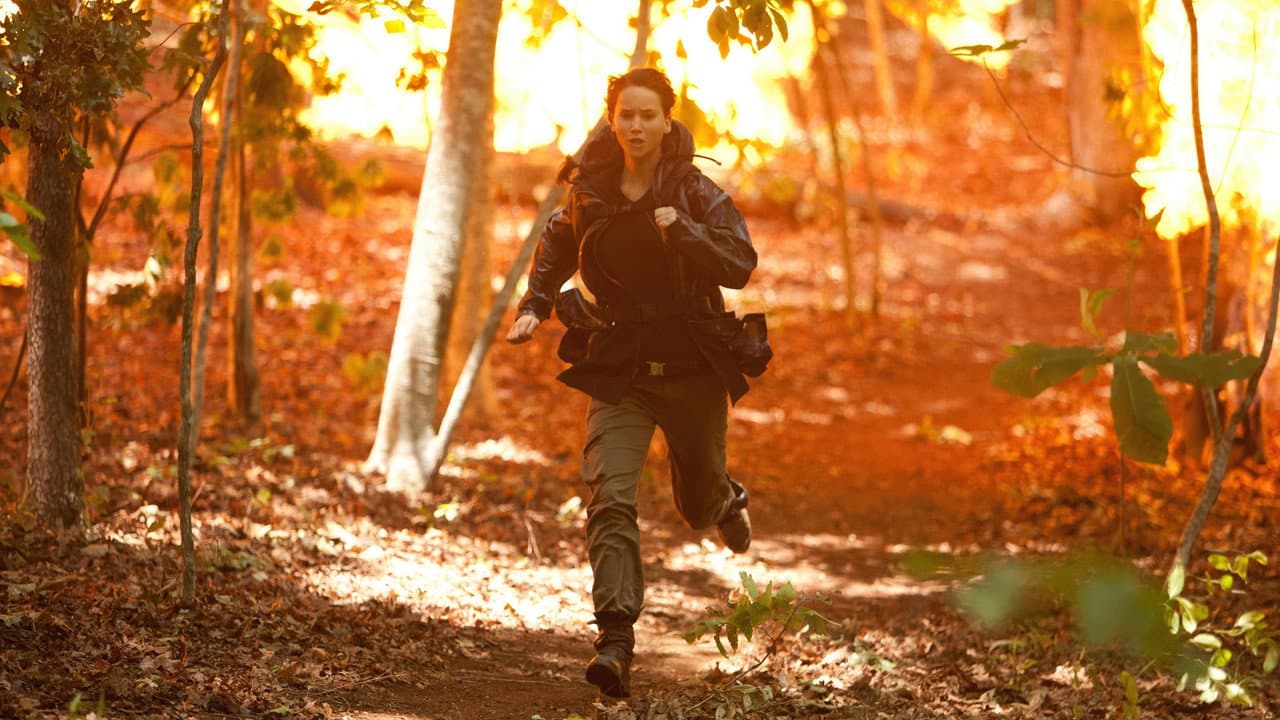
For the first time since the franchise began, all five films in The Hunger Games saga will be available to stream at no cost to subscribers, a move that gives newcomers and longtime fans alike a single destination to revisit the dystopian saga in full. The complete collection lands on the platform this month, marking a notable shift for a series that has spent years scattered across various rental and subscription services.
The original film, released on March 12, 2012, introduced audiences to Panem, a dystopian society where the Capitol forces each district to send two young tributes to fight to the death in a televised spectacle. The story follows a girl who volunteers to take her sister's place, setting the stage for a struggle of survival and defiance. Directed by Gary Ross, the film runs 142 minutes and carries a TMDb rating of 7.223 out of 10.
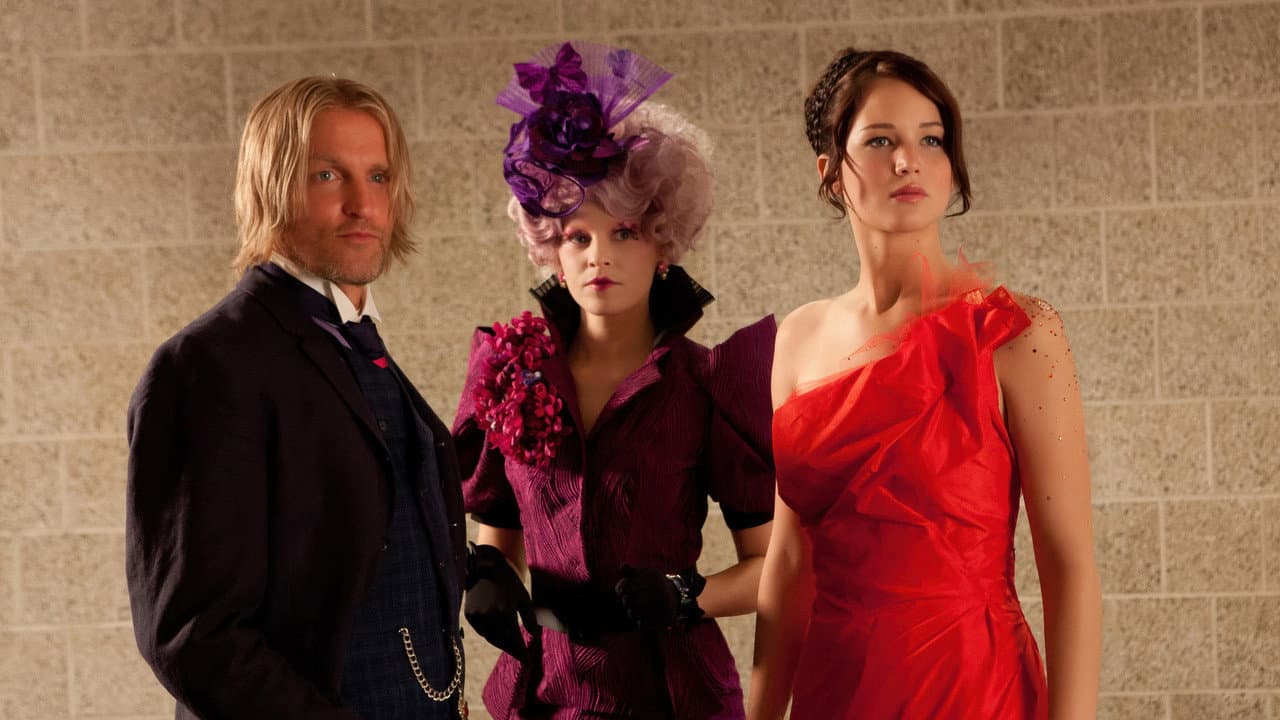
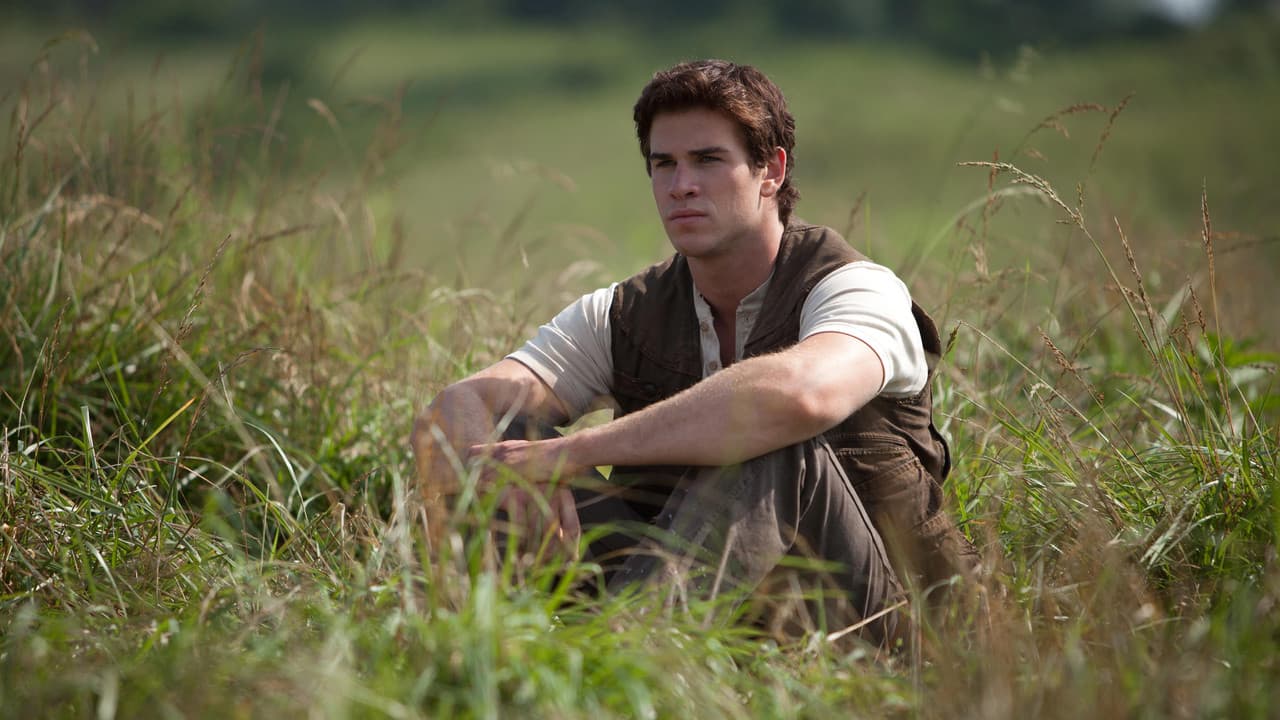
Jennifer Lawrence leads the cast as Katniss Everdeen, the archer whose act of self-sacrifice becomes the spark for something far larger than a single games. She is joined by Josh Hutcherson as Peeta Mellark, Liam Hemsworth as Gale Hawthorne, Woody Harrelson as Haymitch Abernathy, Elizabeth Banks as Effie Trinket, Lenny Kravitz as Cinna, Stanley Tucci as Caesar Flickerman, and Donald Sutherland as President Coriolanus Snow. The ensemble helped turn a young-adult novel adaptation into a genuine cultural phenomenon.
Spanning science fiction, adventure, action, and thriller, the series built its reputation on propulsive set pieces and a bleak political undercurrent. The first installment's original language is English, and it remains a Hollywood production through and through.
A Back Catalog That Has Been Hard to Find in One Place
The franchise's streaming history has been fragmented. Rights have shifted among services over the years, and at various points subscribers could find one or two entries available while the rest sat behind a paywall or were absent entirely. That patchwork approach frustrated viewers who wanted to watch the series in order, particularly as the release of later installments and the more recent prequel renewed interest in the original run.
Making all five films free simultaneously is a meaningful gesture, though it is also a familiar one. Streaming platforms have increasingly leaned on established, nostalgia-friendly libraries to keep subscribers engaged as content costs rise and churn remains stubborn. The Hunger Games fits that strategy neatly. The films are expensive to produce but already paid for, recognizable across multiple age groups, and built for the kind of binge-watching that keeps a service's daily active users climbing.
For the platform, the math is simple: a complete saga is more enticing than a partial one. A viewer who has to hunt down three separate subscriptions to finish a series is a viewer who may simply give up, and a viewer who gives up is one less reason to keep paying. Consolidating the collection removes that friction entirely.
Why the Series Still Resonates
More than a decade after Katniss volunteered in District 12's reaping, the franchise's central tension - a powerful elite extracting spectacle from the suffering of the powerless - has lost none of its bite. The films arrived at a moment when young-adult dystopian fiction dominated both shelves and screens, and they outlasted most of their contemporaries. Much of that durability rests on Lawrence's performance. She anchored the series with a wariness that kept the movies from tipping into pure spectacle, even as the Capitol's pageantry grew more elaborate with each chapter.
The supporting cast deserves credit as well. Harrelson's weary, cynical Haymitch and Sutherland's quietly menacing Snow gave the story a moral weight that a lesser adaptation might have flattened. Banks turned Effie's absurdity into something almost touching, while Kravitz's Cinna provided the saga's warmest presence. These were not throwaway roles, and the films treated them accordingly.
There is also the matter of timing. The Hunger Games helped prove that a female-led action franchise could carry a massive budget and a global marketing campaign, a fact that feels less remarkable now than it did in 2012. Its success opened doors, even if Hollywood has been slow to walk through them.
What the Release Means for Viewers
For anyone who missed the series in theaters or fell off after the first film, the full-saga release offers an easy entry point. Watching all five in sequence takes roughly twelve hours of screen time, and the platform is presumably betting that a meaningful number of subscribers will do exactly that. The original remains the most self-contained of the bunch, but the later entries build on its political groundwork in ways that reward a continuous viewing.
The films will be available to stream at no additional cost, meaning no rental fee and no premium tier. That is a straightforward pitch: the entire saga, in one place, on the house. Whether it draws back lapsed fans or converts curious newcomers, it is the kind of back-catalog play that streaming services rarely get to make with a franchise this size.
For now, the reaping is open to everyone.
Source: Hollywood Reporter