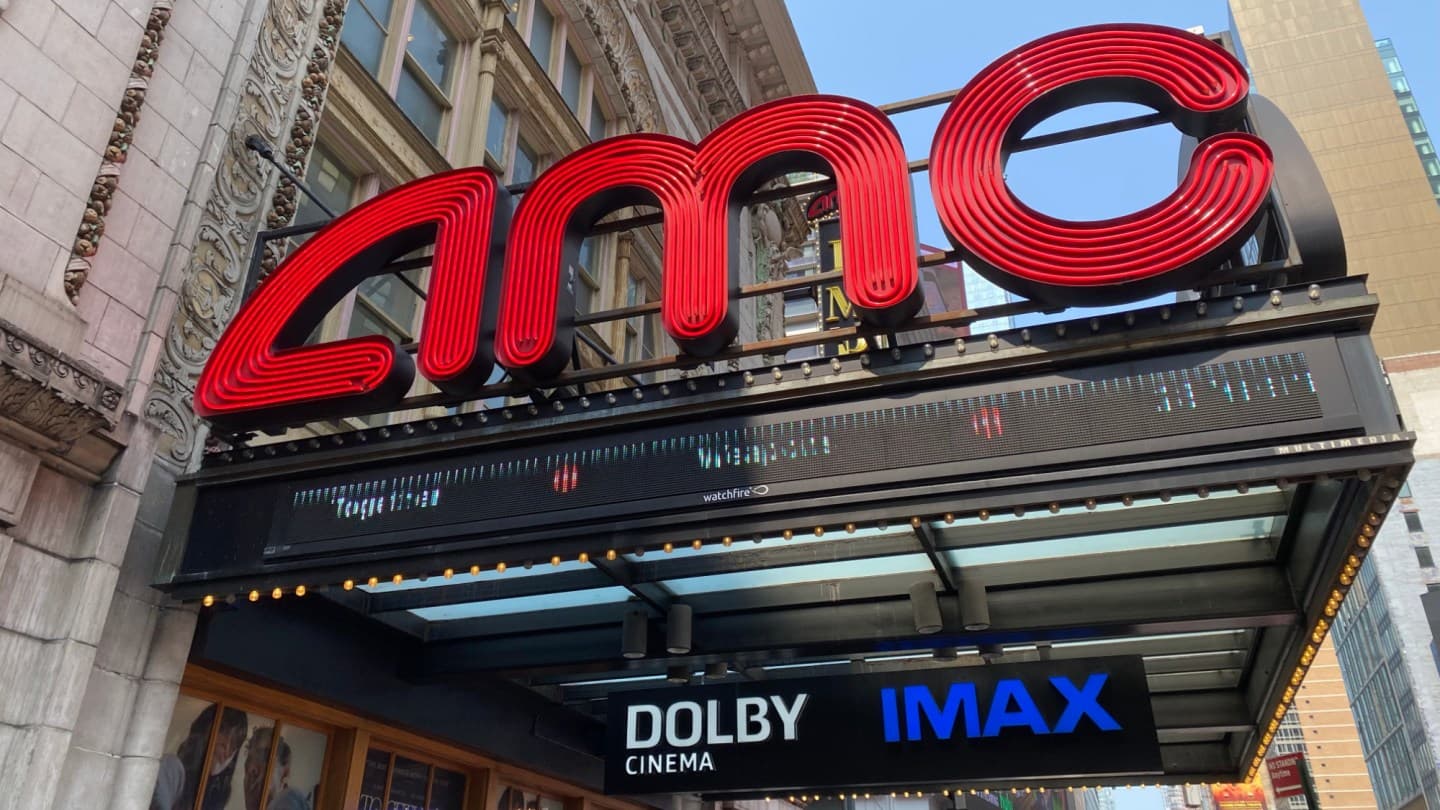
AMC Entertainment is making a strategic pivot toward the world of independent and specialty cinema, announcing a new venture designed to bring smaller, art-house, and mid-budget films into its vast network of theaters. The move, which has been rumored for weeks, signals a significant shift for the largest movie theater chain in the world, long associated with blockbuster spectacles and franchise tentpoles. By dedicating screens to more intimate fare, AMC appears to be betting that audience demand for diverse storytelling can fill seats that might otherwise sit empty between major releases.
The new initiative, structured as a distinct arm within the company, will focus on acquiring and distributing films that traditionally might have struggled to secure wide theatrical runs. Rather than simply booking these titles as a favor to independent distributors, AMC will now take a more hands-on role, potentially from acquisition through exhibition. This vertical integration is a bold gamble, but one that analysts say could reshape the theatrical landscape if executed successfully. The company has not released specific financial details, nor has it named a slate of films, but the announcement makes clear that the operation is designed to be a sustainable, ongoing business line rather than a one-off experiment.
At the heart of this strategy is a recognition that the theatrical marketplace has changed. Superhero movies and big-budget sequels still dominate the conversation, but they no longer carry the same guarantee of box office gold they once did. Meanwhile, smaller films - character-driven dramas, foreign-language features, documentaries, and quirky comedies - have found it increasingly difficult to secure screens in an era when multiplexes favor spectacle. AMC’s new venture aims to bridge that gap, leveraging its scale to give these films the kind of rollout that was once reserved for studio releases. For filmmakers who have struggled to get their work in front of audiences beyond a handful of arthouse cinemas in major cities, this could be a lifeline.
The company’s approach appears to be two-fold. On one side, AMC will actively court independent producers and sales agents, offering them a direct pipeline to the chain’s more than 600 locations nationwide. On the other, it will partner with existing distributors, stepping in as a co-publisher or even taking over distribution duties entirely for select titles. This flexibility is key, as it allows the new venture to adapt to the specific needs of each film rather than forcing a one-size-fits-all model. Industry insiders suggest that AMC is also exploring a revenue-sharing arrangement that would be more favorable to producers than traditional distribution deals, though no such terms have been publicly confirmed.
The Strategic Shift for Exhibition
This is not merely about filling empty screens; it is a calculated response to the evolving habits of moviegoers. Post-pandemic, audiences have become more selective, with many choosing to wait for streaming releases of mid-tier films rather than venturing out to the theater. By curating a lineup of smaller, critically acclaimed titles, AMC hopes to create a sense of event around films that might otherwise be overlooked. The theory goes that a compelling drama or a thought-provoking documentary, given a proper theatrical push, can generate word-of-mouth momentum that no algorithm can replicate. And with premium large-format screens, recliners, and enhanced food and beverage options already in place, AMC is well-positioned to turn a modest film into a destination experience.
There is also a defensive element to the move. The theatrical window - the period of exclusivity between a film’s release in cinemas and its availability on streaming - has been shrinking. By controlling more of the content it shows, AMC can better manage that window, potentially holding smaller films in theaters for extended runs if they perform well, rather than losing them to VoD platforms after just a few weeks. This gives the chain more leverage in its relationships with traditional studios, while also building a library of content that could eventually find value in ancillary markets.
Reactions From the Independent Film Community
Early responses from the independent film world have been cautiously optimistic. Many producers and directors have long complained about the difficulty of getting screens, with major chains often reserving their auditoriums for guaranteed crowd-pleasers. AMC’s new venture is seen as a potential game-changer, particularly for films that might have secured a premiere at a festival but floundered when it came to finding a distributor willing to take a chance on a wide theatrical run. However, some remain wary, concerned that a corporate giant moving into the arthouse space might squeeze out smaller, independent distributors who have been the traditional stewards of this niche.
The move also comes amid broader consolidation in the exhibition industry. With competitors facing financial struggles, AMC’s aggressive diversification could give it a commanding advantage. If the venture proves successful, it may not take long for other chains to follow suit, potentially leading to a reshaping of how independent films are sold to the public. For now, though, all eyes are on AMC as it prepares to roll out its first titles, with industry observers eager to see whether the gamble pays off. The company has yet to announce a timeline for its first releases, but with the fall festival season already underway, it would not be surprising to see the venture’s initial slate take shape in the coming months. In the meantime, filmmakers and distributors alike are watching closely, hopeful that this marks the beginning of a new era for cinema’s middle class.
Source: Hollywood Reporter