Andrea Eastman, the influential casting director who helped shape the look of American cinema in the 1970s and later became a powerful talent agent, has died. She was 86.
Eastman’s career spanned a transformative era in Hollywood, bridging the gap between the old studio system and the auteur-driven renaissance of the New Hollywood movement. While her most enduring legacy is tied to one of the most celebrated films ever made, her impact was felt far beyond the casting couch, as she spent decades advocating for actors and redefining how directors and studios found their stars.
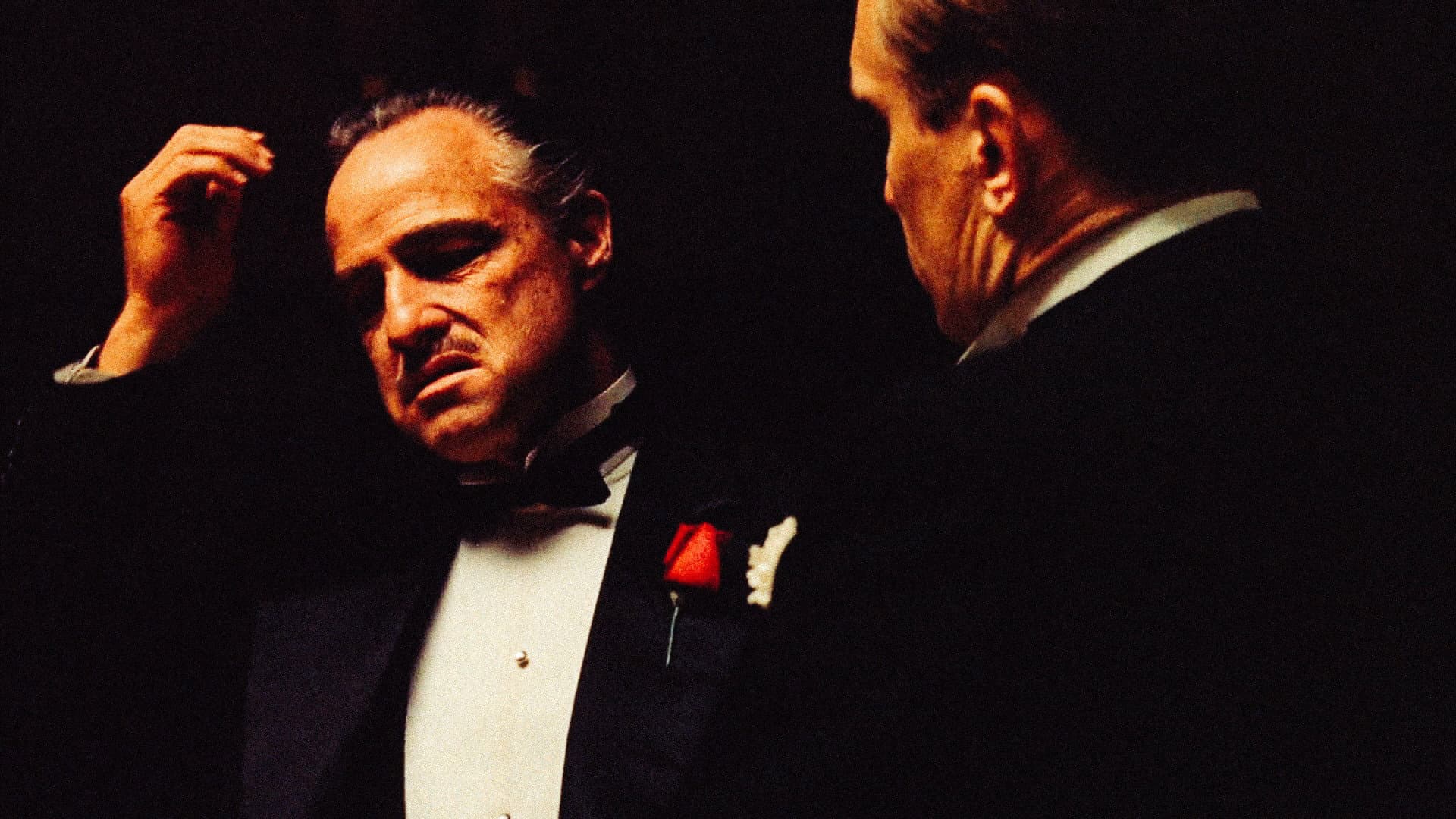
Her most defining professional moment came when she was tasked with populating the sprawling, operatic world of Francis Ford Coppola’s The Godfather. The film, a sweeping saga of crime and family, required a staggering number of roles, from major leads to dozens of character parts that needed to feel authentic and lived-in. Eastman's meticulous approach during casting went beyond simple star-power; she had a knack for spotting performers who could embody a specific ethnic and emotional truth, an essential trait for a film set within the tight-knit Italian-American community of New York. Her work on the epic mob drama, which premiered in 1972, is widely considered a benchmark in the craft, proving that casting could be as crucial to a film's success as its screenplay or cinematography. She was instrumental in helping Coppola find the mix of established actors and near-unknowns that gave the film its raw, gritty texture, and the performances that resulted are still studied and admired today.
Following her work on The Godfather, Eastman leveraged her deep understanding of performance into a new challenge on the other side of the table. She joined International Creative Management (ICM), one of the industry's major talent agencies, where she transitioned from picking actors for films to championing their careers. As an agent, she became known for her fierce loyalty and her sharp, intuitive eye for potential. Her clients weren’t just actors looking for work; they were artists seeking guidance, and Eastman was known for her ability to maneuver them through a volatile business with both firmness and compassion. In an industry often criticized for its short-term thinking, she played the long game, building careers with a strategic patience that earned her the respect of both her colleagues and the filmmakers who had once been her clients on set.
Throughout her tenure at ICM, Eastman became a bridge between two generations of Hollywood. She had learned the craft of filmmaking from the ground up, and she applied that knowledge to her role as an agent. She knew what a director needed on a set, and she could speak the language of the art department as easily as she could the language of a contract negotiation. This dual perspective made her a rare figure - one who could advise a producer on a casting conundrum and then turn around to guide an actor through the tricky waters of career choices. Her colleagues often described her as a consummate professional whose word was her bond, a quality that felt increasingly rare in an era of aggressive deal-making.
Her death marks the passing of a true industry artisan. In an era where celebrity is often manufactured and fame is fleeting, Eastman’s work was about longevity and substance. She belonged to a generation of casting directors who were just evolving from being "the help" to being recognized as key creative collaborators. By the time she moved to ICM, she had already helped legitimize the role, proving that the person who chooses the cast is often the unsung hero of a movie’s success.
Eastman's later years were quieter, but her influence remained pervasive. Many of the casting directors working in Hollywood today considered her a mentor, either directly through her work or through the standards she set. Her dedication to her craft and her commitment to the artistry of the actor never waned. She leaves behind a filmography that includes, most notably, a masterpiece, but more importantly, she leaves behind a blueprint for how to treat actors with respect and how to build a cinematic world that feels wholly real.
She is survived by family and a legacy that is, quite simply, unforgettable. In the annals of Hollywood history, her name may not be as instantly recognizable as the directors she worked with, but the faces she put on screen - the very soul of those stories - will ensure that Andrea Eastman is never forgotten. She was a quiet architect of one of cinema's greatest triumphs, and her passing is a profound loss to a community that owes her an immense debt of gratitude.
Source: Hollywood Reporter