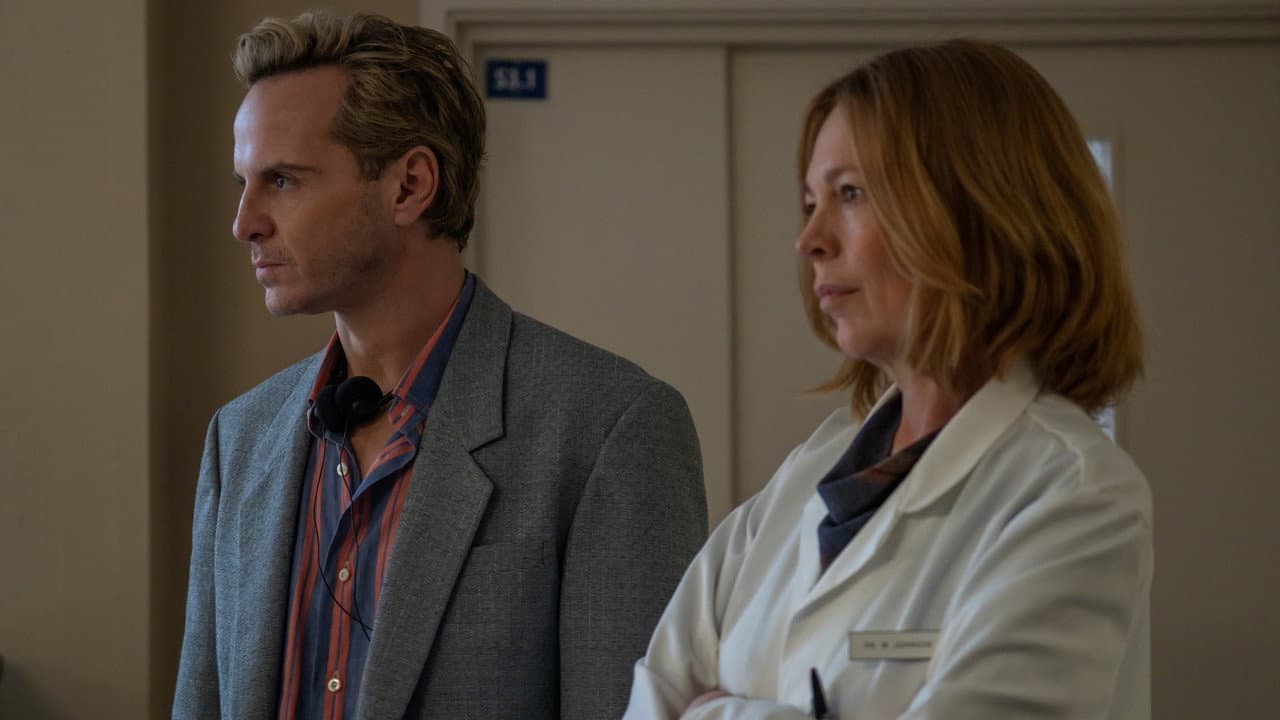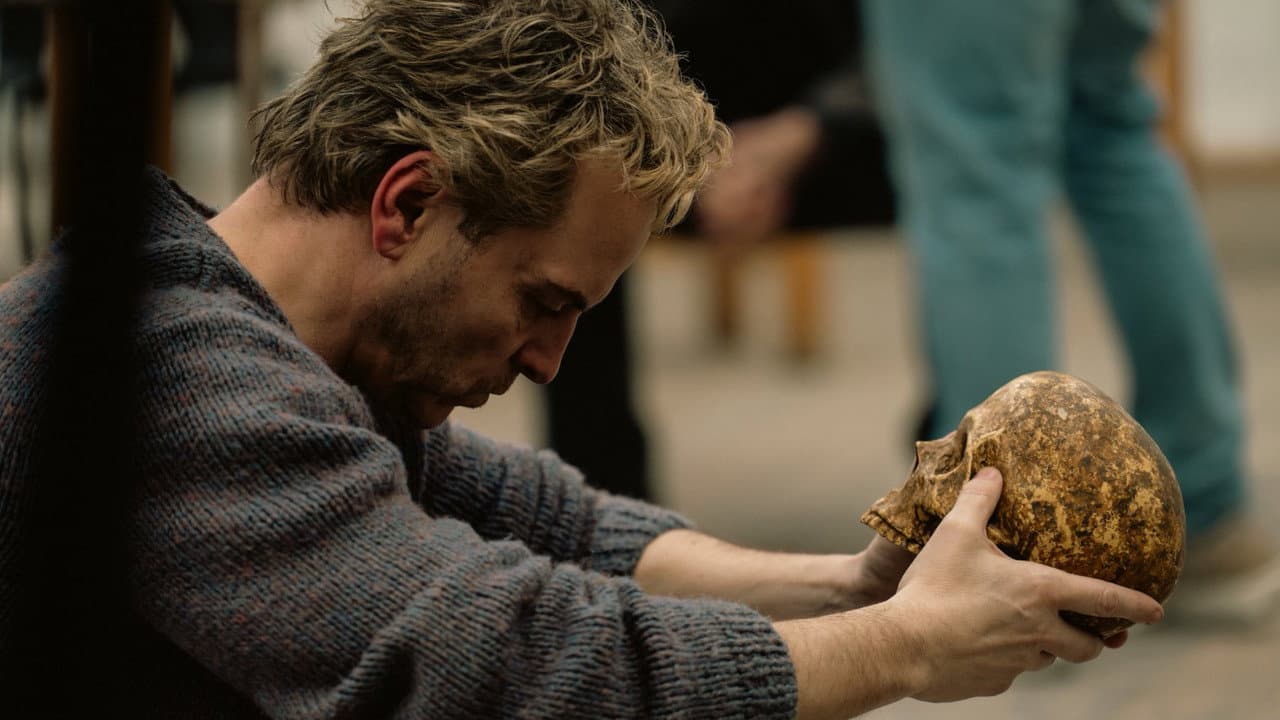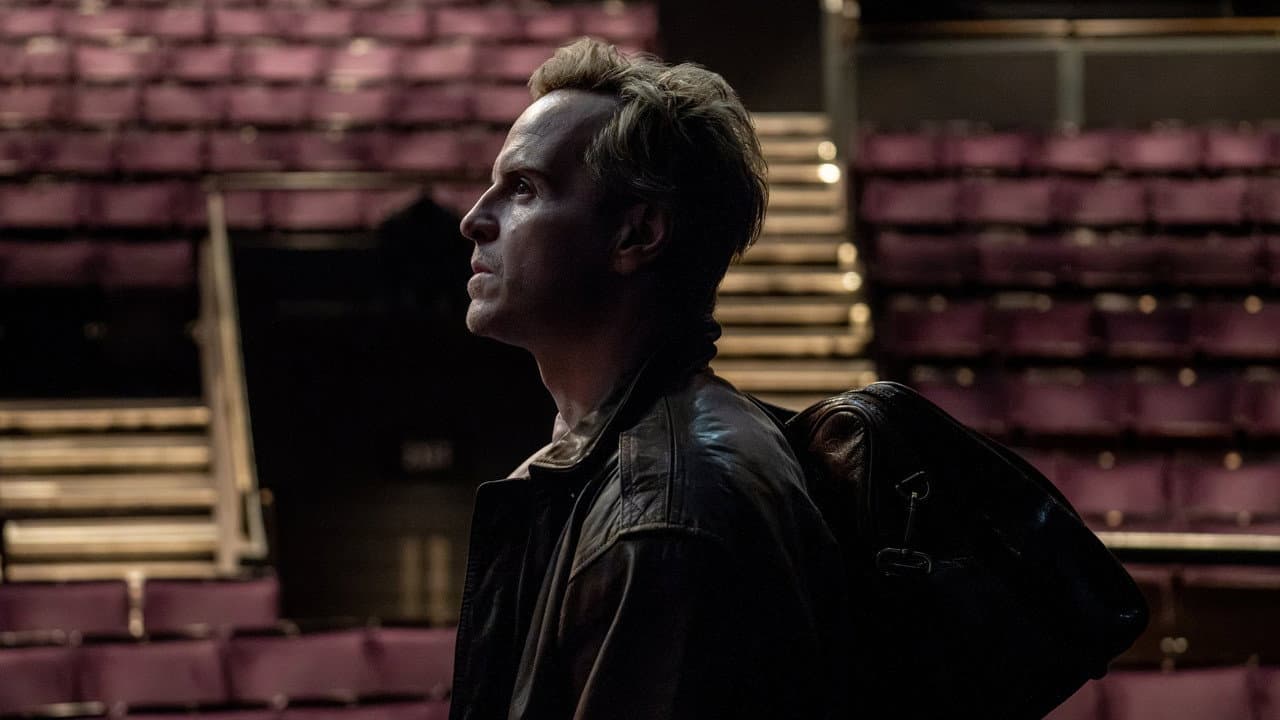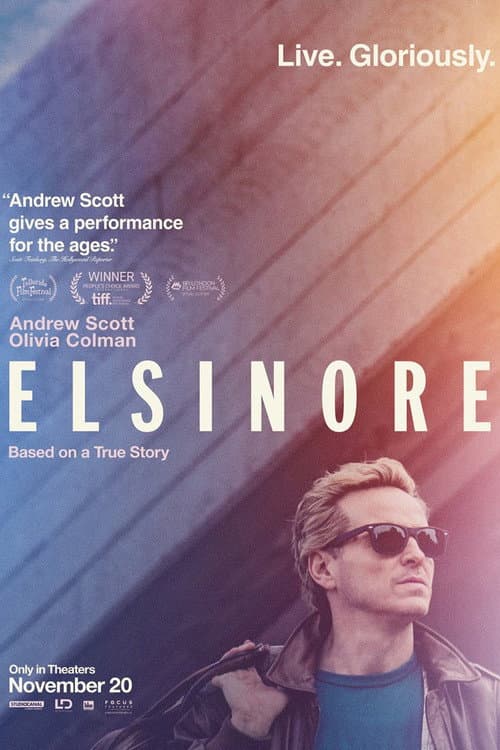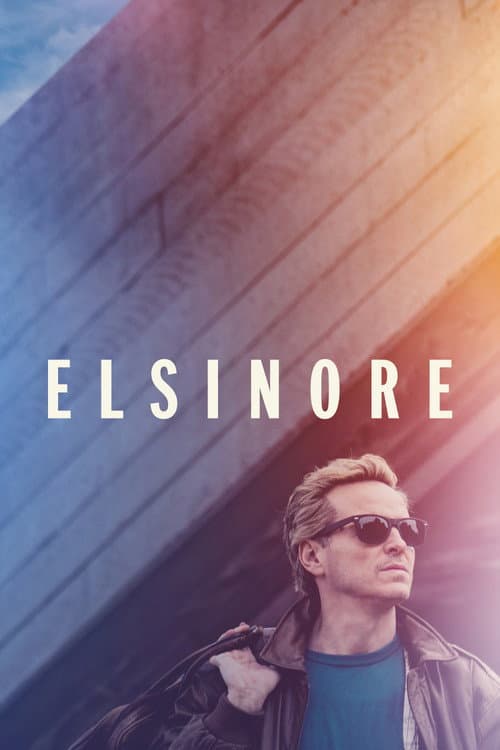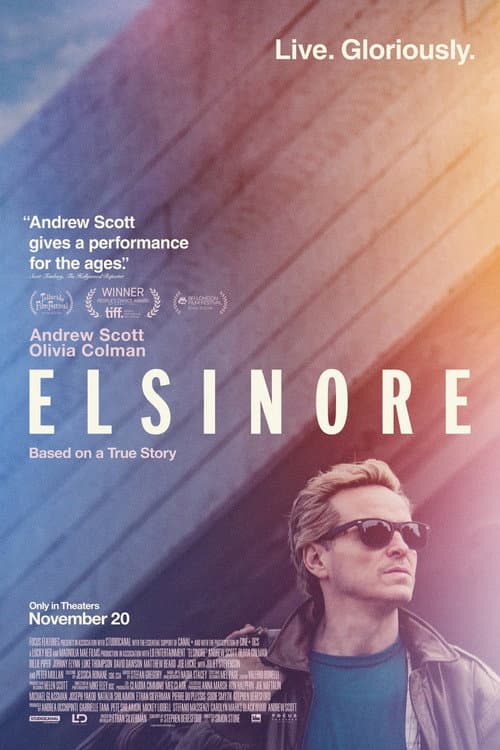
Andrew Scott has emerged as a serious contender in the Best Actor race following the first wave of festival buzz from Telluride, where his performance in the drama Elsinore has drawn immediate and intense awards-season attention. The film, directed by Simon Stone and slated for a November 20 release, is now widely seen as a pivotal player in the upcoming Oscar conversation, with Scott’s transformative work anchoring the project’s critical momentum.
Elsinore tells the real-life story of Ian Charleson, a gifted actor whose terminal illness becomes the backdrop for a final, emotionally resonant stage performance. Rather than a conventional biopic, the narrative focuses on Charleson’s response to his own mortality - approached with honesty, wit, and a refusal to sentimentalize his plight. In the film, Charleson’s courage on stage and in his private life turns his last months into an unexpected source of strength for colleagues, friends, and audiences, framing his illness not as tragedy but as a testament to artistic commitment. The title nods to the actor’s celebrated turn in a major Shakespearean production, and the story reportedly weaves that professional milestone with his personal reckoning.
The project carries significant pedigree beyond its lead. Olivia Colman appears as Margaret Johnson, with Billie Piper, Johnny Flynn, Luke Thompson, David Dawson, Matthew Beard, and Joe Locke rounding out a deep ensemble that includes figures from Charleson’s theatrical and social circles. Simon Stone, the Australian director known for aggressive, contemporary reworkings of classic texts and his film The Daughter, brings a sensibility that reportedly foregrounds raw emotion over period polish. The result, per early festival whispers, is a 104-minute character study that resists easy uplift, instead finding its power in small gestures and unflinching gazes.
What has elevated Scott’s performance in the conversation is not simply the degree of difficulty - portraying a real, beloved public figure facing death - but the approach. Festival observers have noted that Scott avoids broad theatrics, instead internalizing Charleson’s pain beneath a veneer of charm and professional discipline. The actor, known for his Emmy-nominated turn in Fleabag and his recent stage work in Vanya, has built a reputation for intellectual, emotionally volatile performances. In Elsinore, early reactions suggest he channels that volatility into a quiet, measured portrayal that lets the audience feel the gap between the performer’s public bravado and his private terror. That restraint, rather than any showy monologue or physical transformation, is what has pundits placing him in the top tier of the Best Actor race at this early stage.
The timing works in the film’s favor. A November release places Elsinore squarely in the awards corridor, when voters are actively screening prestige titles. Telluride has historically been a launchpad for Best Actor winners - past honorees like Colin Firth and Eddie Redmayne used the festival to build narratives that carried through to Oscar night. Scott’s established goodwill in the industry, combined with the emotional weight of the material, gives him a profile that could withstand the crowded field. The film’s distributor appears to be positioning it as a performance-driven vehicle, leaning on Scott’s visibility while letting the supporting cast - particularly Colman, who could factor into her own category - elevate the overall package.
Still, questions remain about how far the buzz will travel. Elsinore is a British-set story with an English-language cast, and its theatrical origins might read as modest compared to the grander scale of some rival contenders in the Best Picture conversation. Yet early evaluators have stressed that the film’s intimacy is its strength, not a limitation. Reviews from Telluride, while not yet public in full, are described as strongly positive, with specific praise reserved for Stone’s direction of the rehearsal and performance sequences, which apparently blur the line between Charleson’s stage role and his real-life drama. If that chemistry holds through wider release, the film could secure nominations beyond its lead, including adapted screenplay and supporting categories.
For Scott, the role represents a clear career peak. He has moved from stage-to-screen character parts into leading-man territory with deliberate pacing, and Elsinore offers him the kind of all-consuming, empathetic character that awards bodies often reward. The narrative of an actor facing his own end while summoning the courage to perform one last time is, inevitably, a story about acting itself - and Academy voters historically respond to films that frame performance as a form of truth-telling. Whether Elsinore can sustain this momentum through Toronto, the critics’ groups, and into winter nominee announcements depends on how the film lands with broader audiences, but for now, Scott has achieved something rare: a Telluride launch that immediately places him among the names to beat.
The next checkpoints are the film’s theatrical rollout and the inevitable screeners sent to voting bodies, but the initial signal is clear. Andrew Scott is no longer a dark horse. He is a frontrunner in an early field that will only grow more competitive as the season progresses.
Source: Hollywood Reporter