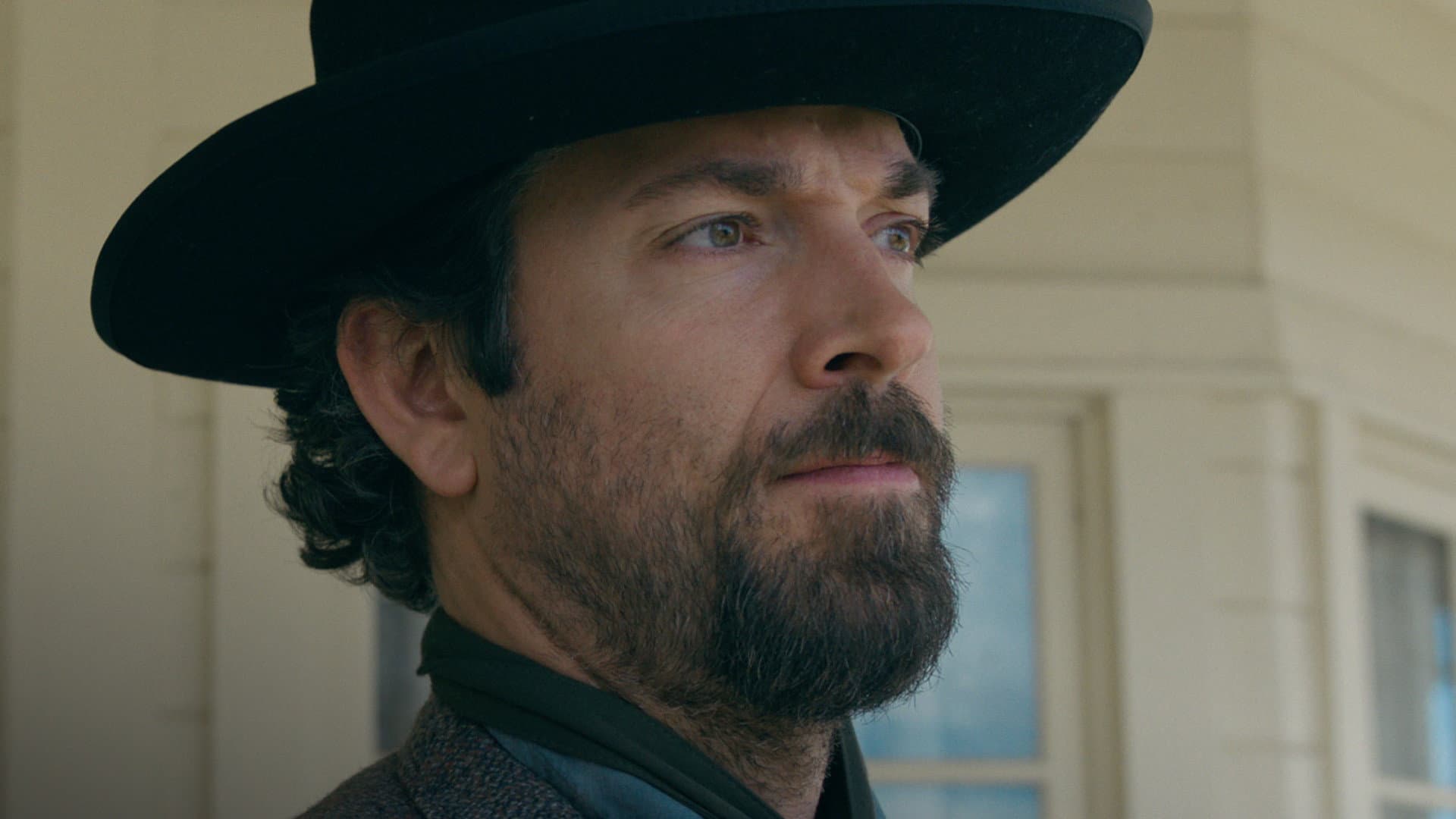
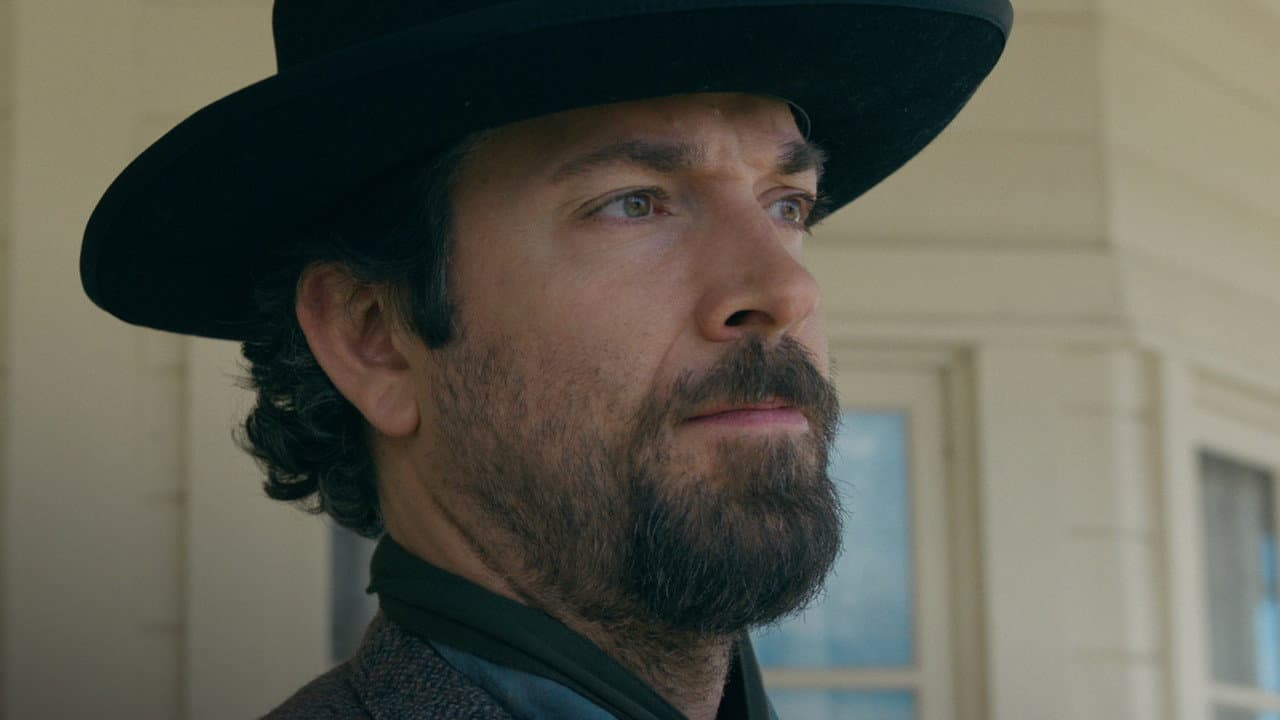
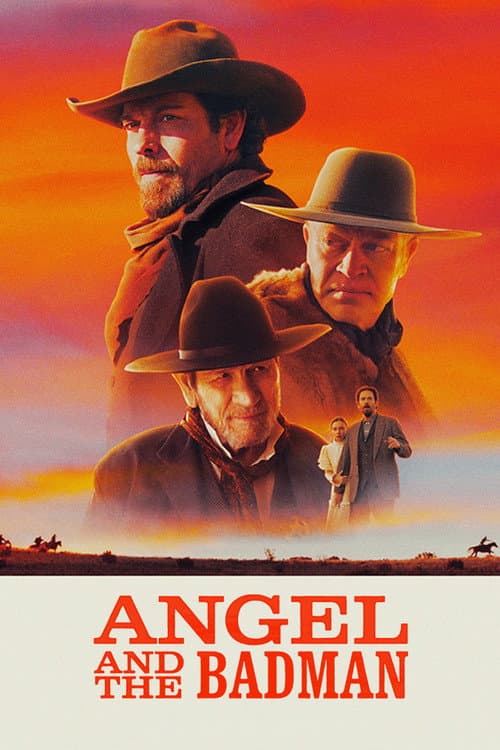
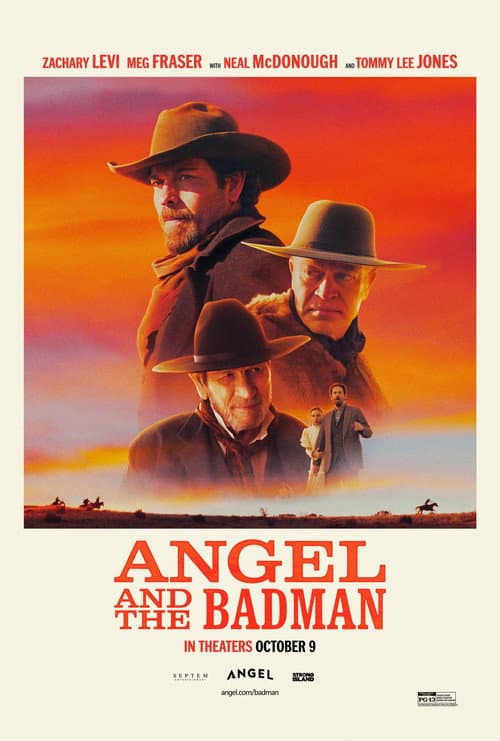
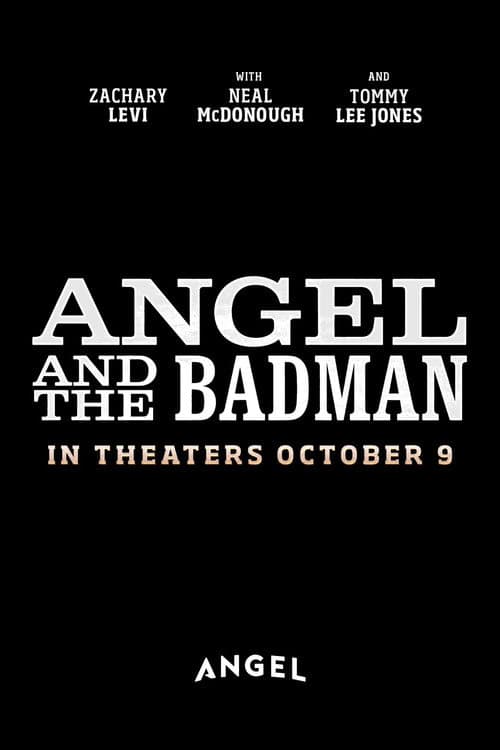
Let's start with the casting, because it's the film's biggest gamble and, mostly, its biggest payoff. Zachary Levi as Quirt Evans is a genuine surprise. Known for charm and quippy superheroics, Levi strips all of that away here - his Quirt is gaunt, wary, and physically diminished for much of the runtime. He plays the character's internal war with a tight jaw and haunted eyes, and when the violence finally comes, it lands with real weight because we've watched him try so hard to avoid it. It's not a flawless performance - a few emotional beats feel rushed - but it's the most interesting work of his career.
Neal McDonough, meanwhile, understands exactly what kind of movie he's in. His Laredo is a coiled snake of a man, all politeness and menace, and McDonough relishes every syllable. He and Levi have a genuinely crackling antagonism, and their scenes together are the film's best. Tommy Lee Jones, in what amounts to an extended supporting role, brings instant gravitas. He doesn't have much screen time, but every moment he's on screen reminds you why he's a legend. Jean Louisa Kelly is warm and grounded as Irene, though the script doesn't give her quite enough to do beyond being the moral compass. Barrett Ellis Luca, Meg Fraser, and Melissa Chambers round out a solid ensemble.
Quintana directs with confidence and a clear love for the genre. The film looks gorgeous - wide vistas, natural light, a color palette that feels sun-bleached and lived-in. The action, when it arrives, is spare and brutal rather than flashy, which suits the material. A mid-film ambush sequence is particularly well-staged, all dust and panic and short, ugly bursts of violence.
Where the film stumbles is pacing. The middle act sags noticeably, and some of the philosophical conversations about redemption start to repeat themselves. The romance between Quirt and Irene, while sweet, feels underdeveloped - we're told more than shown why she'd risk everything for him. And the climax, while satisfying, tips slightly into melodrama when the rest of the film has been admirably restrained.
Still, there's something refreshing about a movie that isn't ashamed of its earnestness. Angel and the Badman believes in redemption, believes in love, believes in the idea that a man can choose who he becomes. In 2026, that's almost radical.