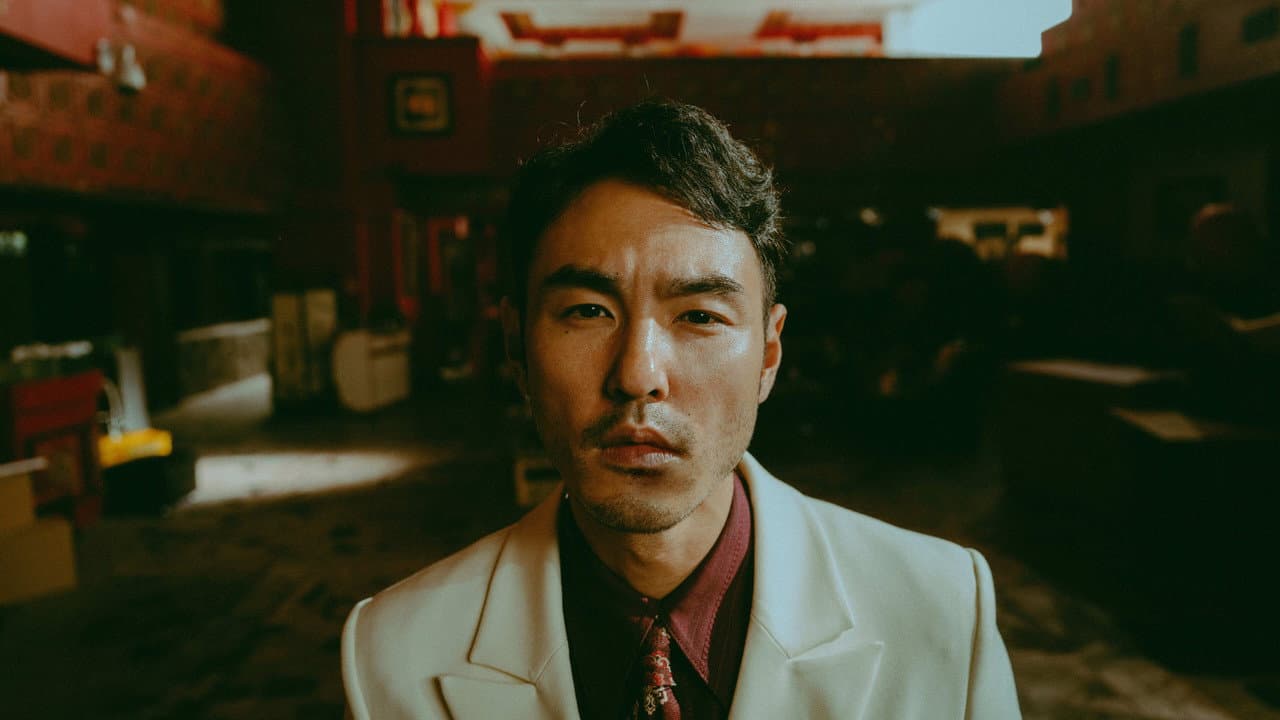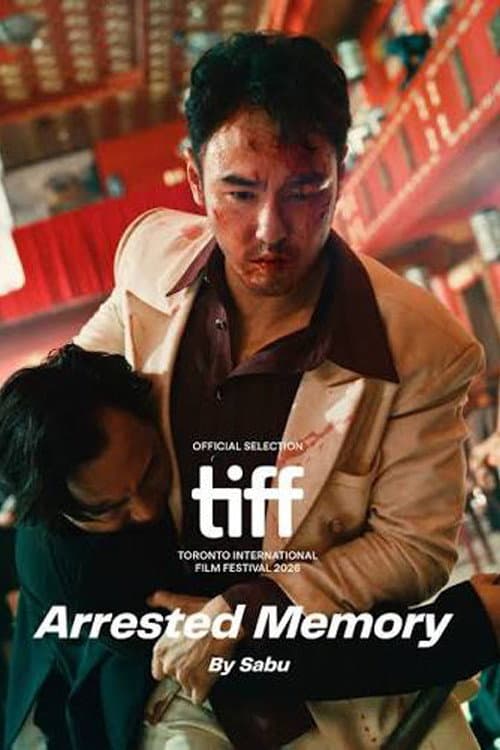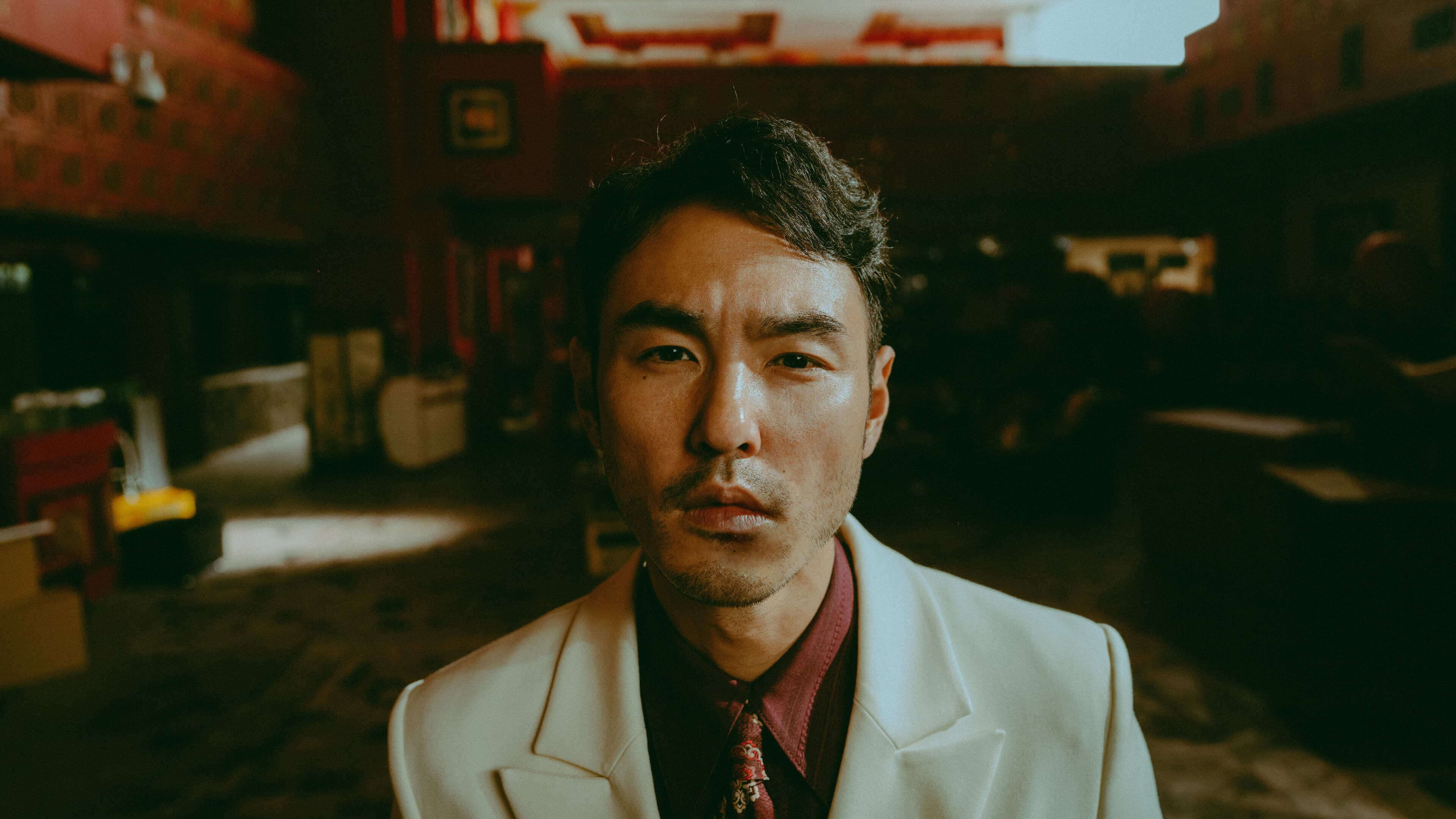
TAIPEI - What happens when a decorated detective’s greatest weapon - his memory - turns traitor? That’s the high-concept hook of “Arrested Memory,” a new action-comedy from Japanese cult director Sabu that crashed into theaters on September 7, 2026, and is already winning over critics with its oddball blend of slapstick and sorrow. The film, which runs a taut 100 minutes, follows Lee, a superstar police detective in Taipei whose world collapses after a disastrous investigation costs him his entire team. Haunted by guilt, he’s shipped off to a sleepy rural precinct - only to discover that trauma has triggered a peculiar form of amnesia. But rather than slow him down, Lee’s memory loss becomes his secret weapon: he can’t recall the rules, the procedures, or even his own name, yet his raw cop instincts remain razor-sharp. And when a high-profile kidnapping lands on his desk - the abduction of a wealthy Japanese businessman’s son - Lee barrels into the case with nothing but gut feeling and a stubborn refusal to admit he has no clue what he’s doing.
The result is less a conventional thriller and more a tonal tightrope walk, one that Sabu navigates with his signature off-kilter flair. Early reactions have been enthusiastic: the film holds a robust 7/10 rating on TMDb, with viewers praising its ability to pivot from laugh-out-loud physical comedy to genuinely tense set pieces without losing its emotional core. The premise itself is a gift for an actor willing to play dumb with dignity, and Ethan Juan, the Taiwanese star known for his brooding intensity, leans fully into the contradiction - a man who looks like a hero but whose mind is a sieve. He’s matched by a stacked ensemble that includes Moon Lee, Reika Kirishima, Japanese veteran Shinichi Tsutsumi, and Hsieh Ying-shiuan, all of whom orbit Lee’s unraveling psyche like planets around a collapsing sun.
The setup is deceptively simple on paper. Lee, once Taipei’s most celebrated detective, is shattered after leading his squad into a fatal ambush. The guilt metastasizes into amnesia - a condition he hides from his new colleagues, fearing that admitting the truth will end his career for good. Every day is a performance: he pretends to recognize faces, clocks in at the station with studied nonchalance, and grasps at fragments of procedure like a drowning man grabbing driftwood. Then comes the kidnapping case, which should be a disaster - how can a detective solve a crime when he can’t remember his own badge number? But Sabu’s twist is that Lee’s instincts, honed over years of chasing criminals, operate independently of his conscious memory. His body knows what his mind has forgotten. He reads a suspect’s micro-expression without knowing why it matters; his hand drifts to the right drawer in an evidence room he’s never consciously seen. It’s a comedic premise with a melancholy undertow: every breakthrough brings him closer to the truth of the kidnapping, but also closer to the buried horror of what happened to his team.
Sabu, whose career has swung between somber crime dramas and absurdist comedies, seems to relish the challenge of merging both impulses. There are sequences that play like a buddy-cop farce - Lee misplacing suspects, misreading maps, charming witnesses with his bewildered sincerity - and others that cut to the bone, where his amnesia reveals itself as less a quirk than a mental wound that keeps reopening. The tone is delicate, and not every swing connects perfectly, but when it lands, “Arrested Memory” feels fresh in a genre landscape crowded with cynical reboots. The film’s Chinese-language dialogue and Taipei setting ground it in a specific place, even as its story of a man losing himself to grief is universal.
What’s most striking, though, is how the kidnapping case serves as a mirror for Lee’s internal void. The victim is a child, and Lee - who lost his own team, his own family of sorts - is chasing a version of himself, someone snatched from safety and held against his will. His determination to save the boy is also a desperate attempt to reorder his own shattered timeline, to prove that even with a faulty memory, he can still be the hero he once was. That emotional resonance elevates what might otherwise be a gimmick into something with genuine pathos. Critics have noted the film’s debt to classic Hong Kong action comedies, but Sabu’s sensibility - indebted to his earlier works like “Monday” and “Chaser” - gives it a distinctly offbeat rhythm, one that prizes character over spectacle.
With its star-studded cast, bilingual production roots, and a premise that sounds like a elevator pitch for a streaming hit, “Arrested Memory” has arrived as an unexpected late-summer wild card. It doesn’t reinvent the wheel, but it does remind audiences that a well-worn genre can still produce surprises when a director trusts both the absurdity and the ache of its central idea. Sabu’s latest asks a simple question: if memory is what makes us who we are, what happens when it’s gone - and instinct takes the wheel? The answer, judging by early word, is equal parts chaos and charm.
Source: Hollywood Reporter