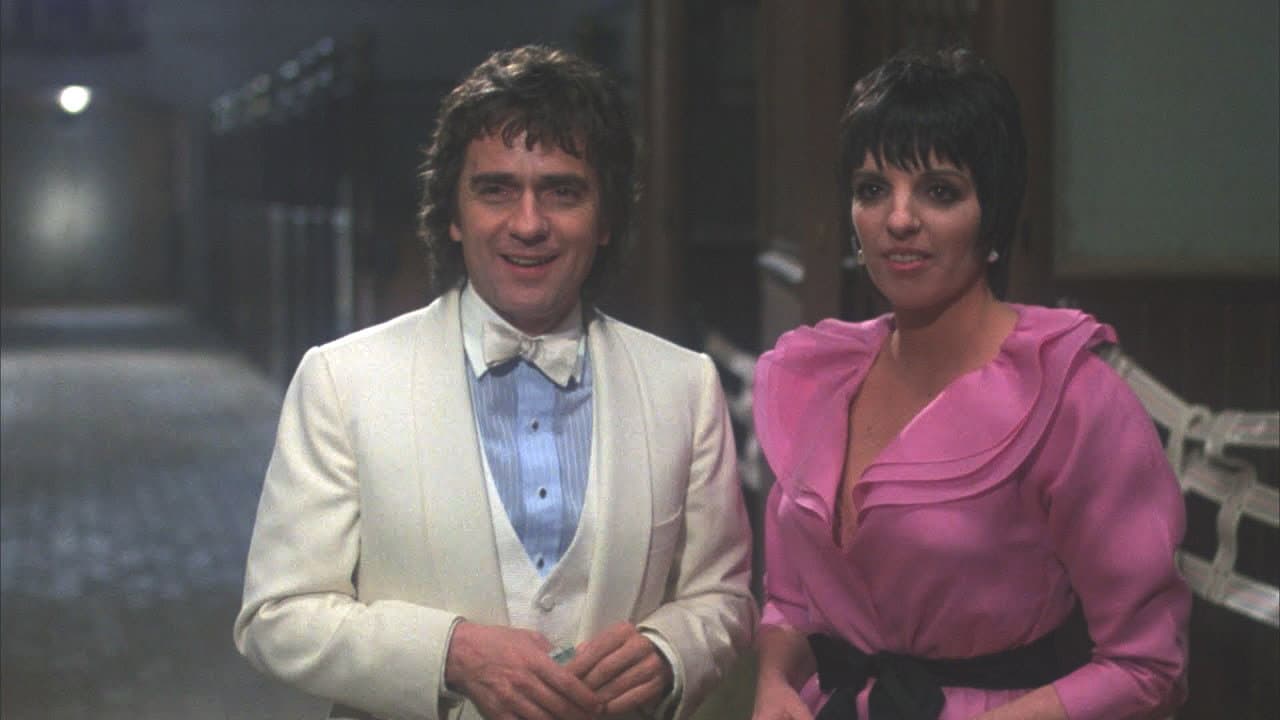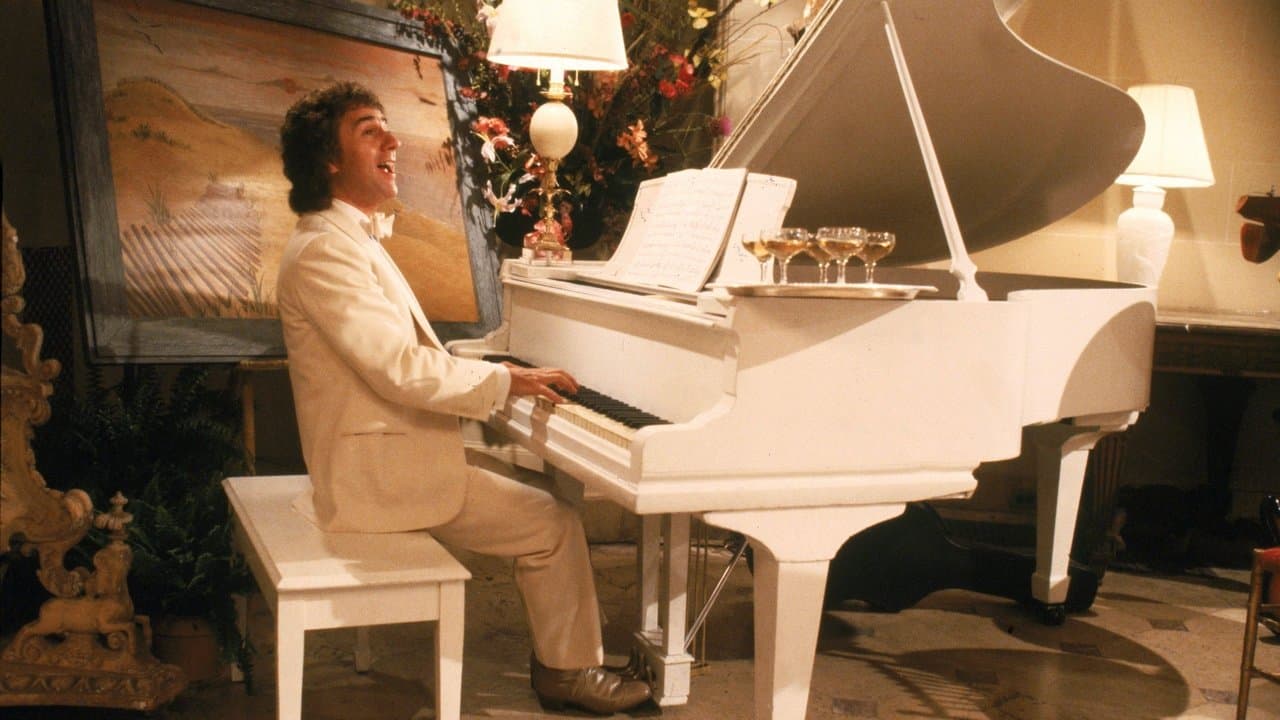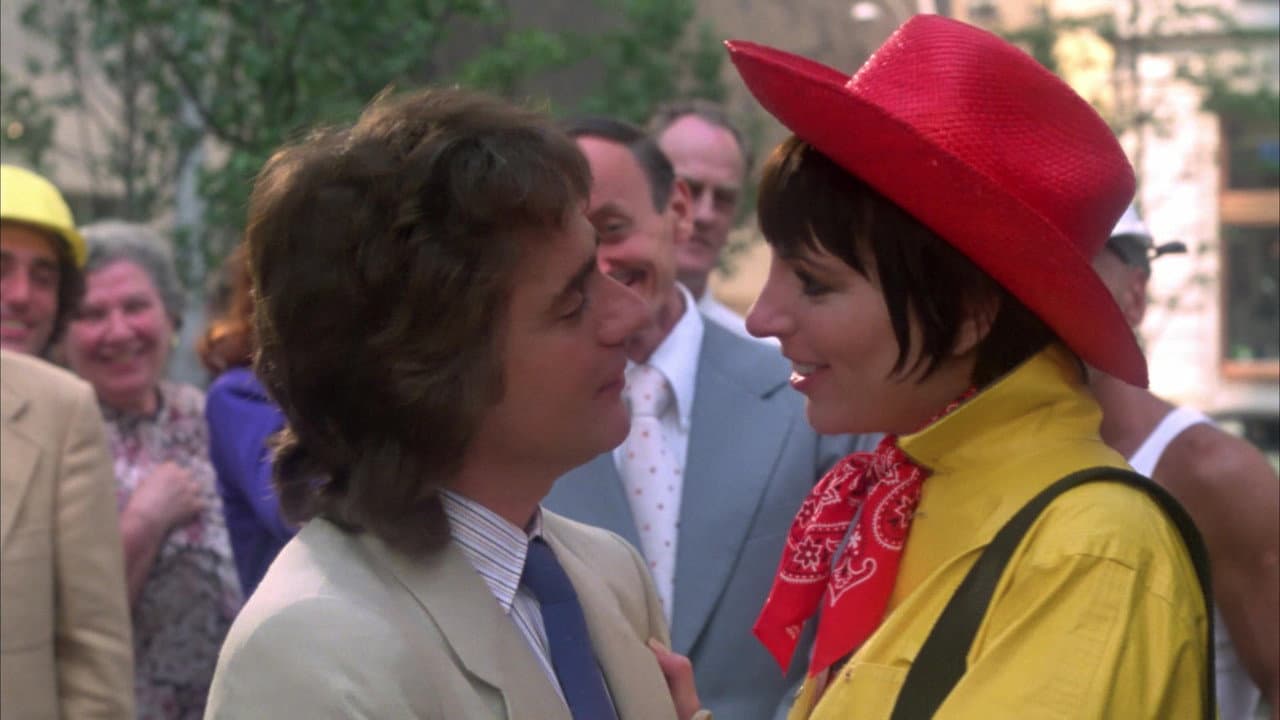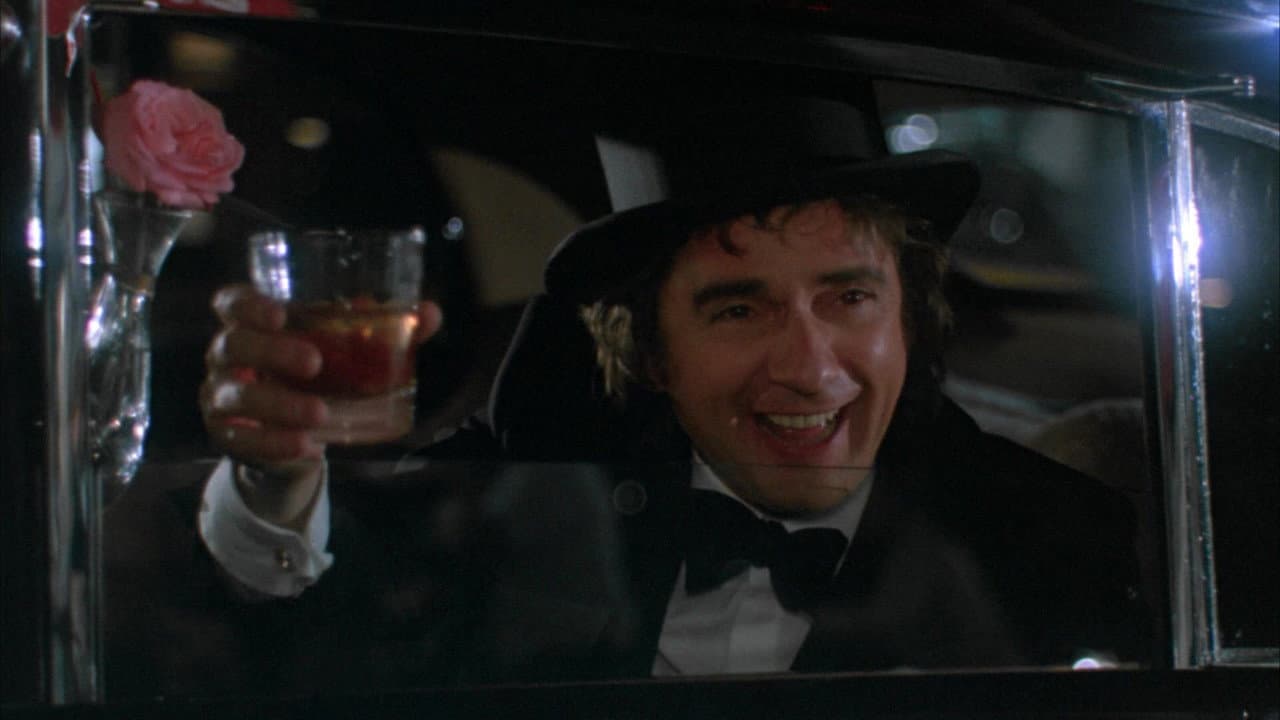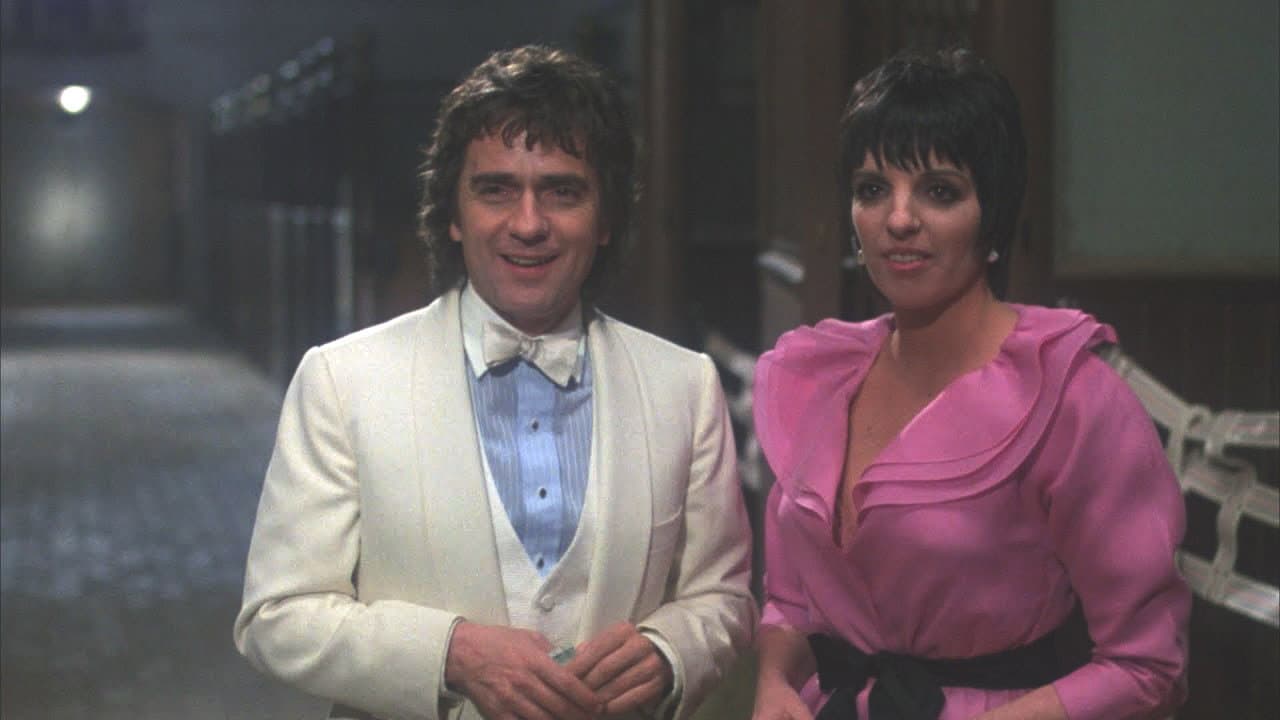
LOS ANGELES - Few performances in comedy history have managed to turn inebriation into pure, unapologetic charm, but that’s exactly what Dudley Moore delivered in the 1981 classic Arthur. As the film celebrates its 45th anniversary this summer, Hollywood Buzz takes a look back at the boozy, heartfelt romp that turned a British comedian into an unlikely romantic leading man and left an indelible mark on early '80s cinema.
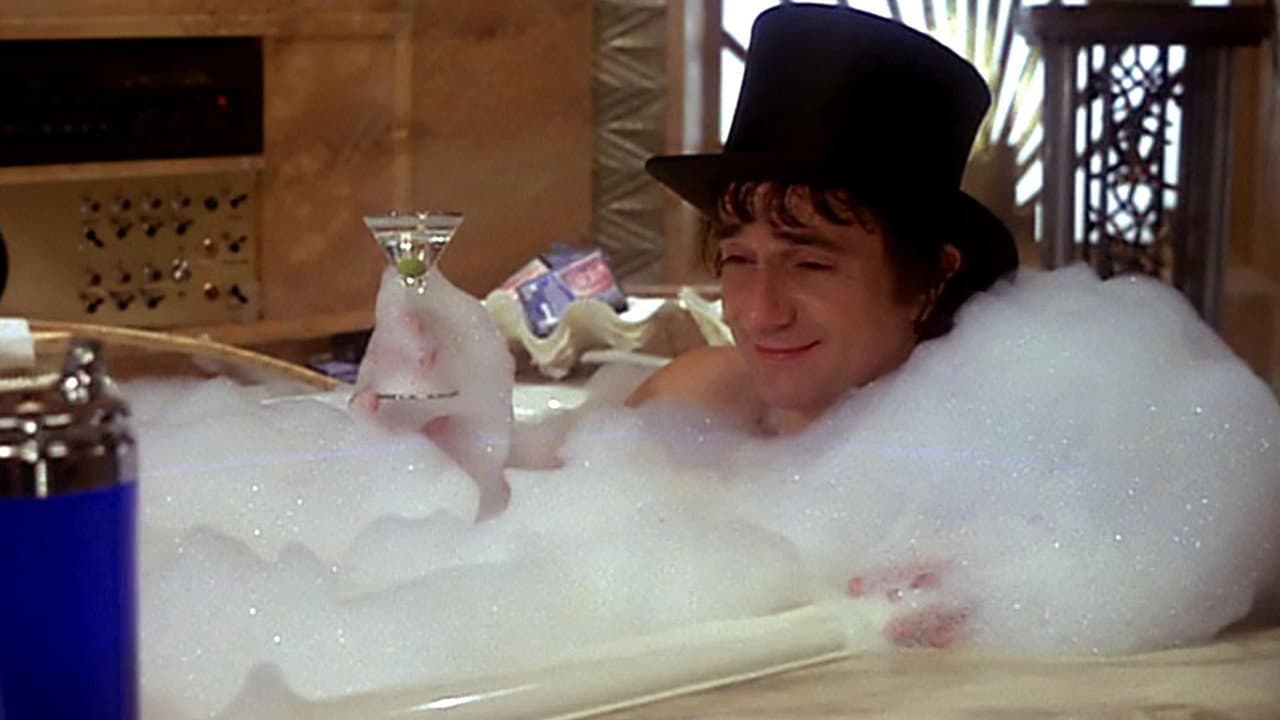
Directed by Steve Gordon in his only feature-film credit, Arthur premiered on July 17, 1981, and quickly became a cultural touchstone. The movie follows Arthur Bach, a 30-year-old man-child who has never had to grow up, thanks to a $750 million trust fund. But that fortune comes with a catch: to inherit it, he must marry the woman his wealthy family has chosen. The problem? Arthur has fallen for a working-class waitress named Linda Marolla, setting up a battle between obligation and genuine affection - with a martini never far from his hand.
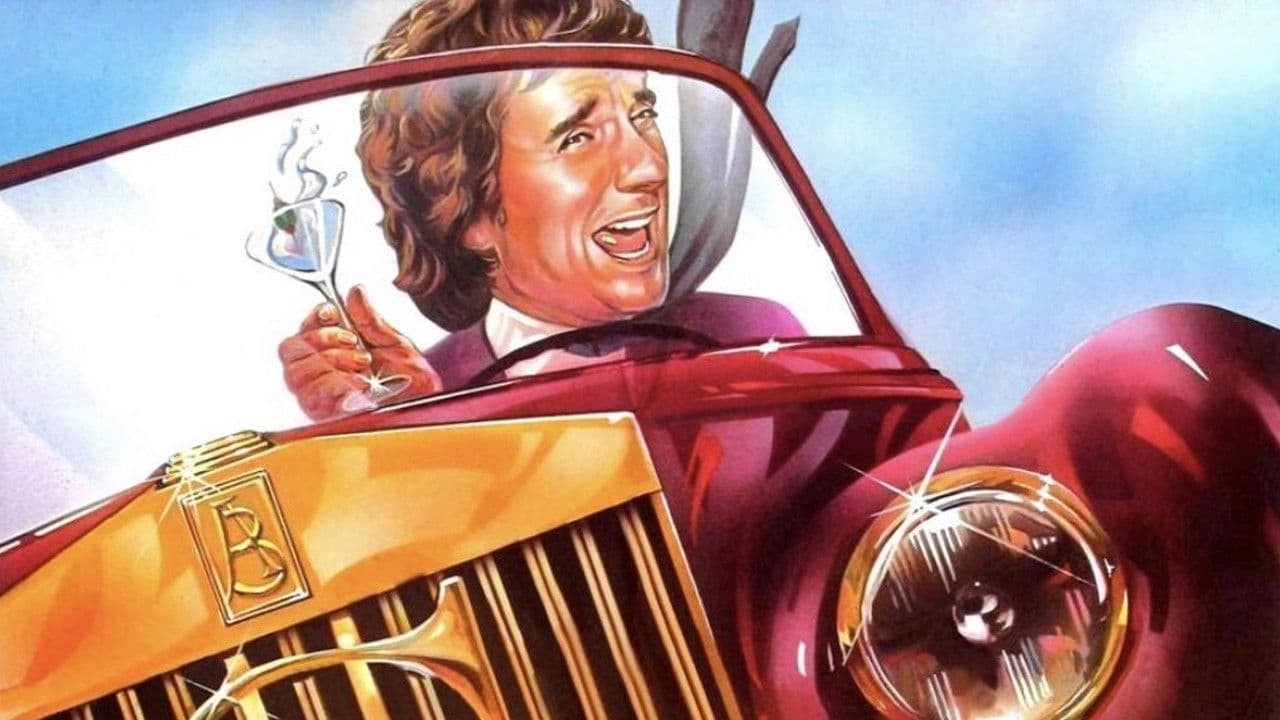
Moore, who had already made waves in comedy with partner Peter Cook in the UK and through films like 10 (1979), found the role of his lifetime in Arthur Bach. He brought a disarming vulnerability to the character, making his alcoholism less a cheap gag and more a shield against an emotionally cold upbringing. The actor’s physical comedy - stumbling through high-society galas, slurring Shakespeare, and driving a Rolls-Royce in ways that defy physics - was matched by a deft emotional touch. Audiences didn’t just laugh at Arthur; they rooted for him.
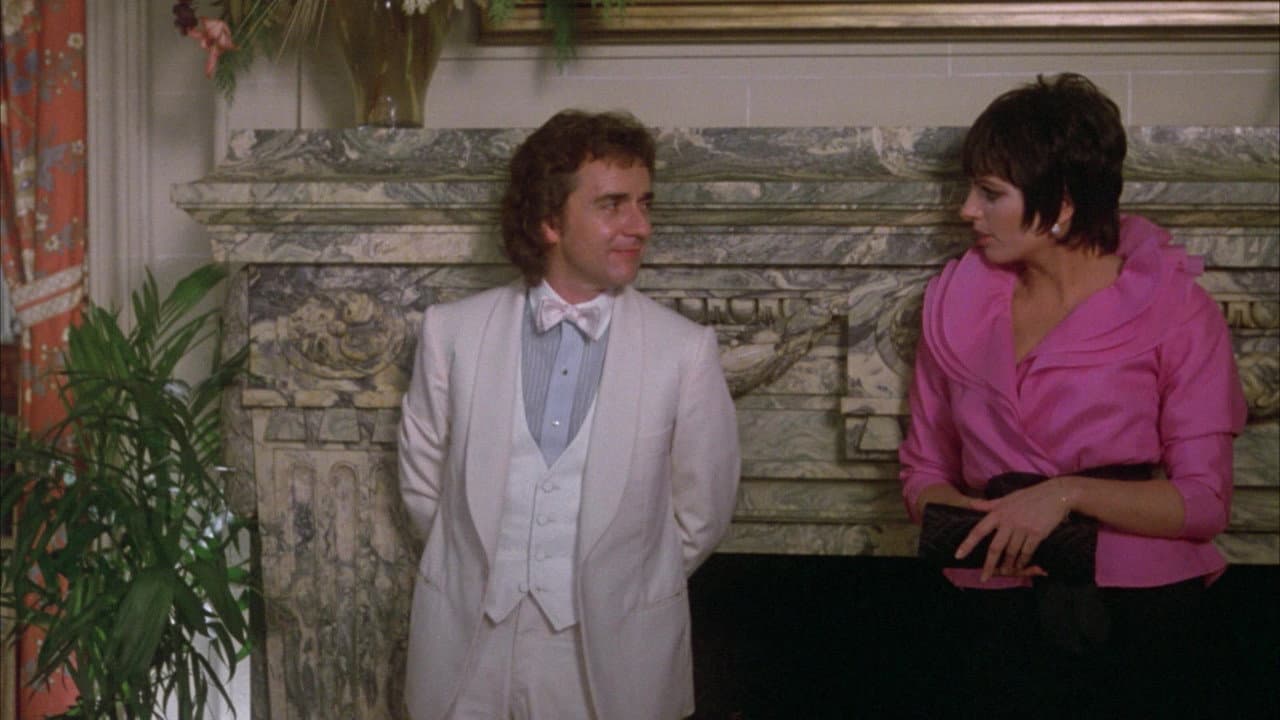
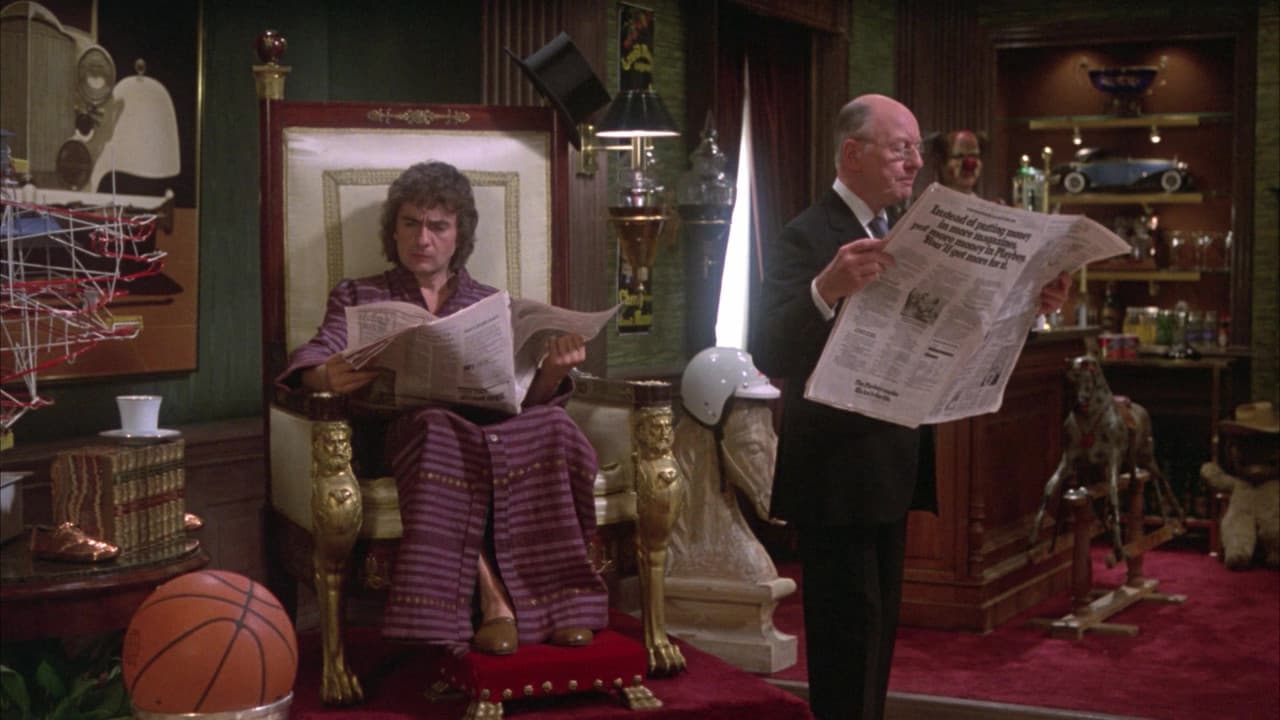
The supporting cast elevated the film from mere farce to something richer. Liza Minnelli brought her signature energy and warmth to Linda, grounding Arthur’s fantasy world with a dose of reality. But the real scene-stealer was John Gielgud as Hobson, Arthur’s razor-tongued, perpetually exasperated butler. Gielgud’s dry wit and impeccable timing earned him the Academy Award for Best Supporting Actor, giving the film a prestigious stamp that comedy rarely receives. His deadpan delivery of lines like "I’ll alert the media" remains a masterclass in comic restraint.
Behind the camera, first-time director Gordon crafted a script that balanced broad humor with a surprisingly sincere core. The film’s 97-minute runtime moves briskly, bouncing between lavish estates, neon-lit city streets, and quiet moments of introspection. Gordon’s untimely death just weeks after the film’s release - he passed away in 1982 at age 44 - lent a bittersweet note to its legacy, as Arthur stands as his sole directorial effort, a singular vision that never got a sequel from its original creator.
Critics at the time were mostly charmed, and audiences embraced the film wholeheartedly. The TMDb rating of 6.511/10 reflects a lasting, if modest, appreciation, though the film’s cultural footprint looms larger than that number suggests. Arthur spawned a 1988 sequel, Arthur 2: On the Rocks, and a 2011 remake starring Russell Brand, neither of which recaptured the original’s alchemy. Moore’s performance remains the gold standard, earning him a Golden Globe for Best Actor in a Motion Picture Musical or Comedy and cementing his status as a leading man capable of both slapstick and genuine pathos.
The film also sparked conversations about wealth and responsibility that feel surprisingly sharp four decades later. Arthur’s journey from self-indulgent heir to someone willing to sacrifice everything for love - even if he does stumble into that realization - strikes a chord in an era obsessed with billionaire culture. His famous line about not liking his fiancée, calling her "the kind of woman who makes you want to marry her sister," remains one of cinema’s most quoted put-downs, but it’s the quieter scenes that linger: Arthur sitting alone in a park, talking to a statue, or the tender moment he shares with Hobson as the butler’s health declines.
For those discovering Arthur today, the film offers a time capsule of early Reagan-era excess - big hair, bigger shoulder pads, and a soundtrack anchored by Burt Bacharach’s and Christopher Cross’s Oscar-winning song "Arthur’s Theme (Best That You Can Do)." That breezy, wistful tune, with its line about "getting caught between the moon and New York City," perfectly encapsulates the film’s blend of fantasy and melancholy.
As Hollywood cycles through reboots and nostalgia-driven sequels, Arthur stands as a reminder that some magic can’t be replicated. Moore’s performance, fueled by equal parts liquid courage and broken vulnerability, remains a high-water mark for comedic acting. And while the actor himself struggled with health issues in his later years before his death in 2002, his portrayal of Arthur Bach endures as a joyful testament to his talent. So raise a glass - preferably a well-shaken martini - to the man who made drunkenness look like the most charming thing in the world, and to the film that proved even a spoiled rich boy could find redemption in love.
Source: Hollywood Reporter