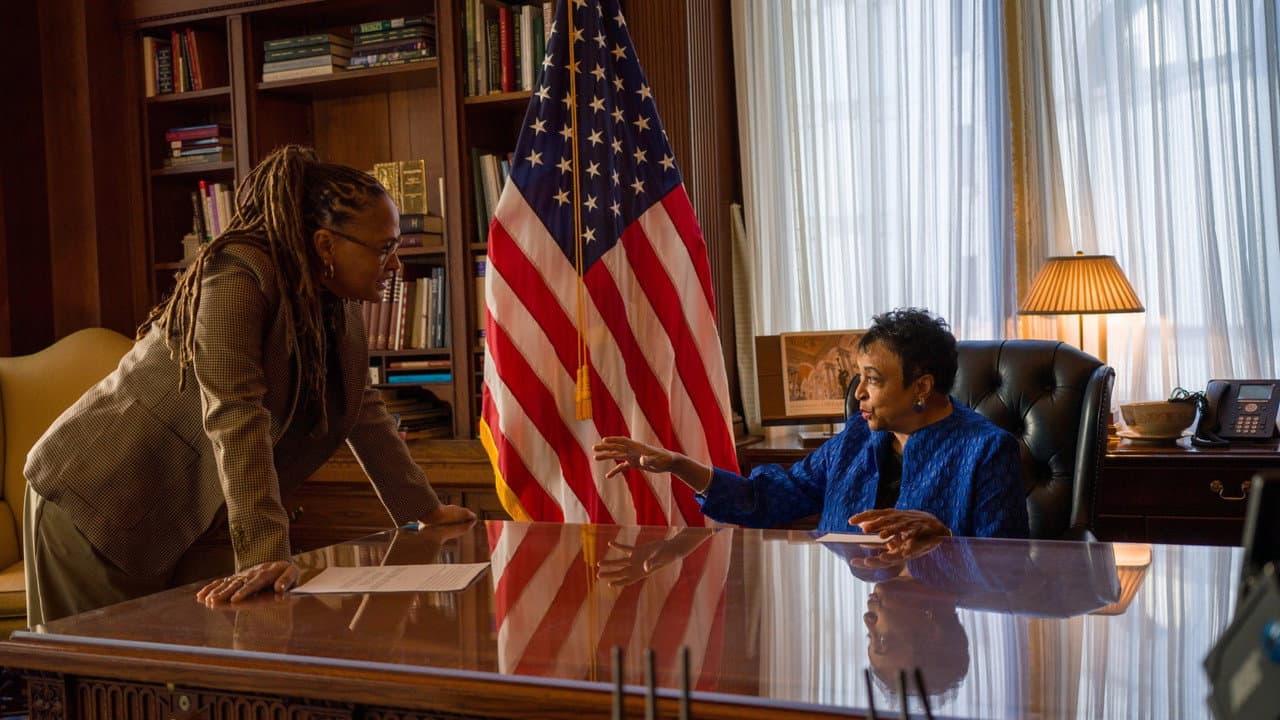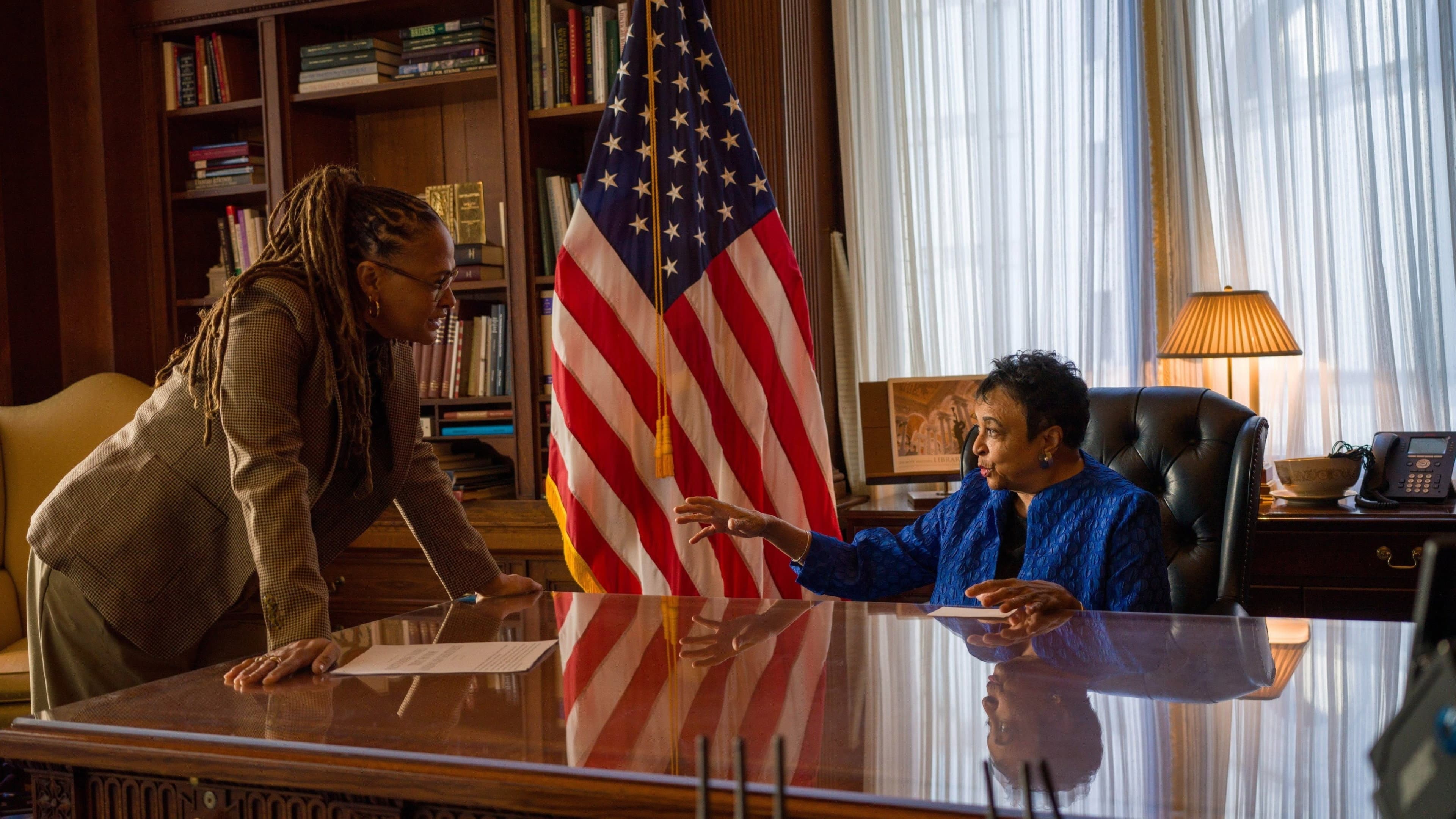
Ava DuVernay issued a blunt warning about the fragility of American democracy Friday night, telling a packed theater that the country's foundational promises are under sustained attack and must be defended in the streets, at the ballot box and in the classroom.
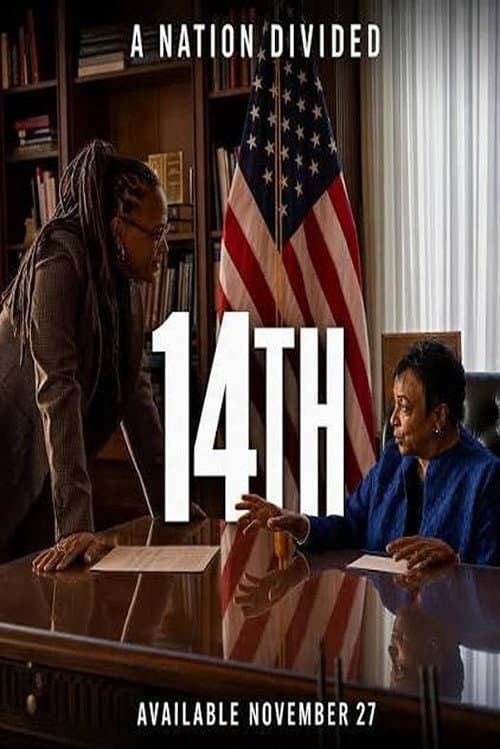
The director spoke at the world premiere of "14th," her new documentary about the constitutional amendment that granted citizenship and equal protection under the law, which hits theaters Nov. 27.
"This is not a history lesson," DuVernay told the audience, according to remarks from the event. "We need to fight."
The 100-minute film, which DuVernay directed, traces the 14th Amendment from its ratification in 1868 - born in the upheaval of Reconstruction - through more than a century and a half of legal, political and cultural combat over who counts as an American and what protections they are owed. The documentary lands in theaters just weeks after the 2026 midterm elections, a timing that DuVernay's team has not framed as coincidental.
A Documentary Built Around a Single Clause
The 14th Amendment's guarantees of birthright citizenship, due process and equal protection have anchored some of the most consequential rulings in U.S. history, and the film examines how those clauses have been tested, narrowed and revived across eras. DuVernay assembles a cast of figures who have fought those battles from inside and outside government.
The on-screen roster includes Sherrilyn Ifill, the former president of the NAACP Legal Defense Fund; Stacey Abrams, identified in the credits as an activist; Rep. Alexandria Ocasio-Cortez; former Sen. Jeff Flake; cultural critic Hasan Piker; Sen. Alex Padilla; Rep. Anna Paulina Luna; and historian David Blight. The mix of voices - spanning progressive organizers, conservative officeholders and academic scholars - suggests the film aims to show that the amendment's meaning has never been settled and has always been contested by unlikely coalitions.
DuVernay has spent much of her career working at the intersection of history and present-day racial politics. Her 2016 documentary "13th," about the amendment that abolished slavery and the mass incarceration that followed, earned an Academy Award nomination and became a fixture in classrooms and civic discussions. "14th" arrives as a companion piece of sorts, picking up the constitutional thread where that earlier film left off.
Premiere Rhetoric Reflects a Charged Moment
The premiere unfolded in a political climate DuVernay described as dire, using language about democratic backsliding that has become central to her public appearances. She framed the film not as a museum piece but as an organizing tool, arguing that rights once thought permanent can be withdrawn when citizens stop paying attention.
The documentary's genre - history with a clear present-day argument - places it in a tradition of advocacy filmmaking that has grown more prominent as streaming platforms and theatrical distributors compete for politically engaged audiences. With a runtime of 100 minutes, it is built for the kind of screening-and-discussion format that DuVernay's earlier work helped popularize.
It remains to be seen how "14th" will land with critics and moviegoers; no ratings or box-office figures were available at the time of the premiere. The film's release date puts it in the thick of awards season, though no distributor has announced campaign plans.
A Filmmaker Who Keeps Returning to the Constitution
For DuVernay, the project marks another turn toward nonfiction after a run of narrative features, including "Selma," her 2014 drama about the voting rights marches, and "Origin," her adaptation of Isabel Wilkerson's writing on caste. Her filmography has consistently treated the law as a dramatic subject - not as static text but as a living argument that shapes daily life.
That approach carries risks. Advocacy documentaries often draw accusations of one-sidedness, and a film centered on a single amendment invites scrutiny of whose interpretations make the final cut. DuVernay's decision to include conservative and libertarian-leaning voices may be an attempt to preempt that criticism, or simply a recognition that the 14th Amendment's history cannot be told through one ideological lens.
What is clear is that DuVernay intends "14th" to function as more than a release on the calendar. At the premiere, she returned repeatedly to the idea that historical knowledge carries an obligation, and that the erosion of democratic norms she described is not inevitable but chosen - and therefore reversible.
"This is not a history lesson," she said again, pressing the point. "We need to fight."
"14th" opens in U.S. theaters on Nov. 27.
Source: Hollywood Reporter