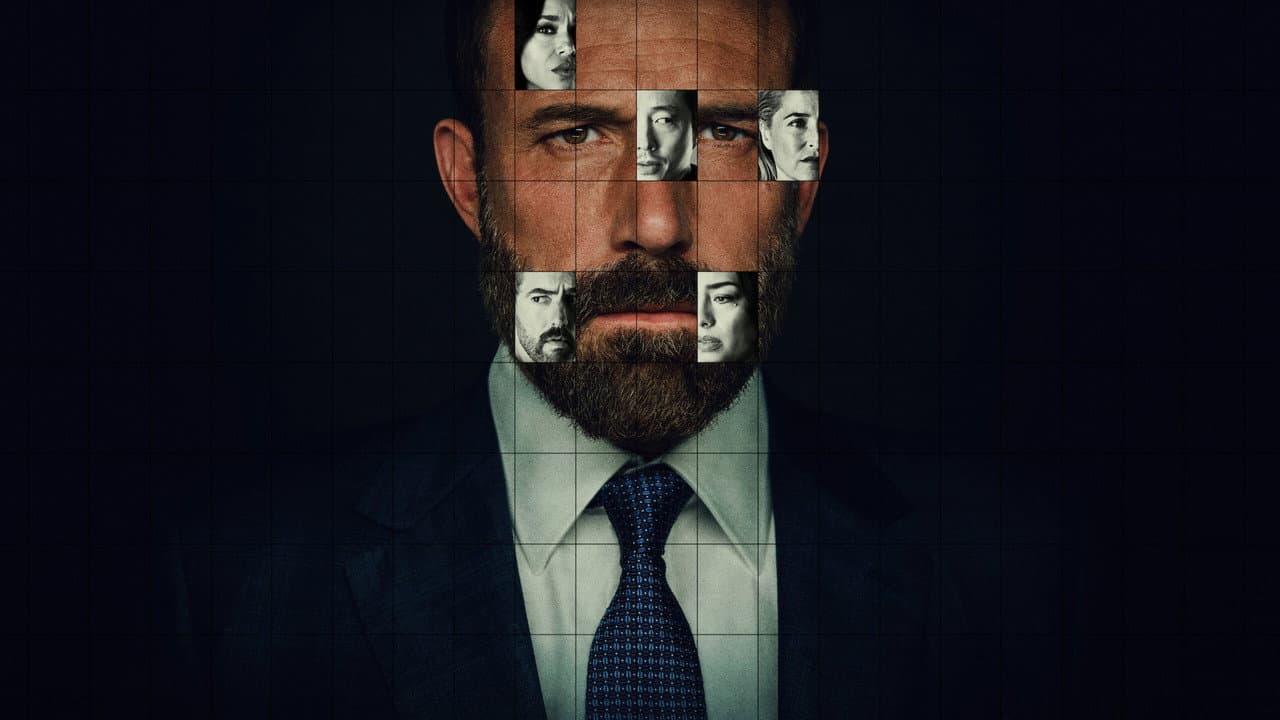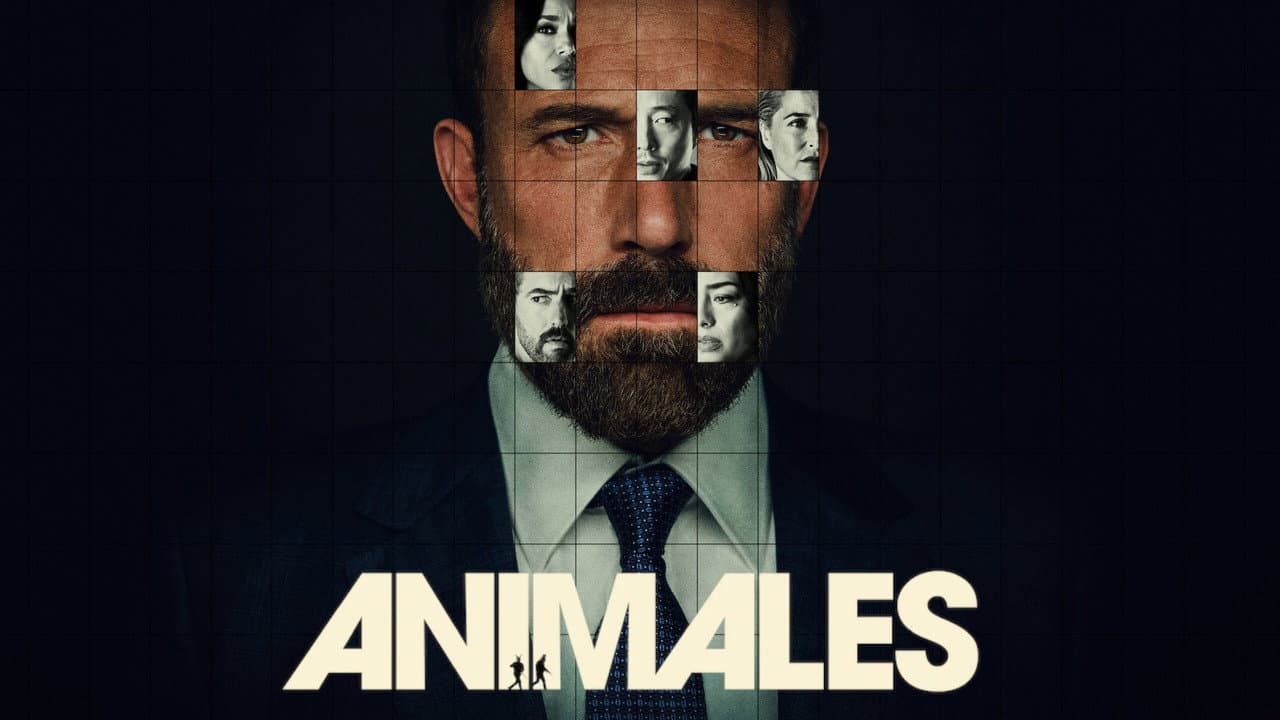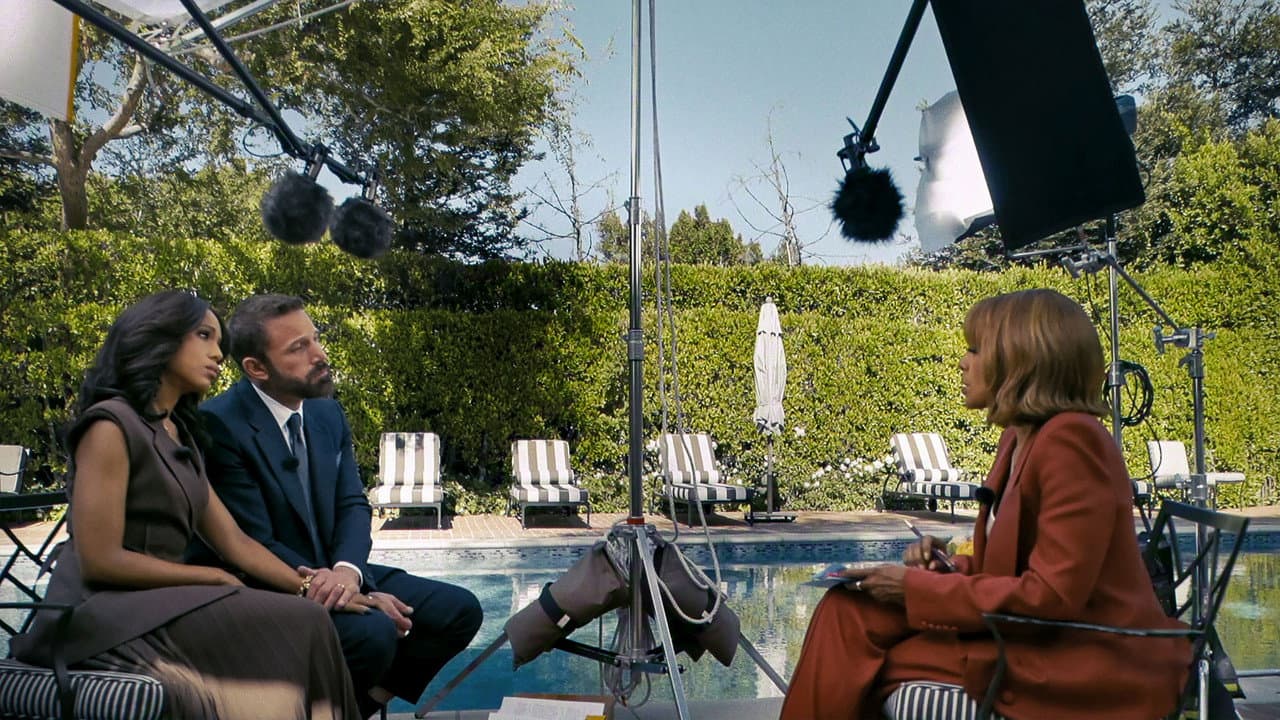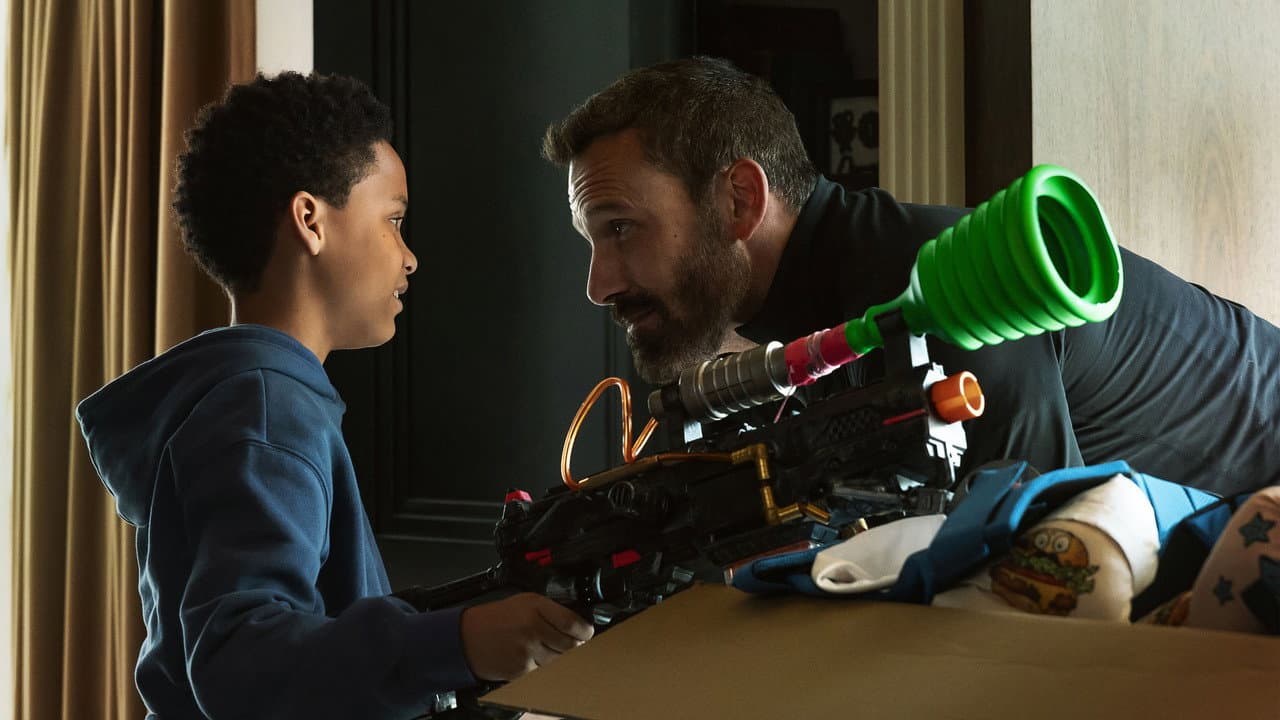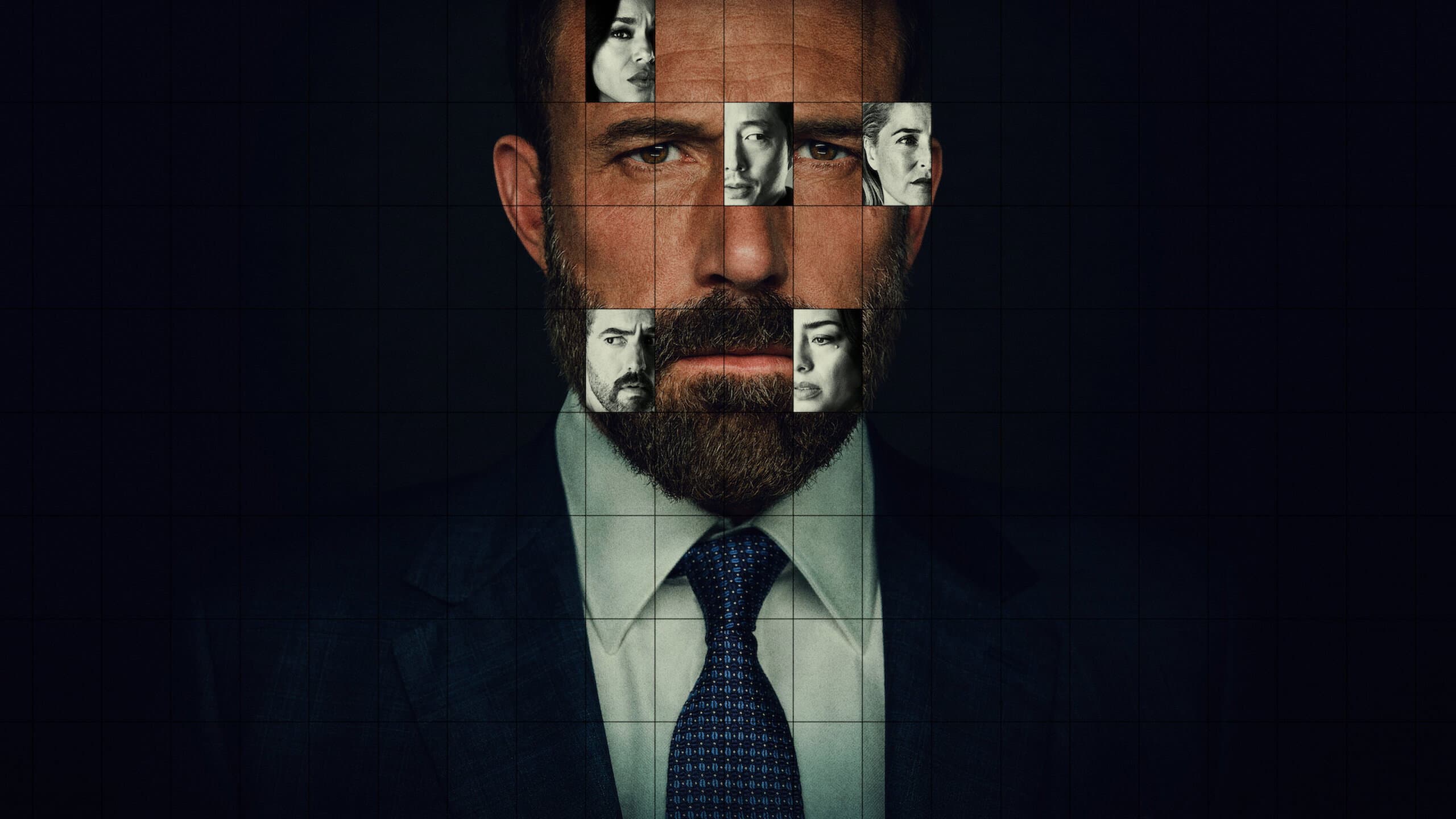
Ben Affleck is pushing back on the idea that artificial intelligence has to be a disruptive force in filmmaking. As he prepares for the October 9 release of his new crime thriller "Animals," the director and star offered a pointed defense of how he chose to incorporate AI tools during production - and, just as forcefully, drew a line around what those tools should never be asked to do.
"It's not about making fake people or replacing anybody, ever," Affleck said, summarizing the principle he said guided every decision his team made.
The filmmaker's comments arrive at a moment when studios and unions remain locked in an uncomfortable negotiation over where machine learning belongs in the creative pipeline. Affleck, who directs and leads the cast of "Animals," framed his own approach as a practical rather than ideological one: the technology was there to serve the crew, not to stand in for them.
A Thriller Built on a Race Against the Clock
"Animals" casts Affleck as Mark Kimball, the son of a Los Angeles mayoral candidate whose life unravels when his child is abducted. With only hours to assemble a ransom payment, Kimball and his wife Abigail - played by Kerry Washington - discover that the bulk of their fortune has already been consumed by his father's political campaign. The pair are forced to get their hands dirty, dredging up parts of their private lives they had hoped would never surface.
The premise places the film squarely in the kidnap-thriller tradition, but with an intimate, financially grounded twist: the villains here are not only the captors, but the exhausting cost of a political machine that has already emptied the family's accounts.
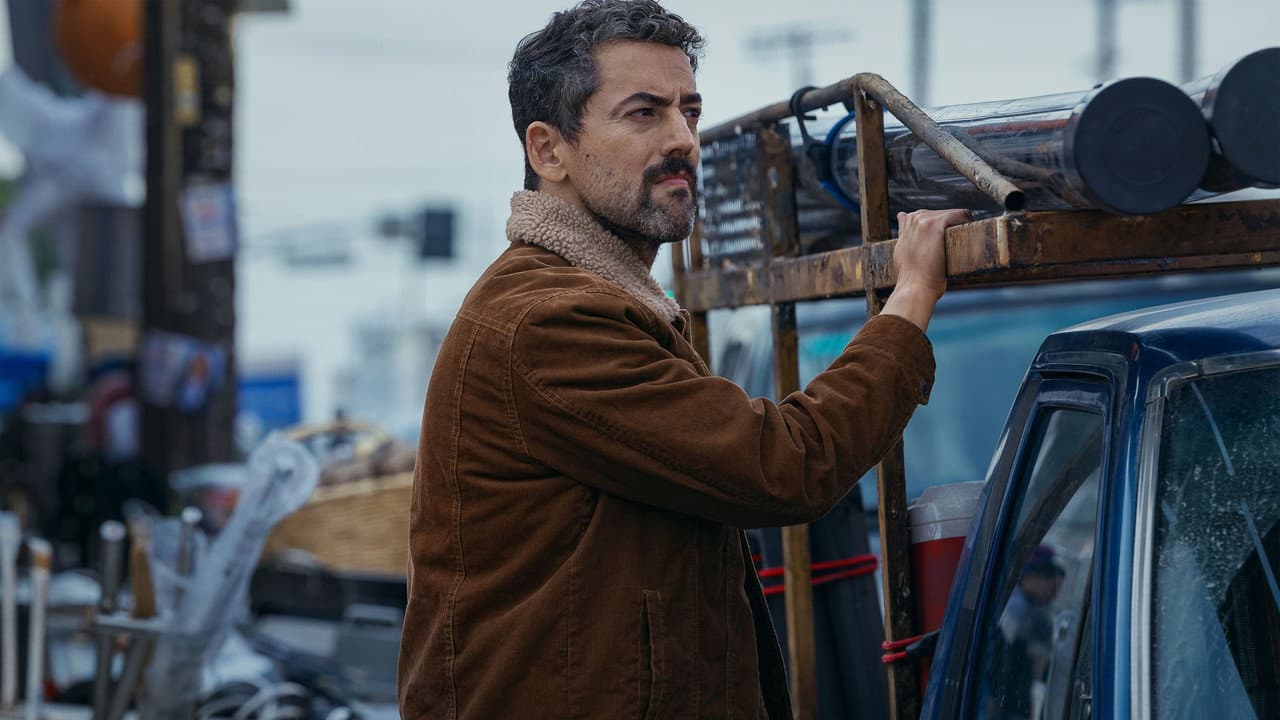
The supporting ensemble is stacked. Steven Yeun, Gillian Anderson, Adriana Paz, Luis Gerardo Méndez, Ray Fisher and Matt Gerald round out the cast. The film runs 106 minutes and will be released in theaters on October 9, 2026.
Affleck's Argument for Guardrails
Affleck did not specify which AI systems were used on "Animals" or what tasks they performed. What he did outline was a philosophy - one that treats the technology as an assistant rather than a substitute, and one that places the burden of ethical judgment on the people wielding it rather than on the software itself.
That distinction matters in a labor climate where the phrase "AI" often functions as shorthand for job losses. By defining his usage in negative terms - no synthetic performers, no displacing workers - Affleck effectively acknowledged the anxiety his industry feels, even as he declined to feed it. His framing suggests a middle path: adoption without erasure.
Whether audiences will care about the production methods behind a kidnapping thriller is an open question. Most moviegoers, after all, judge the finished product. But Affleck's remarks are likely to resonate beyond the marketing cycle for "Animals," because the debate he is addressing is not really about one film. It is about whether directors can integrate emerging tools while keeping the human workforce at the center of the frame - and whether anyone will believe them when they say they have.
Source: Hollywood Reporter