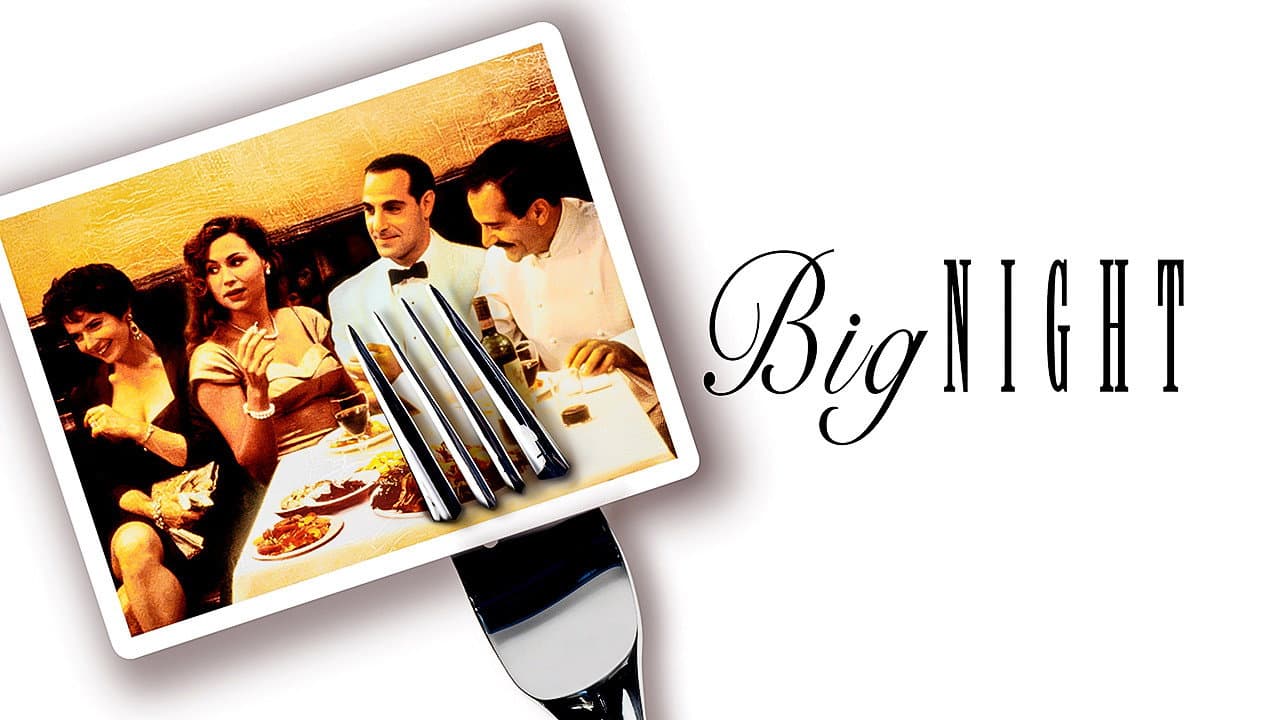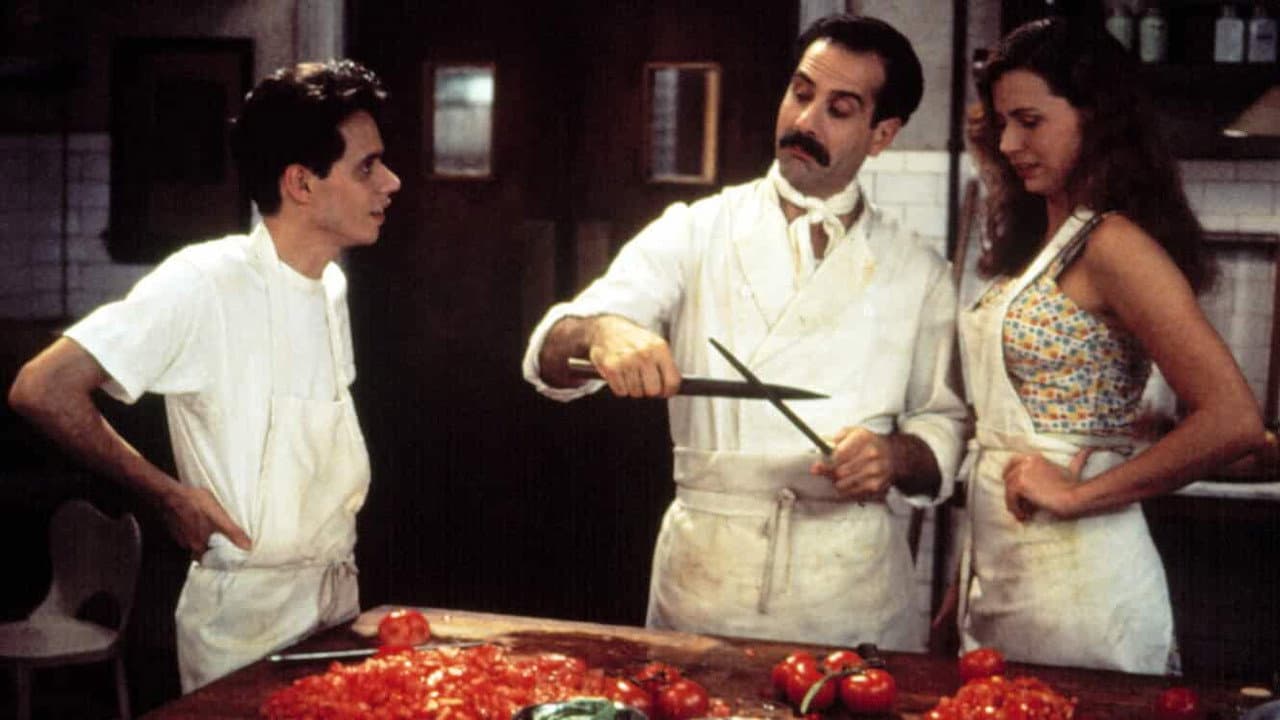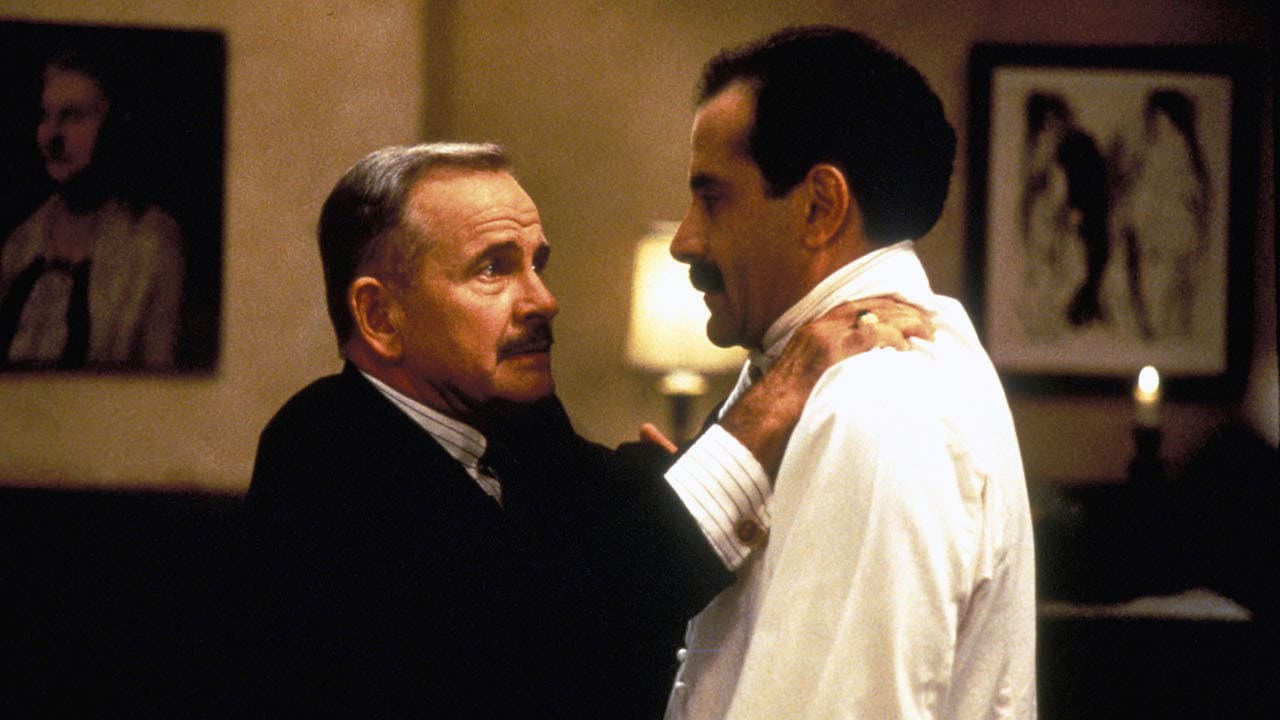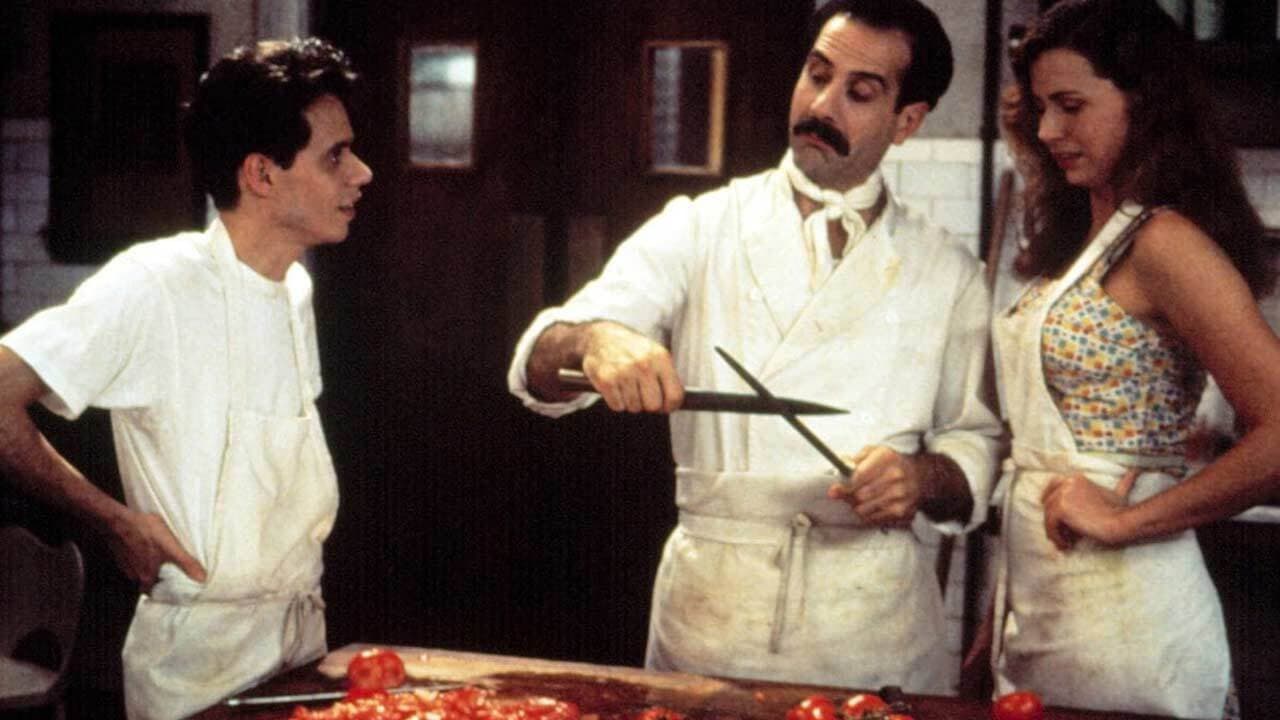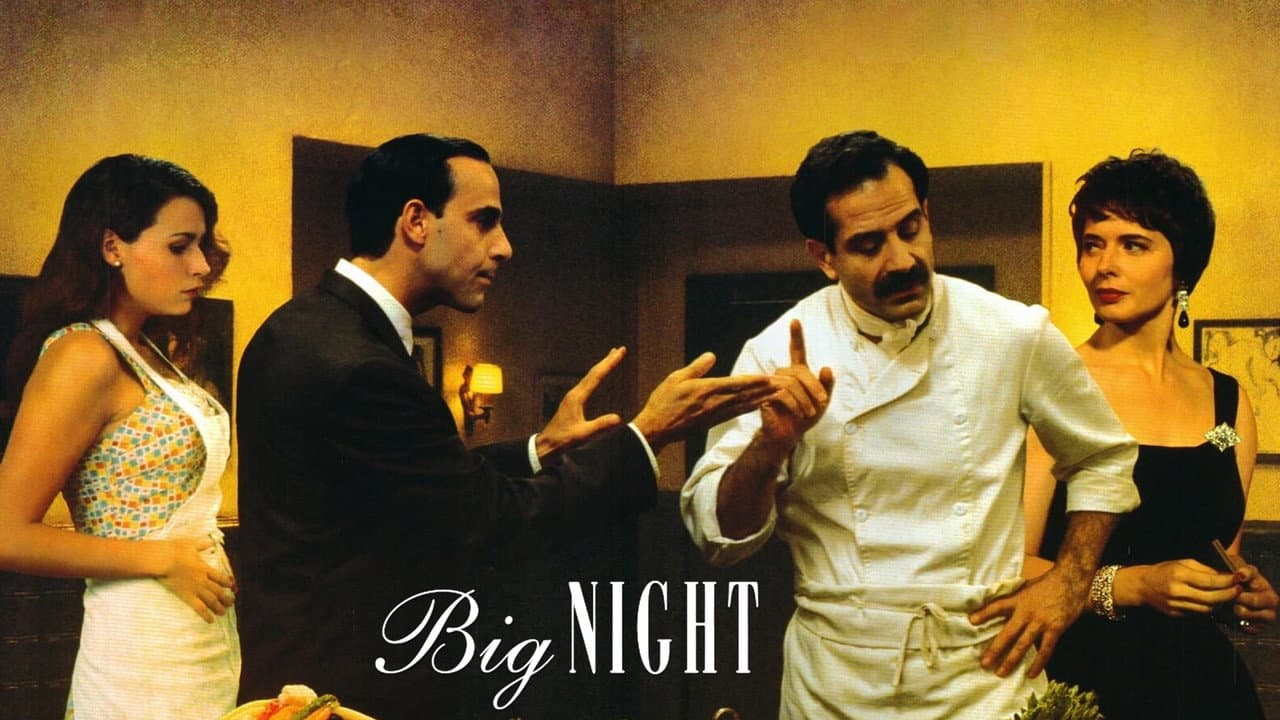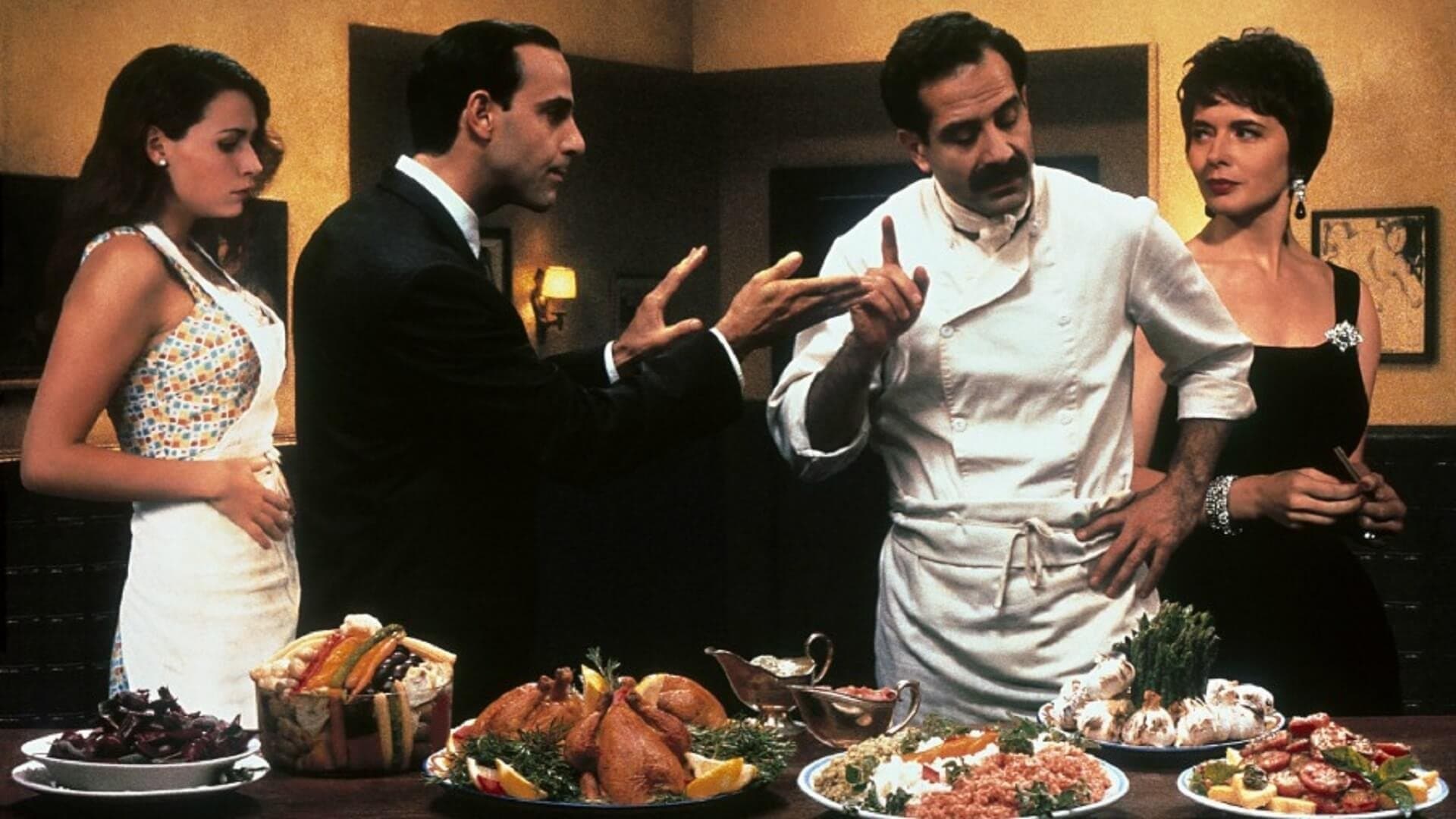
Thirty years ago today, a small, deeply personal comedy about two Italian immigrant brothers and one impossible dinner landed in American theaters. Big Night, directed by Stanley Tucci, opened on September 20, 1996, and has spent the three decades since earning a reputation as one of the most quietly beloved food films ever made - a movie in which the cooking matters as much as the conversation.
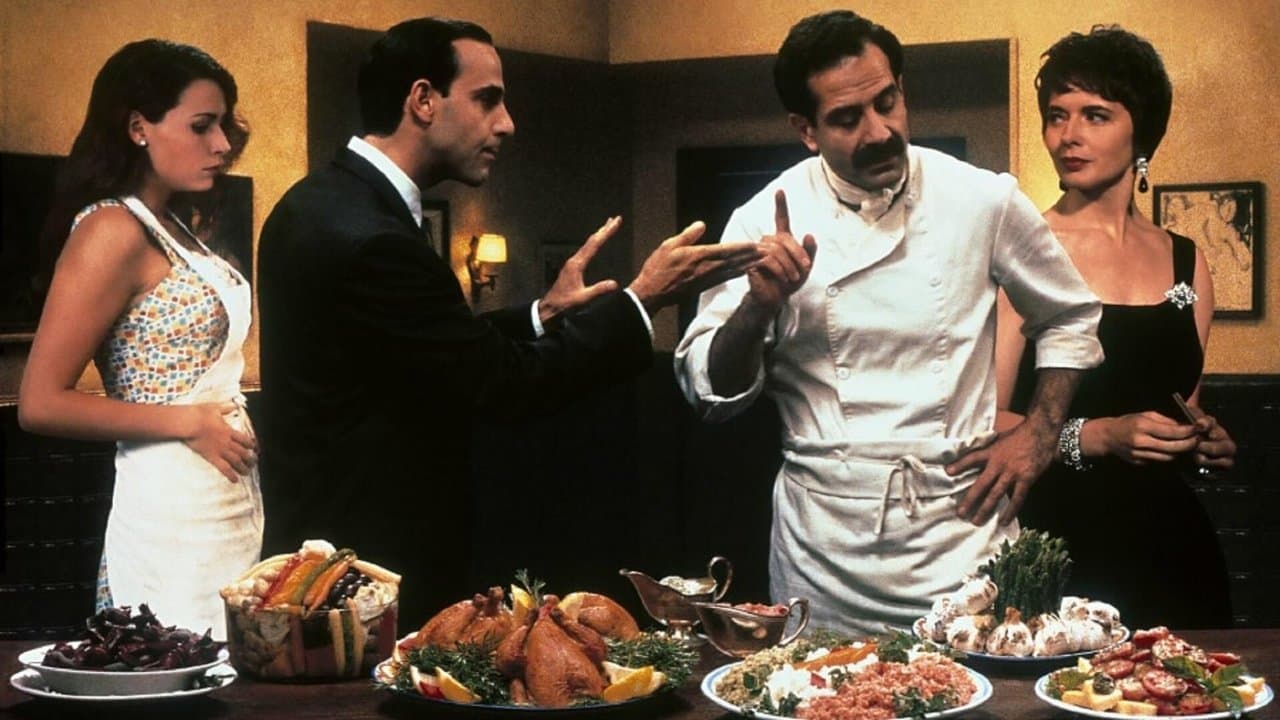
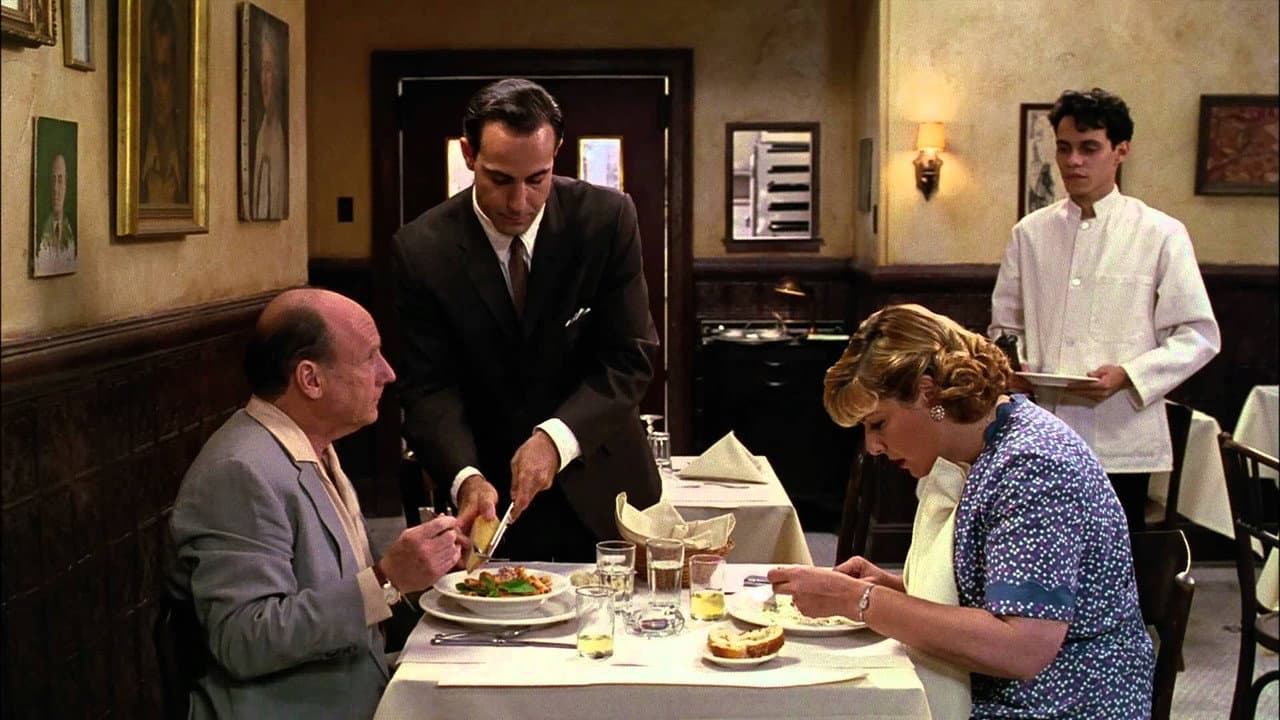
The premise, as conceived by Tucci and his co-writer and cousin Joseph Tropiano, is simple and a little desperate. Primo (Tony Shalhoub) and Secondo (Tucci) run a restaurant called the Paradise, and it is failing. Primo is a perfectionist chef who refuses to compromise his standards for customers who want spaghetti and meatballs instead of the timpano, a monumental baked pasta dish he prepares only for special occasions. Secondo handles the front of the house and the delicate business of keeping his brother's temper in check. Their hope arrives in the form of a promised banquet honoring the singer Louis Prima, a feast the brothers believe will rescue their business if they can pull it off.
A Cast That Reads Like a Reunion of Character Actors
The film's ensemble remains one of its most durable pleasures. Minnie Driver appears as Phyllis, Ian Holm as Pascal, Isabella Rossellini as Gabriella, Caroline Aaron as a woman in the restaurant, Marc Anthony as Cristiano, and Allison Janney as Ann. The chemistry between Shalhoub and Tucci holds the center of the picture, with Secondo's weary diplomacy playing against Primo's furious artistic integrity. Shalhoub, in particular, drew praise for a performance that turns a stubborn cook into something closer to a tragic figure.
The movie runs 109 minutes and blends genres in a way that confounded easy marketing at the time. It is at once a drama, a romance and a comedy - often within the same scene. The humor is dry and observational rather than broad, and the emotional stakes are rooted in the immigrant experience of building something from nothing in a country that does not always appreciate what you have to offer.
The Dinner That Became a Touchstone
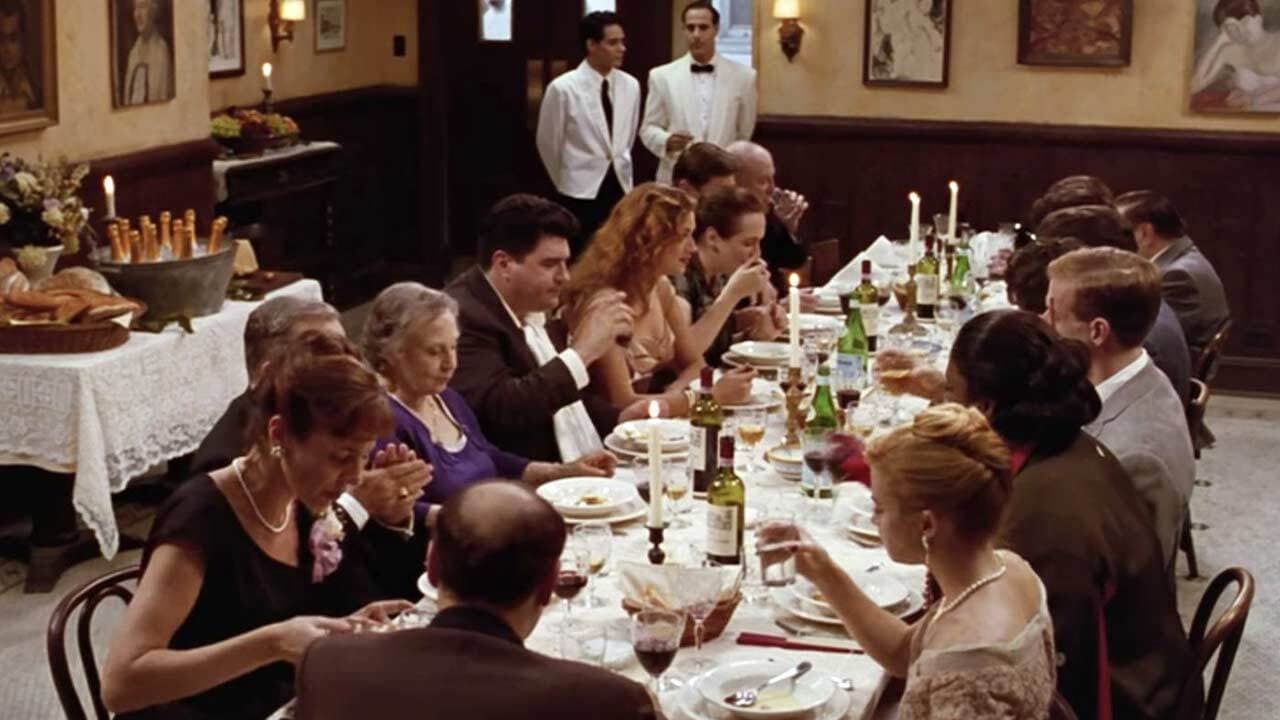
The centerpiece of Big Night is the banquet itself, a sequence that has been discussed, dissected and imitated for thirty years. The preparation and consumption of the meal function as both climax and thesis: food as an expression of love, pride and identity. For many viewers, the film remains inseparable from the memory of the timpano, the labor-intensive dish at the heart of the plot, which became a fixture on restaurant menus and in home kitchens long after the credits rolled.
What gives the film its staying power, though, is not the spectacle of the kitchen. It is the quieter moments - arguments between brothers, small betrayals, awkward romantic encounters - that accumulate into a portrait of people trying to hold on to their dignity while their livelihoods slip away. The film never mocks its characters, even when they behave foolishly, and that generosity has kept it in circulation through home video, television airings and repertory screenings.
A Slow Burner That Outlasted Its Opening Weekend
Big Night was never designed as a blockbuster, and it did not behave like one on release. It found its audience gradually, through word of mouth and critical support, building a following that has proved far more durable than that of many bigger films from the same year. Its current TMDb rating of 6.982 out of 10 reflects a broad and affectionate consensus rather than a cult single-mindedness.
The film also has a life beyond its own runtime. Tucci went on to a long career in front of and behind the camera, and Shalhoub became a household name through television. Driver, Rossellini and Holm were already established when the film was made; for Anthony, it was part of an acting career that eventually made him a global music star. Seen today, Big Night functions as a time capsule of a particular kind of independent cinema from the mid-1990s - intimate, character-driven and willing to let a meal carry the weight of an entire story.
Three decades on, the question the film poses has not aged: what do you do when the thing you love most is also the thing that cannot support you? The brothers' answer, served on a single long table, remains one of the most satisfying endings in modern American film.
Source: Hollywood Reporter