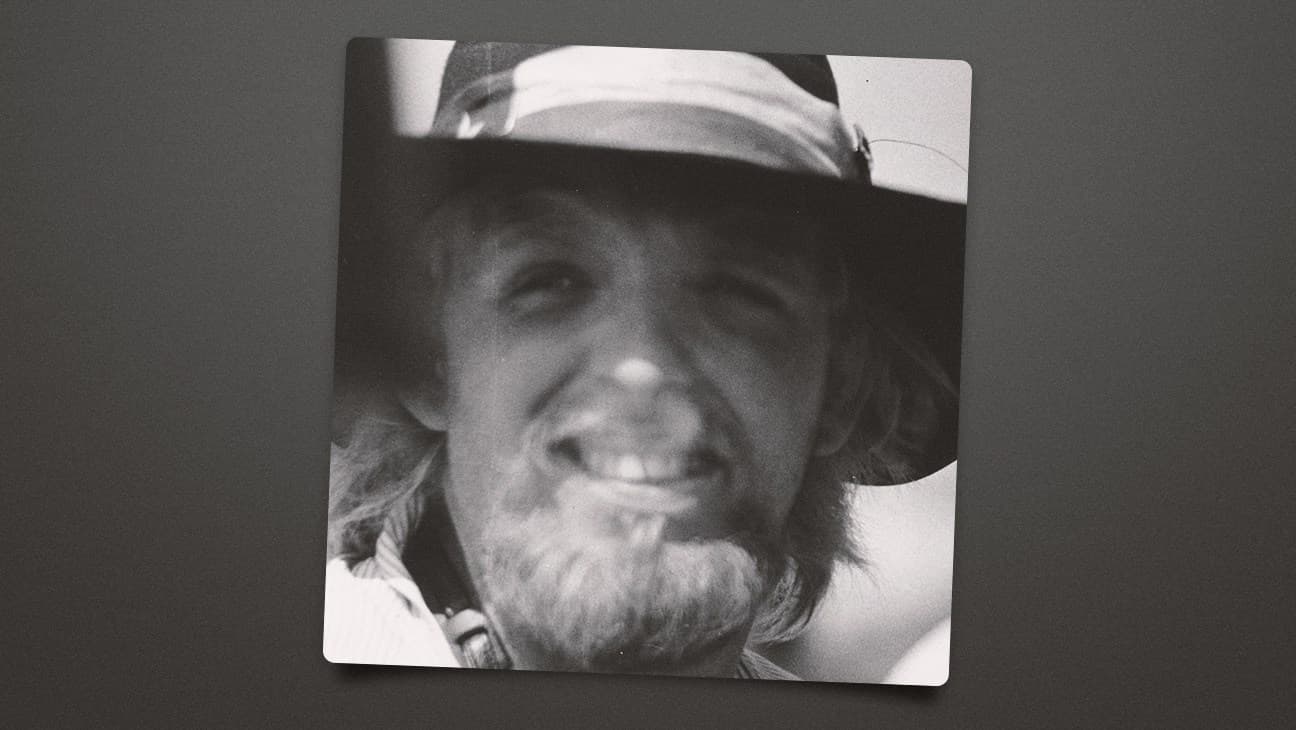
Bill Kerby, the screenwriter whose gritty, character-driven scripts helped power some of the most memorable American films of the 1970s and early ’80s, has died. He was 88.
Kerby’s death was confirmed by his family, though no cause was immediately released. Across a career that spanned roughly two decades of steady studio work, he built a reputation as a writer drawn to outsiders, strivers and self-destructive talents - figures whose ambitions carried them toward either transcendence or ruin.
He was best known for three films that, taken together, map the range of his interests: the rodeo drama The Last American Hero, the hard-living stuntman comedy-drama Hooper, and The Rose, a wrenching portrait of a rock star in freefall.
A Voice for the Restless and the Ruined
The Last American Hero, released in 1973, grew out of journalist Tom Wolfe’s reporting on stock-car driver Junior Johnson. Kerby’s screenplay followed a young moonshine runner who claws his way into the professional racing circuit, only to find that success comes with its own compromises. The film starred Jeff Bridges and gave early screen time to a young Gary Busey. It was the kind of project Kerby understood instinctively - a story about a man caught between the place he came from and the world he was trying to conquer.
Five years later came Hooper, directed by Hal Needham and starring Burt Reynolds as an aging Hollywood stuntman staring down his own obsolescence. The film balanced broad comedy with a genuine, almost elegiac affection for the men who threw themselves off buildings and out of cars for the camera. Reynolds was at the height of his box-office power, and Hooper became one of the year’s biggest hits.
But it was The Rose that cemented Kerby’s standing as a writer of real emotional force. Released in 1979 and loosely inspired by the life of Janis Joplin, the film starred Bette Midler as a self-destructive rock singer whose talent is matched only by her appetite for self-annihilation. The role earned Midler an Academy Award nomination for Best Actress and became the defining dramatic performance of her career. Kerby’s script - co-written with Bo Goldman, though the two worked separately and their drafts were merged - refused to sentimentalize its subject. It presented addiction and fame as twin engines of a slow-motion collapse, and it ended on a note of devastating quiet.
A Writer’s Writer in a Changing Hollywood
Kerby came up in an era when studios still bet on original, adult-oriented screenplays, and he benefited from that appetite. His work was often praised for its ear for vernacular - the way racers, stuntmen and musicians actually talked - and for its unwillingness to tidy up messy lives. He was not a writer who chased trends. He chased people.
His filmography was not long, and it was not without detours. Like many screenwriters of his generation, he did uncredited polish work and watched projects stall in development. But the films that did reach the screen carried a consistent sensibility: a sympathy for people who burn bright and pay for it.
Tributes began circulating quickly among filmmakers and critics who grew up on his movies. Several noted that The Rose in particular had aged into something like a prophecy - a portrait of a female artist consumed by an industry that claimed to celebrate her.
Kerby is survived by his family and by a body of work that continues to be rediscovered by new generations of viewers. No public memorial has been announced.
Source: Hollywood Reporter