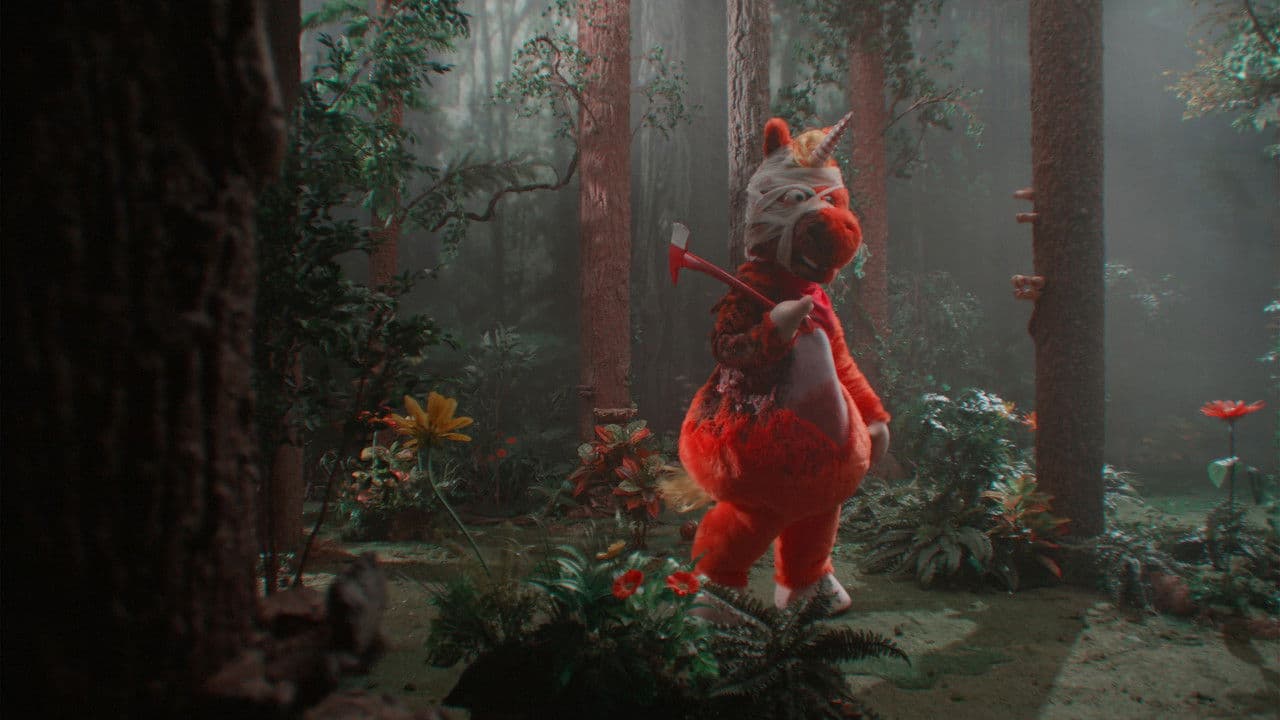
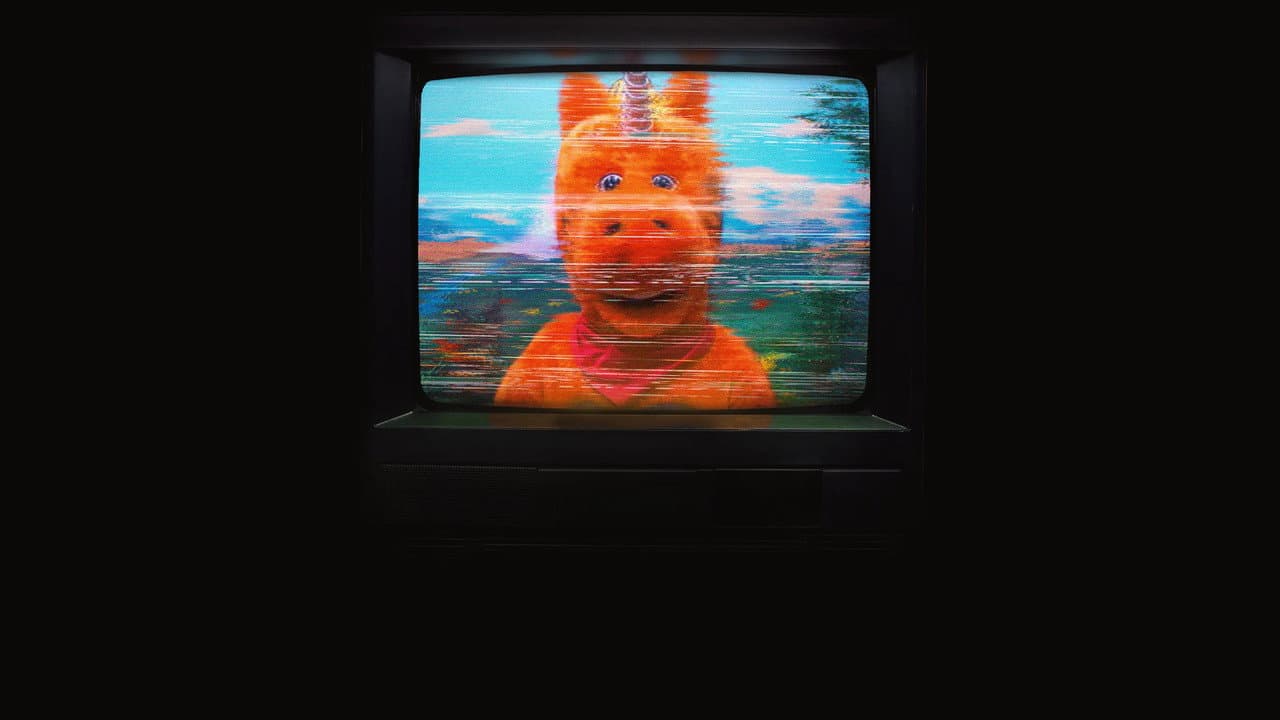
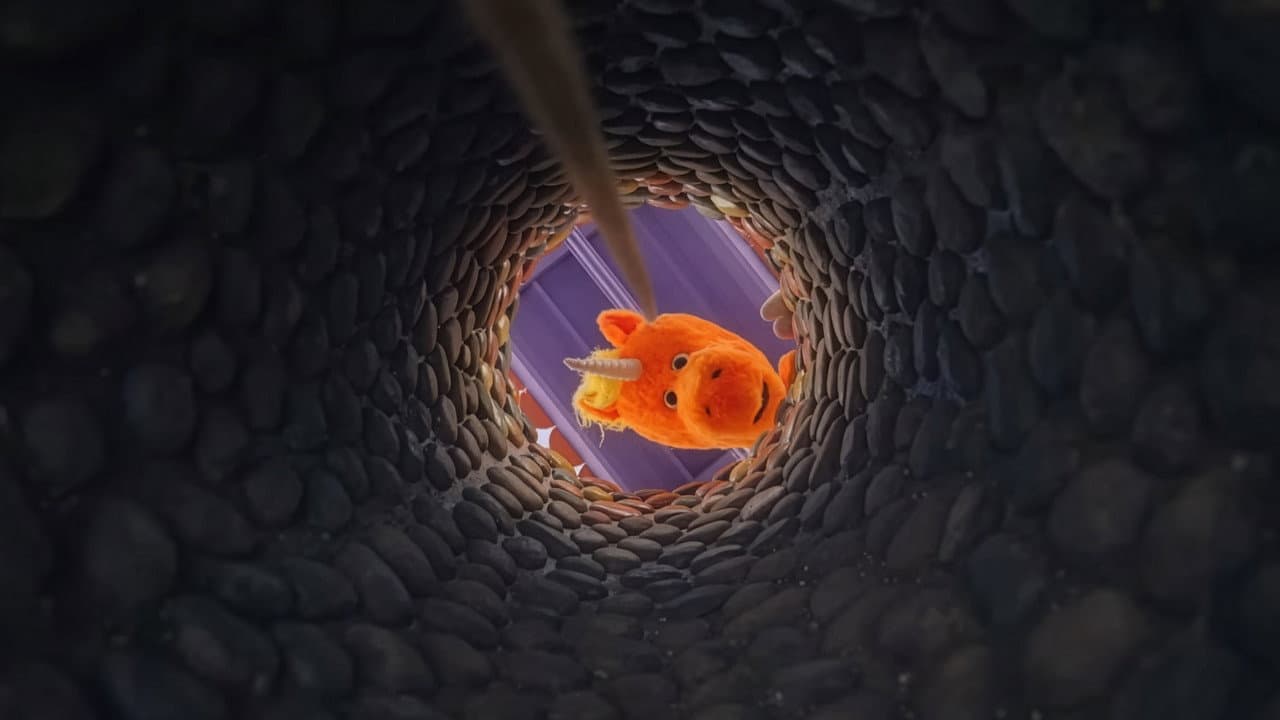
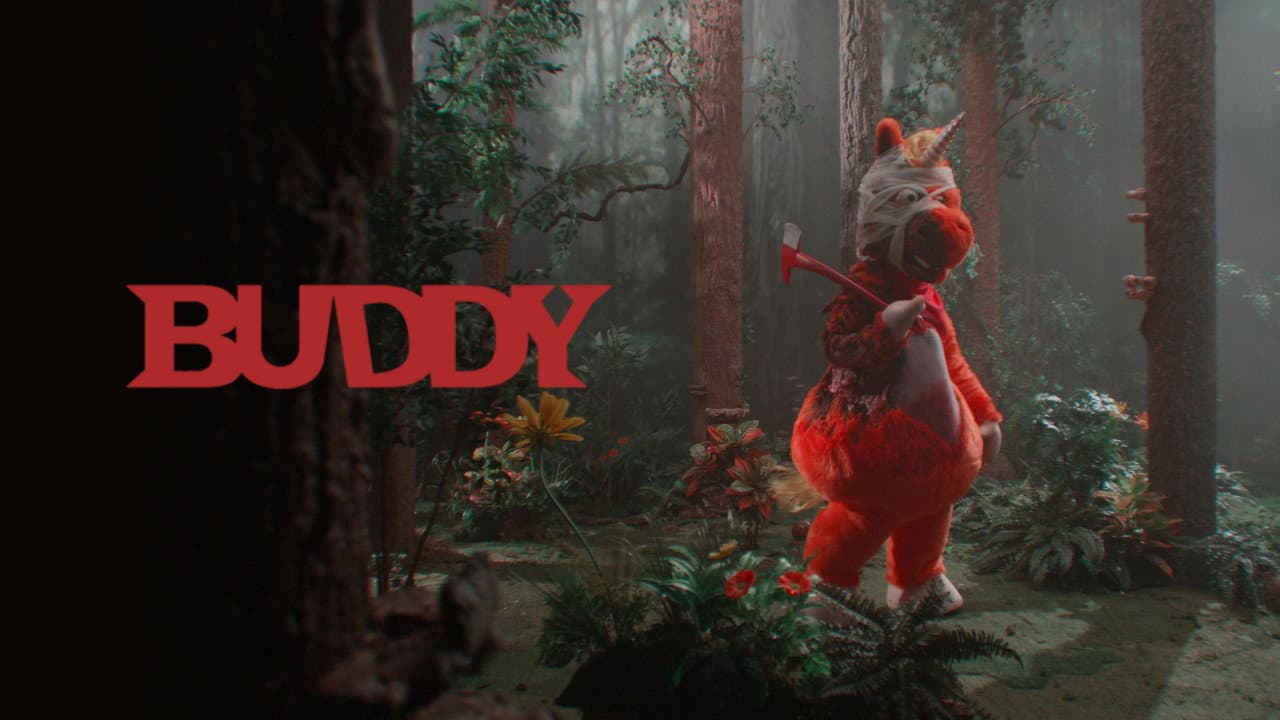
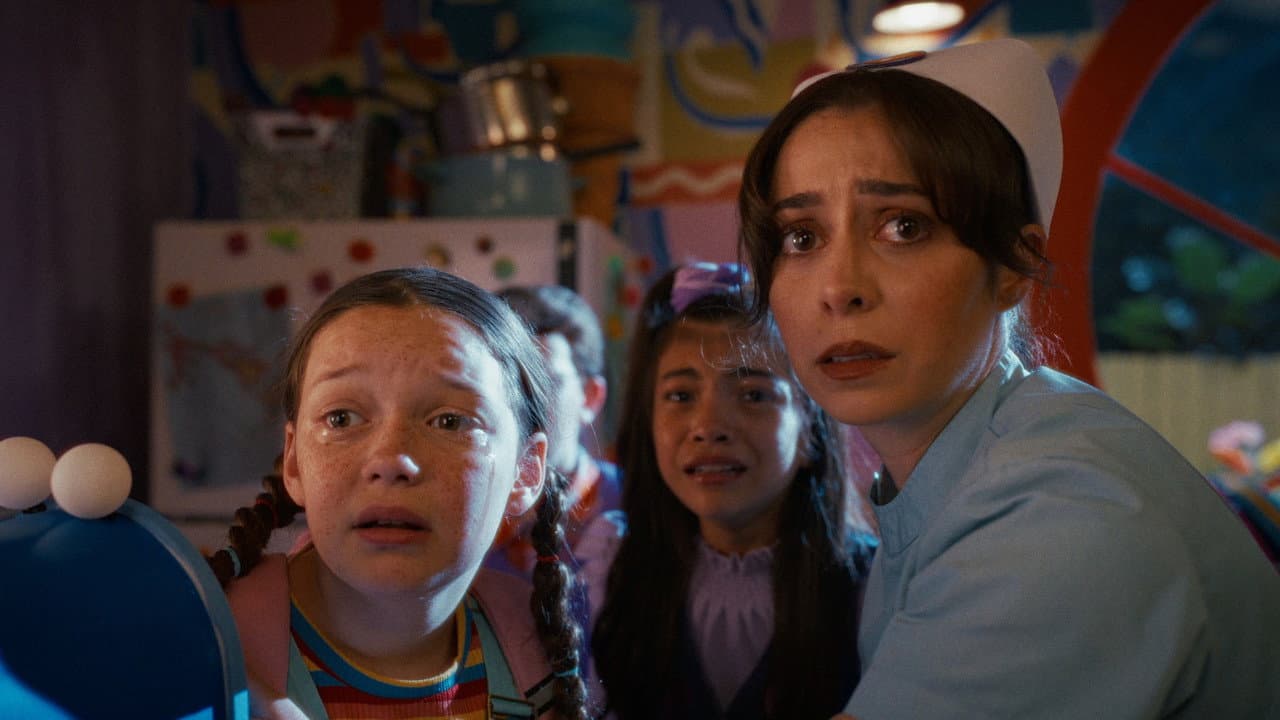
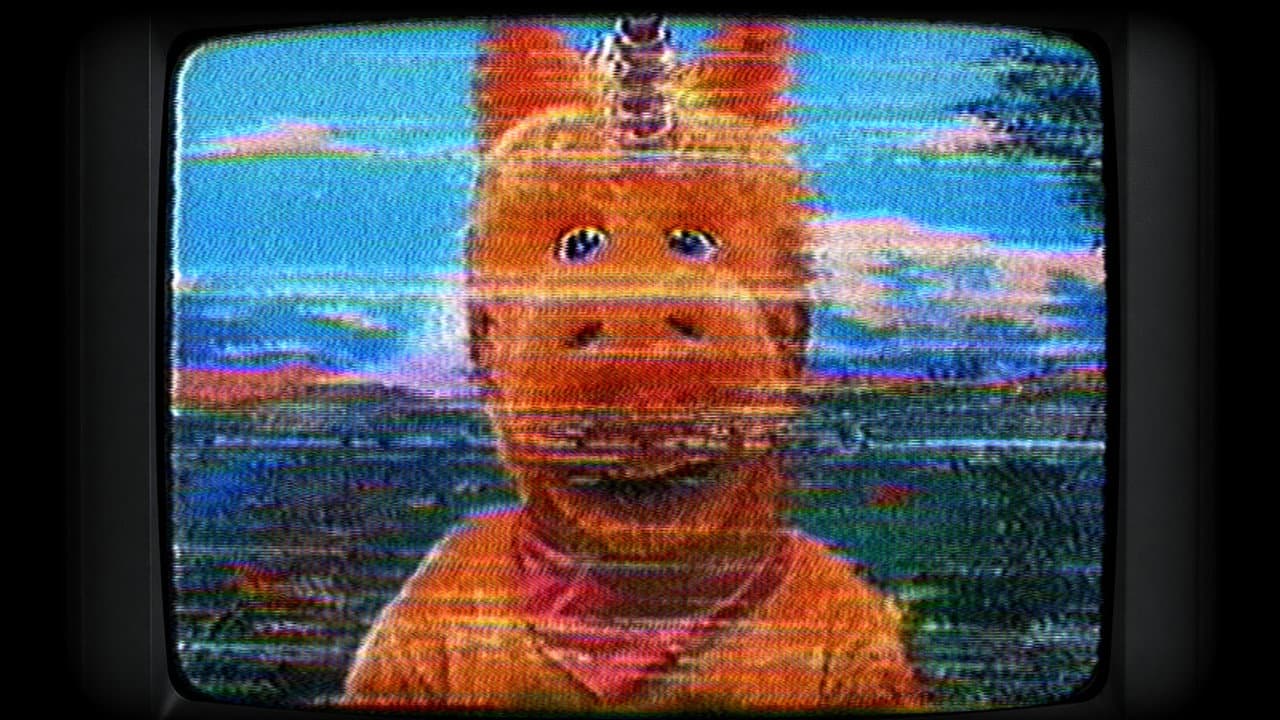
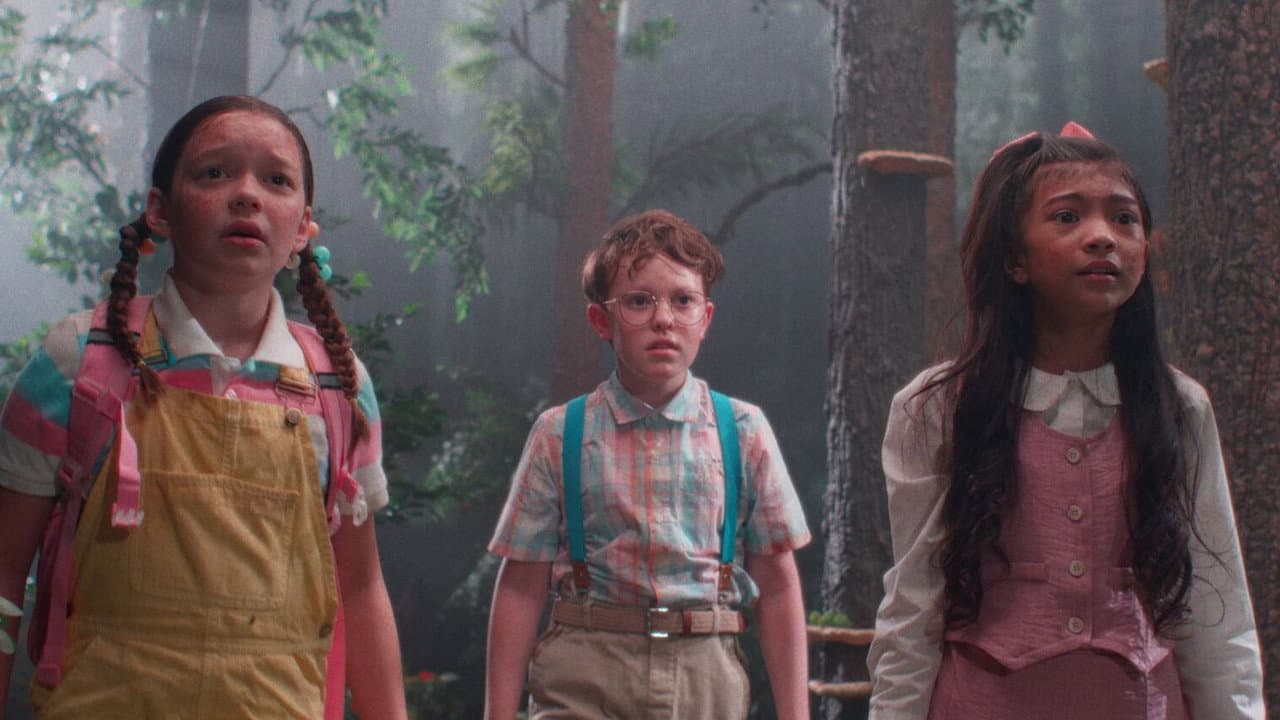
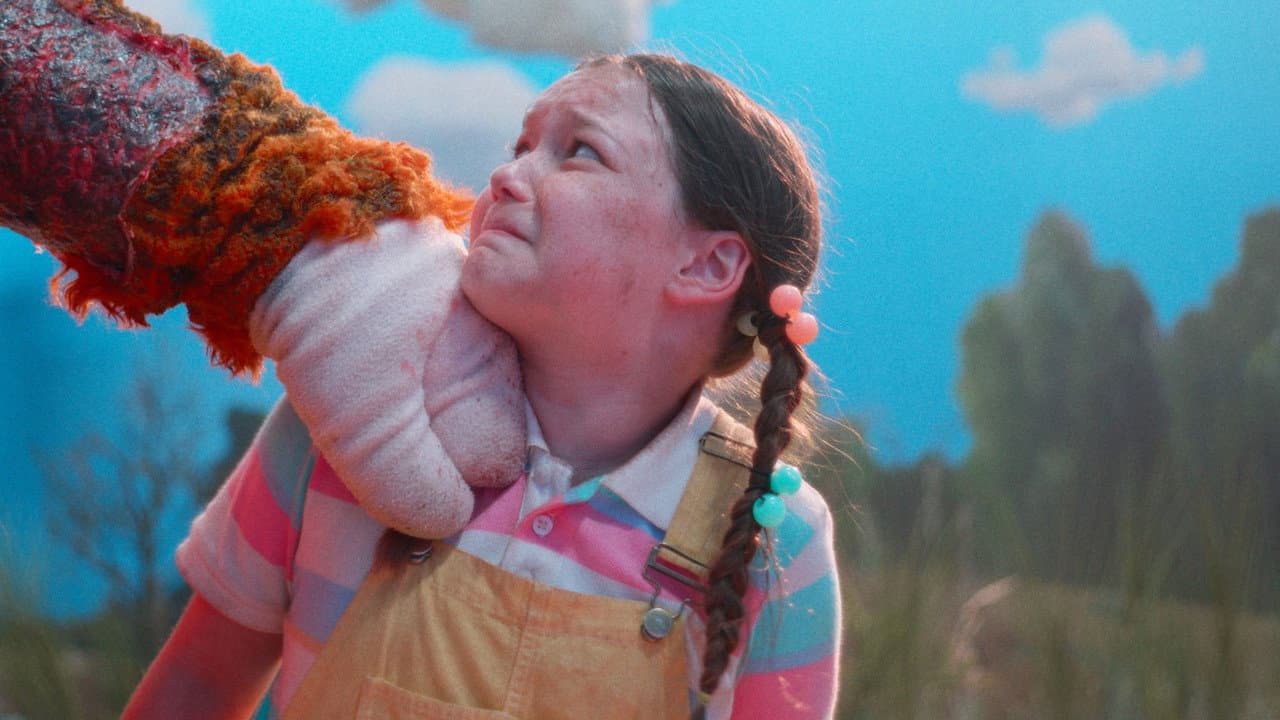
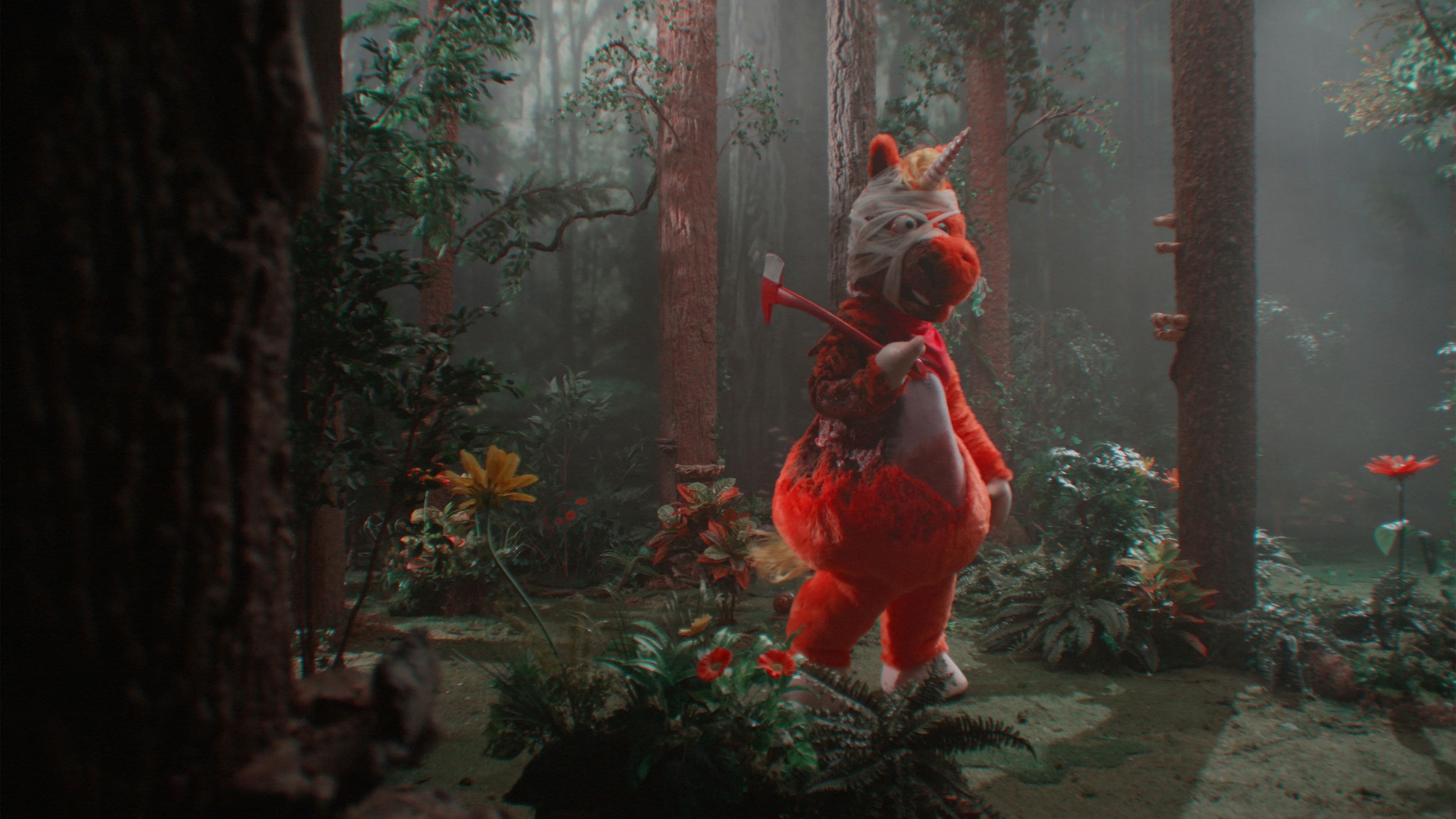
The premise is deceptively simple: Grace (a spectacularly frayed Cristin Milioti) and her son Freddy (Delaney Quinn) are trapped inside a surreal, low-budget TV-show dimension. They share this pastel-colored hellscape with Ben (Topher Grace, playing the quintessential "nice guy" turning sour), a talking mailbox, a worry-well, and a potty-mouthed patch of grass. The ruler of this realm is Buddy, a singing orange unicorn voiced with unhinged glee by Keegan-Michael Key. Buddy is the host, the warden, and the entertainment. As the days blur into a loop of saccharine singalongs and forced merriment, Buddy’s cheerfulness curdles into dementia. The cast isn't just trapped; they are hostages in a performance that never ends, forced to smile as the set pieces decay and Buddy’s grip on reality - and theirs - shatters. The plot is less a straight line and more of a spiral, descending into meta-commentary about the nature of entertainment and the cruelty of forced joy.
Buddy (2026) Review: Casper Kelly's Mind-Bending Thriller
Director
Casper Kelly
Language
EN
Release
2026-08-27
Runtime
96 min
Quick Verdict
Buddy is a deranged, chaotic masterpiece of tonal whiplash. It is not a family film, despite the plush protagonist. It’s a meta-textual, psychedelic nightmare that lampoons children’s television, existential dread, and the prison of performative happiness. If you like your comedy black and your horror existential, this is a must-watch. If you’re easily unsettled by talking furniture and singing equines, run.
Story
Review
Casper Kelly operates on a wavelength that defies standard criticism. Buddy is less a narrative and more of an experience, a controlled demolition of tropes we’ve loved since childhood. The film opens with the kind of jangly, cheap animation and cloying theme song you’d expect from a lost 90s puppet show. But the cracks appear immediately. The lighting is off. The shadows are too long. The background music, composed of jaunty kazoos, begins to sound dissonant.
The horror here is deeply psychological. Milioti delivers a powerhouse performance, grounding the absurdity with genuine terror and maternal exhaustion. She is the audience’s anchor, desperately searching for logic in a world that runs on Buddy’s broken whims. Topher Grace is perfectly cast as the affable dad whose patience evaporates, offering a grim look at how quickly "good vibes" turn to resentment.
But the film belongs to Key. His vocal performance as Buddy is a tour-de-force of tonal acrobatics. One minute he’s chirping a friendly tune with Strappy the sentient strap (voiced with sweetness by Patton Oswalt), the next he’s delivering a whispered, venomous monologue about the futility of escape. The character's descent is mirrored by the animation itself - the unicorn’s stitched smile starts to fray, his yarn mane becomes matted, and his eyes, rendered in cheap plastic, seem to follow you with a malevolent intelligence. Michael Shannon provides additional unsettling vocals as Willie, a mysterious presence that hints at a fate even worse than captivity.
The film’s humor is as sharp as its scares. The jokes often land in the uncomfortable space between a giggle and a gasp. Eric Bauza voices a roster of inanimate objects - Mr. Mailbox, Couchy, Trashy, Pee Flower - with such distinct, pathetic personalities that you find yourself caring deeply about a literal piece of trash. This is Kelly’s genius: he makes you invest in the absurd, only to torment it for the sake of a punchline. The movie is hilariously cynical about the entertainment industry, mocking the machinery that churns out content designed to pacify rather than inspire. It’s a film that feels like it was beamed in from another dimension, one where Pee-wee’s Playhouse and The Texas Chain Saw Massacre share a bunk bed.
Pros & Cons
Pros
- Keegan-Michael Key’s terrifyingly versatile voice performance.
- Cristin Milioti’s grounded, raw emotional anchor amidst the chaos.
- Brilliant practical effects and unsettling costume design that make the world feel tangible and gross.
- A razor-sharp satire of children’s television and performative positivity.
- The film’s willingness to go to genuinely dark, uncomfortable places without pulling punches.
Cons
- Will be aggressively off-putting for viewers expecting a straightforward comedy.
- The pacing is deliberately jarring; some may find the repetitive loops frustrating rather than hypnotic.
- The meta-commentary occasionally overshadows character development.
- Contains several nightmare-inducing images involving stuffed animals that you cannot unsee.
Rating Breakdown
Final Verdict
Buddy is not a movie for everyone. It is a chaotic, bleeding heart of a film that demands you surrender to its logic. It’s a wild, razor-edged satire that uses its ridiculous premise to explore genuine feelings of entrapment, anxiety, and the crushing weight of artificial happiness. While it might alienate half its audience, the other half will find a new cult classic. It’s the kind of film that you’ll either turn off in disgust or immediately re-watch to catch the clues you missed. For those with a taste for the bizarre, it’s a gloriously demented ride. For everyone else, well, Buddy would be very happy to sing you a song about your feelings until you agree to like it. Just remember to smile. He insists.
Cast
Keegan-Michael Key
Buddy / Dark Buddy (voice)

Cristin Milioti
Grace

Delaney Quinn
Freddy

Caleb Williams
Wade

Madison Skyy Polan
Hannah

Tristan Borders
Oliver

Patton Oswalt
Strappy (voice)

Jimmica Collins
Betty Bunny / Scared Flower (voice)

Eric Bauza
Mr. Mailbox / Worry Well / Couchy / Trashy / Pee Flower (voice)

Topher Grace
Ben

Bryson JonSteele
Derek

Seamus Flynn
Timothy
Gallery