James Watkins did not simply cast Tom Rhys Harries as the lead in Clayface. He made the Welsh actor earn it, repeatedly, across a process the director now describes as one of the most demanding he has ever put an actor through.
"He auditioned the hell out of it," Watkins told Hollywood Buzz News ahead of the film's October 21 release. "Some actors walk in and you just know. Tom didn't want that. He wanted to show me he could carry the whole thing, and he did, three times over."
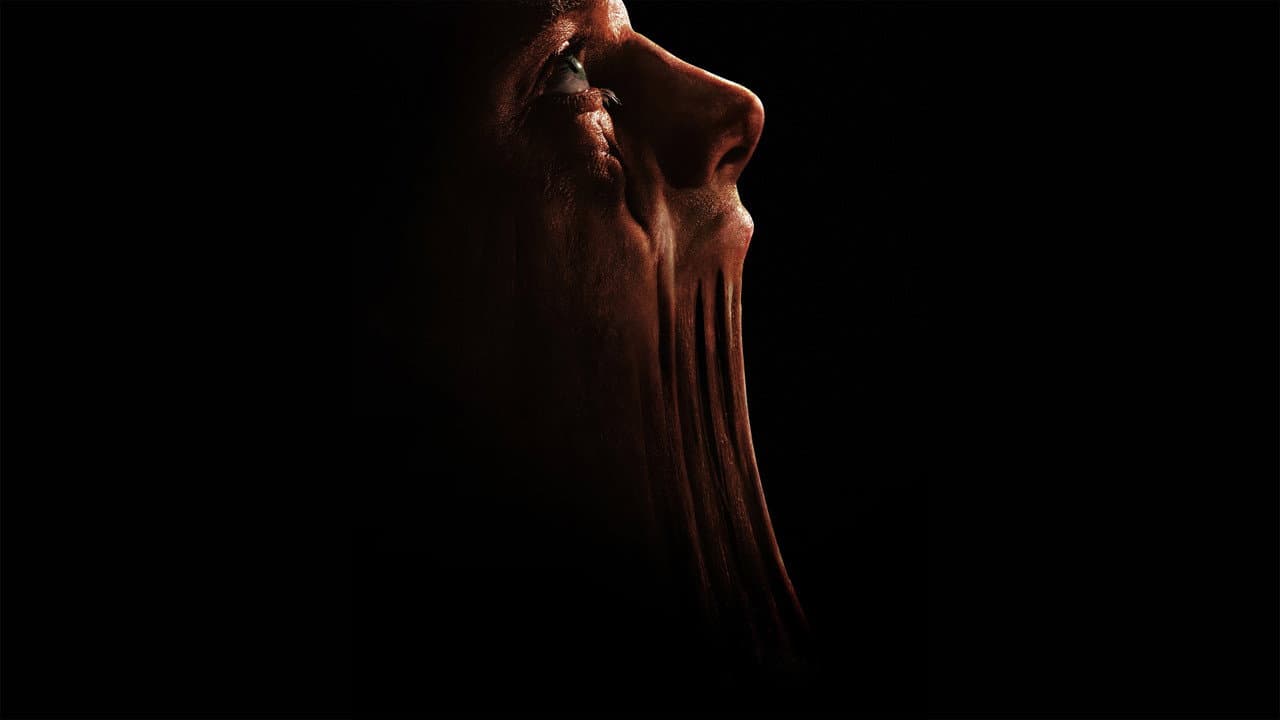
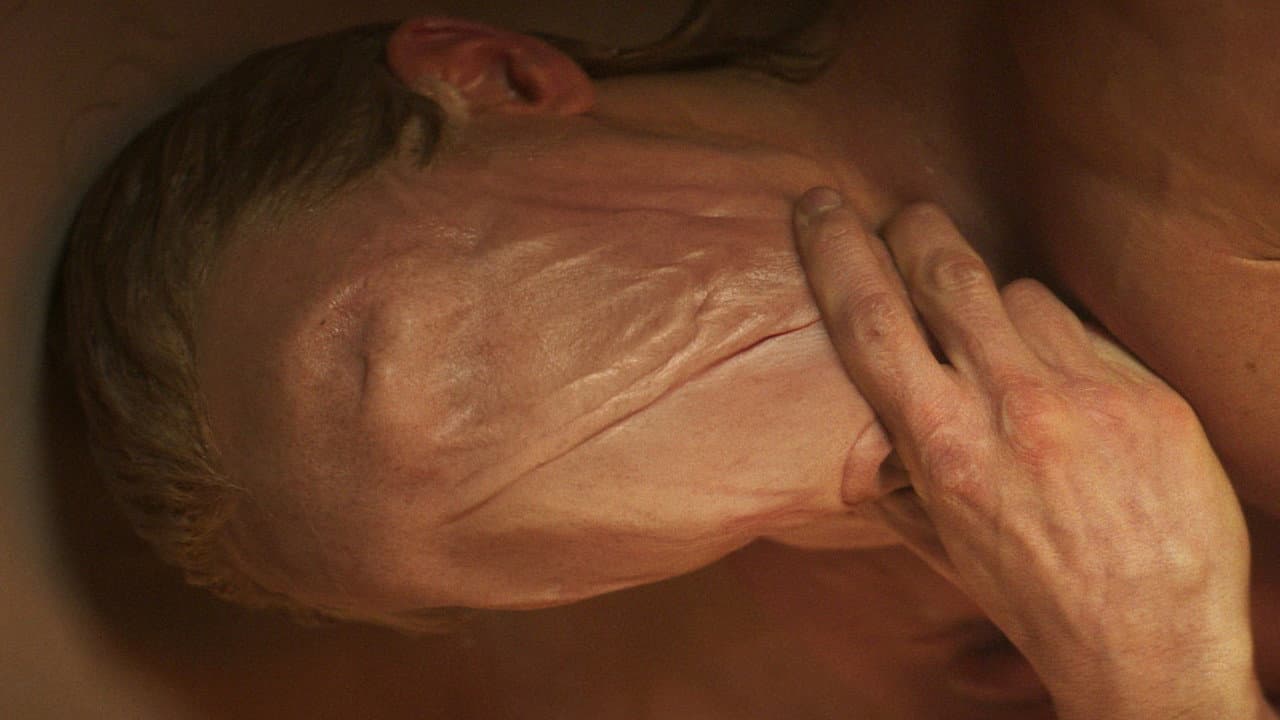
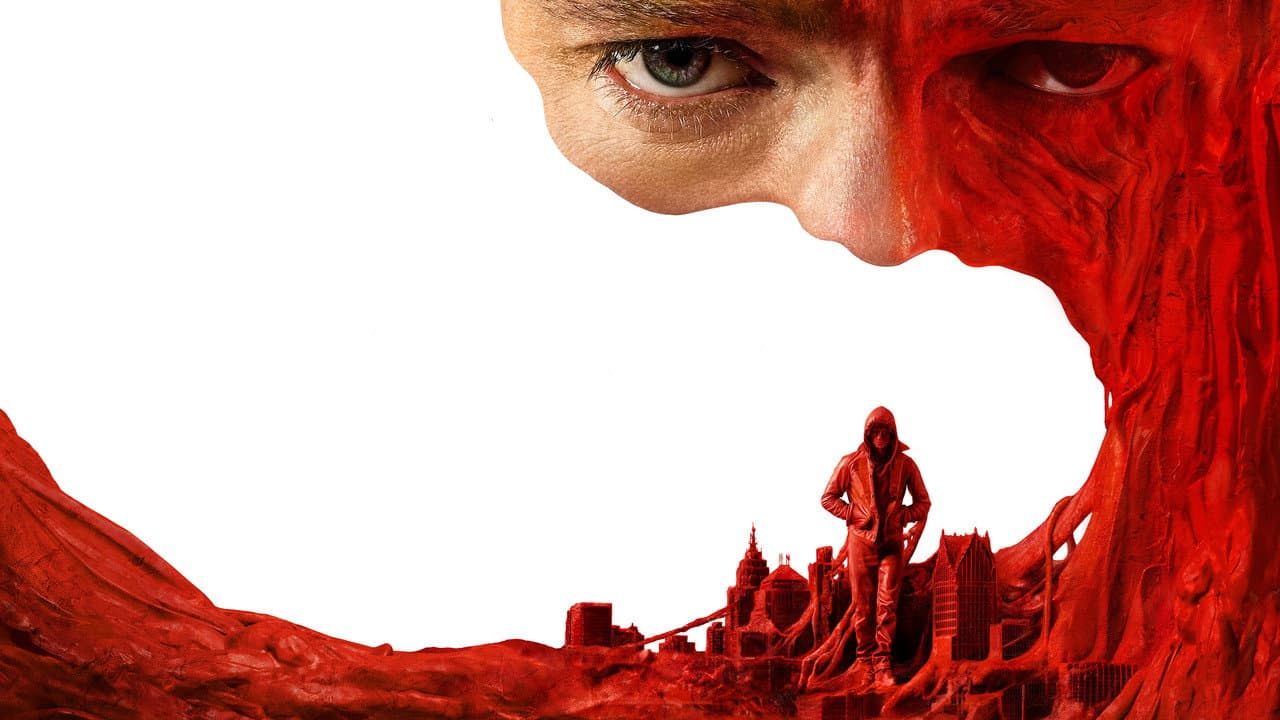
That diligence matters, because the role at the center of Clayface asks for two distinctly different performances from the same man. Harries plays Matt Hagen, a Gotham street kid whose improbable ascent turns him into a Hollywood leading man, only for a local crime boss's actions to leave him catastrophically disfigured. Abandoned by his team and with nothing left, Hagen pursues a cutting-edge treatment that restores his former appearance - and quietly dismantles his grip on reality, sending him down a path of all-consuming revenge.
Watkins, whose filmography leans toward tense, psychologically bruising genre work, said the dual nature of the part was exactly what drew him to Harries. "You need someone who can be the person the audience falls for and then the person the audience is terrified of," he said. "And you need the same eyes in both. Tom has those eyes."
The director was equally deliberate about the world surrounding his lead. Naomi Ackie plays Caitlyn Corr, with Eddie Marsan, Max Minghella, David Dencik, Francesca Corney, Ruby Sear and Wil Coban rounding out a cast that Watkins described as assembled with an eye toward grounding the film's more fantastical turns. Minghella appears as John Borrelli; Sear plays Theresa, and Coban takes on the role of Bones.
Clayface arrives under the Horror, Thriller and Science Fiction banners, a combination that reflects the film's refusal to sit in a single lane. At 108 minutes, it is a lean, English-language Hollywood production that Watkins said he deliberately kept from sprawling. "There's no fat on it," he said. "Every scene is pushing Matt somewhere he can't come back from."
That compression extends to the treatment at the story's core, which Watkins framed less as science fiction spectacle than as a character trap. "The miracle is the worst thing that ever happens to him," he said. "That's the movie."
Early audience metrics suggest the approach is landing. The film currently holds a TMDb rating of 8.583 out of 10, a notably strong figure for a genre hybrid arriving without the safety net of an established franchise. Watkins acknowledged the number but declined to treat it as vindication. "I don't make films for a score," he said. "But it's nice when people tell you they couldn't shake it."
If there is a throughline in Watkins' career, it is an interest in men whose interior collapse outpaces their exterior one, and Clayface fits that pattern precisely. Hagen's disfigurement is the inciting wound, but the film's real subject, by the director's own account, is what happens when a person is handed a second version of himself and cannot decide which one is real.
"We talked a lot about the difference between being seen and being recognized," Watkins said of his work with Harries. "Matt gets seen again. He never gets recognized. Not by the people who matter. That's the tragedy."
Watkins was candid about the physical and psychological demands he placed on his star, describing a production in which Harries was frequently required to toggle between versions of Hagen within a single shooting day. "It's a brutal schedule for any actor," Watkins said. "He never once asked for a break. He asked for another take."
The director was similarly forthcoming about why he resisted casting a bigger, more familiar name. "The audience has to meet Matt before they know what he becomes," he said. "If you've seen the actor do this a hundred times, you're already ahead of the character. Tom let the audience stay behind him. That's a gift."
Clayface opens in theaters on October 21, 2026. For Watkins, the release marks the end of a project he has lived with for years, and the beginning of an argument he seems content to have with audiences.
"People will come for the transformation," he said. "I hope they leave thinking about the man before it. That's the part Tom built. That's the part he auditioned the hell out of."
Source: Hollywood Reporter