

Jordan Firstman is still processing the strangest week of his professional life. The writer-director-actor behind the upcoming comedy-drama Club Kid says the bidding war that erupted at Cannes over his feature directorial debut felt less like a career milestone and more like a stress test. "You choose the fate of your life in a day," Firstman recalled of the whirlwind negotiations, describing a compressed window in which multiple buyers circled the project before he had time to second-guess himself.
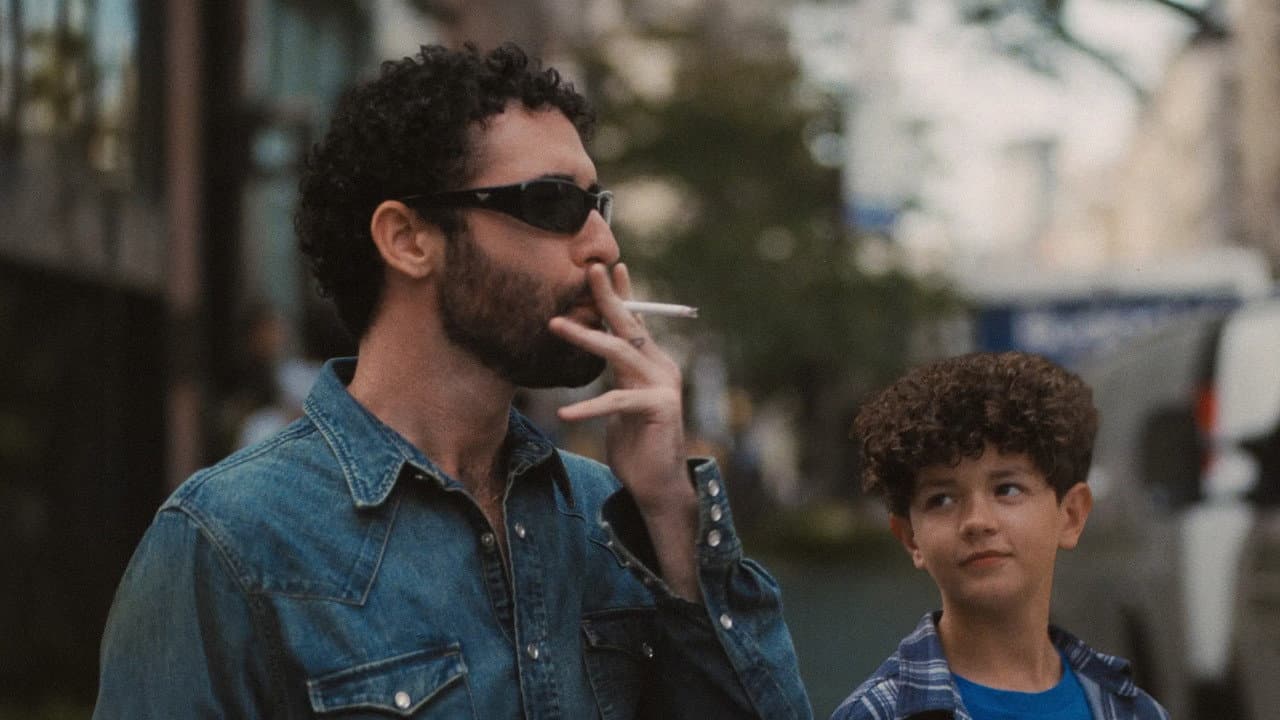
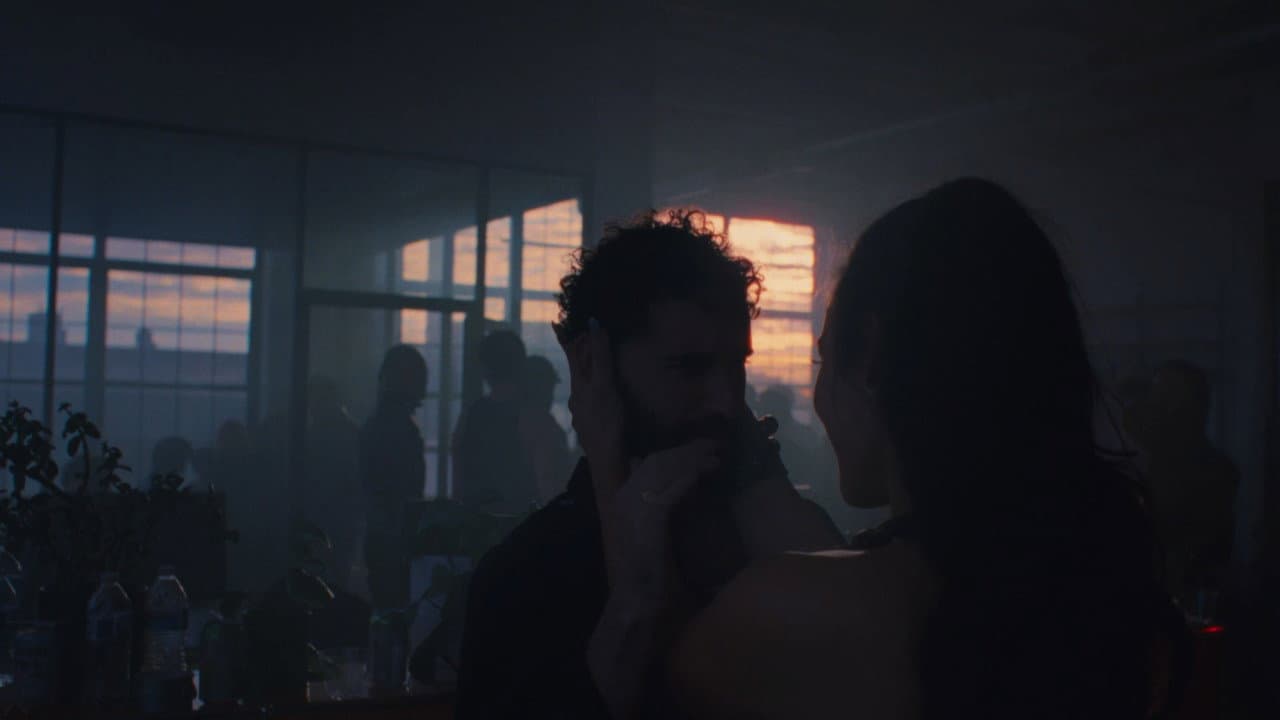
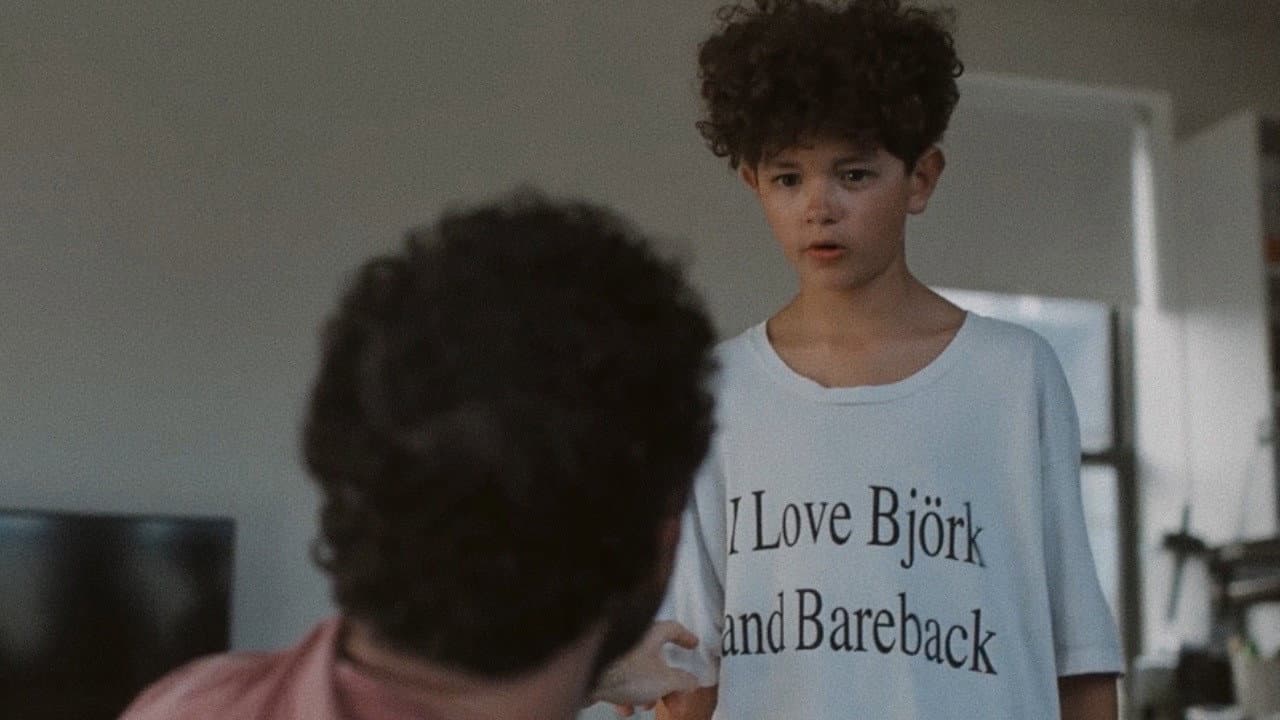
The film, which Firstman also wrote, stars him as Peter, a hard-partying New York City club promoter whose relentless nightlife existence is upended when a 10-year-old son he never knew existed suddenly enters his life. Set for release on November 4, 2026, Club Kid runs 126 minutes and blends comedy with drama. It is an English-language Hollywood production.
Firstman is perhaps best known for his off-kilter comedic presence and his collaborations with larger pop-culture figures, but Club Kid marks a different kind of swing. The premise hinges on a familiar redemption arc - the hedonist forced to grow up - yet the filmmaker has suggested the movie resists tidy moralizing. Peter's world is not simply corrected by fatherhood; it is destabilized by it. That tension is what reportedly drew such heated interest from buyers on the Croisette.
A Cannes Auction That Moved Faster Than Expected
Film markets are usually slow, transactional affairs. Not this time. According to Firstman, interest in Club Kid snowballed across a single day, with suitors making increasingly aggressive offers while he scrambled to weigh what each deal would mean for the finished film. He described the experience as surreal and slightly disorienting - the kind of moment where artistic instincts and business imperatives collide.
The phrase he keeps returning to, "you choose the fate of your life in a day," captures the odd stakes of that kind of auction. A filmmaker can spend years developing a script, only to have its distribution future decided in a matter of hours. Firstman has been candid that the speed of it all left little room for reflection.
What ultimately matters, he has implied, is not who won the bidding so much as whether the film reaches audiences intact. That concern is understandable given the movie's tonal ambitions. Club Kid is not a broad studio comedy, nor is it a grim character study. It lives in the messy middle, and whoever acquired it would need to know how to sell that.
A Cast Built for Texture
Firstman has assembled an eclectic ensemble around himself. Reggie Absolom plays Arlo, the son whose arrival rewires Peter's life. Diego Calva, Cara Delevingne, Kirby Howell-Baptiste, Colleen Camp, Vicki Pepperdine, and Nigil Whyte round out the cast, with Calva as Oscar, Delevingne as Sophie, Howell-Baptiste as Edison, Camp as Evelyn, Pepperdine as Lydia Chestworth, and Whyte as Devon.
The mix is telling. Firstman has drawn from both indie-film ranks and the fashion-and-music-adjacent world his character inhabits. Delevingne, in particular, brings an instinctive understanding of club culture's crossover into celebrity, while Howell-Baptiste's dramatic precision could ground the film's more emotional beats. Casting Calva, who broke out in Babylon, signals that Firstman wants real actorly weight alongside the comedic chaos.
The ensemble also suggests Club Kid is not simply a one-man show. Peter's journey may be the engine, but the people around him - fellow promoters, romantic entanglements, and the son who refuses to be ignored - shape whether that journey lands.
The Personal and the Profession
Firstman has long operated at the intersection of comedy and discomfort. His previous work often mines awkwardness for laughs while sneaking in something more vulnerable. Club Kid appears to extend that instinct into feature-length territory, with fatherhood as the destabilizing force that exposes Peter's carefully maintained illusion of freedom.
The stakes feel personal. Firstman is directing himself in his own script, a combination that invites scrutiny. If the film works, it will be because he found the right distance between performance and authorship. If it doesn't, the reasons will be equally visible.
Cannes bidding wars can turn a small movie into a headline, but they cannot guarantee quality. What Firstman seems to understand is that the frenzy was never the point. The point is the 126 minutes on screen - and whether audiences, come November, feel the same jolt of recognition he felt when the story first took hold.
Source: Hollywood Reporter