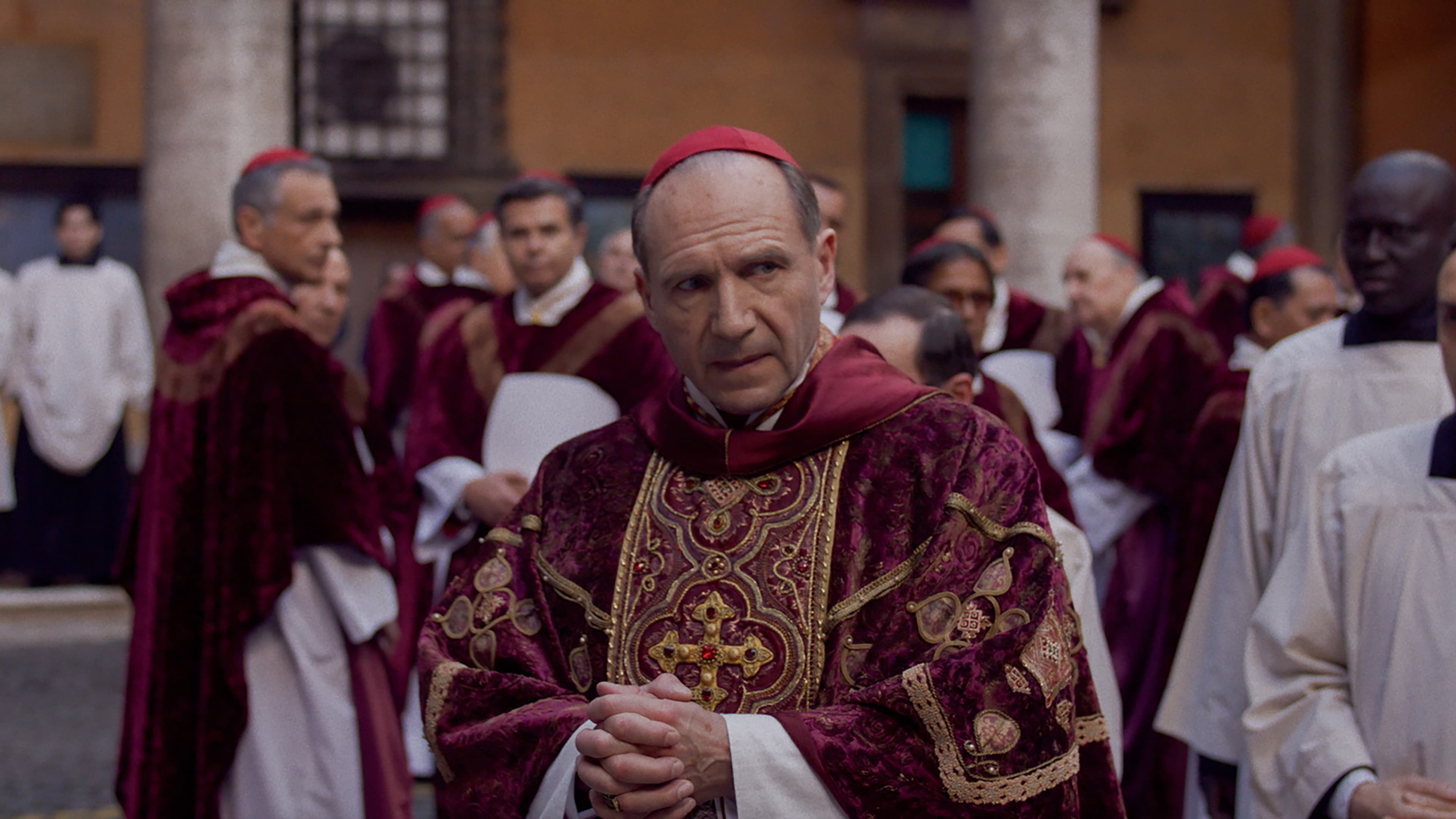
Glen Basner had seen enough film festivals to know when a room was about to turn. What he did not expect, standing in the middle of the Zurich Summit this week, was for Edward Berger to walk him back through the strangest months of the awards calendar like two survivors comparing scars.
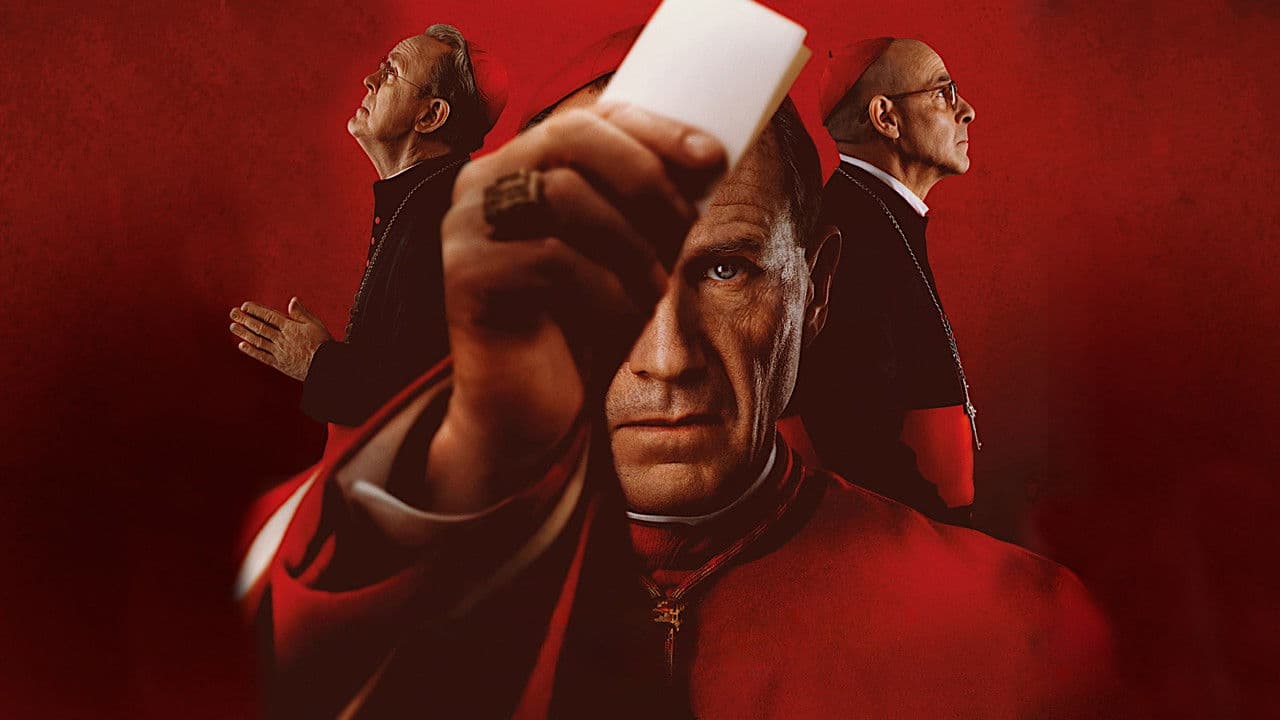
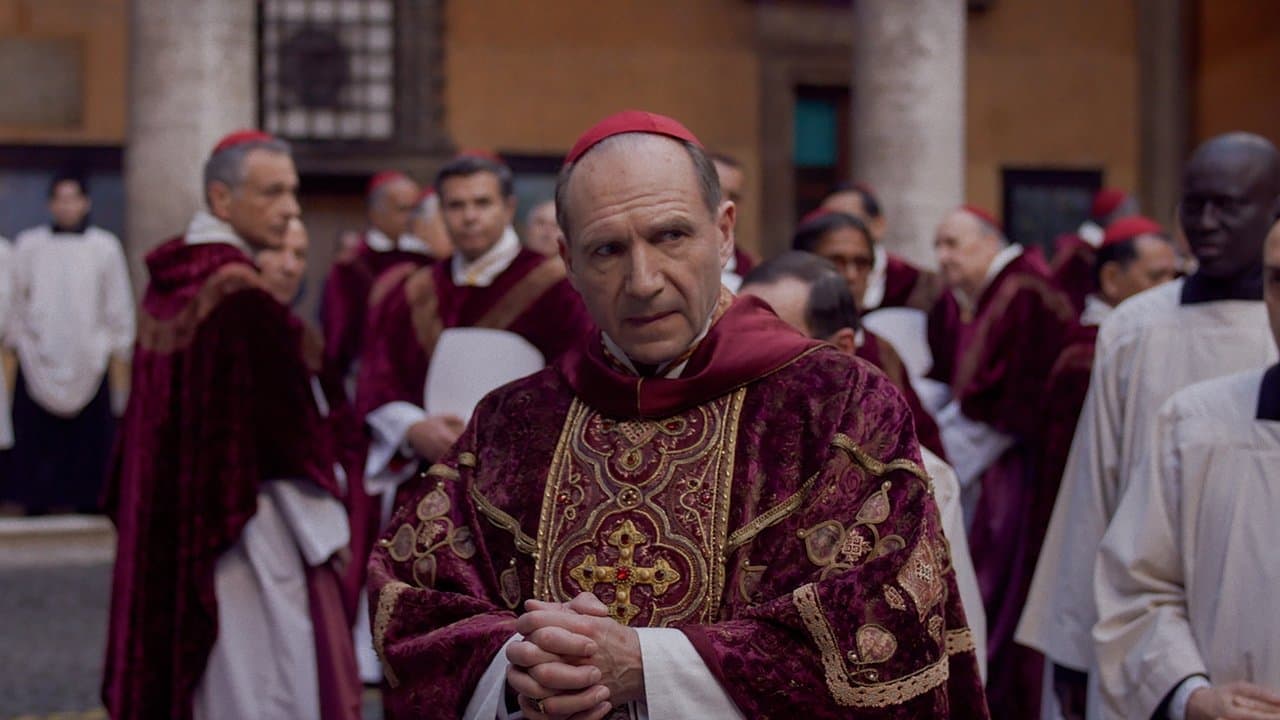
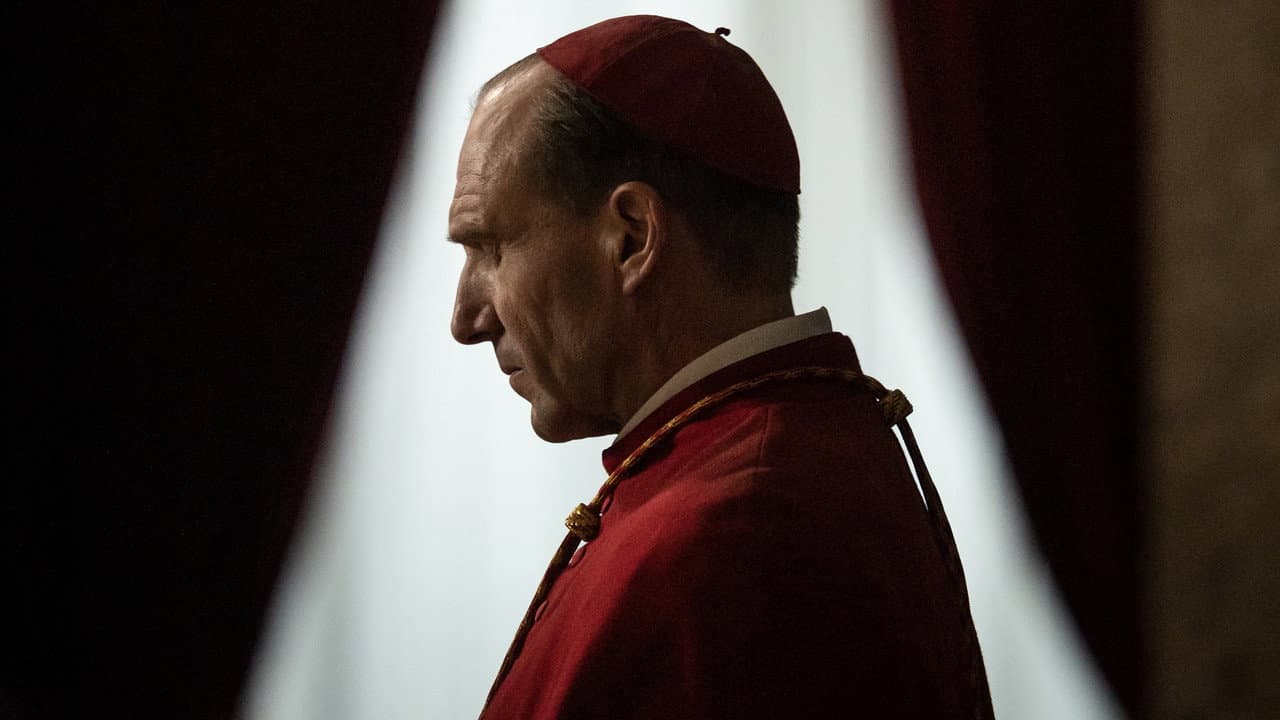
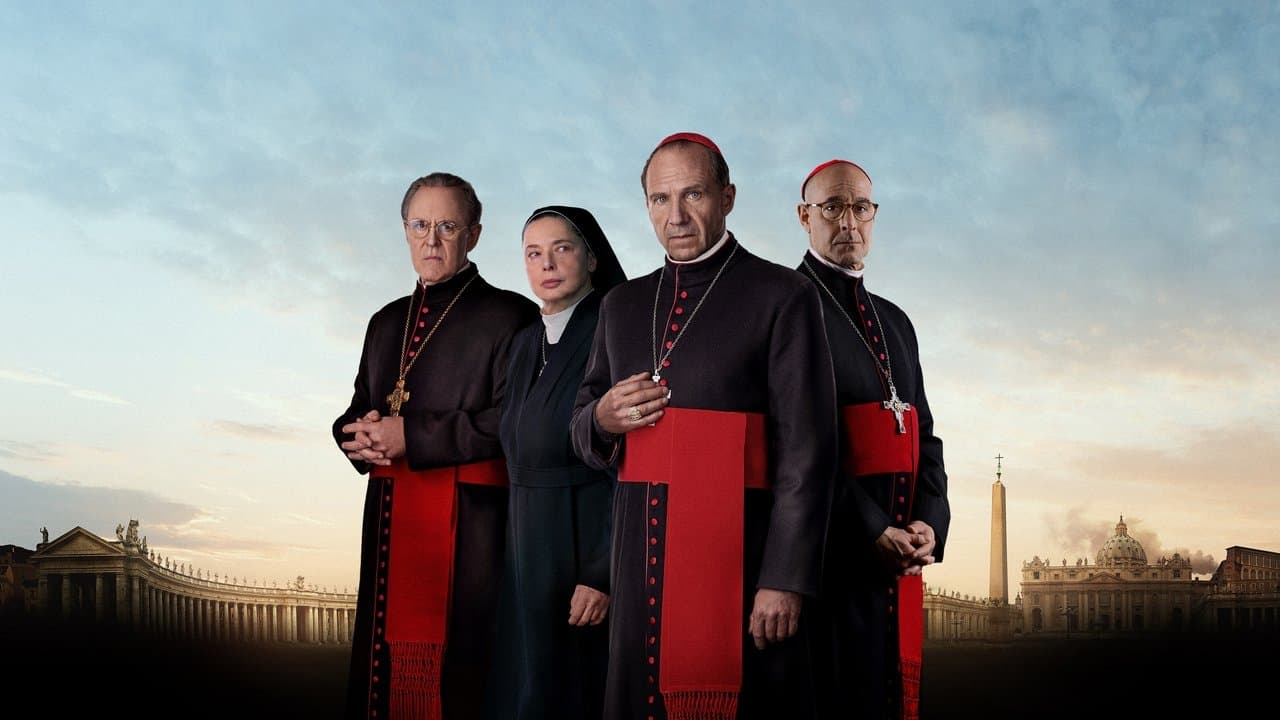
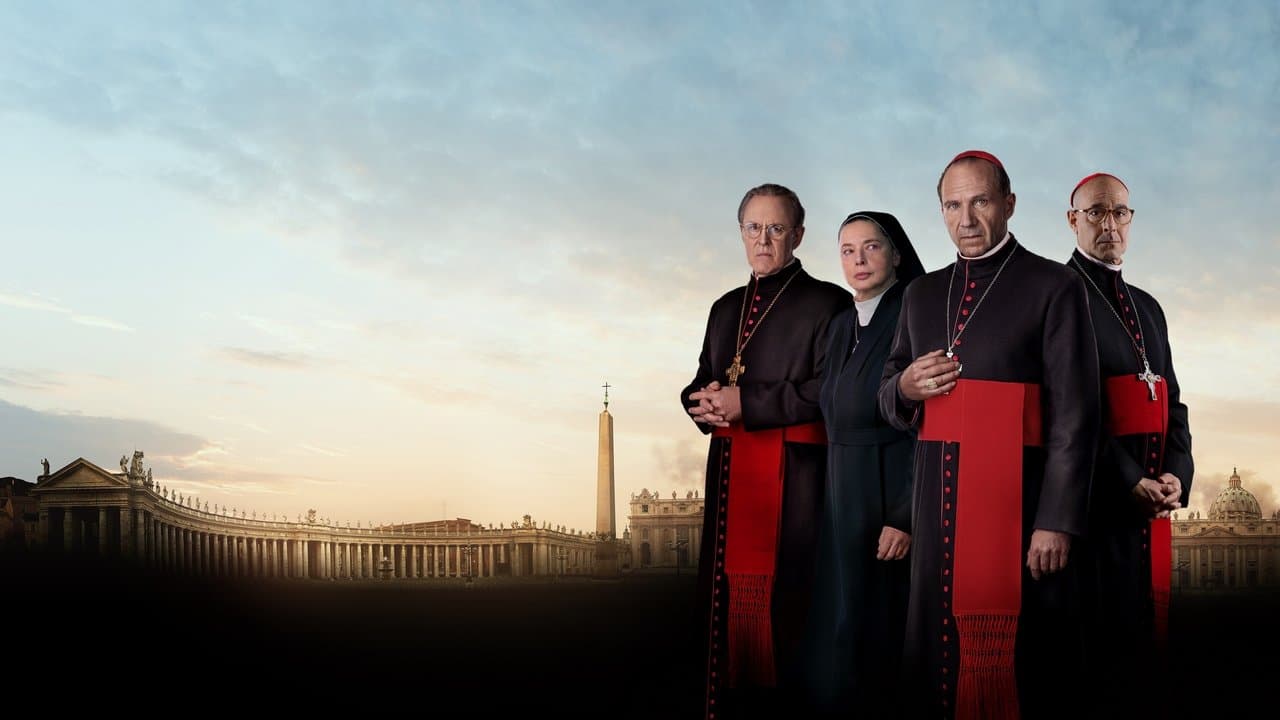
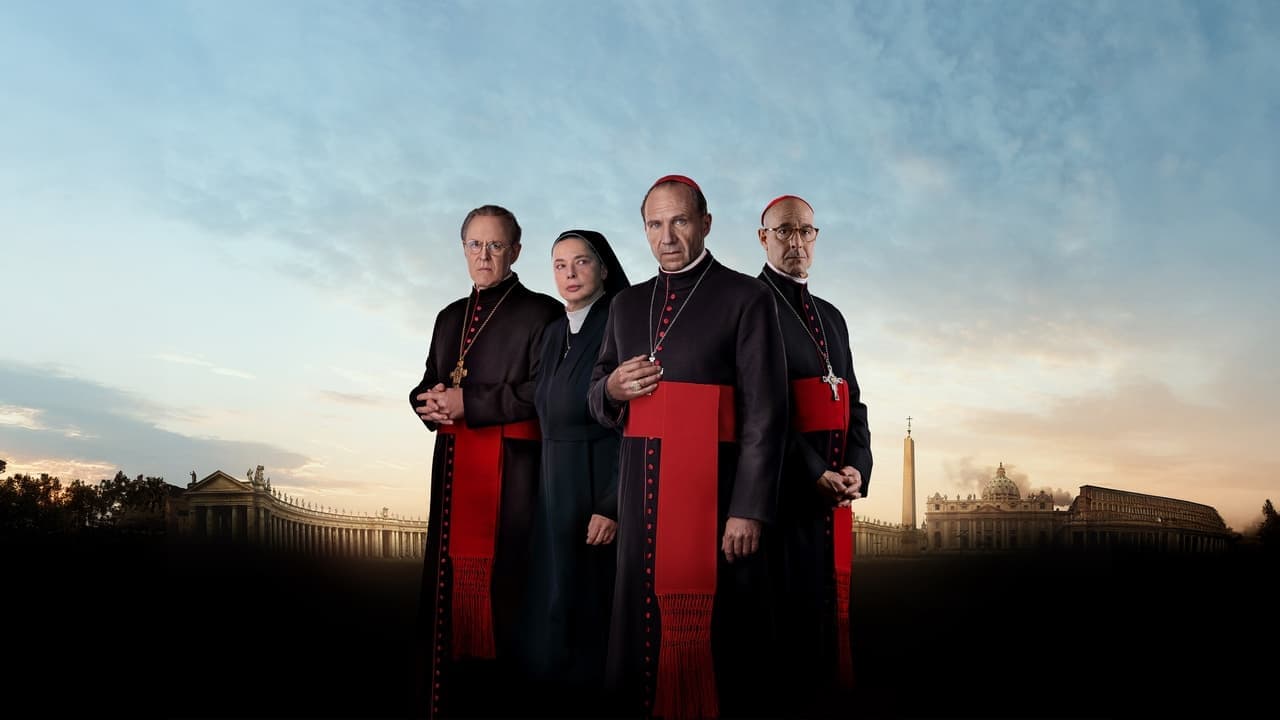
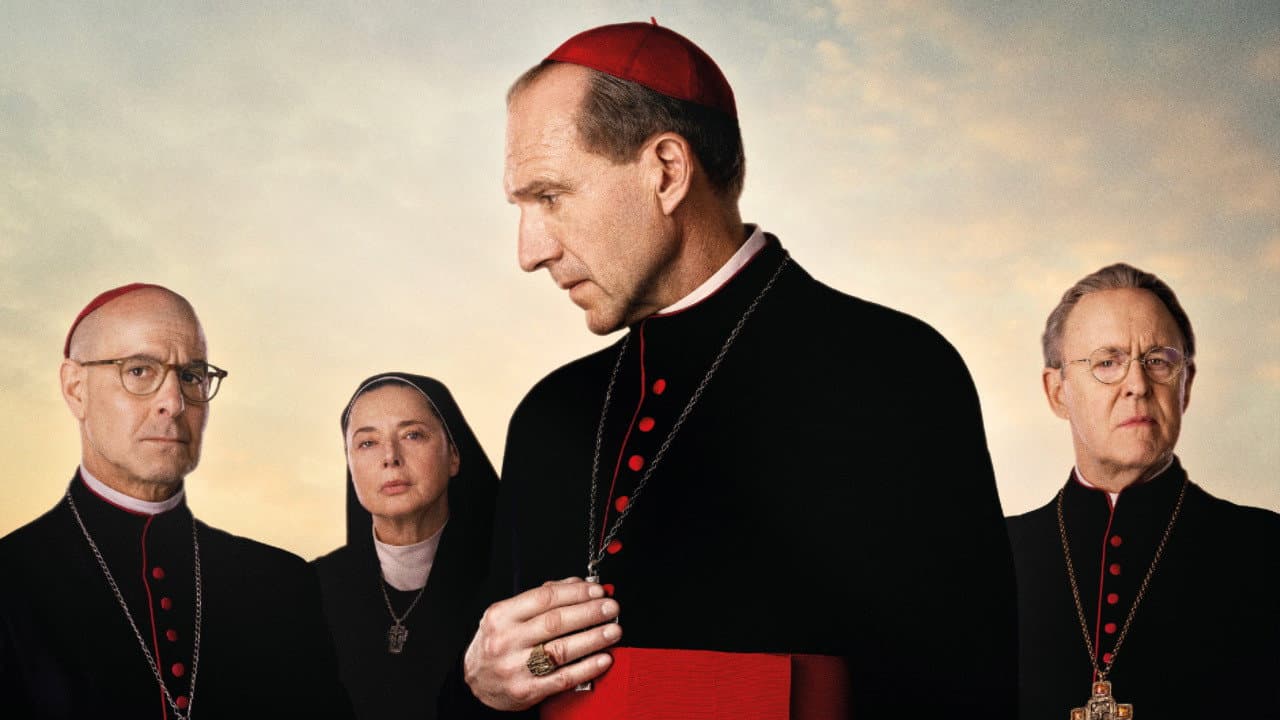
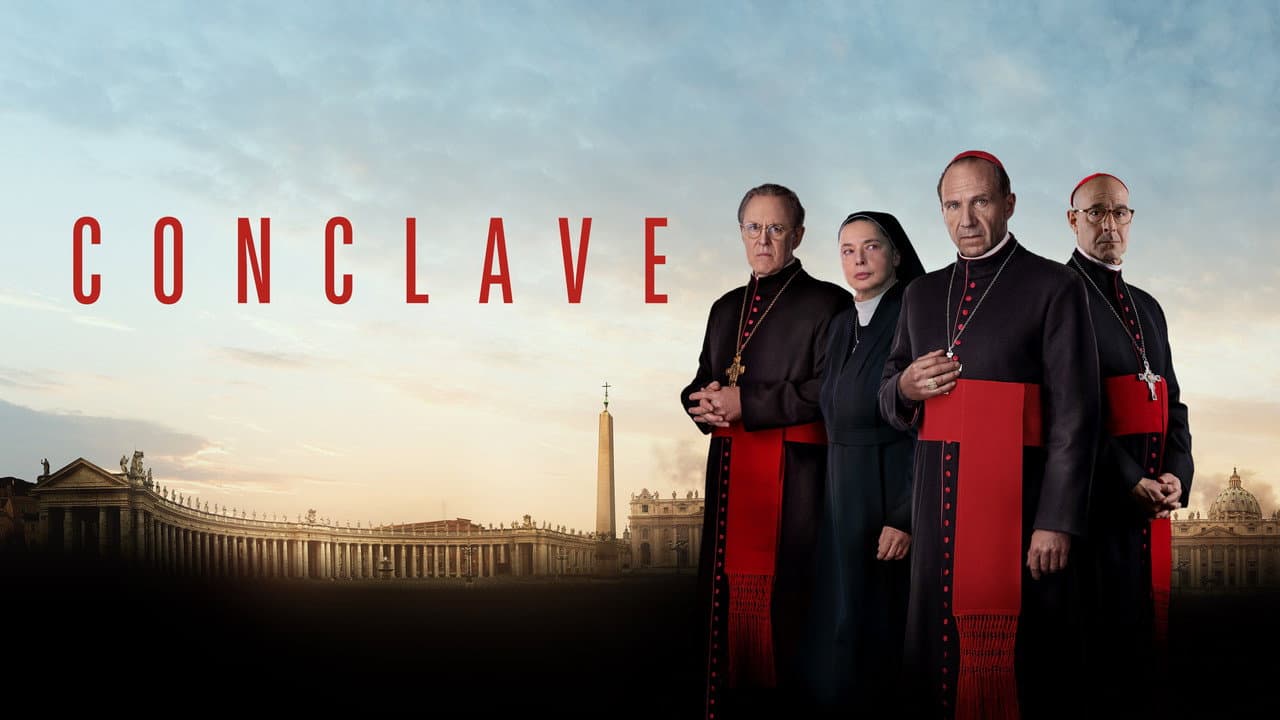
The occasion was a retrospective conversation between the FilmNation chief executive and the director of Conclave, the Vatican thriller that became one of the defining releases of the 2024 season. The film stars Ralph Fiennes as Cardinal Lawrence, the cleric charged with running the secretive ritual that chooses a new Pope after the incumbent dies unexpectedly. What begins as a procedural assignment curdles into a conspiracy that threatens the institution itself, with Stanley Tucci, John Lithgow, Isabella Rossellini, Lucian Msamati, Carlos Diehz, Sergio Castellitto and Brían F. O'Byrne filling out a cast that reads like a stockpile of acting awards.
By the time the film reached theaters on October 25, 2024, it had already spent a year being discussed, dissected and occasionally underestimated. Basner, whose company handled international sales, recalled the early assumption that a movie about men in robes whispering in Latin would be a hard sell to foreign buyers. Berger, for his part, treated the whole stretch as an exercise in not believing his own press in either direction.
The movie runs 120 minutes and carries a 7.19 rating on TMDb, numbers that suggest audiences found the material sturdier than the premise sounded. It sits squarely in the drama and thriller lanes, an English-language Hollywood production that somehow persuaded viewers to care about the internal politics of an institution most of them will never enter.
At Zurich, the two men spent much of their time onstage circling one question: how did a film this austere, this talky, this determinedly adult become a fixture of the conversation for so long? Basner pointed to the cast. Fiennes anchors the film with a performance built on restraint rather than revelation, and the actors around him - Tucci as the scheming Bellini, Lithgow as the imposing Tremblay, Rossellini as the watchful Sister Agnes - give the cloistered setting the charge of a pressure cooker. Berger said he shot it that way on purpose, treating the Vatican as a house full of locked doors and people who know exactly where the keys are hidden.
The conversation also touched on the practical absurdity of releasing a film about papal succession into a marketplace obsessed with franchise spectacle. Basner described the sales process as a series of small victories, each territory persuaded one at a time. Berger admitted he never quite adjusted to watching his movie become a talking point at dinner parties, particularly when the talking points had nothing to do with what he put on screen.
Neither man offered new details about a sequel or a follow-up project, and the panel stayed focused on the original release. What emerged instead was a portrait of a production that benefited from timing it could not control. Conclave arrived in theaters weeks before an actual papal election cycle dominated headlines, a coincidence that turned a slow-burn chamber piece into something closer to a cultural event.
For Berger, the ride included the usual indignities of awards season: long flights, repetitive questions, the strange experience of explaining a movie he had already finished to people who had not yet seen it. He said the Zurich Summit felt different, less like a victory lap and more like a reunion with the people who had carried the film across borders. Basner agreed, noting that international distributors rarely get credit for the patience required to place a movie like this in front of audiences who might otherwise never hear of it.
The two men closed the session without announcements, without teases, without the customary hint that something bigger is coming. Conclave remains what it was on release day: a 120-minute drama-thriller about faith, ambition and the machinery of power, carried by an ensemble that treats every whispered line as a potential knife. What Zurich added was context - the reminder that behind every awards-season success story sits a sales agent, a director and a long stretch of uncertainty neither of them has fully shaken.
Source: Hollywood Reporter