Independent documentary distributor Hollow Pine Releasing has unveiled an exclusive first clip from Concrete Turned to Sand, Ryan Ermacora's quietly unsettling portrait of oyster farming life on Cortes Island, British Columbia. The 73-minute documentary, which arrives in select theaters and on digital platforms following its April 28, 2026 release, pairs the rhythm of coastal labor with a visual language that will be immediately familiar to anyone who has spent time in the internet's most famous liminal space.
That is no accident. Ermacora's cinematographer earned widespread attention for shooting Backrooms, the viral horror phenomenon built on the eerie aesthetics of empty, fluorescent-lit rooms. Here, that same eye turns toward something arguably stranger: the tidal flats, docks, and gray Pacific waters where a small community of shellfish farmers works against a coastline that keeps rewriting its own rules.
A Trade Measured in Tides and Decades
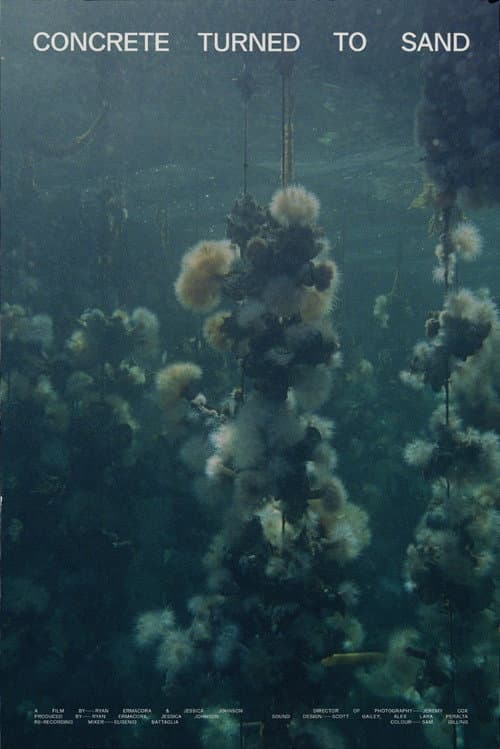
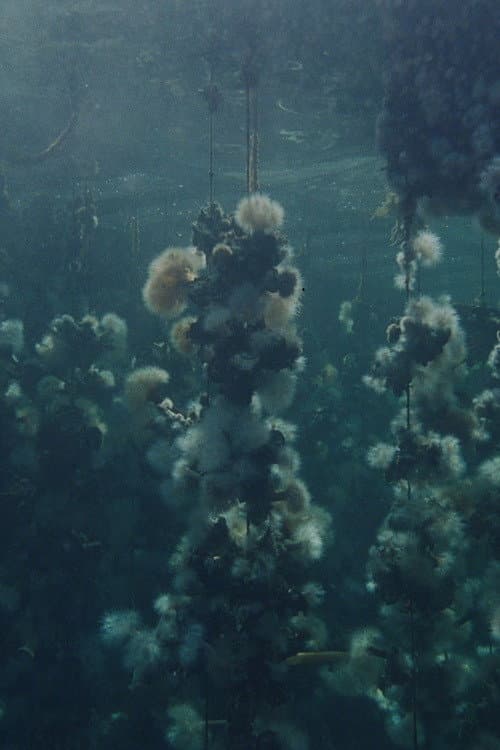
Concrete Turned to Sand takes its title from the slow erosion at the heart of its subject. Oyster farming on Cortes Island, part of British Columbia's Discovery Islands chain, is a multigenerational occupation dependent on water temperature, salinity, and ocean chemistry that have all grown increasingly volatile. The film follows local farmers through their daily routines, capturing the repetitive physicality of the work while the environment around them shifts in ways both visible and invisible.
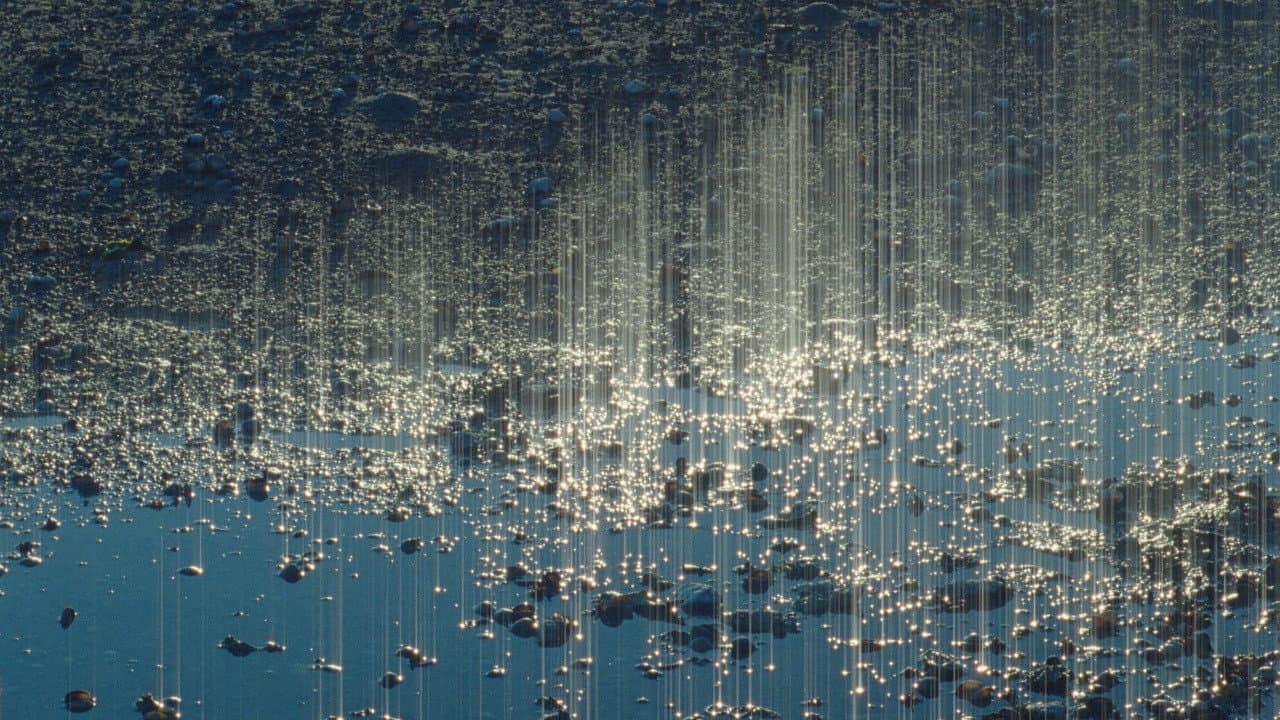
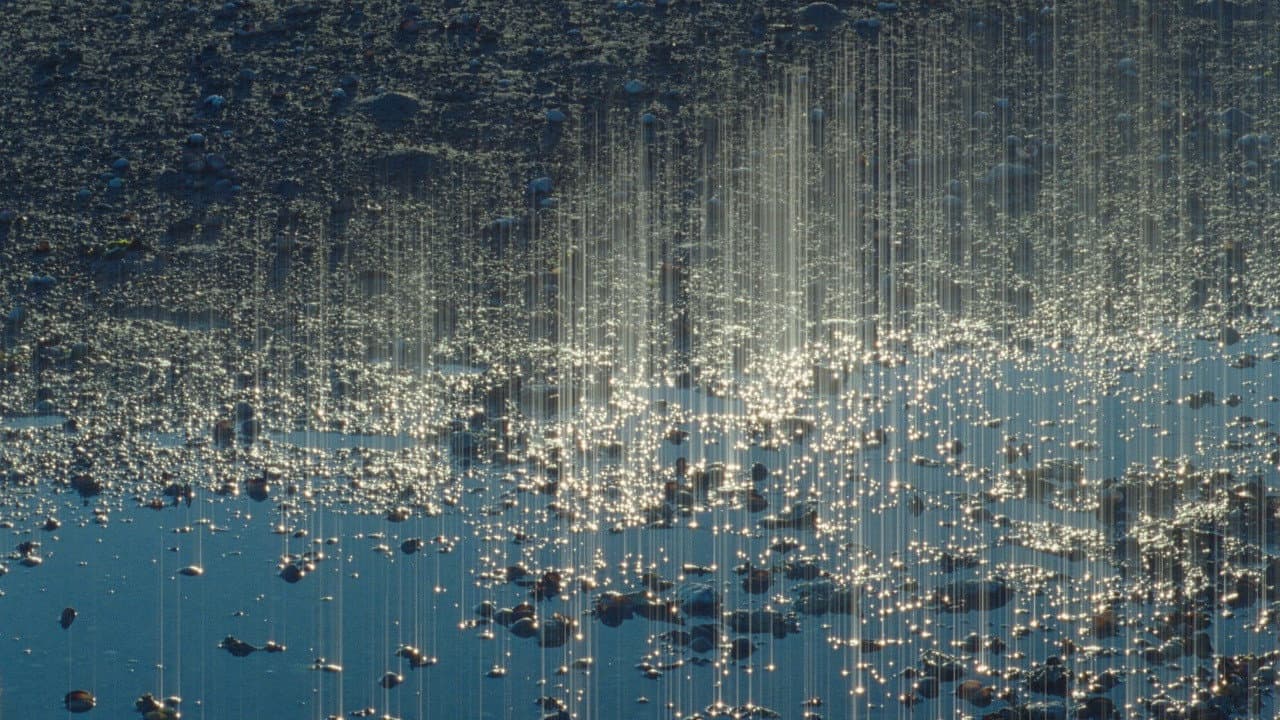
Ermacora has built his reputation on observational nonfiction that resists easy narration. Rather than leaning on explanatory voiceover or talking-head experts, he lets the labor speak for itself. The clip released this week offers a representative sample: a long, unhurried take of a farmer working a line of oyster trays as low light drains from the sky, the frame composed with an almost architectural precision that makes a working dock feel like a threshold between worlds.
The effect is deliberate. Where Backrooms used sterile corridors to suggest dread, Concrete Turned to Sand uses salt air, drifting buoys, and the wet gleam of exposed shellfish to generate a similar sense of a place that is real but not entirely knowable. It is a documentary that trusts atmosphere over argument.
The Backrooms Factor
The Backrooms connection is likely to be the film's commercial hook. That project became a touchstone for a generation of online viewers drawn to images of spaces that feel abandoned, remembered, or slightly wrong. Applying that sensibility to a documentary about aquaculture is an unusual proposition, but early festival audiences have reportedly responded to the tension between the film's serene surfaces and the anxiety underneath them.
It helps that Cortes Island is itself a place of contradictions. Accessible only by boat or small aircraft, it hosts a year-round population that has chosen isolation, and an economy that depends on waters no one can control. Ermacora photographs the island's beauty without romanticizing it, holding shots long enough that the viewer begins to notice what the farmers notice: a small change in current, a discoloration in the water, a season that starts earlier than it should.
A Small Film With a Wide Reach
At 73 minutes, Concrete Turned to Sand is lean by documentary standards, closer in length to a featurette than an epic survey. That brevity appears intentional. Ermacora is not attempting a comprehensive account of the Pacific shellfish industry or a policy argument about climate adaptation. He is making a mood piece about work, time, and the slow disappearance of certainties.
That approach has limits. Viewers hoping for data, interviews, or a clear call to action will not find them here. The film's pleasures are sensory and cumulative, and its meaning is built from repetition rather than explanation. Its current 0/10 rating on TMDb reflects an almost total absence of audience votes rather than any verdict on its quality, a reminder of how little traction even well-reviewed independent documentaries receive before they reach a wider audience.
Still, the exclusive clip suggests a film that knows exactly what it is doing. The oyster farmers of Cortes Island go about their work with the patience of people whose livelihoods are measured in years, not quarters. Ermacora and his cinematographer match that patience frame for frame, finding in the ordinary business of raising shellfish something that feels, at moments, like science fiction.
Concrete Turned to Sand is now rolling out through Hollow Pine Releasing. For audiences who found Backrooms less frightening than melancholy, this may be the rare documentary that scratches the same itch.
Source: Hollywood Reporter