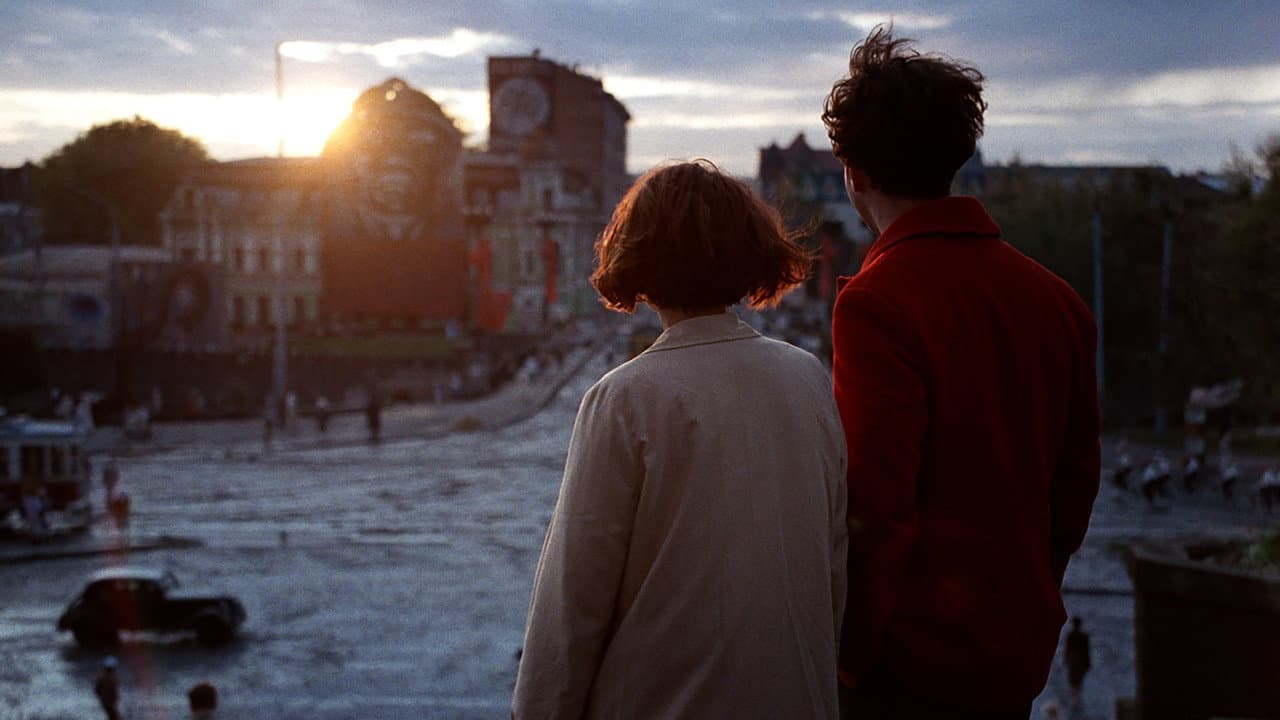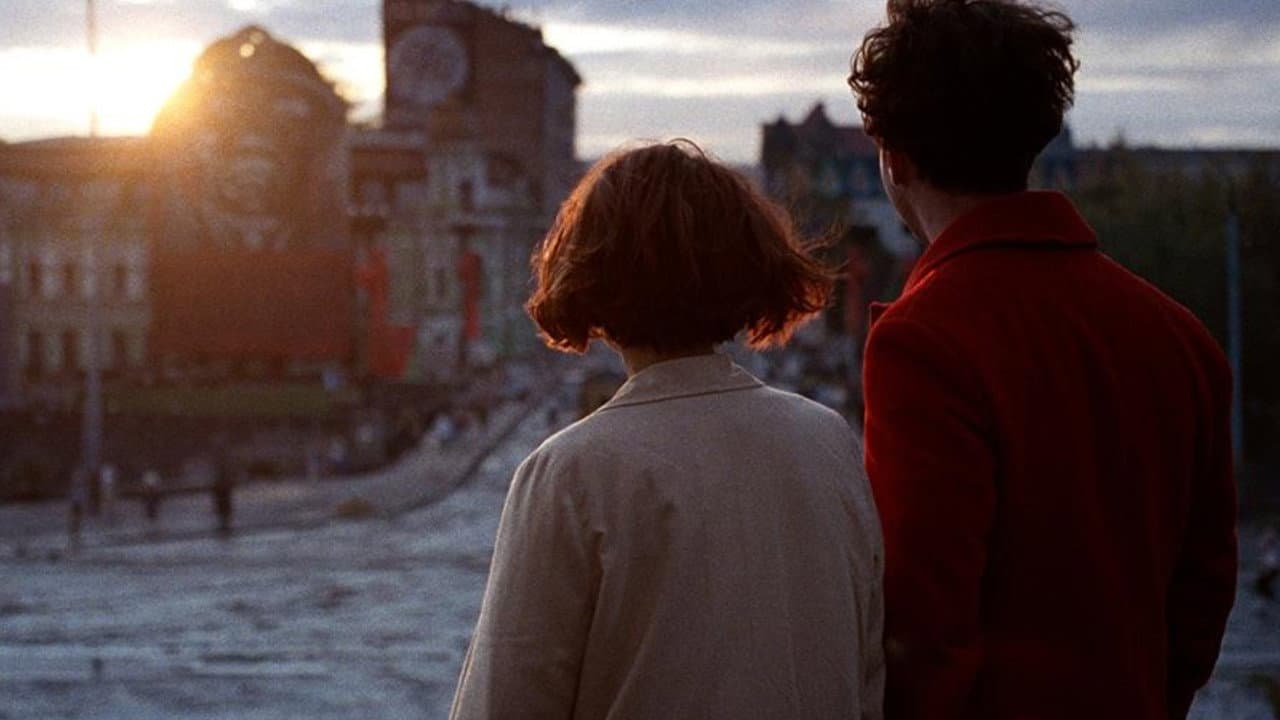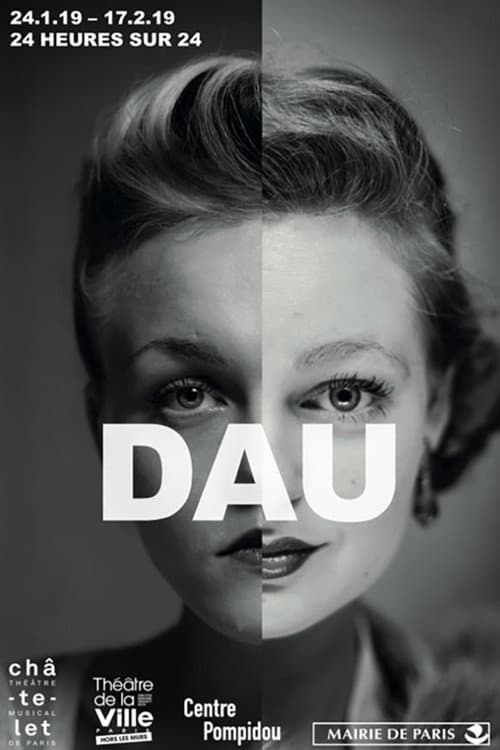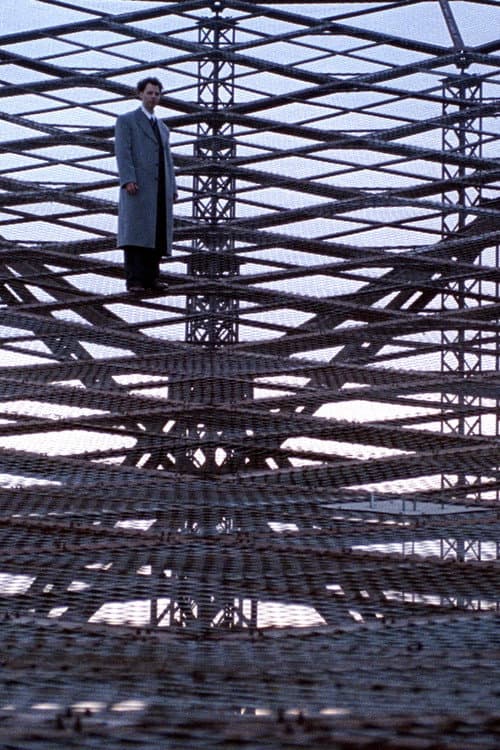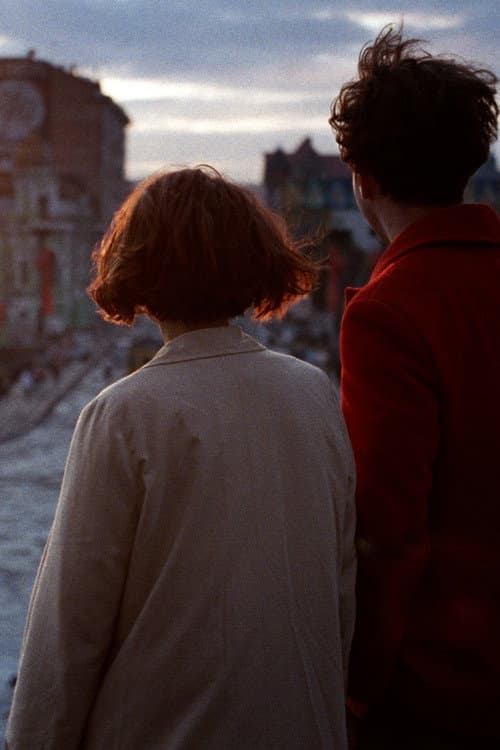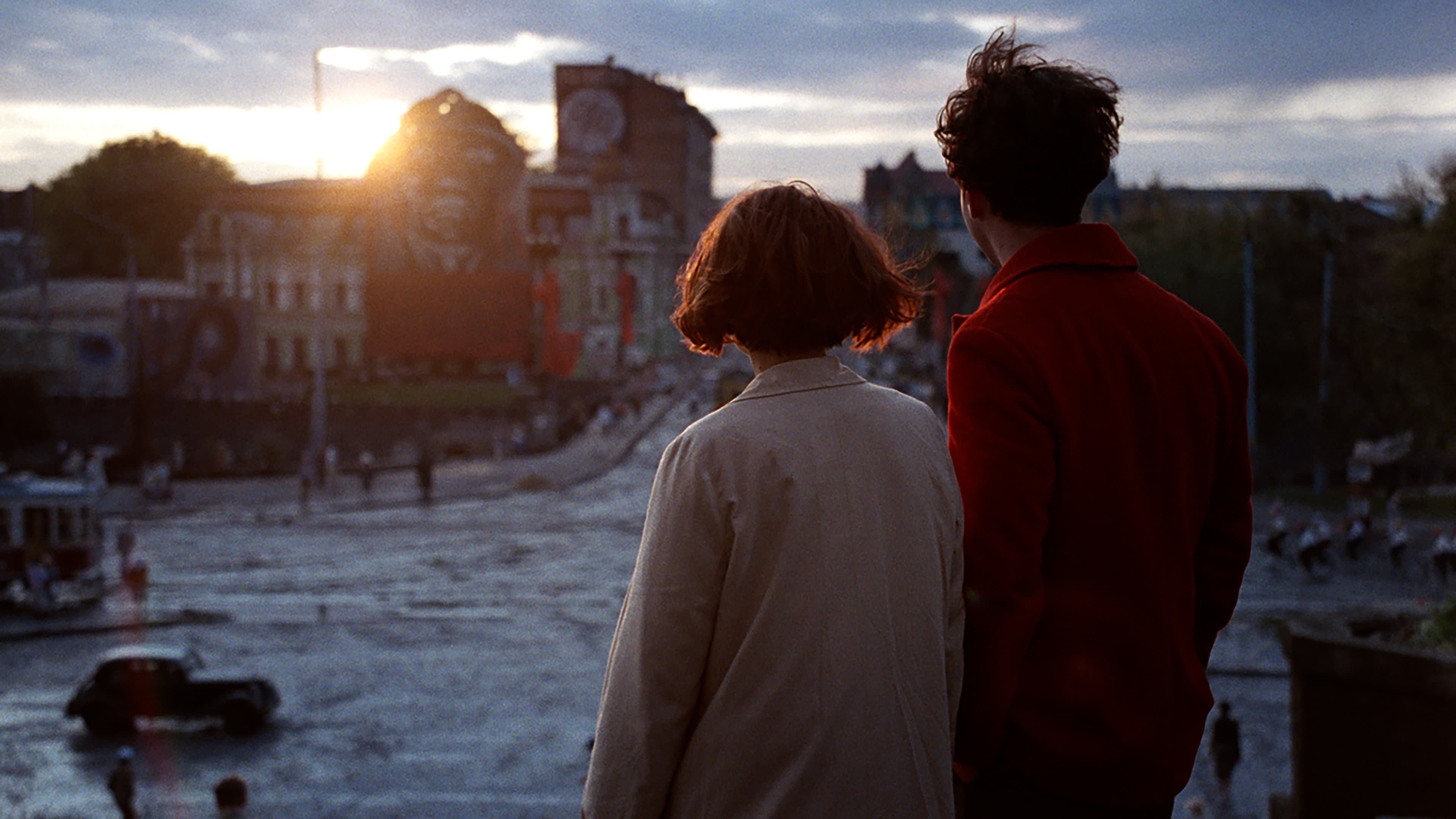
The most radical experiment in modern cinema finally reaches audiences on September 9, 2026, when the 195-minute Russian-language drama Dau arrives in theaters. Directed by Ilya Khrzhanovsky, the film depicts the life of a brilliant Greek-born physicist in the Soviet Union from 1928 to 1968, tracing his descent from a seeker of universal truths to a cog in the machinery that produced the atomic bomb.
Rather than simply recreating that world on a soundstage, Khrzhanovsky built an entire functioning research institute, complete with period-accurate living quarters, laboratories, and surveillance apparatus, then populated it with hundreds of actors and non-actors who lived under Soviet rules for years. The result blurs every line between performance and reality, and the film itself is only the most conventional distillation of a project that became a society unto itself.
A Life Under Permanent Observation
The premise is deceptively straightforward: Dau, played by conductor Teodor Currentzis, arrives at a secret research facility where scientific dominance, state power, and intimate surveillance shape every hour of existence. As his autonomy erodes, he seeks refuge in a series of affairs outside his marriage to Nora, played by Radmila Shegoleva, only to find that freedom remains out of reach. The official synopsis describes a man stripped of his capacity to love, a casualty of ideology who loses himself across four decades of compromise.
But the production history transforms that narrative into something stranger. Khrzhanovsky reportedly established an open-ended immersive environment where participants were not handed scripts but given characters, biographies, and constraints, then left to improvise their daily lives for years. Security personnel acted as secret police. Scientists performed genuine research. Any attempt to break character or exit the facility was treated as a defection, with real consequences within the fiction. By the time filming concluded, some participants had spent more of their adult lives inside the experiment than outside it.
The cast list reads like a who's who of Russian performance art and classical music. Anatoly Vasiliev, a titan of avant-garde theater, plays the institute's director Anatoly Krupitsa. Vladimir Azhippo, Dmitri Tcherniakov, and Dmitry Cheglakov all appear in supporting roles, while Demyan Kudryavstev and Maria Nafpliotou round out the ensemble. Currentzis, better known for his radical interpretations of opera and symphony, delivers a lead performance that reportedly required him to abandon his public persona entirely and submit to the same psychological pressures as his character.
A Monumental Fresco or a Troubling Artifact?
Critical reception remains unsettled, with the film holding a 0/10 rating on TMDb at the time of release, a figure that reflects the project's polarizing reputation rather than a lack of engagement. Early festival screenings sparked walkouts and accusations of exploitation, while defenders hailed the work as the most ambitious examination of totalitarianism ever committed to celluloid. The runtime itself - well over three hours - demands stamina, but those who stayed through early test screenings described a viewing experience closer to immersion therapy than passive entertainment.
What distinguishes Dau from historical epics like Doctor Zhivago or even Come and See is the absence of temporal distance. Khrzhanovsky did not recreate the Soviet research institutes of the 1940s and 1950s; he built one and let it operate with authentic rules of privilege, paranoia, and denunciation. The film's title character, based loosely on real physicist Lev Landau, navigates a system where a whispered word can end a career or a life. His scientific brilliance, initially a vehicle for understanding cosmic laws, becomes a tool for constructing humanity's deadliest weapon.
The production's scale defies easy summary. At its peak, the set functioned as a small town, with its own currency, hierarchy, and secret police. Participants ate period-appropriate food, wore period-appropriate clothing, and were forbidden from acknowledging anything that existed after 1968. Mobile phones were confiscated. Outside news was banned. When the project finally concluded, many participants described a difficult reacclimation to the modern world, an echo of the film's central theme that systems shape souls more than souls shape systems.
What Audiences Will Actually See
The theatrical cut, running 195 minutes, condenses the sprawling improvisational record into a linear narrative following Dau's arc from idealism to corruption. But Khrzhanovsky has also promised additional installments that explore other residents of the institute, suggesting that the feature film is merely one entry point into a larger documentary-and-fiction hybrid archive. Whether audiences will embrace a project that asks them to surrender three hours and fifteen minutes to an unflinching portrait of moral decay remains an open question, particularly given the subject matter's uncomfortable resonance.
The synopsis frames Dau as simultaneously an intimate character study and a monumental fresco of state violence. That dual ambition is visible in every frame, from the claustrophobic interiors of shared apartments to the grand bureaucratic spaces where decisions about life and death are made with detached formality. Khrzhanovsky's camera, reportedly operating under no commercial constraints, lingers on moments that conventional storytelling would cut, allowing the audience to feel the weight of time that the participants experienced.
For Hollywood observers, the release represents an unusual crossover: a Russian-language art project with roots in performance theater, conducted on an unprecedented scale, now arriving in mainstream theatrical distribution. The director's methods will likely spark debate for years, but no one can dispute that Dau achieved its stated goal. It did not merely depict a Soviet state. It became one, and the film preserves that transformation for anyone brave enough to watch.
Source: Hollywood Reporter