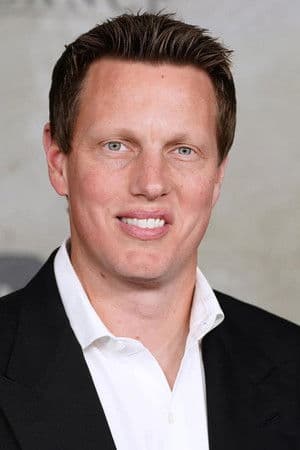
David Ellison wants Skydance to be known for taking risks, and he is pointing to one of the studio's own recent releases as the template. The Skydance chief said the company intends to keep backing original, filmmaker-driven projects - the kind of swing that paid off with "Sinners," the Ryan Coogler period vampire thriller that became one of the defining theatrical hits of the past year.
Ellison's remarks arrive at a moment when Hollywood's major buyers are once again debating how much of their slates should be devoted to known intellectual property versus material built from scratch. For much of the past decade, the safe money flowed toward franchise extensions, reboots and adaptations, with original adult-skewing films increasingly squeezed out of wide release. Skydance, which Ellison has built into a prolific producer of both tentpoles and streaming fare, is now signaling that it sees upside in the opposite approach.
That positioning is notable given Skydance's own identity. The company has long been associated with large-scale action and science fiction, from the "Mission: Impossible" installments to the "Terminator" revival and the "Transformers" spinoff "Bumblebee." Ellison has never hidden his appetite for big-canvas spectacle. What he appears to be arguing now is that spectacle and originality are not mutually exclusive - that a filmmaker with a singular vision can deliver both a distinctive movie and a commercial event.
"Sinners" is the clearest evidence he could cite. Coogler, best known for the "Black Panther" films and the "Creed" franchise, wrote and directed the film as an original screenplay rather than an adaptation of an existing property. Set in the segregated South, it fused vampire horror with blues music and historical drama, an unusual combination that would have looked risky on paper. The film went on to become a cultural talking point and a strong performer in theaters, reinforcing the argument that audiences will turn out for something they have not seen before.
Ellison's message is likely aimed at two audiences at once. The first is the creative community, particularly directors and writers who have grown frustrated with notes-driven development and franchise obligations. A studio chief publicly committing to original swings is a recruiting pitch as much as a business strategy. The second audience is Wall Street and the broader industry, where Skydance's profile has grown considerably following its combination with Paramount. Executives at newly merged companies are typically expected to emphasize synergies and reliable franchise revenue, so a vow to protect original filmmaking functions as a statement of creative intent amid corporate consolidation.
There are practical reasons the strategy makes sense beyond prestige. Original hits, when they land, generate something franchise sequels often cannot: surprise. They also tend to produce filmmaker loyalty and can seed new franchises organically rather than by decree. Skydance executives have seen how a single breakout original can energize a slate and attract talent that might otherwise sign elsewhere.
The counterargument is equally familiar. Original films carry higher marketing risk because they lack built-in awareness, and studios must spend heavily to explain a concept to audiences. Even well-reviewed originals frequently struggle in a marketplace dominated by a handful of event titles. Ellison's commitment, as a result, is easier to state than to sustain across a full slate, particularly when quarterly earnings come under scrutiny.
It is also worth noting what Ellison did not say. He did not announce a specific number of original films, a release calendar or a budget framework - and this article will not pretend otherwise. Nor did he suggest Skydance would abandon its established franchises. The more plausible reading is a portfolio approach: keep the reliable brands humming while carving out room for directors to make the kind of movies that cannot be reverse-engineered from a toy aisle or a bestseller list.
For Hollywood, the significance lies in the precedent. If a studio with Skydance's commercial instincts and Paramount's distribution muscle can make original, auteur-driven films work theatrically, other buyers may follow. If those films falter, the retreat toward familiarity will resume quickly. Either way, "Sinners" has become the reference point in that debate, and Ellison is now on record using it as the model he wants his studio to emulate.
Source: Hollywood Reporter