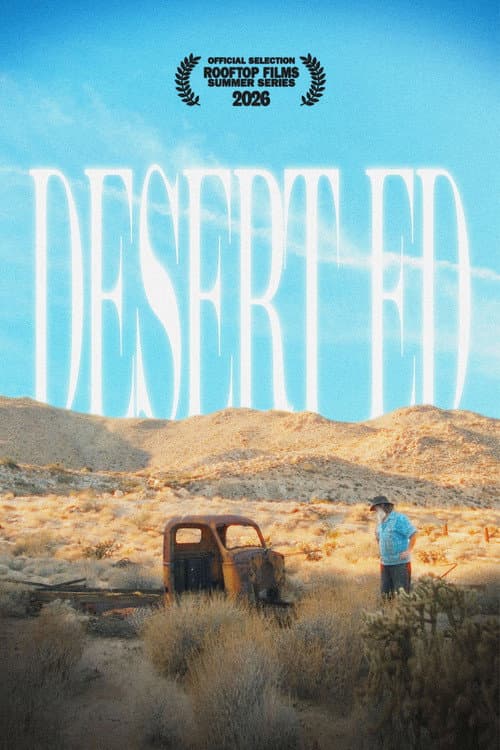
It’s not every day that a documentary about grief, solitude, and combat robots clocks in at just eleven minutes. But then again, there’s nothing typical about Desert Ed, the quietly devastating new short from director Christian Hurley that hits streaming platforms today, August 17, 2026. This isn’t a fast-cut montage of spinning blades and shattered lexan. It’s a meditative portrait of a man who lost his closest friend in the most unexpected arena imaginable - and then decided to walk away from it all.
For years, Ed Robinson was a familiar face in the high-octane world of Battlebots. He was the engineer behind some of the most inventive machines to ever enter the kill box, a guy who lived for the smell of burnt wiring and the deafening roar of a packed arena. But when his longtime teammate passed away - a loss that the film handles with remarkable restraint, never letting tragedy become melodrama - Robinson did something radical. He packed up his tools, left the competition circuit, and drove deep into the desert. No more robots. No more deadlines. Just sand, silence, and the long, hard work of figuring out who he is without the person who once anchored his world.
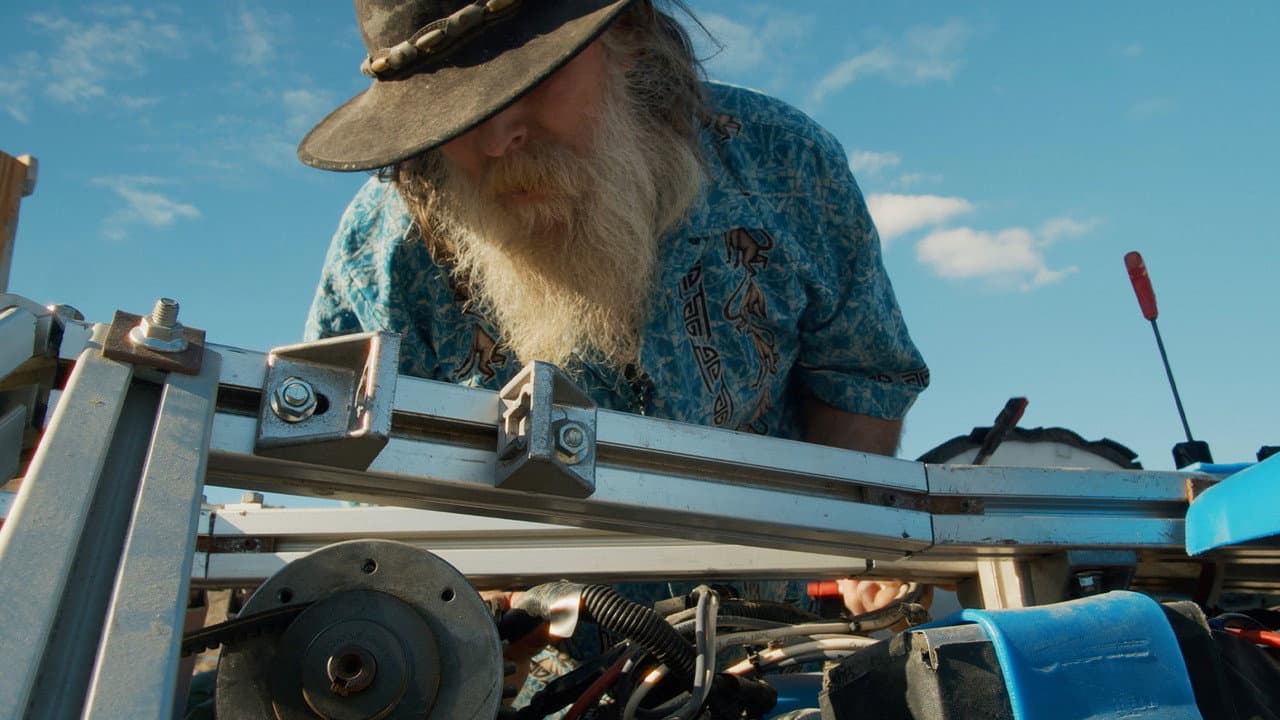
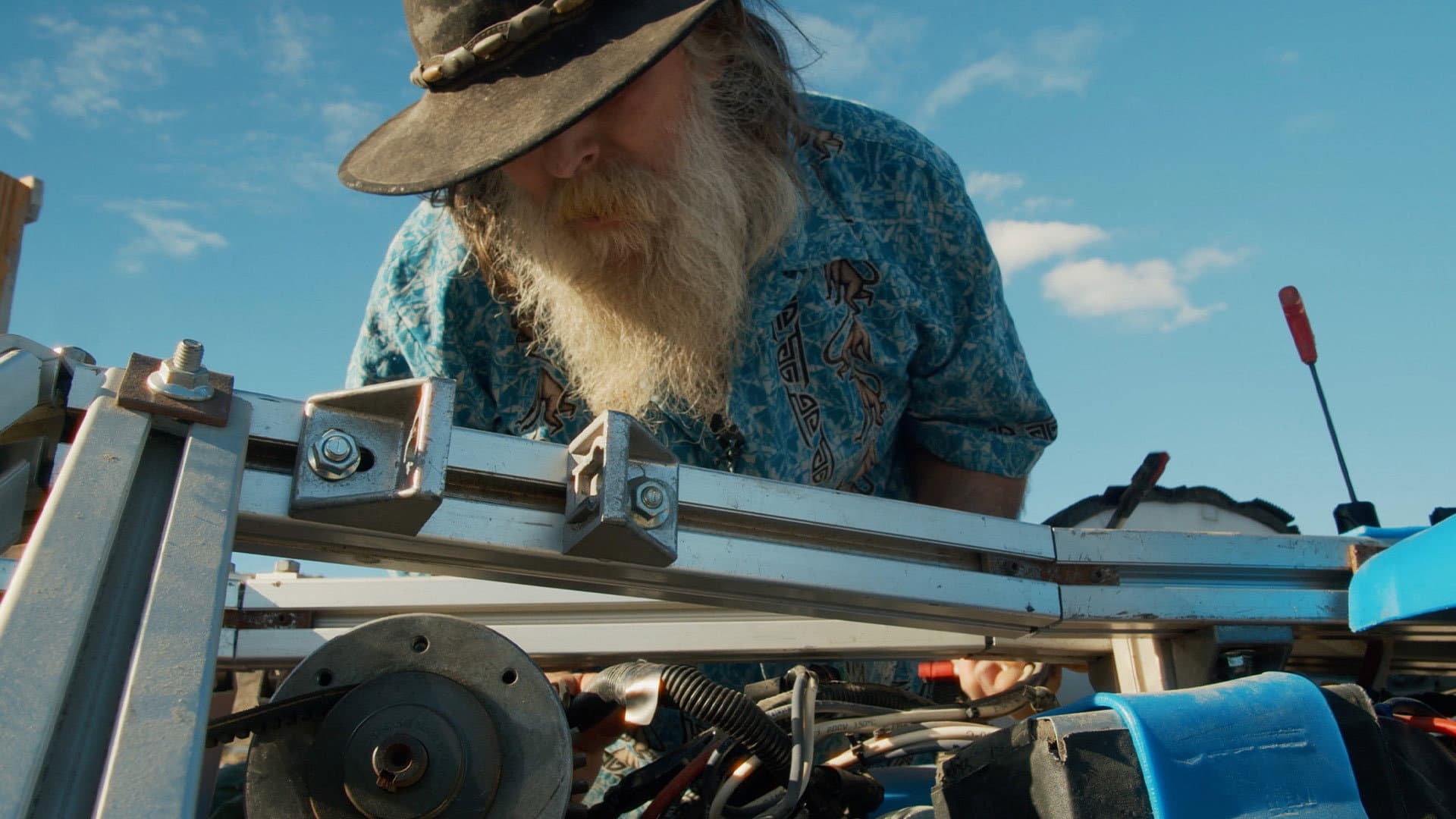
Desert Ed is not a conventional biopic. It’s a sensory experience, a slice of life that feels less like a traditional documentary and more like a visual poem set to the hum of a distant air conditioner. Hurley, who previously made his name with gritty short-form profiles of underground artists, here trades the frenetic energy of his earlier work for patience. The camera lingers on Robinson’s hands as they tinker with a broken radio, or on the horizon beyond his modest dwelling, where the heat shimmers and warps the air. There’s no talking-head narration hammering you over the head with exposition. Instead, Robinson speaks in fragments - quiet, wry observations about the desert’s beauty and its unforgiving nature, occasionally punctuated by a dry laugh that suggests he’s still learning to enjoy his own company.
Release Date & Where to Watch
Mark your calendars, because Desert Ed is available right now, as of August 17, 2026. The film premieres exclusively on the Criterion Channel’s new “Short Documentaries That Cut Deep” section, alongside a curated selection of similarly intimate portraits. For those without a subscription, it will also be available for digital rental on major platforms like Apple TV and Amazon Prime Video starting August 24. Given its brief runtime, it’s the perfect lunch break watch - but don’t make that mistake. You’ll want to sit with this one, probably twice in a row. The film is also set to make a splash on the festival circuit later this fall, with confirmed screenings at the Hamptons International Film Festival and the American Documentary Film Festival in Palm Springs, where the desert setting will no doubt resonate with local audiences.
Cast & Crew
The film’s cast is, by design, minuscule. It’s centered entirely on Ed Robinson, who plays himself with a raw, unpolished authenticity that no professional actor could replicate. Robinson isn’t performing. He’s just being - slightly stooped, gray-bearded, with the cautious posture of a man who’s spent decades leaning over heavy machinery. He doesn’t look at the camera often, but when he does, there’s a weight to it that feels earned. It’s the gaze of someone who’s been through the wringer and has decided that making peace is harder than winning any championship.
Behind the lens, Christian Hurley acts as both director and cinematographer, and his fingerprints are all over the film’s striking visual language. Shot on 16mm, the grain gives the desert an almost nostalgic texture, like a home movie from a future that never quite arrived. The sound design is equally deliberate - the crunch of boots on gravel, the wind rattling a loose windowpane, the distant buzz of a generator. There’s no score, just ambient noise and the occasional strum of a guitar Robinson keeps in the corner of his workshop. It’s sparse, but it works. Hurley’s previous short, The Last Mechanic, earned a Vimeo Staff Pick and a small cult following, and Desert Ed feels like a natural, more emotionally complex successor.
Story & What to Expect
The narrative is deceptively simple. We meet Robinson as he’s unpacking a few final boxes in a ramshackle home on the edge of nowhere. There’s a dusty workbench, a collection of well-worn screwdrivers, and a framed photo of a younger Robinson standing next to his teammate, arms crossed, grinning under the bright lights of the arena. The film never names the teammate directly, nor does it dwell on the circumstances of his passing. Instead, it shows us the aftermath - the empty chair on the porch, the half-finished project abandoned on the bench, the way Robinson instinctively reaches for a second cup of coffee before remembering he doesn’t need to pour one anymore.
What follows is less a plot and more a rhythm. We watch Robinson wake at dawn, tend to a small vegetable garden that’s clearly fighting against the odds, and drive his battered truck into a nearby town to buy supplies. He visits a local diner where the waitress knows his order by heart. He fixes a neighbor’s irrigation system, not out of obligation, but because it gives him something to do. The most tense moment comes when he pulls out an old battlebot remote from a box, its antenna bent, and holds it for a long, silent beat. He doesn’t turn it on. He just puts it back, and the film cuts to black before the next scene begins. It’s a devastating moment of restraint - Hurley trusts the audience to understand the weight of that action without explanation.
There is, however, a subtle arc of renewal. By the film’s final act, Robinson begins sketching a new machine - not for combat, but for clearing rocks from his land. It’s a small, practical creation, but it represents something vital. He’s building again. Not for glory, not for an audience, but for himself. The last shot is of Robinson sitting on his porch at dusk, watching a dust devil spin across the valley, a faint smile on his face. It’s not a happy ending, but it’s a hopeful one.
Why It’s Worth Watching
In an era where documentaries often feel like extended trailers for a TED Talk, Desert Ed is a welcome antidote. It’s a film that understands the power of absence, of what’s left unsaid. At just eleven minutes, it doesn’t overstay its welcome, yet it manages to pack more emotional resonance into its brief runtime than most feature-length films do in two hours. Robinson’s story is specific - a robot engineer turned hermit - but it’s also universal. It’s about losing a piece of yourself when you lose someone else, and the slow, unglamorous process of reconstituting your identity from scattered parts.
Hurley has crafted a love letter to loneliness that never feels depressing. It’s tender, occasionally wry, and ultimately affirming. The film’s TMDb rating currently sits at a blank zero, which makes sense - it’s brand new, and no one’s reviewed it yet. But don’t let that dissuade you. This is the kind of quiet gem that builds its reputation slowly, word by word, like a secret worth sharing. In a summer blockbuster season full of noise, Desert Ed reminds us that sometimes the most powerful stories are the ones told in a whisper. Watch it alone, with good headphones, and let the desert do its work.