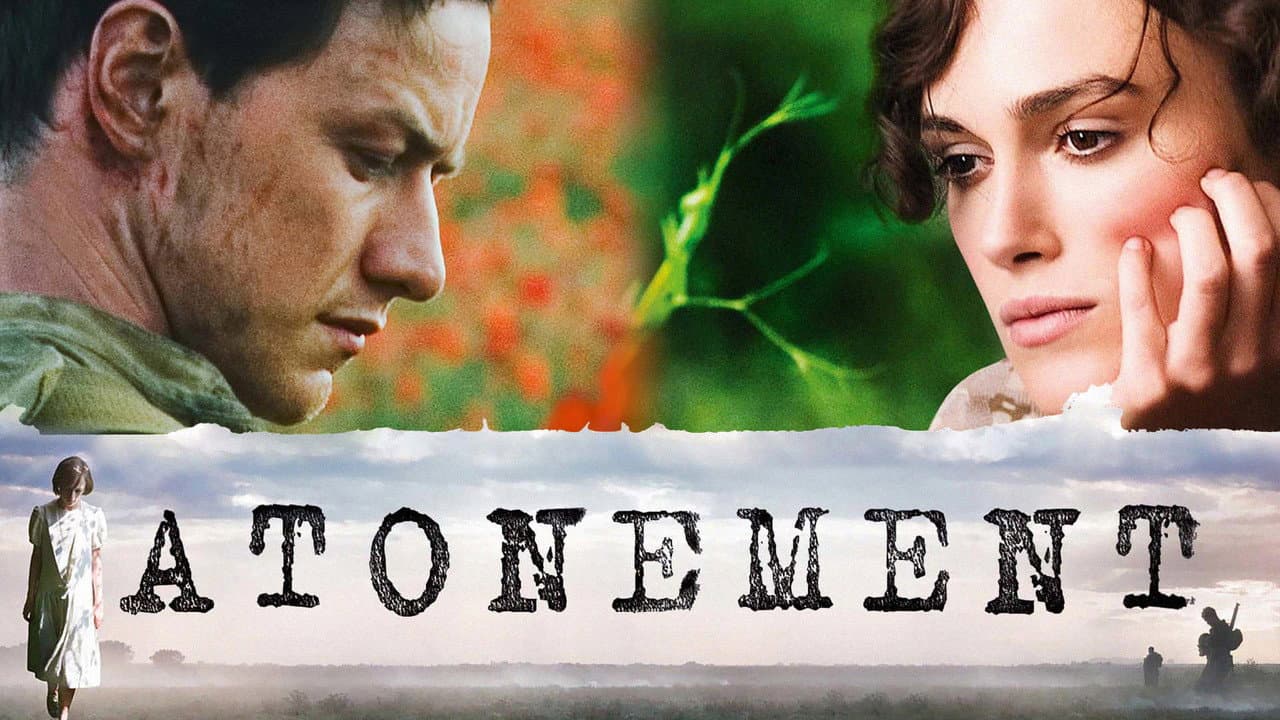
Reed Van Dyk isn't interested in tidy parallels. The director behind the Iraq War drama "Atonement" sat down with Hollywood Buzz News this week and acknowledged something uncomfortable: the film's portrait of a soldier ground down by a conflict that refused to end now reads like a preview of headlines about rising Iran-U.S. tensions.
"History repeats," Van Dyk said flatly when asked about the overlap. He didn't elaborate much beyond that. He didn't have to.
A Conflict That Won't Stay in the Past
"Atonement" follows a young enlisted man whose tour in Iraq stretches past every promised homecoming, leaving him to navigate a war whose stated goals kept shifting while the people fighting it stayed put. Van Dyk spent years researching the project, interviewing veterans and embedding with units preparing for deployment. What struck him, he said, was how little the strategic conversation changed between then and now.
"History repeats," he reiterated, pointing to the familiar rhythm of escalation, ultimatums and eventual boots on the ground. The director added that he finished the film hopeful it would function as a period piece. Watching cable news this month has disabused him of that notion.
The timing is difficult to ignore. As Washington and Tehran trade threats and the diplomatic window narrows, Van Dyk's film lands in theaters with an accidental urgency no marketing campaign could manufacture. The director said he'd rather audiences watch it as a human story than a policy argument, but he understands why viewers might walk out thinking about the evening news.
The Atonement Name Game
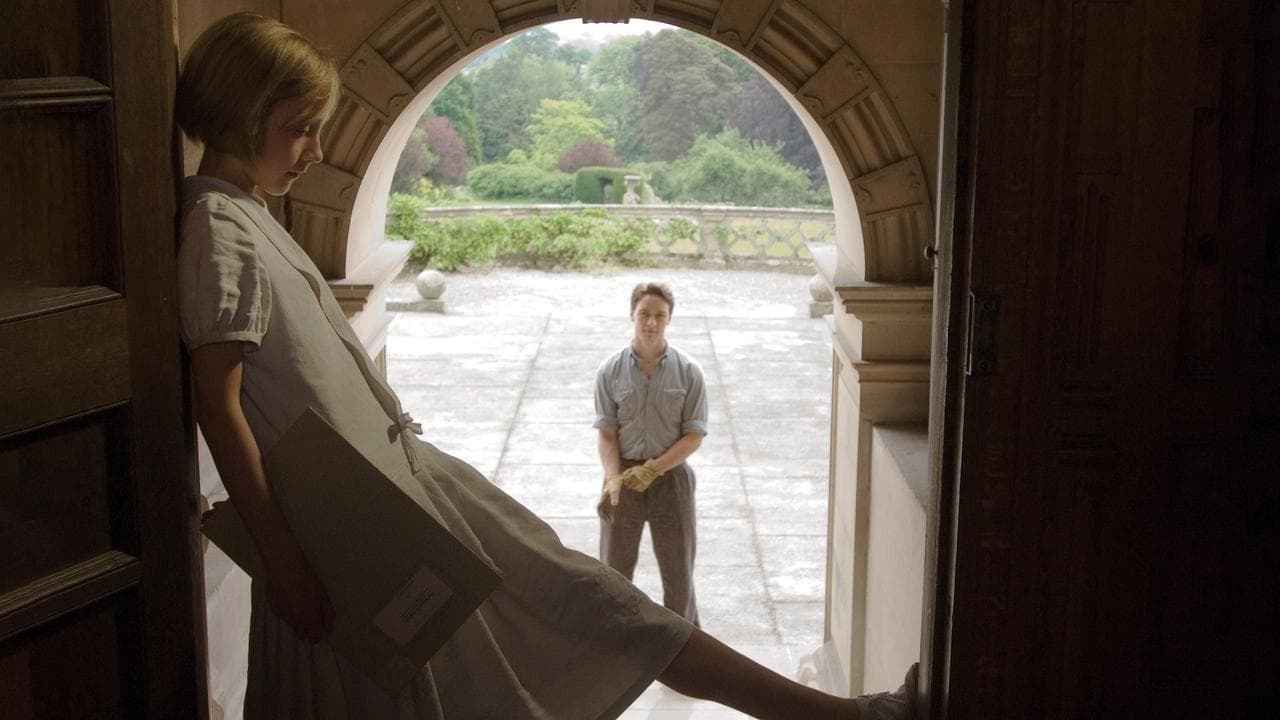
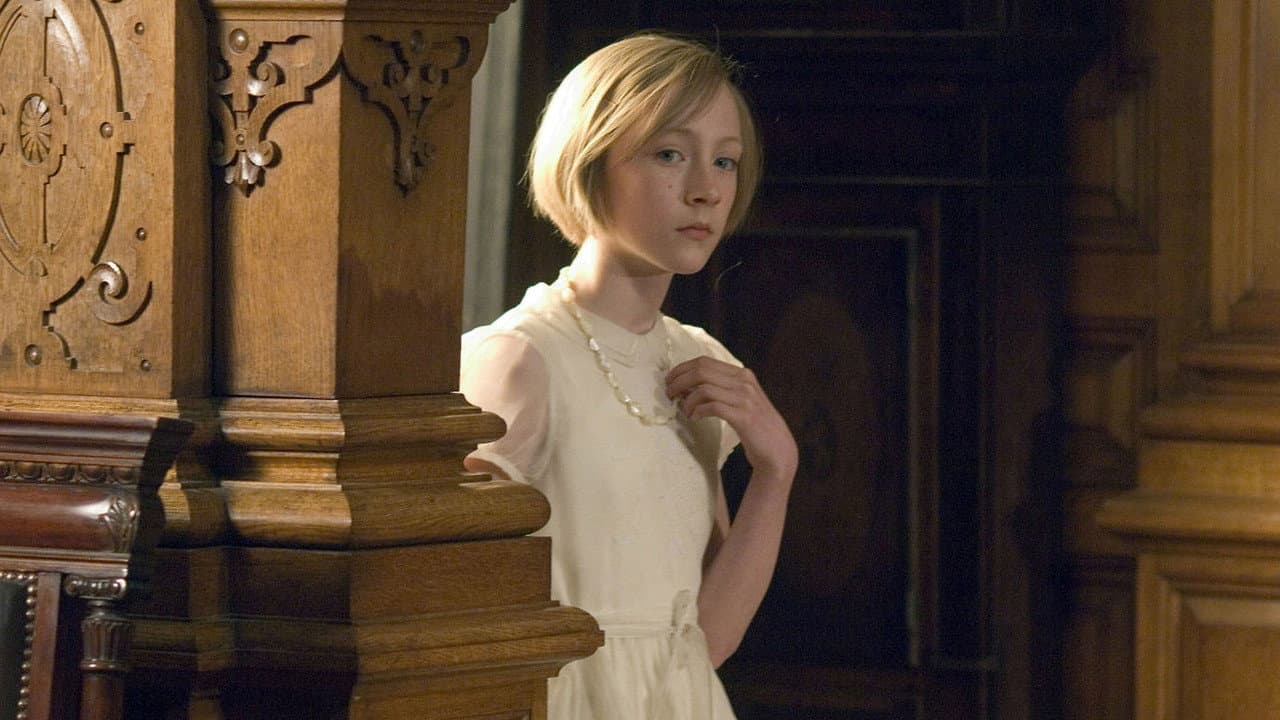
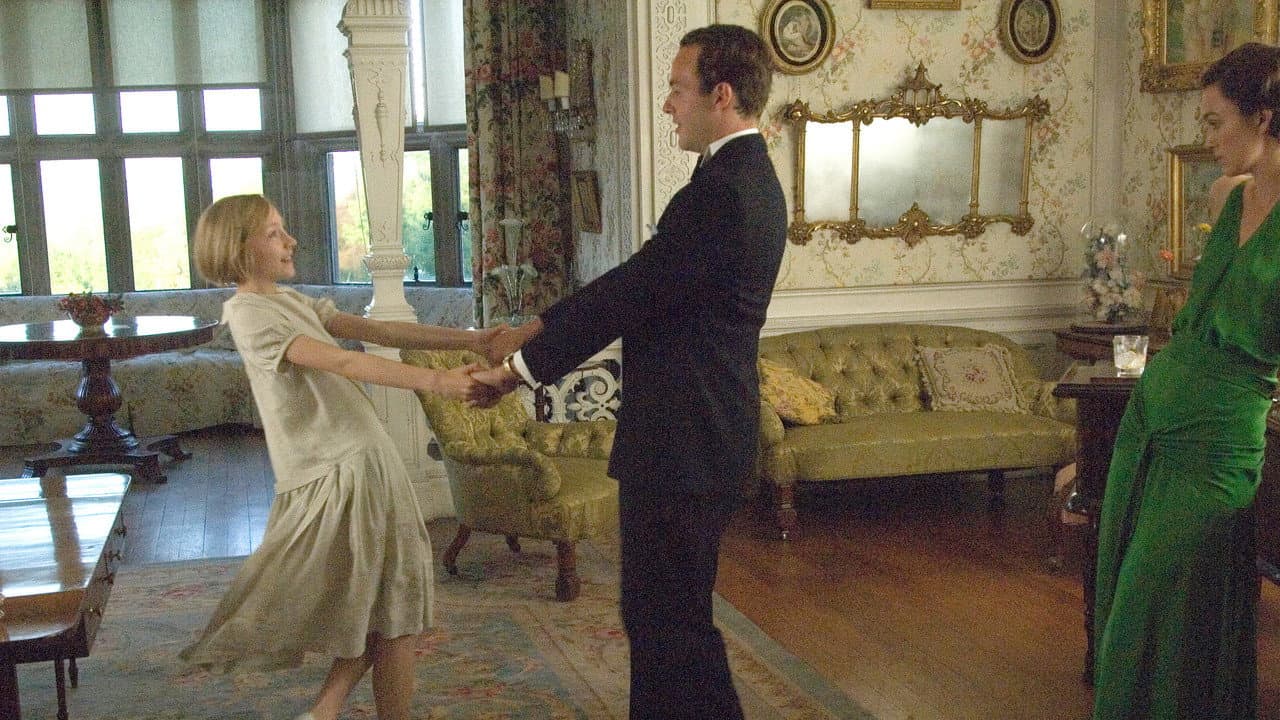
There's an elephant in the room, and Van Dyk has heard about it plenty. His film shares a title with Joe Wright's 2007 adaptation of Ian McEwan's novel - the one starring James McAvoy, Keira Knightley and Saoirse Ronan, a period romance about a young girl's false accusation that ruins lives and eventually sweeps its characters into the Second World War. That film, released in February 2007 and running 123 minutes, holds a 7.631 rating on TMDb and remains a touchstone for a certain kind of literary prestige drama.
Van Dyk's "Atonement" has nothing to do with it, beyond the word itself. But the collision has generated its share of confusion online, with some moviegoers assuming a re-release or a remake. The director has taken it in stride.
"I've been getting texts from friends asking why I remade a Keira Knightley movie," he said, laughing. "I told them the budgets are not comparable."
The shared title does raise an interesting question about what the word means in different contexts. Wright's film explores private guilt and the wreckage of a single lie. Van Dyk's explores institutional guilt - what a nation owes the people it sends to fight. Both stories hinge on accountability, just at radically different scales.
What the Film Argues
Van Dyk said the project began as a straightforward combat drama but evolved into something more introspective as he listened to veterans describe the psychological whiplash of multiple deployments. The leads carry long stretches without dialogue, a choice the director defended as deliberate.
"I wasn't interested in speeches," he said. "I was interested in the silence after the firefight."
The director declined to discuss specific plot points or the ending, which has generated considerable discussion since early screenings. He did say he expects audiences to disagree about what the film is ultimately saying.
"If you leave certain about what you think, I probably failed," he said.
The Wider Conversation
Van Dyk joins a growing list of filmmakers whose work has been retrofitted by current events, whether they wanted it or not. War dramas have a way of arriving at the wrong moment, or perhaps the right one, depending on who's watching. The director said he's been heartened by responses from veterans who've seen early cuts, several of whom told him the film captured something they'd struggled to explain to family members.
That, more than any geopolitical resonance, is what he hopes survives the news cycle. "History repeats," he said one more time before wrapping up. "But the people in it don't get to. That's the part I wanted on screen."
"Atonement" is now playing in theaters.
Source: Hollywood Reporter