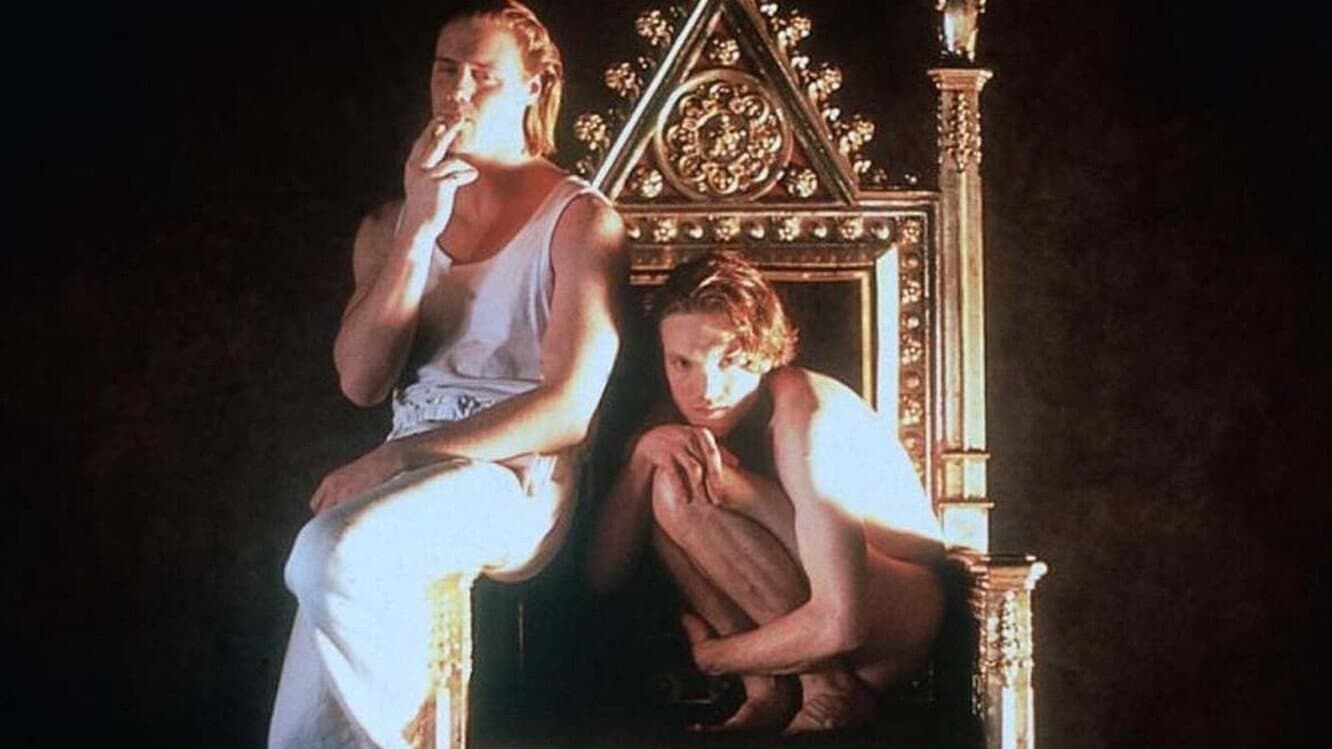
Derek Jarman's 1991 feature Edward II remains one of the most audacious literary adaptations ever financed by a major studio, and a new critical reappraisal argues that its fusion of 14th-century history with late-20th-century protest has only sharpened with age. The film, which runs 90 minutes and carries a TMDb rating of 6.3 out of 10, is being revisited as both an intimate portrait of its director's artistic circle and a historical snapshot of a queer rights backlash that bears uncomfortable parallels to the present.
Released on September 11, 1991, Edward II arrived at a moment when the AIDS crisis was still claiming lives by the tens of thousands and when activist groups were fighting for visibility against governments that had spent much of the previous decade ignoring the epidemic. Jarman, who was himself living with HIV at the time, took Christopher Marlowe's Elizabethan tragedy and stripped it down to its political bones, foregrounding the monarch's love for a commoner as the catalyst for a violent coup.
A Plot of Desire and Betrayal, Reframed for the 1990s
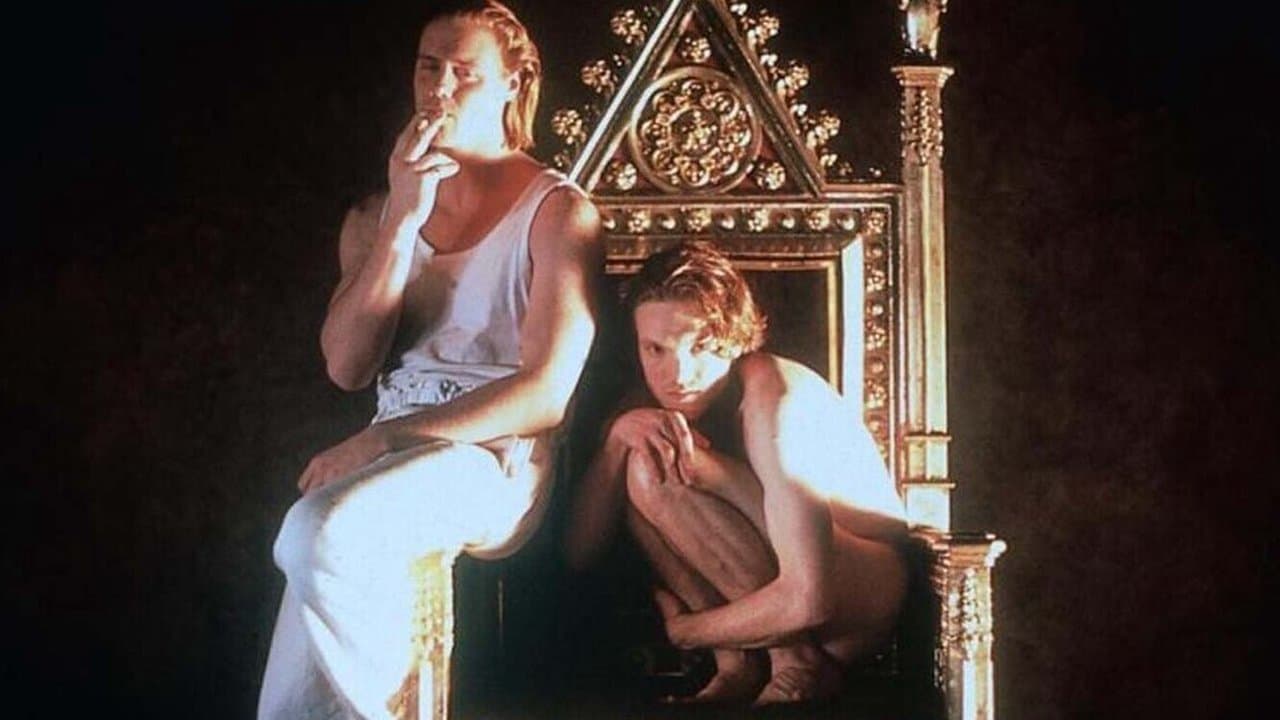
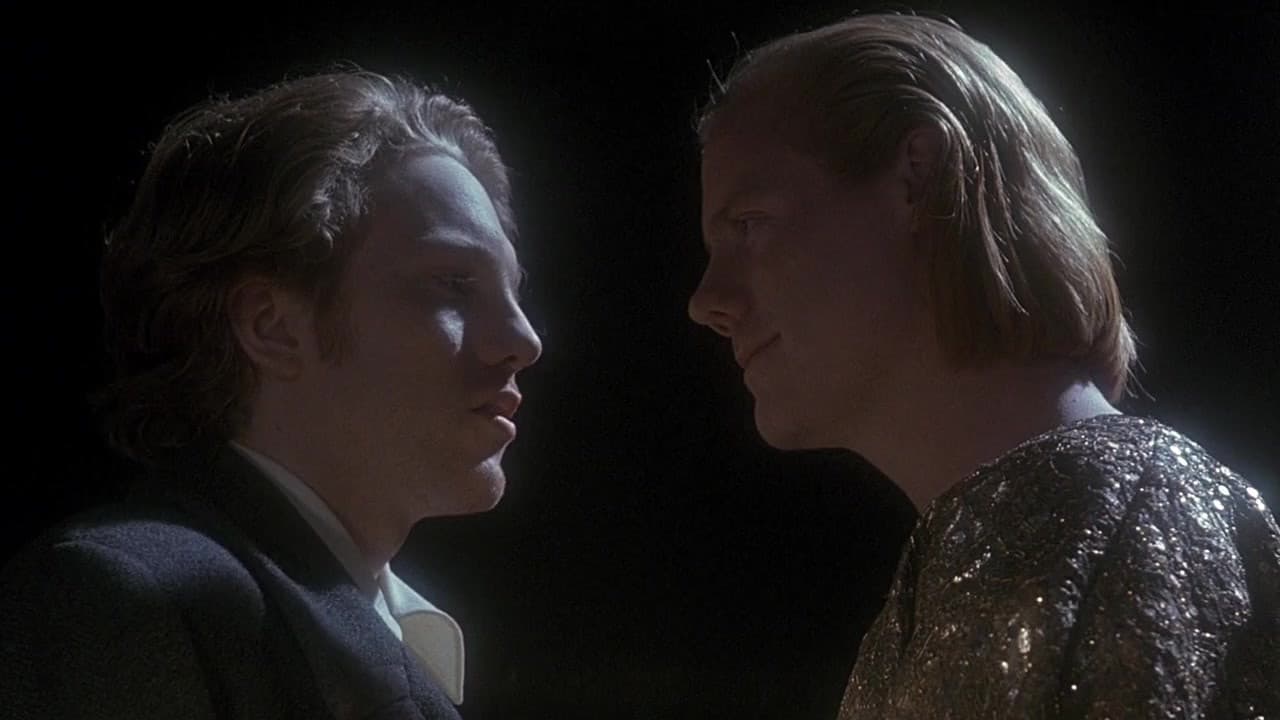
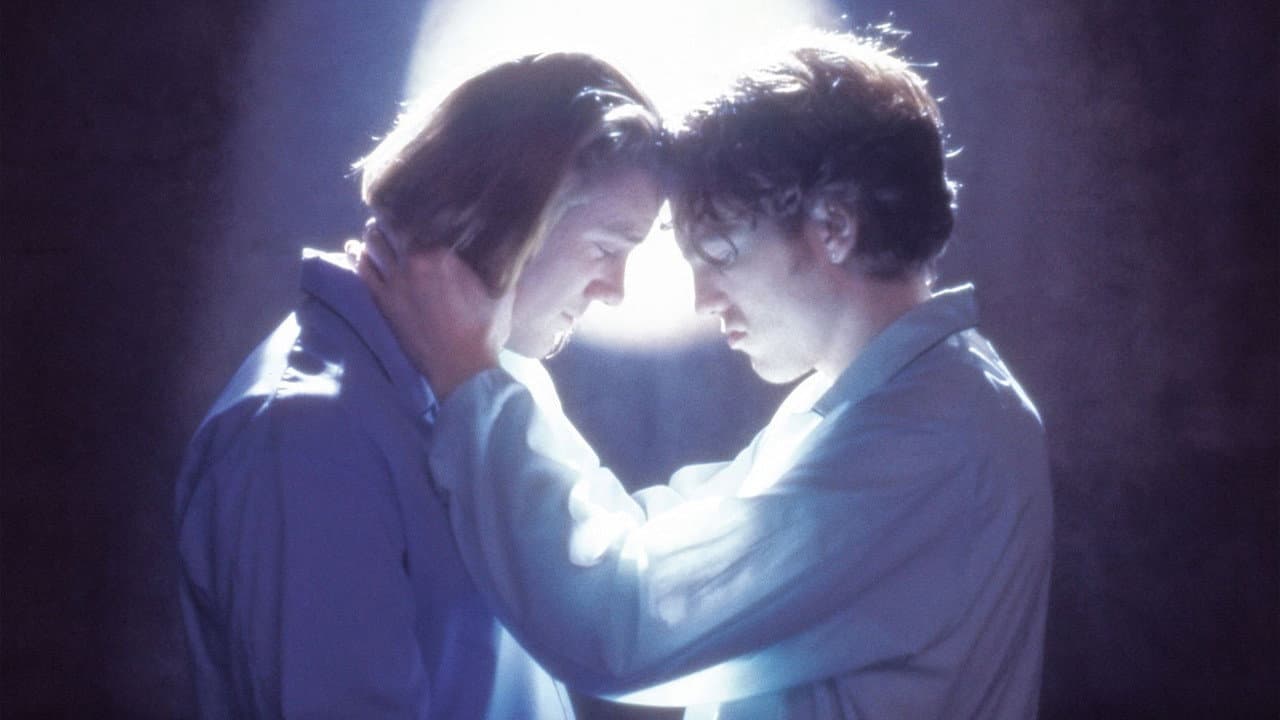
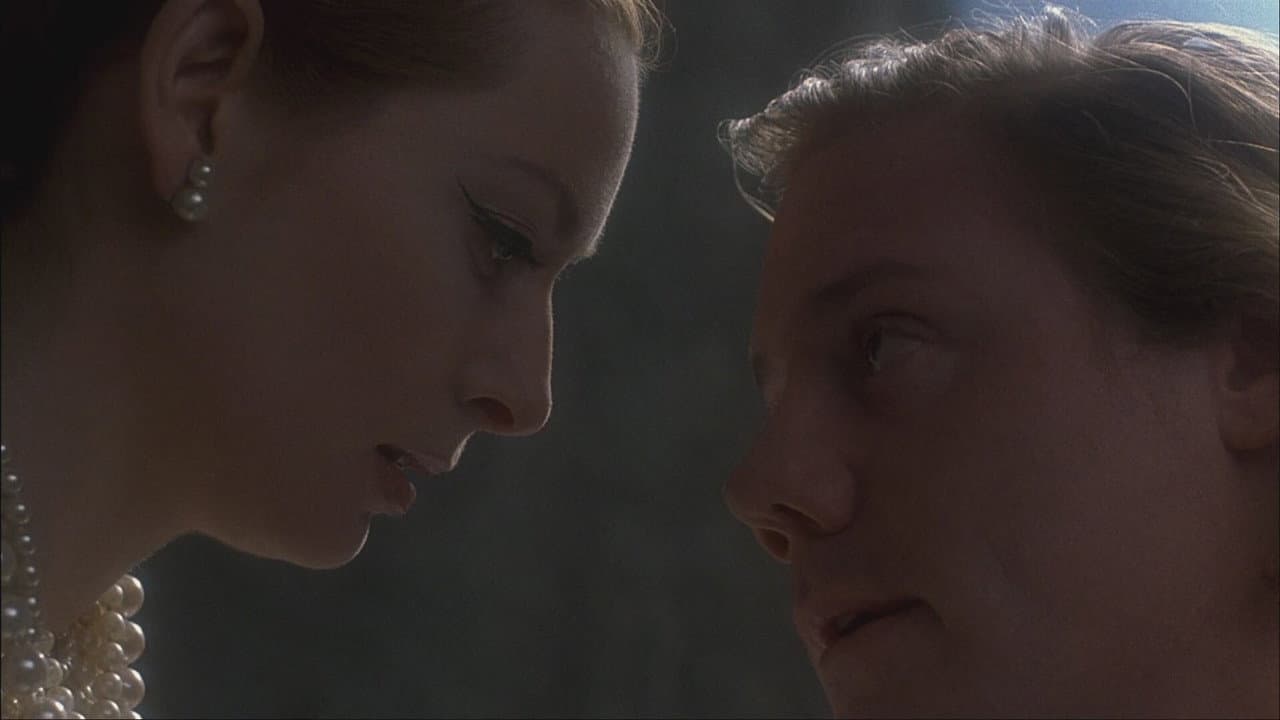
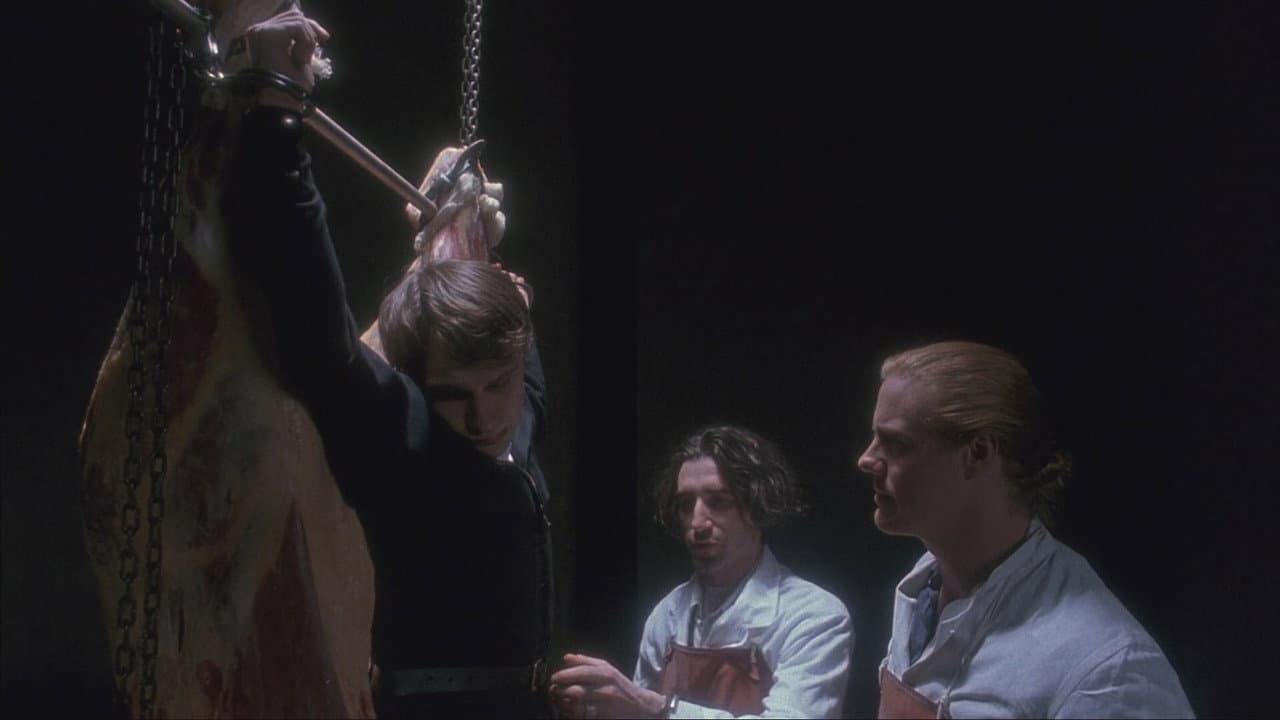
The story unfolds in 14th-century England, where King Edward II falls in love with Piers Gaveston, a young man of humble origins whom he elevates with favors and titles of nobility. The cold and jealous Queen Isabella, resentful of her husband's devotion to Gaveston, conspires with the evil Mortimer to eliminate the favorite, depose the king, and seize power. What could have been a conventional historical romance becomes, in Jarman's hands, a chamber drama about the cost of living openly under a hostile regime.
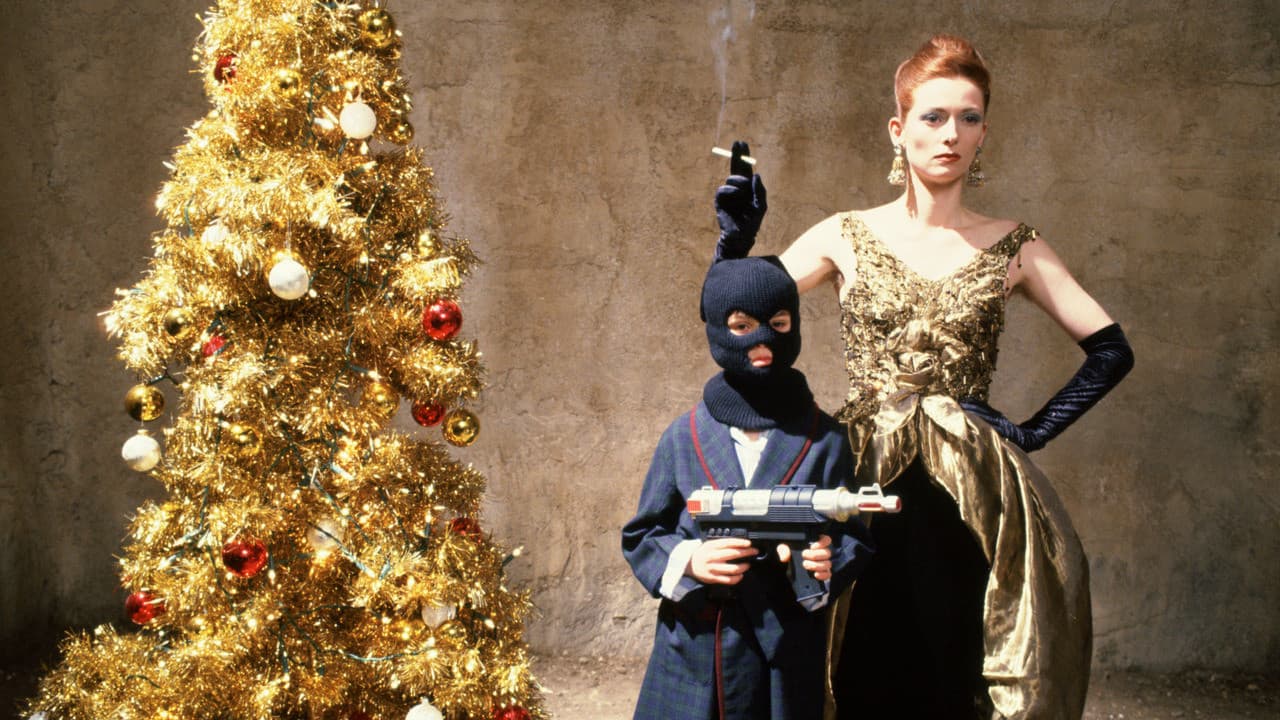
Steven Waddington plays Edward II as a man whose affection is both his defining strength and his political undoing. Andrew Tiernan's Gaveston is less a schemer than a survivor, aware that the king's protection is the only thing standing between him and a mob. Tilda Swinton, in one of her earliest major screen roles, turns Isabella into a figure of icy calculation rather than mere jealousy, while Nigel Terry's Roger Mortimer supplies the film's ruthless forward momentum. The supporting cast includes John Lynch as Spencer, Dudley Sutton as the Bishop of Winchester, Jerome Flynn as Kent, and Jody Graber as Prince Edward.
Jarman's Anachronisms as Argument, Not Decoration
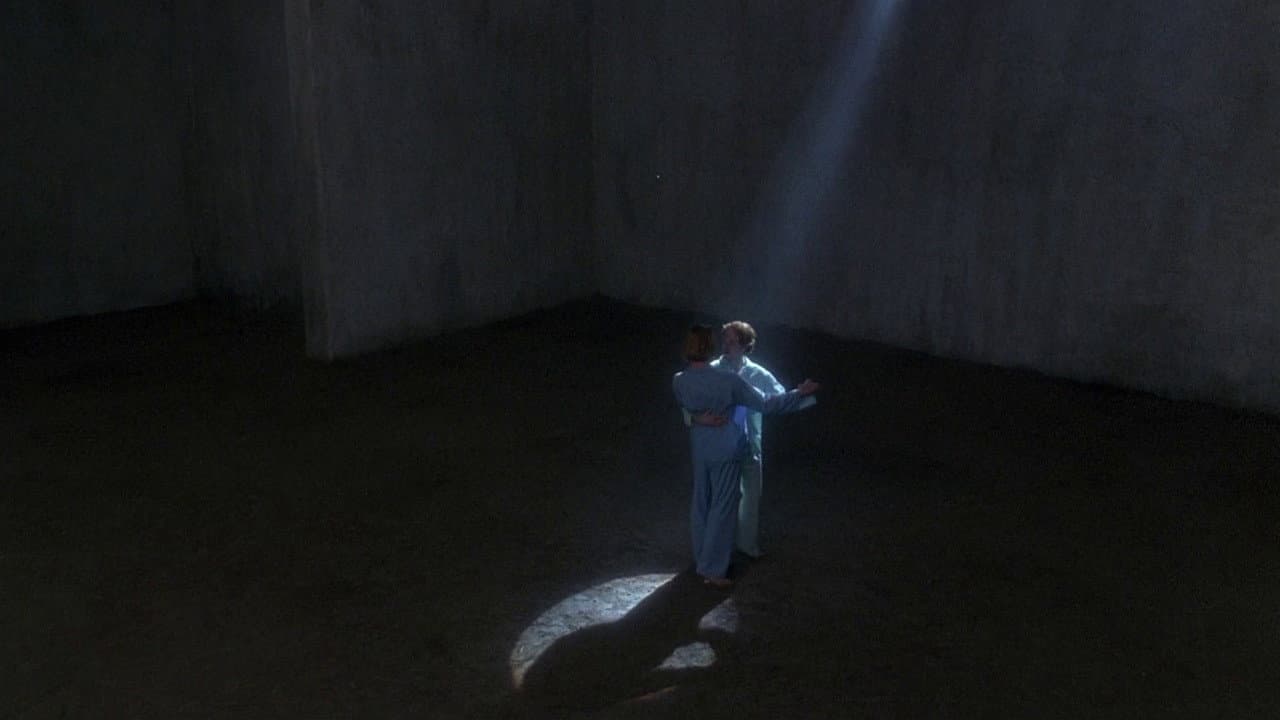
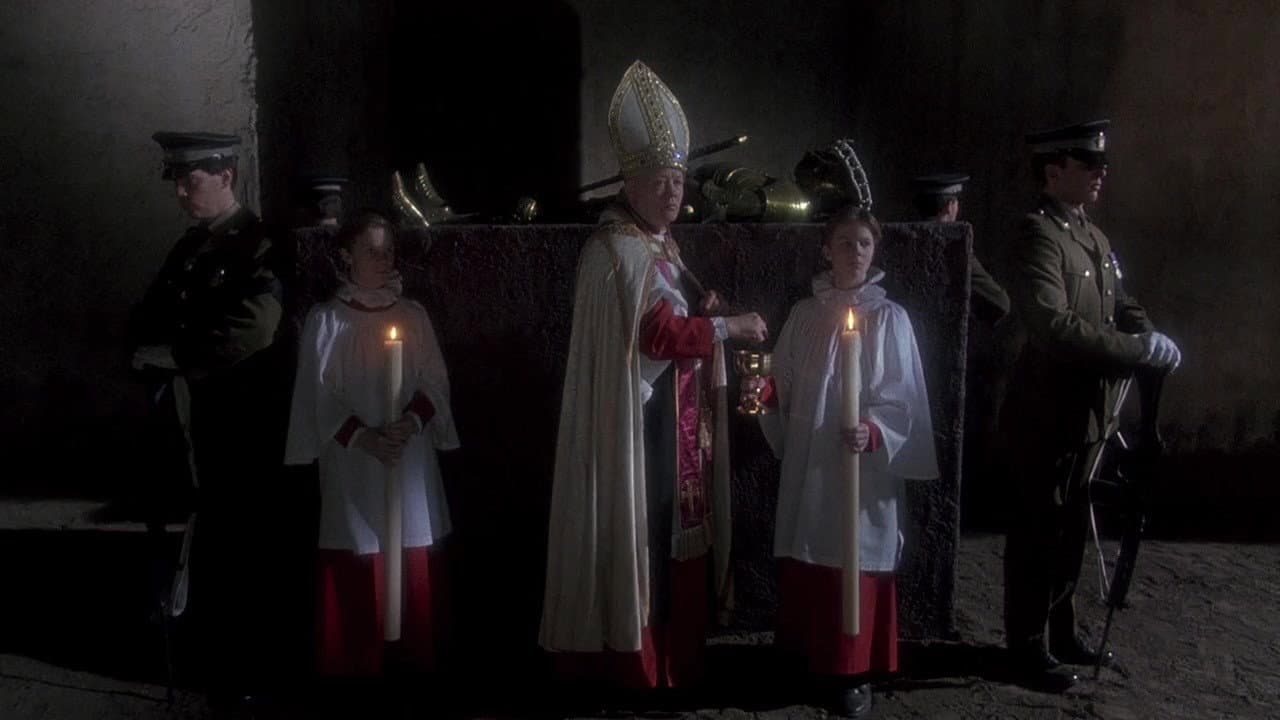
The film's most discussed formal choice is its refusal to keep the 14th century sealed off from the 20th. Modern dress, contemporary protest imagery, and a soundtrack that mixes early music with punk and pop all collide within the same frame. Jarman was not attempting period accuracy; he was insisting that the persecution of gay men was not a medieval relic but a live political fact. The genre labels attached to the film note history, romance, and drama, but none of those categories fully captures its method, which is closer to agitprop staged as pageant.
That approach has drawn renewed attention as scholars and programmers reconsider how explicitly Jarman linked Edward's fate to his own. The king's downfall comes not because he loves a man, but because he refuses to subordinate that love to the demands of court and church. Isabella and Mortimer do not merely want power; they want the visible erasure of a relationship they find intolerable. Watching the conspirators close in on Gaveston, it is difficult not to read the film as a warning about what happens when a society decides that certain loves must be punished to restore order.
An Archive of a Movement Under Pressure
The new inside-look material that has prompted this reappraisal situates Edward II within a broader cultural record of the early 1990s, when queer artists were simultaneously producing some of their most vital work and facing some of their most organized opposition. Jarman died in February 1994, less than three years after the film's release, making Edward II one of his final features and arguably his most direct engagement with the politics of his own mortality.
For audiences encountering it now, the film functions on two levels. It is a gripping, 90-minute tragedy with a TMDb rating of 6.3 out of 10, powered by Swinton's breakthrough performance and Jarman's unerring eye for the visual gesture that lands like a verdict. It is also a document of a specific backlash, captured by someone who understood that history does not repeat so much as it rhymes. The king who loves the wrong person, the queen who weaponizes that love, the court that looks away: Jarman filmed all of it in a single, defiant breath.
Source: Hollywood Reporter