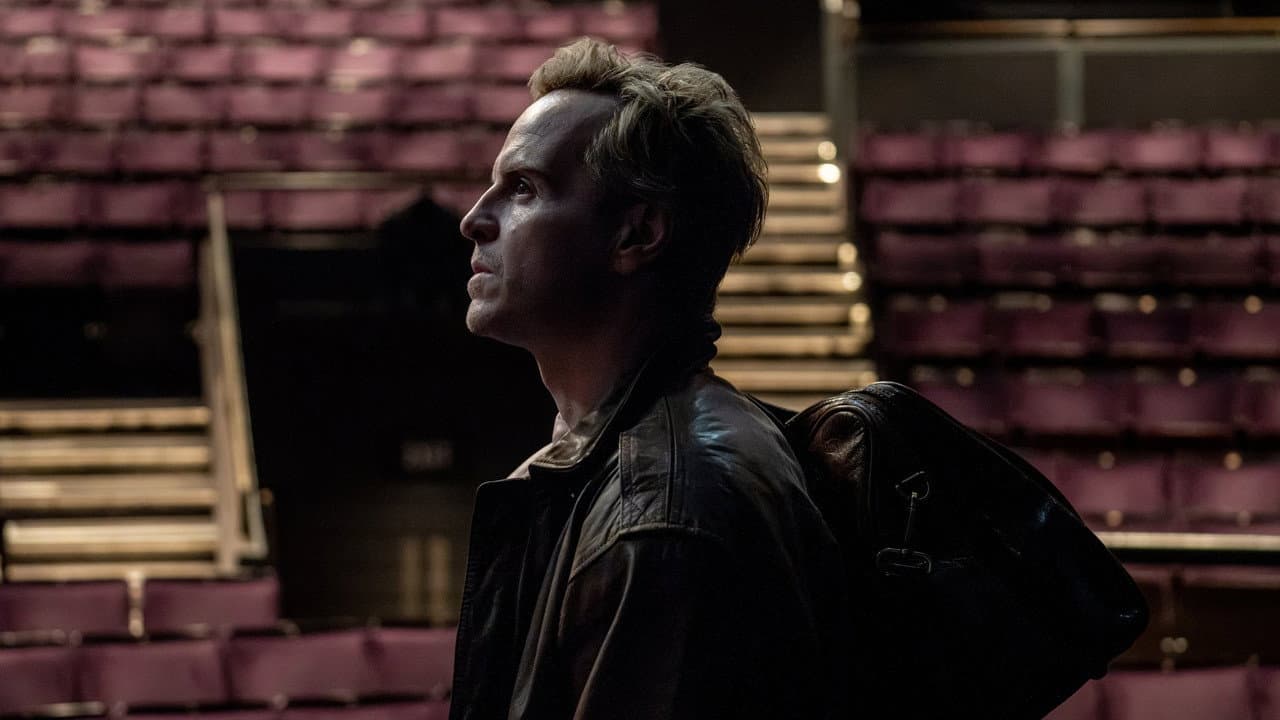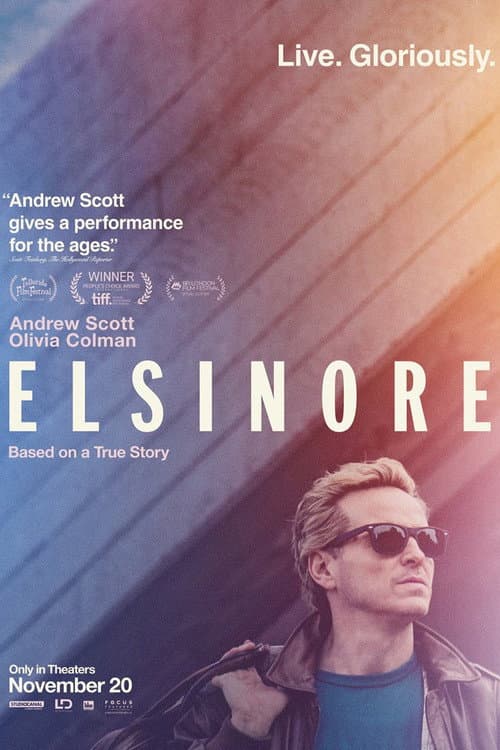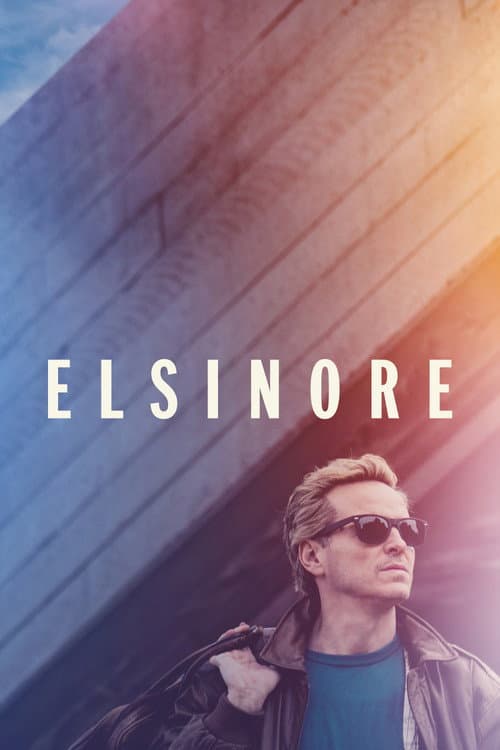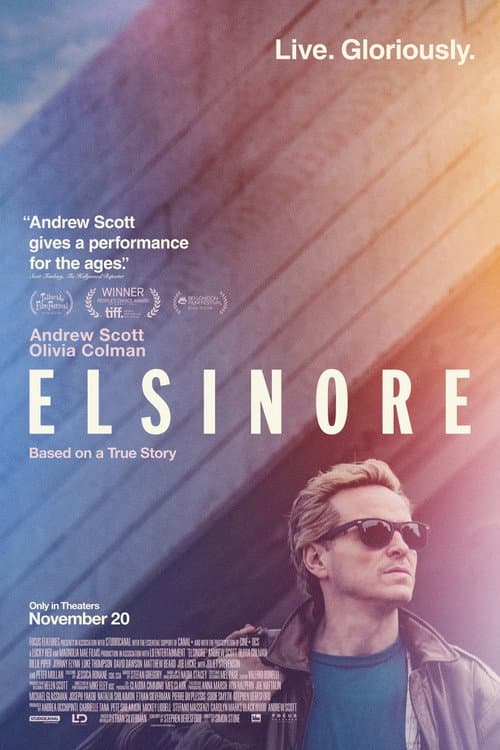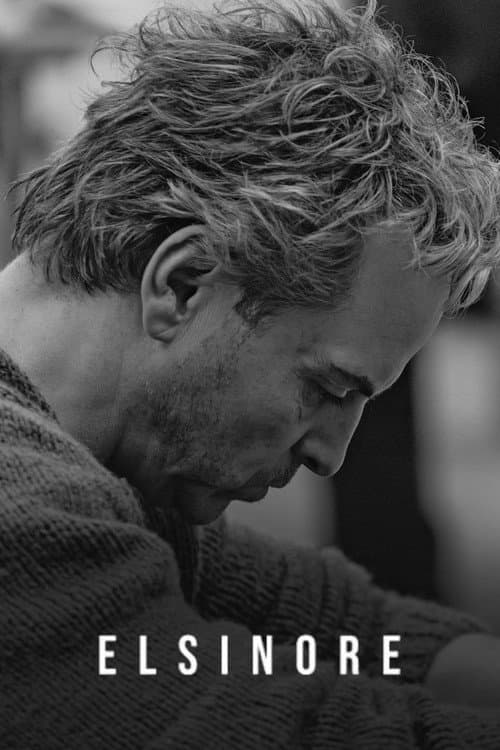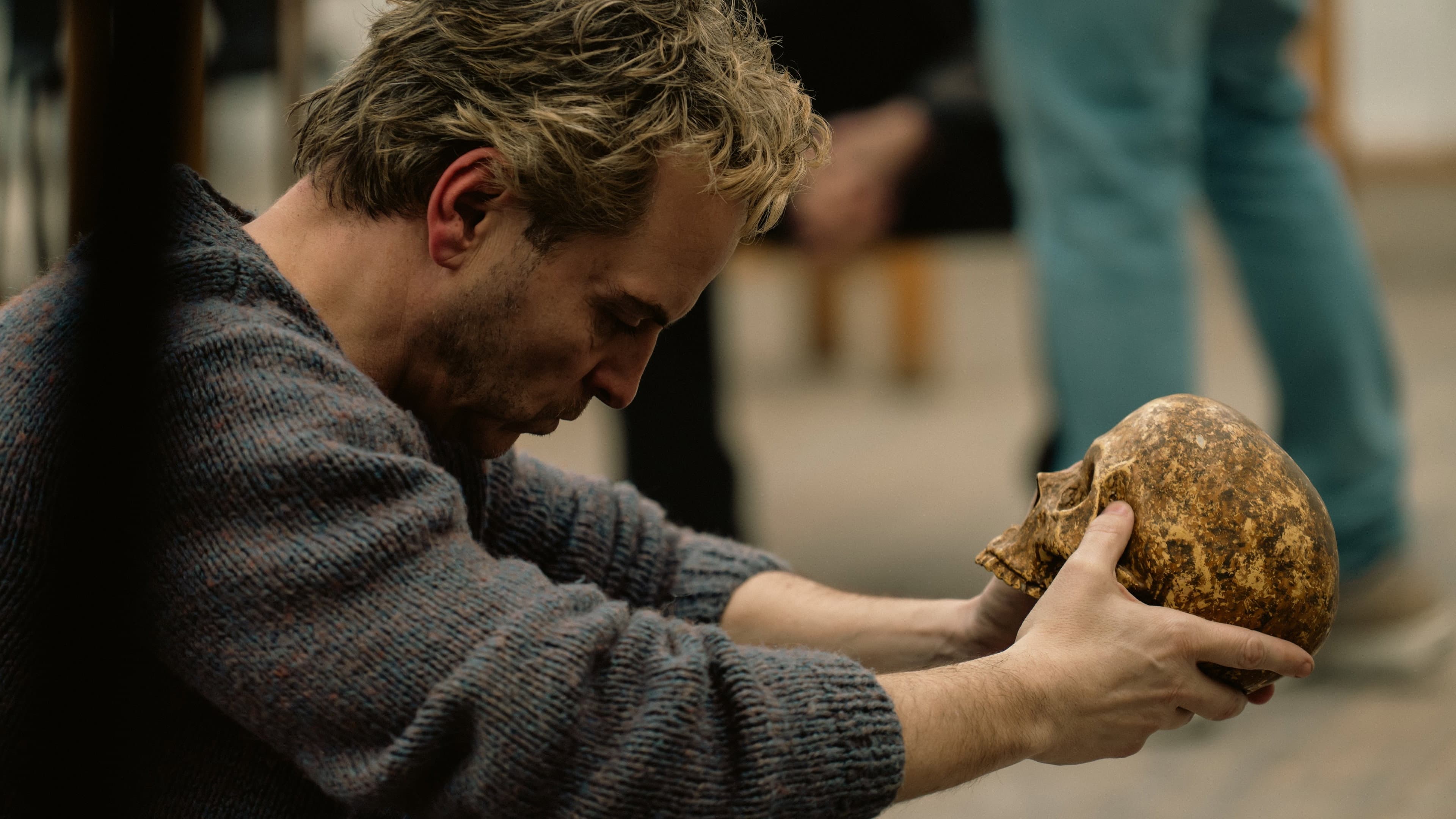
Andrew Scott has spent much of the past decade being asked what it means to be an out gay actor in Hollywood. With "Elsinore," the question has finally changed shape. The 111-minute drama, directed by Simon Stone and set for a November 20, 2026 release, casts Scott as Ian Charleson, the Scottish stage and screen performer whose final years became a testament to dignity under impossible pressure. For Scott, the role arrived at a moment when his own career has reached a rare altitude - and he is not interested in pretending that is ordinary.
"I've been able to thrive in this situation, and that feels genuinely extraordinary," Scott said of working as an openly gay leading man in 2026. The phrasing carries weight precisely because it is understated. Scott is not claiming victory over an industry that once would have sidelined him; he is noting, with characteristic precision, that survival and flourishing are not the same thing - and that he has managed both.
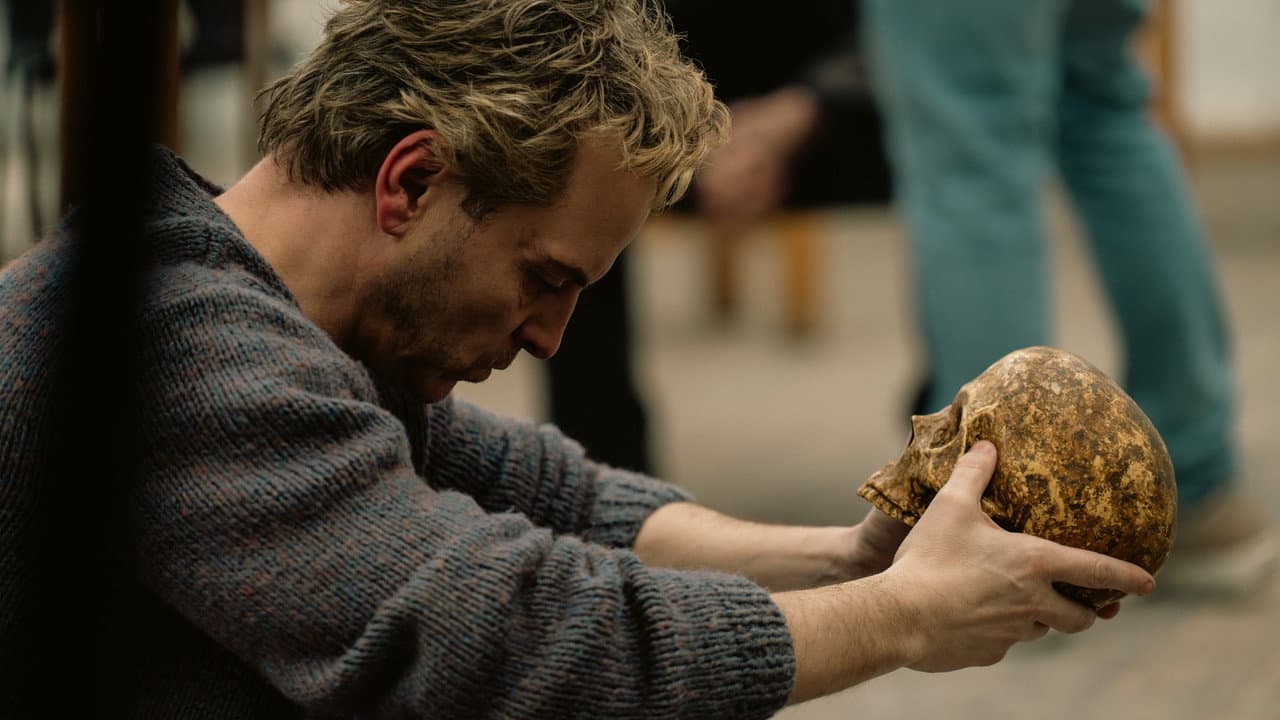
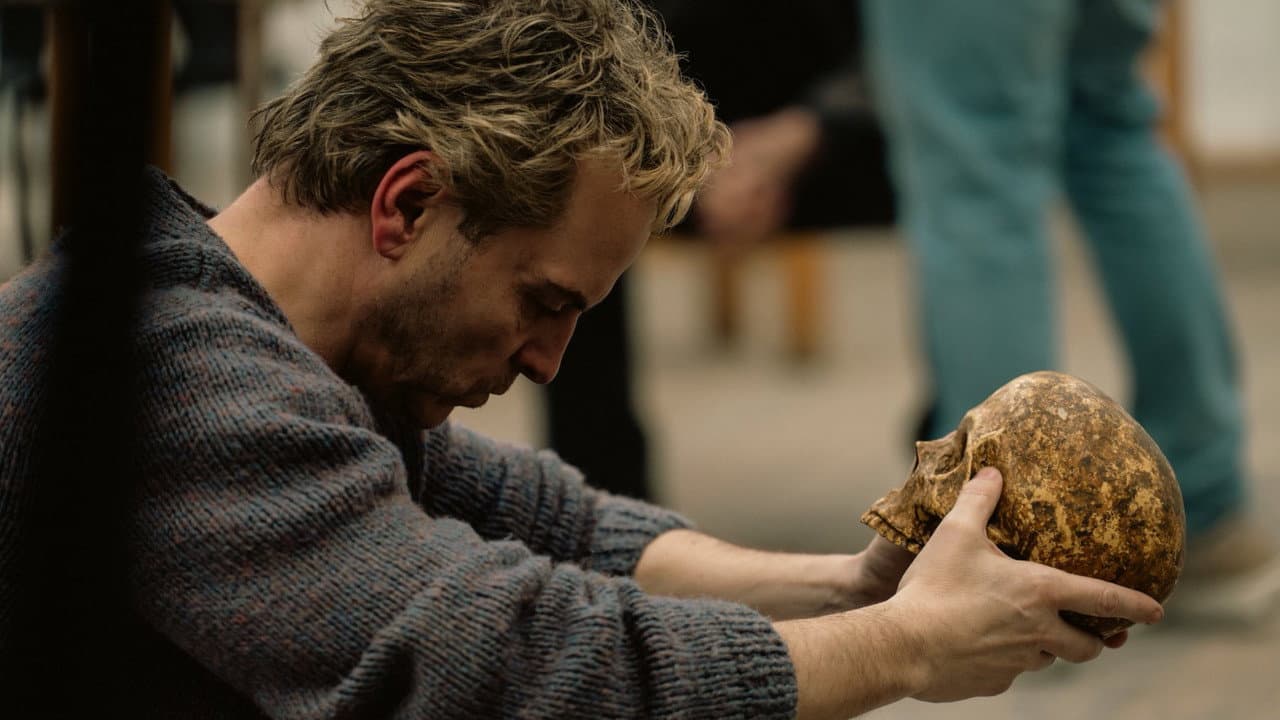
"Elsinore" traces the true story of Charleson, a gifted actor whose greatest challenge becomes his greatest triumph. Facing his own mortality with unflinching honesty, wit, and grace, Charleson delivers a courageous performance that becomes a source of healing and inspiration for those around him. The film's title evokes the setting of "Hamlet," a role Charleson famously played, though the story belongs to the man rather than the part.
A Cast Built for Theatrical Weight
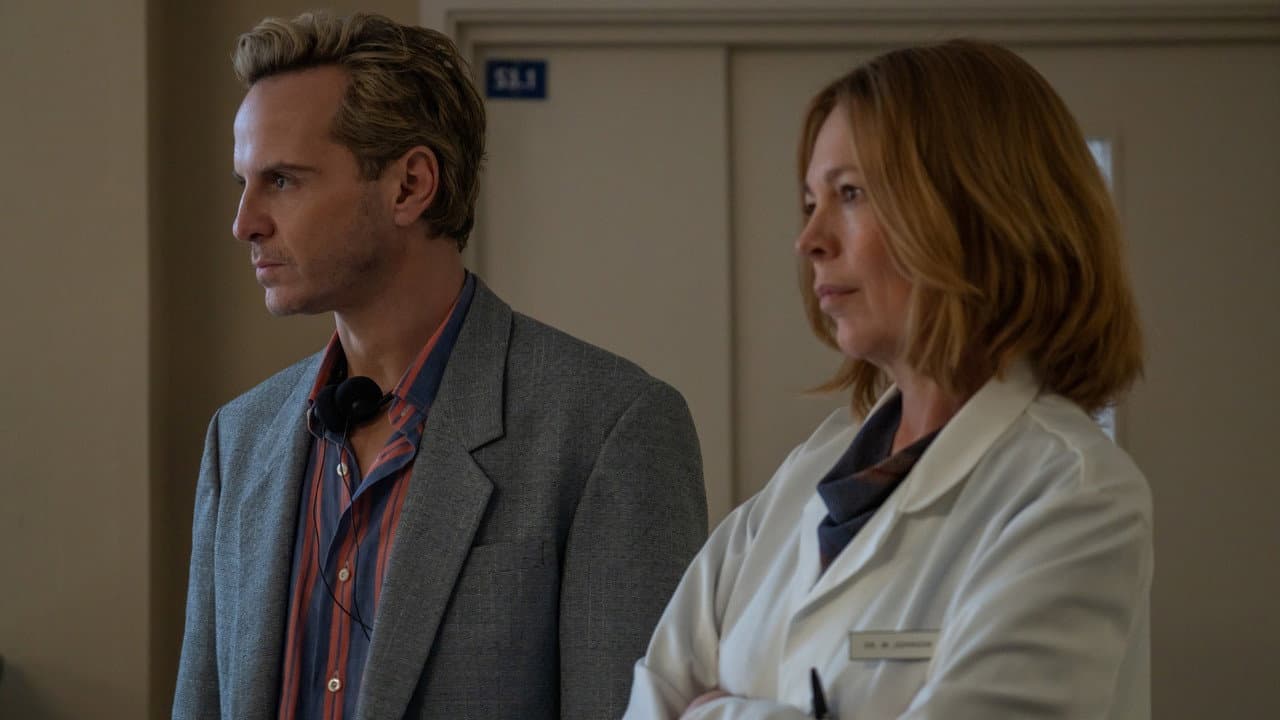
Stone has assembled an ensemble steeped in British stage tradition. Olivia Colman plays Margaret Johnson, with Billie Piper as Patsy, Johnny Flynn as director Richard Eyre, Luke Thompson as Georgie Randall, David Dawson as Derek Jarman, Matthew Beard as Sean, and Joe Locke as Nicholas. The roster reads like a roll call of performers who move fluidly between screen and stage, which suits a subject whose life was defined by both.
Dawson's presence as Jarman is a particularly sharp piece of casting. Jarman, the filmmaker and artist, was one of the most visible cultural figures of his era to live openly with HIV, and his relationship to Charleson - both men working in an industry that treated their lives as a liability - forms part of the film's emotional architecture. Stone, known for his rigorous approach to text and his willingness to let silence do work, appears to be aiming for something closer to elegy than biopic.
The film's runtime of 111 minutes suggests a tight, focused narrative rather than a sprawling survey. That choice tracks with the premise: this is not a cradle-to-grave portrait but a study of a specific kind of courage, the kind that shows up when there is no audience left to impress.
What Scott Brings to the Part
Scott's career has been defined by an ability to locate the wounded intelligence inside charismatic figures. His work on stage - including a celebrated "Present Laughter" and a riveting "Vanya" - has demonstrated an appetite for roles that require him to hold contradiction in plain view. Charleson, who died in 1990 at 40, was a performer of comparable gifts, and the symmetry is difficult to ignore.
What makes Scott's comments notable is the refusal to frame his own success as a purely personal achievement. He has spoken before about the generational nature of progress, about the actors who came before him and did not get to work openly. Charleson belongs to that earlier era. The film, in a sense, is a conversation between two men who never shared a stage.
The drama is an English-language Hollywood production, and its release date places it squarely in the awards corridor. Whether it finds that audience remains to be seen, but the combination of Stone's formal rigor, Colman's presence, and Scott's central performance gives it a serious claim on attention.
For now, Scott's reflection stands on its own. Thriving, he suggests, is not the same as being accepted. It is something more active - a decision to keep working, keep building, and keep refusing the smaller version of the story. In "Elsinore," that refusal becomes the subject itself.
Source: Hollywood Reporter