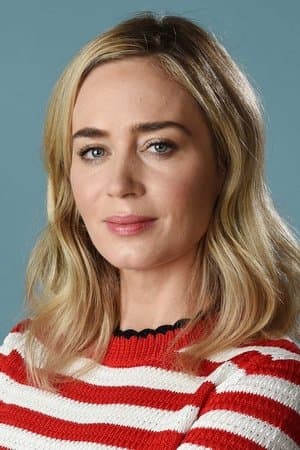
Emily Blunt, the acclaimed actress currently generating awards-season buzz for her role in the upcoming drama Disclosure Day, has been named the recipient of the Kirk Douglas Award for Excellence in Film at the Santa Barbara International Film Festival. The festival announced the honor on Tuesday, setting the stage for a ceremony that will celebrate Blunt’s substantial body of work and her standing as one of the most versatile performers of her generation.
The award, named for the late legendary actor and philanthropist, has become one of the key stops on the pre-Oscars circuit, recognizing artists for their overall contribution to cinema rather than a single performance. Blunt will receive the trophy at a gala tribute event scheduled to take place in early February, during the festival’s 41st edition. Organizers have not yet confirmed the exact date or the full slate of presenters expected to appear, but the evening is anticipated to draw a host of A-list collaborators and industry figures eager to honor the British star.
For Blunt, the news arrives at a peak moment of professional momentum. In Disclosure Day, she plays a corporate attorney who uncovers a conspiracy that threatens to unravel her firm - and her life. Early reviews from pre-festival screenings have praised her portrayal as a tightly wound, morally conflicted protagonist, and the performance is already being mentioned in speculative conversations about best actress nominations. While the festival’s announcement frames the award as a career achievement honor, the timing ensures that Blunt’s name will remain firmly in the discourse as voting bodies begin to finalize their shortlists.
The Kirk Douglas Award has a history of recognizing transformative talents at pivotal junctures. Past recipients include the likes of Jane Fonda, Martin Scorsese, and Denzel Washington, all of whom accepted the prize during years when their work was dominating critical conversations. In that sense, Blunt joins a lineage that signals not just past accomplishments but anticipated future ones. Her trajectory - from breakout roles in The Devil Wears Prada and A Quiet Place to acclaimed turns in Mary Poppins Returns and Oppenheimer - has already cemented her as a bankable and critically adored presence. The Santa Barbara honor, however, offers a more personal acknowledgment of the breadth of her range, spanning comedy, horror, musicals, and prestige drama.
Festival director Roger Durling, who has helmed the event for nearly two decades, described Blunt as a performer who "embodies the spirit of risk and reinvention" that Douglas himself championed. In a statement, Durling noted that Blunt's willingness to subvert expectations - whether by playing terrifying mothers, cynical mentors, or hopeful nannies - reflects the kind of fearless artistry the award was designed to celebrate. The tribute event will reportedly include a career-spanning retrospective, with clips from her filmography and on-stage conversations between Blunt and a moderator, a format the festival has used for previous honorees.
Blunt herself has remained characteristically modest about the recognition. In a brief statement released through the festival, she expressed gratitude for being named alongside the distinguished list of prior winners and cited Douglas’s legacy of perseverance as a source of personal inspiration. She also acknowledged the collaborative nature of filmmaking, thanking the directors and fellow actors who have challenged her over the years. Notably, she made no direct mention of the awards race, choosing instead to frame the honor as a celebration of collective storytelling.
The timing of the announcement is also strategic for the Santa Barbara International Film Festival, which has long positioned itself as a vital stop on the awards circuit. By locking in a major star like Blunt early, the festival secures both media attention and audience interest for its February slate. The event, typically held along the scenic California coast, balances prestige tributes with a robust lineup of international cinema, panels, and emerging filmmaker showcases. Blunt’s ceremony will likely serve as the festival’s marquee moment, drawing national entertainment press and streaming coverage.
Industry observers will note that the Kirk Douglas Award has often been a predictor of Oscar success, though not always a direct one. Last year’s recipient, for instance, saw a nomination but not a win in the corresponding race. Still, the honor carries weight as a marker of industry respect, and for an actress like Blunt - who has yet to take home a competitive Academy Award despite multiple nominations - it reinforces the narrative that her time is coming. With Disclosure Day still unreleased in wide theaters, the film’s distributor is likely to use the Santa Barbara buzz as a cornerstone of its awards campaign, and Blunt’s presence at the festival will provide ample photo opportunities and interviews.
As September begins, Blunt is also believed to be in early production on a separate, as-yet-untitled project, though representatives have declined to confirm details. That workload only amplifies the significance of the February date, as Blunt will be balancing promotional duties for Disclosure Day, potential awards circuit appearances, and her new film commitments. If there is any concern about calendar conflicts, the festival has expressed flexibility in working with talent schedules, having adjusted ceremony dates in the past for honorees with shooting obligations.
For now, the news gives Emily Blunt something rare in an industry defined by endless campaigning: a moment of pure, unfiltered homage. The Kirk Douglas Award is not tied to box office receipts or critical consensus; it is a symbolic pass from the industry's elders to its most promising standouts. And in a season where the conversation often gets bogged down in rank speculation and leaked screeners, a simple, elegant tribute can cut through the noise. When Blunt takes the stage at the Arlington Theatre, she will not merely accept a trophy. She will join the ranks of artists who have defined American cinema - and make a quiet but definitive case that her best work is still ahead of her.
Source: Hollywood Reporter