End of Oak Street (2026) - David Robert Mitchell Film
Photo: TMDb
The lawn sprinklers were still running when the world ended. That’s the haunting, hyper-specific detail that lingers after watching David Robert Mitchell’s End of Oak Street, a film that crashed into theaters on August 12 and has already become the most divisive, and most urgently discussed, science fiction thriller of the summer. It isn’t a blockbuster in the traditional sense - no exploding planets, no laser-blasting cavalry - but its quiet, creeping dread has proven far more potent. The TMDb audience score sits at a strong 7/10, a testament to a movie that rewards patience and punishes distraction.
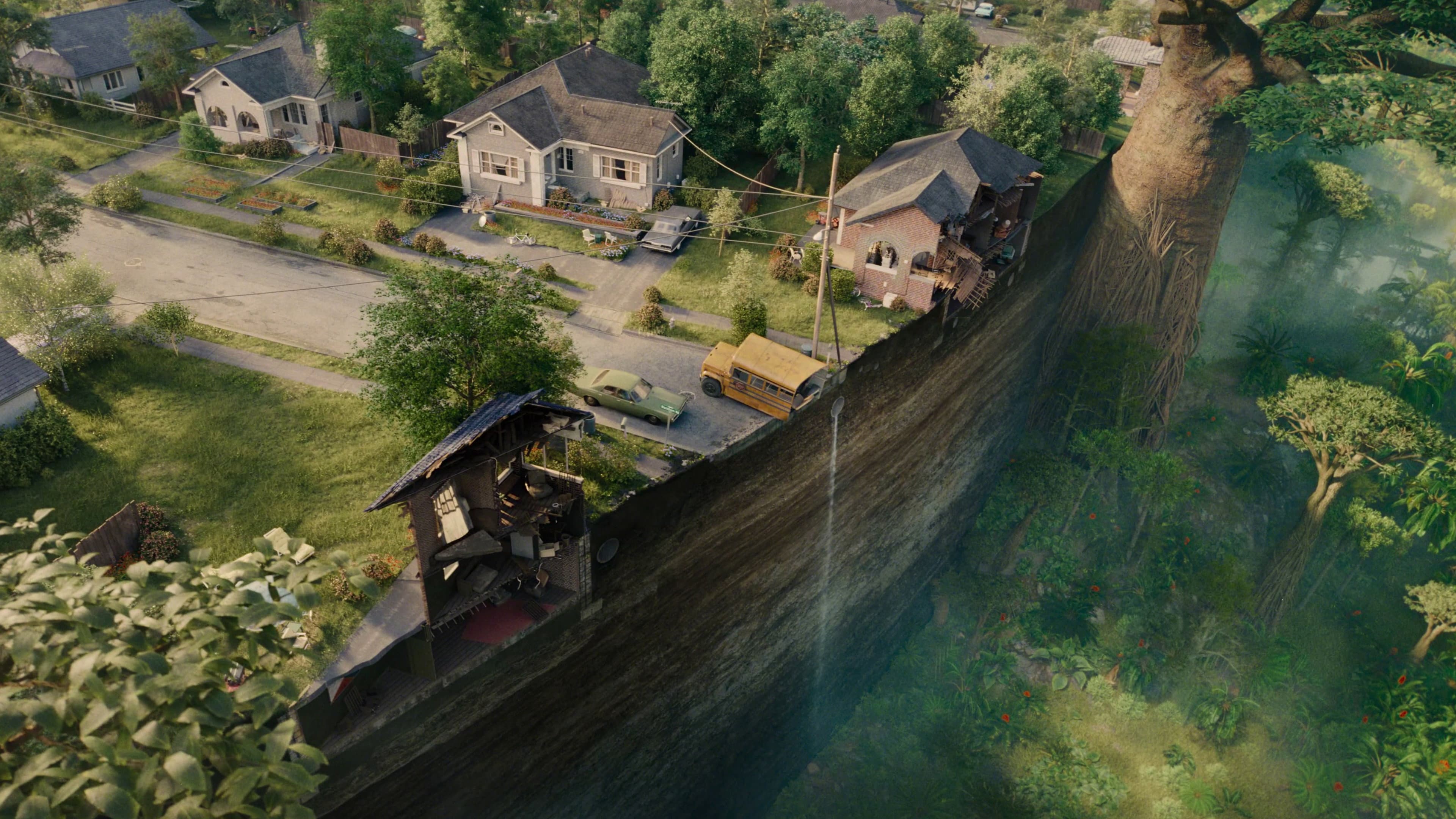
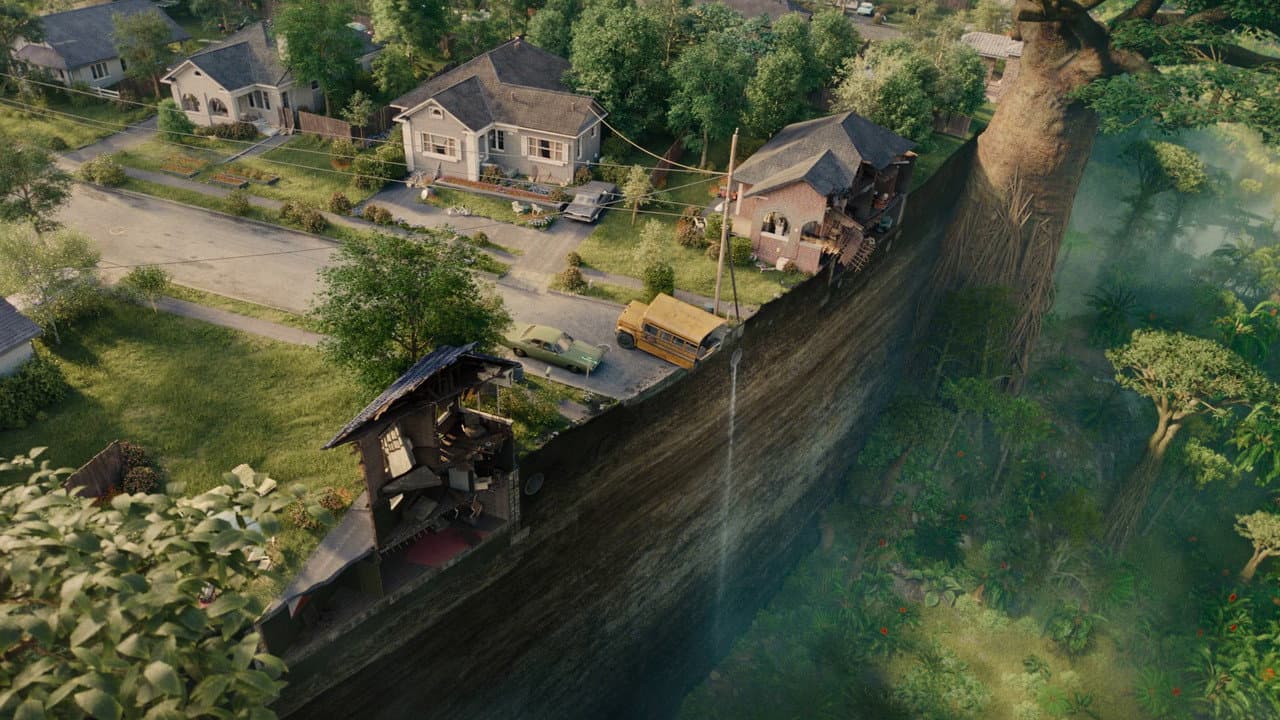
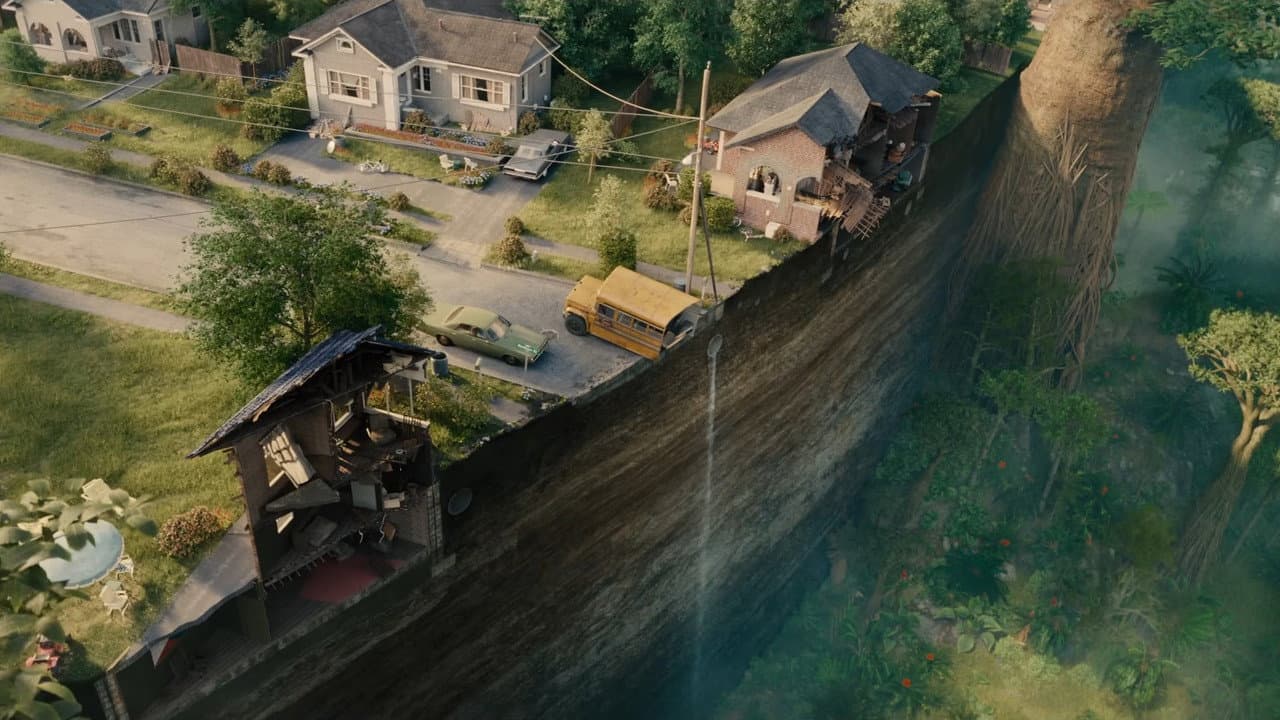
The premise is elegantly terrifying in its simplicity. One Tuesday morning, the Platt family wakes up to find their cul-de-sac has been violently severed from suburban reality. No bang, no flash. Just a low hum, a flicker of the porch light, and suddenly the street ends in a void of swirling, particulate darkness. There’s no government to call, no internet, no neighbors beyond the dozen or so families already on the block. Just them, their lawns, and an environment that begins to mutate with sinister deliberation.
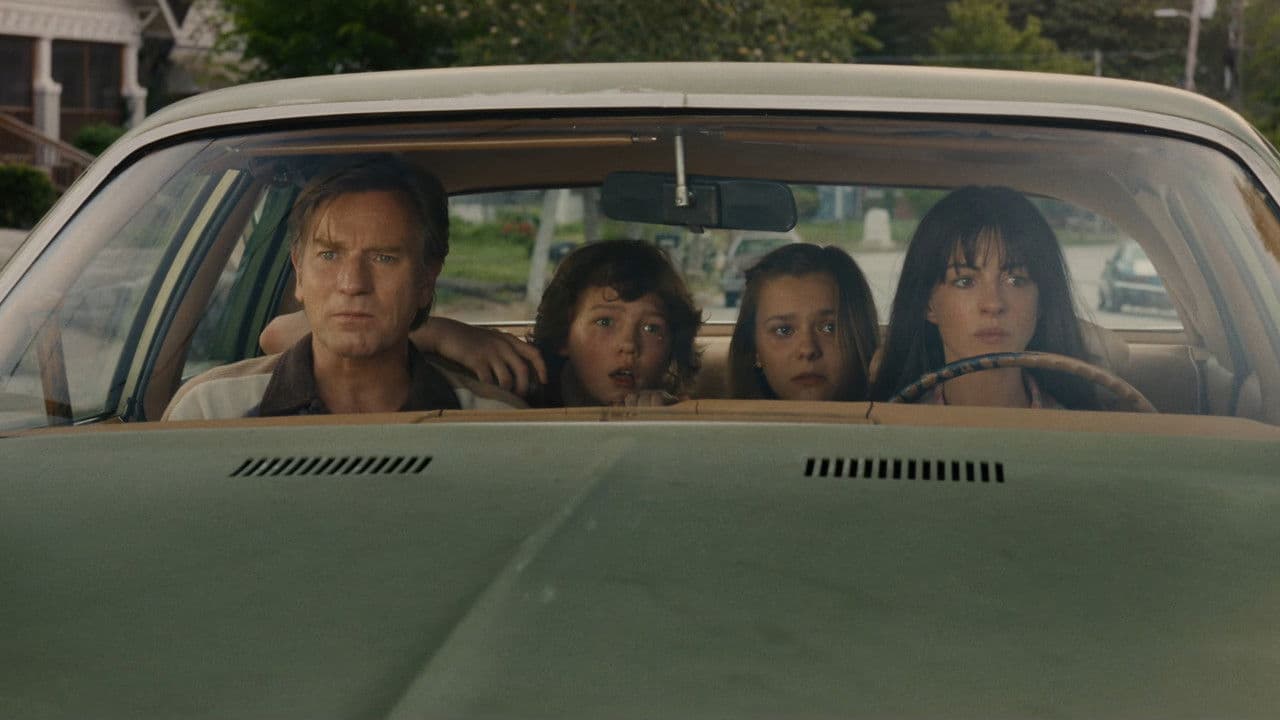
Anne Hathaway delivers a career-best performance as Denise Platt, a former ER nurse whose pragmatic calm becomes the family’s fragile anchor. Opposite her, Ewan McGregor plays Greg, a charming but out-of-his-depth dad whose instinct to "fix" things is rendered useless against cosmic indifference. The real revelation, however, is the children. Christian Convery and Maisy Stella, as Brian and Audrey Platt, avoid the saccharine tropes of child actors in peril. Brian’s obsession with mapping the neighborhood’s new geometry, and Audrey’s increasingly unsettling drawings of what lies beyond the mist, provide the film’s most unnerving clues. Mitchell, who previously twisted reality in It Follows, knows that the scariest monster is the one you suspect but can’t yet name.
The ensemble cast, rounded out by Jordan Alexa Davis, P.J. Byrne, Bethany Anne Lind, and the always-welcome Emily Kuroda as the cryptic neighbor Mrs. Valcour, grounds the fantastical premise in grimly funny, recognizable domestic friction. There’s a scene early on - before the full horror sets in - where the neighbors argue about whose turn it is to host the block party, even as the sky outside their windows looks like a bruise. It’s that refusal to abandon the mundane that makes the film ache with authenticity. Byrne’s character, Mel Jacobs, spends the first act hoarding canned goods and insisting it's a "weather event," a painfully real portrait of denial in the face of the inexplicable.
What separates End of Oak Street from the sludge of generic Netflix apocalyptic fare is its pacing. At a taut 100 minutes, it doesn’t overstay its welcome, but it also refuses to spoon-feed answers. The mystery of the "Event" is never fully explained, and that’s the point. Mitchell eschews the traditional three-act structure for something more dreamlike and claustrophobic. The neighborhood doesn’t just look different; it feels different. Gravity hiccups. Time skips. The mailman, seen on a loop walking the same route, becomes a silent existential joke. The film’s sound design deserves particular praise - the persistent, low-frequency drone that sits just under the dialogue acts as a pressure cooker, making even quiet breakfast scenes feel like a held breath.
Thematically, the film is a subversive take on American suburban mythology. Oak Street isn't just a location; it’s a state of mind. The Platters’ fight for survival isn't against a monstrous creature, but against the erosion of the familiar. As the environment becomes unrecognizable, the family is forced to rediscover each other beyond their prescribed roles of breadwinner and homemaker. "We keep looking for the exit," Denise says in a hushed moment, "but the exit was the porch we never sat on." It’s a line that lands with devastating weight in a film that’s less about escaping a nightmare and more about learning to inhabit it together.
Some critics have balked at the ending, which is deliberately ambiguous and refuses to offer catharsis. But that ambiguity is the film’s greatest strength. In a genre obsessed with stakes and solutions, Mitchell dares to ask a more profound question: what happens when there is no solution, only adaptation? End of Oak Street is a slow burn that ignites in the final twenty minutes, leaving viewers in a state of stunned contemplation long after the credits roll. It’s not a fun ride. It’s an experience - uncomfortable, brilliant, and strangely hopeful about the resilience of human connection in a universe that doesn’t care. For those willing to trade easy answers for genuine unease, this is the must-see film of the season.