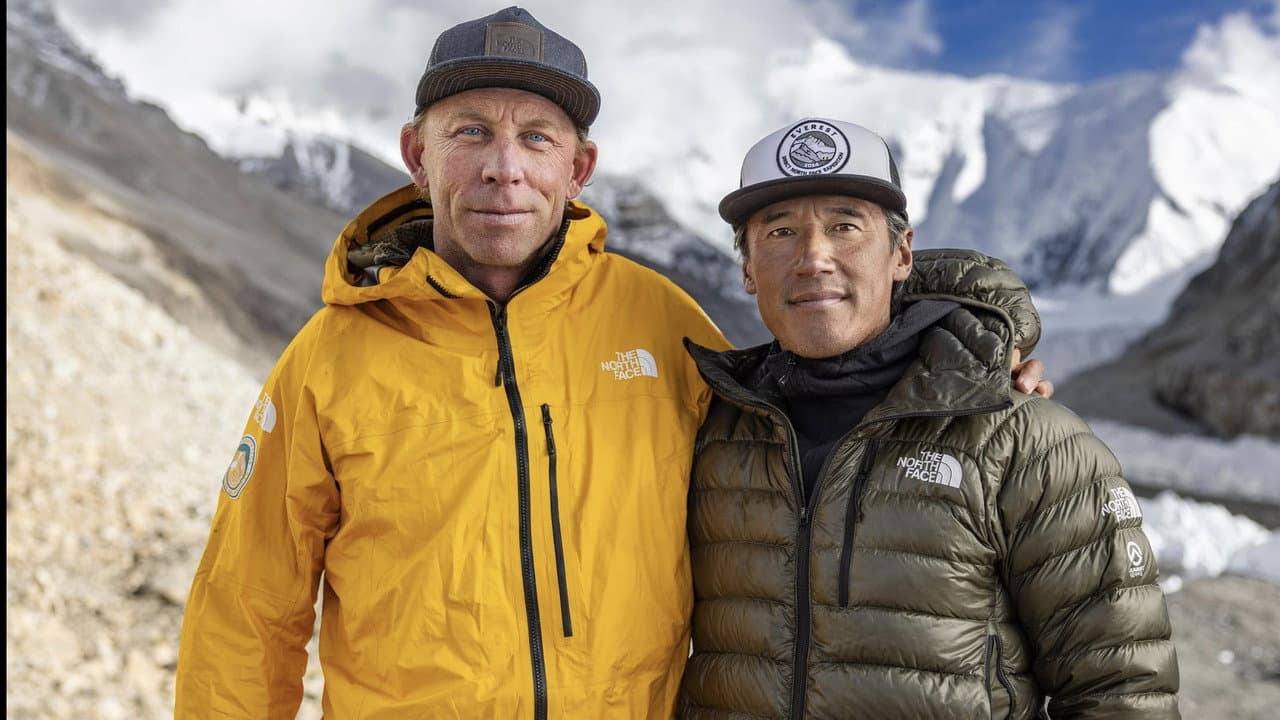
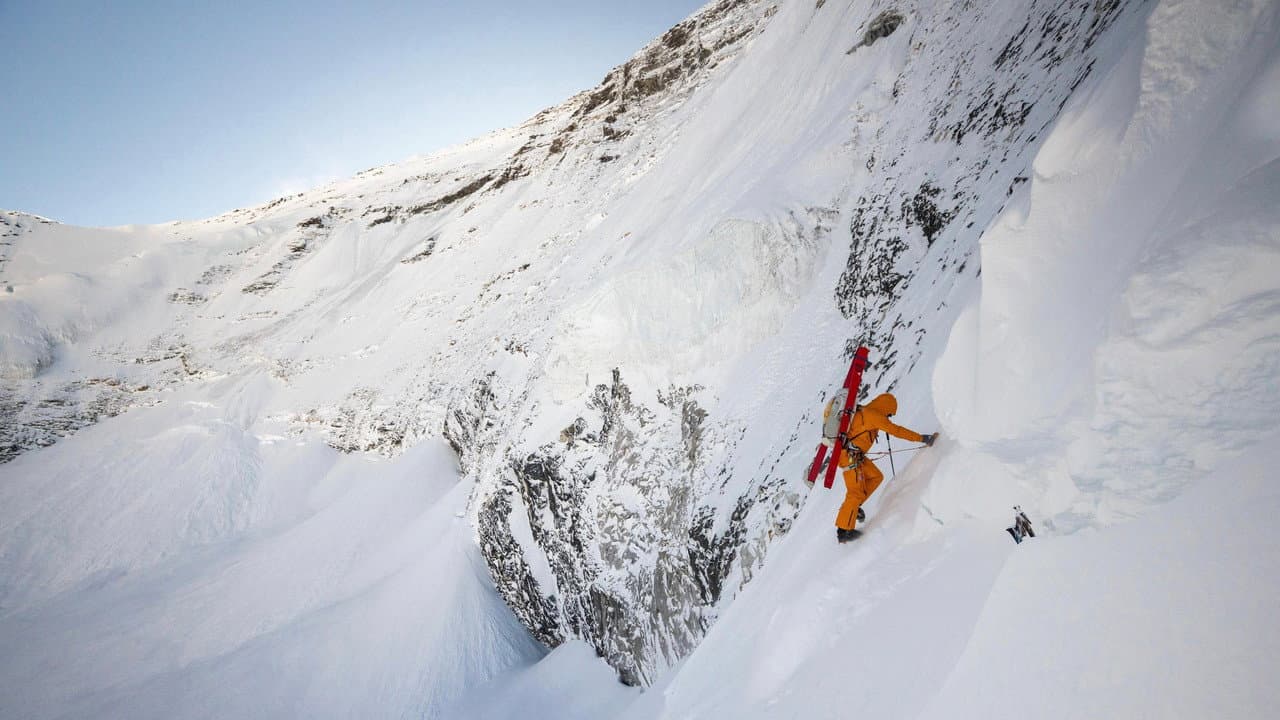
Jimmy Chin's latest documentary doesn't head to the summit so much as it heads into the marriage. "Everest: The Other Side," which opens in theaters October 29, turns its lens on elite ski mountaineers Hilaree Nelson and Jim Morrison, two people whose romance took root at the very top of their sport and whose shared dream carried them toward the most dangerous line on the planet: the direct North Face of Mount Everest. The film runs 115 minutes and arrives in English from Hollywood.
Chin, who directed the project, also appears on screen alongside his frequent creative partner Elizabeth Chai Vasarhelyi. The pair have spent years chronicling the outer edges of human endurance, and here they apply that same patient attention to a story that is as much about a relationship as it is about a mountain. Mikey Schaefer rounds out the cast of subjects.
A Line Only a Handful Have Touched
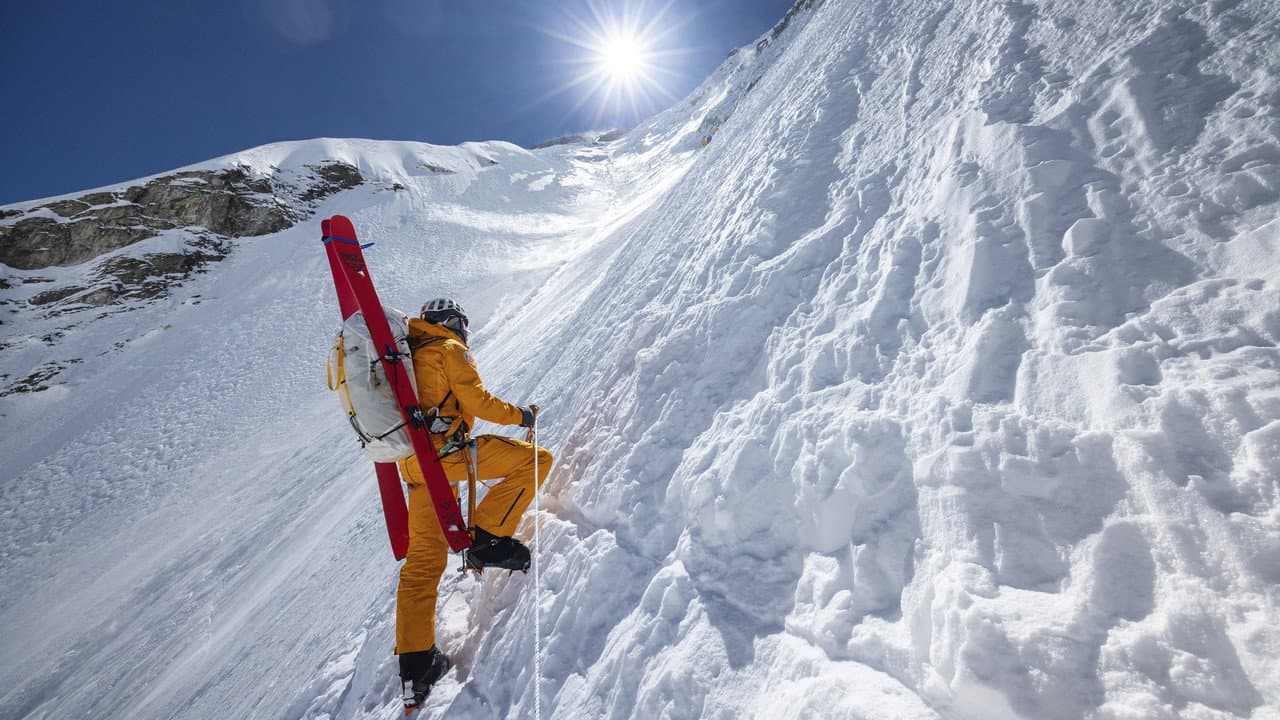
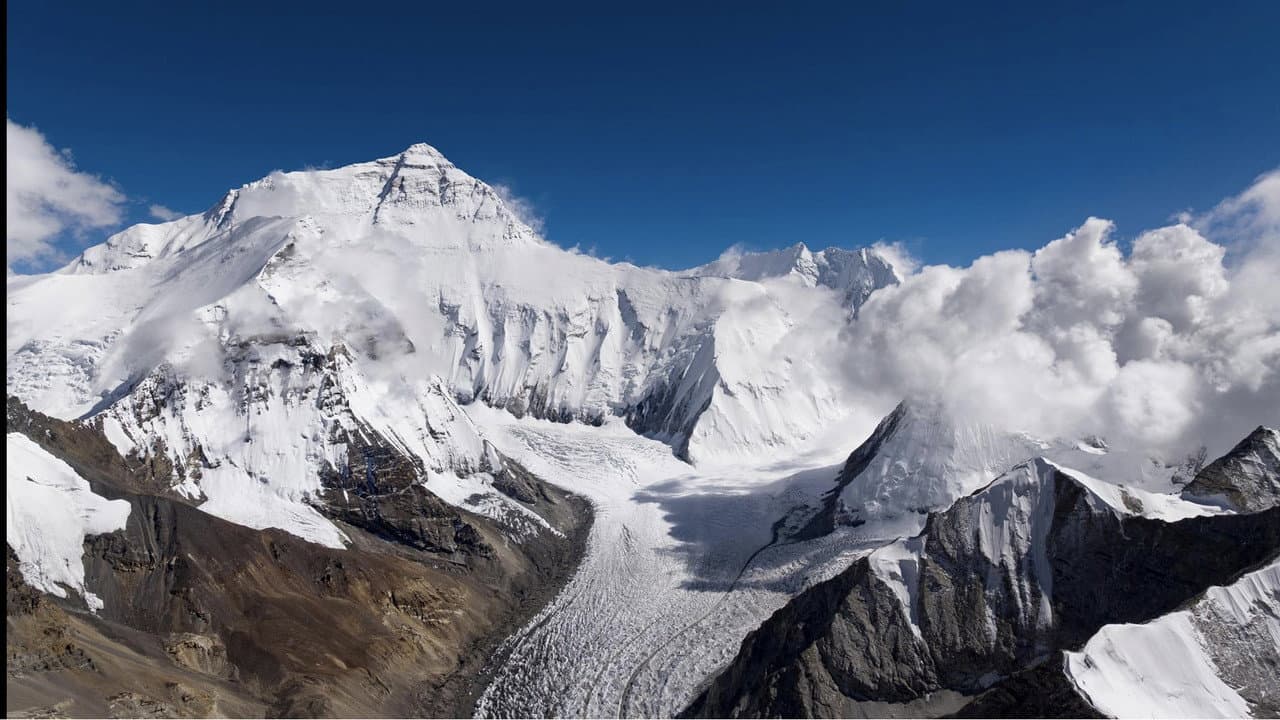
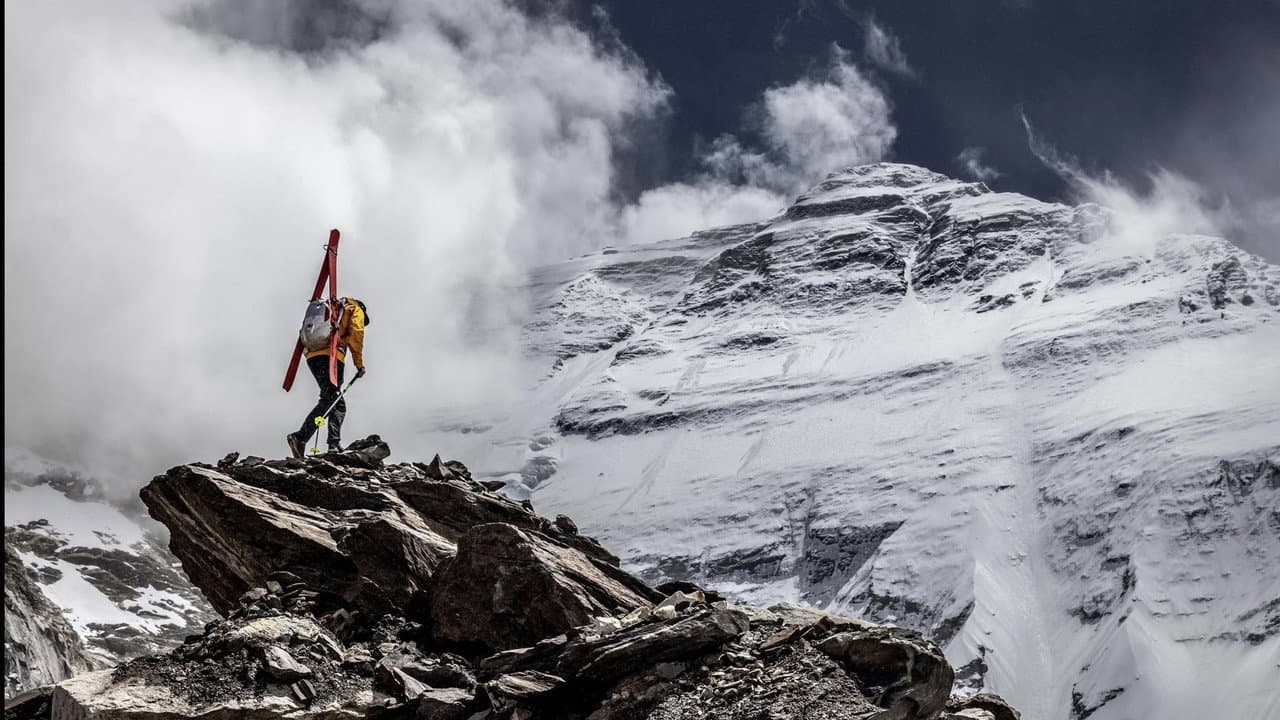
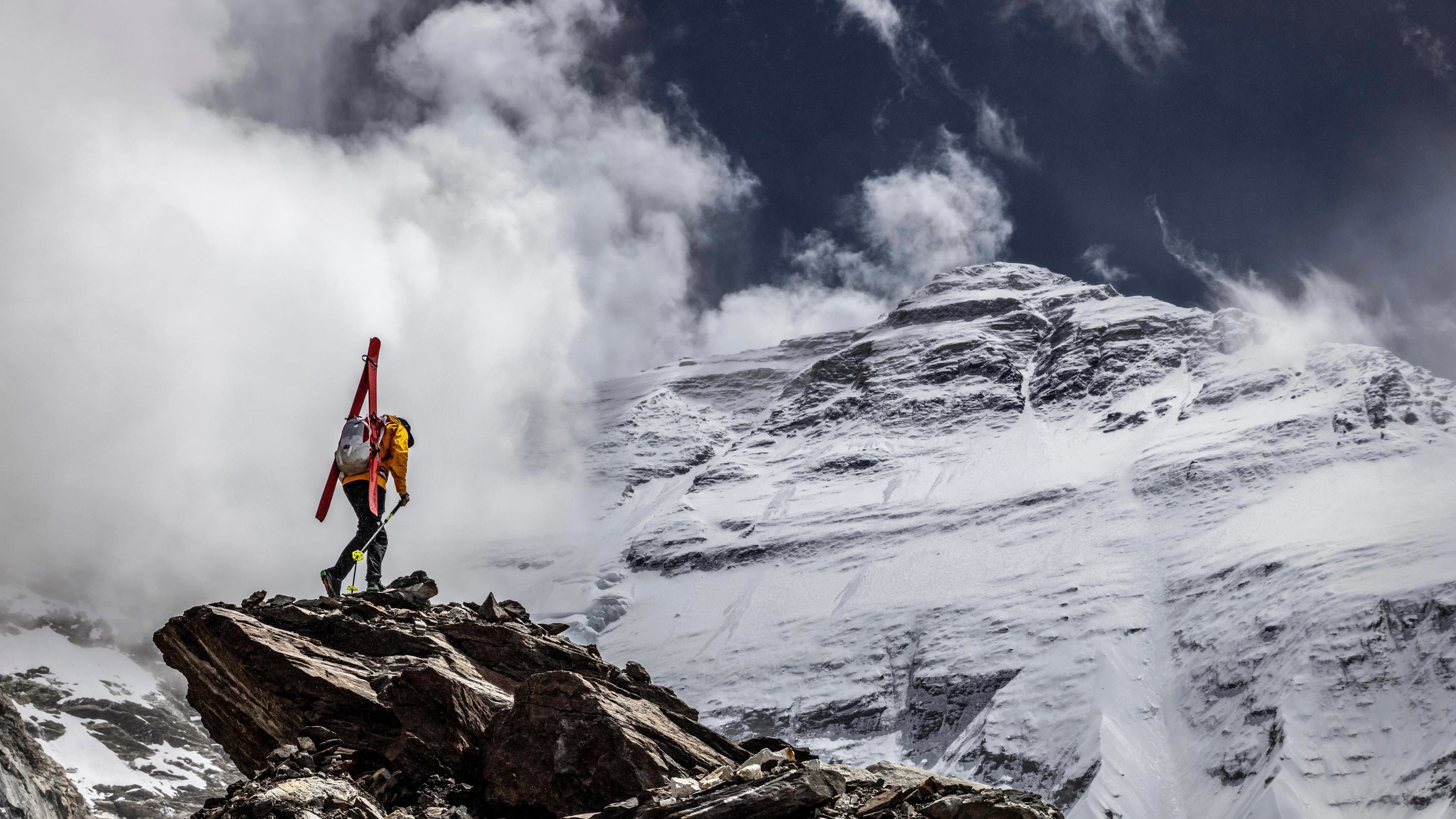
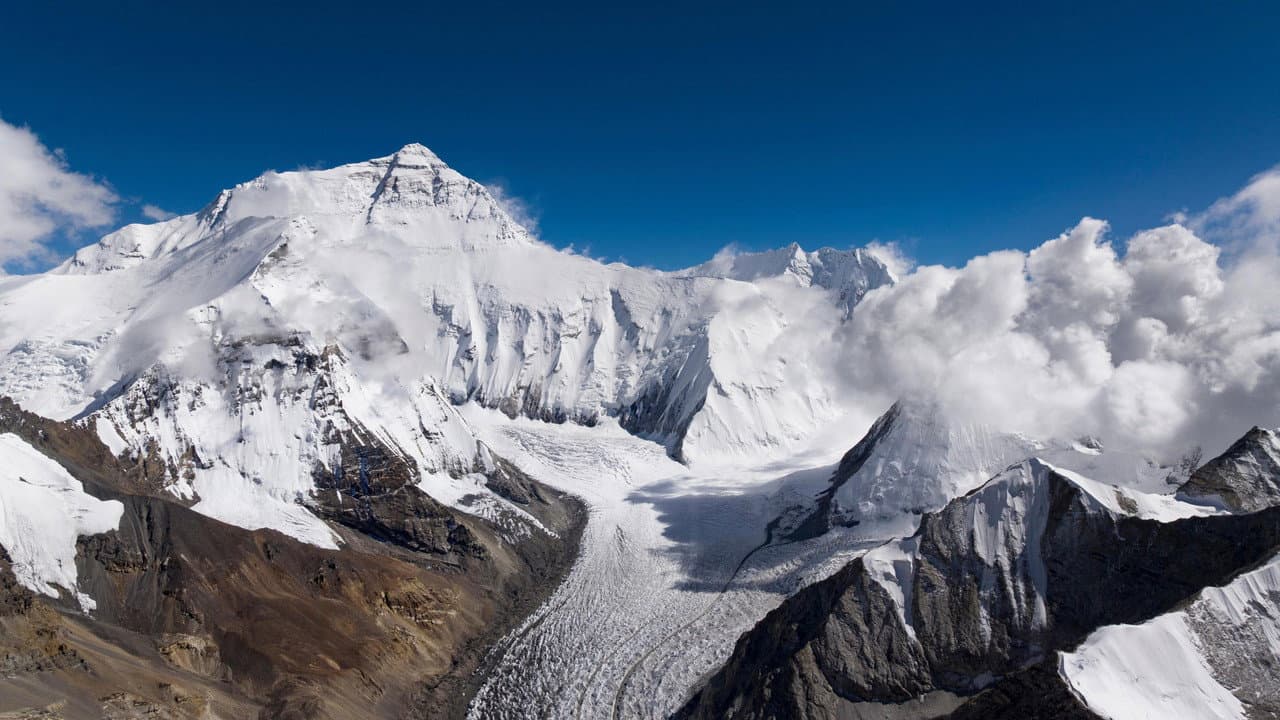
The North Face direct route is not a casual objective, and the film makes no effort to pretend otherwise. The overview describes it as the most difficult and dangerous climb on Everest and the most coveted ski line on Earth. A small number of climbers have reached it; nobody has ever successfully skied back down. That last detail is the engine of the whole story. Nelson and Morrison's ambition was never merely to stand on top. It was to descend, on skis, a face that has refused every previous attempt.
The documentary frames this as an intimate portrait rather than a feat-of-strength highlight reel. Two people bound by love and ambition, chasing something the film itself calls the pursuit of the impossible. The tension is baked in from the first frame: what happens when the person you love most is also the person standing between you and the only goal that still matters?
The Ethical Question at the Center
Big swings in the mountains have always carried a moral ledger, and "Everest: The Other Side" seems built to examine it rather than celebrate it. The film's central concern is what the promotional material calls the ethical complexity of big ambitions. Who gets to decide how much risk is acceptable? What does a partnership owe to the people inside it when one of them wants to go and the other has to watch? And what does the pursuit of a first descent cost the people who attempt it, long before anyone knows whether it will succeed?
That framing puts the movie in conversation with the broader wave of climbing and adventure documentaries that have moved away from pure adrenaline and toward psychology, consequence, and grief. Chin's own body of work helped define that shift. With Nelson and Morrison as both subjects and collaborators in the telling, the result appears less like a victory lap and more like an honest accounting.
A Story of Two Careers at Full Height
Nelson and Morrison are not newcomers being introduced to audiences. They reached the pinnacle of ski mountaineering as individuals before they ever reached it together, and the film traces how that mutual drive sharpened into a single, shared obsession. Falling in love while operating at the highest level of a dangerous discipline creates its own particular dynamics, and the documentary appears willing to sit inside those dynamics rather than resolve them neatly.
The supporting presence of Vasarhelyi and Schaefer suggests a production that spent real time embedded with its subjects. Audience scores for the film are not yet established.
Release and Outlook
"Everest: The Other Side" lands in theaters on October 29, positioned as a documentary with crossover appeal for viewers who follow climbing, skiing, and the increasingly blurred line between the two. Its 115-minute runtime gives the material room to breathe, which matters for a story that depends on nuance rather than spectacle.
For Hollywood, the release continues a strong run of non-fiction work drawing theatrical audiences, particularly when the subject matter combines recognizable personalities with genuinely unresolved stakes. The question the film poses is not whether Nelson and Morrison can pull off the impossible, but whether they should keep trying, and what that trying does to them and to each other. That is a harder climb than any face, and it is the one Chin appears most interested in documenting.
Source: Hollywood Reporter