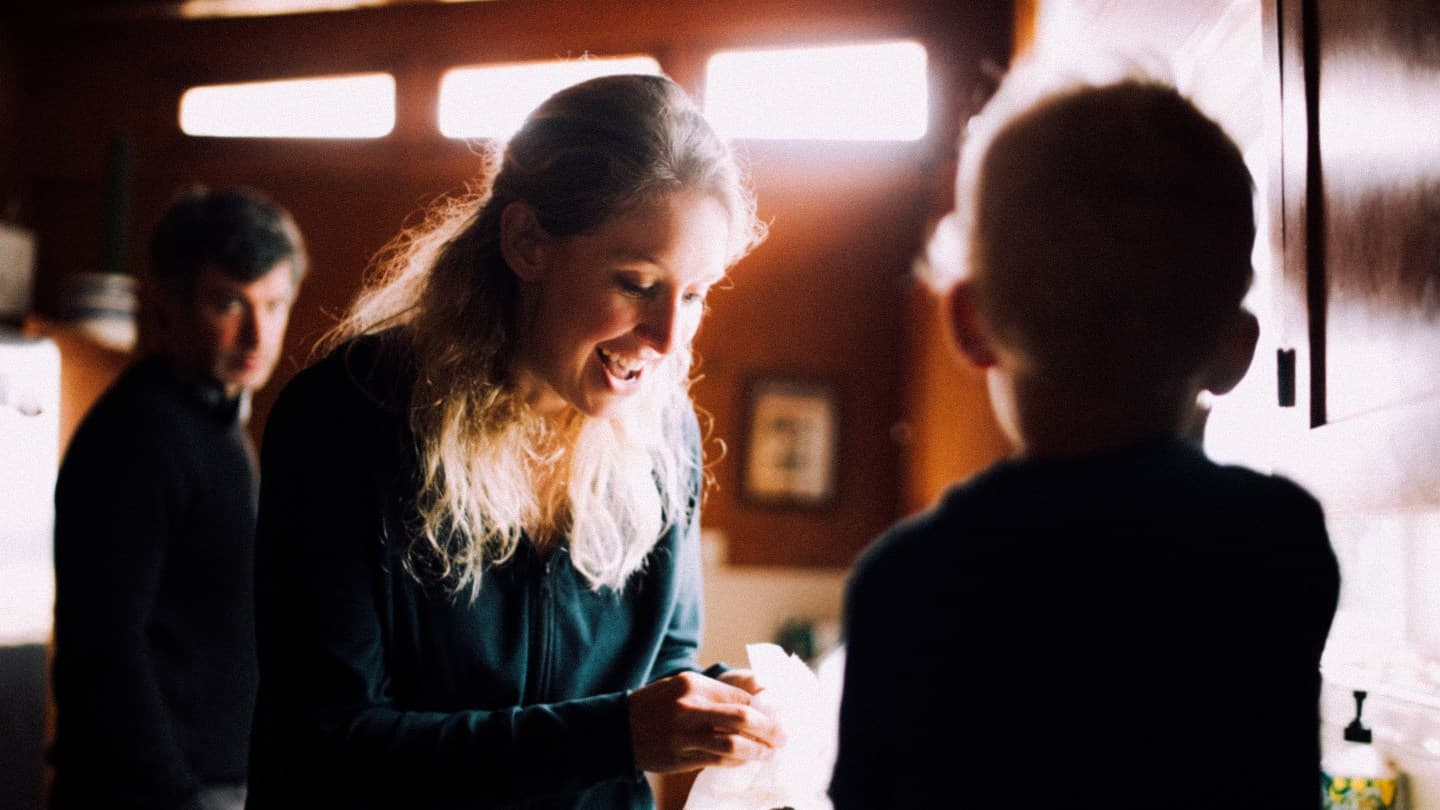
The secret is out of the bag at this year’s Telluride Film Festival. What had been buzzing among insiders as the event’s most closely guarded screening has finally been confirmed: a documentary on Elizabeth Holmes, the infamous founder of Theranos, co-directed by the unlikely pairing of comedian Nathan Fielder and filmmaker Lance Oppenheim.
The film unspooled as a surprise entry for festival-goers, catching many in the audience off guard. For days, speculation had run rampant through the Colorado mountain town, with attendees trading theories about what mysterious project would occupy a late-slot screening. Now, the veil has been lifted, and the collaboration - which sounds like the setup for a particularly strange joke - has proven to be very real.
Fielder, best known for his cringe-comedy masterpieces Nathan for You and The Rehearsal, brings a distinctive sensibility to the project. His work has long dissected the awkward gaps between public performance and private reality, a thematic obsession that dovetails almost too perfectly with Holmes’s own carefully constructed public persona. Oppenheim, meanwhile, established himself with Squirrel Flower and the acclaimed Some Kind of Heaven, a documentary that peered into a manufactured retirement community with a simultaneously empathetic and critical eye. Together, they seem poised to approach Holmes not merely as a cautionary tale of fraud, but as a case study in the theater of self-belief.
The timing of the reveal, happening at Telluride rather than through a traditional studio announcement or streaming platform drop, is itself a statement. Telluride has a long history of launching awards-season heavyweights, but it has also become a haven for documentaries that refuse to fit conventional molds. By hiding this film in plain sight, Fielder and Oppenheim have generated a wave of organic curiosity that no marketing campaign could buy.
For those unfamiliar with Holmes’s story, the broad strokes are well-trodden: a Stanford dropout who promised to revolutionize blood testing with a device that could run hundreds of diagnostic tests from a single finger-prick of blood. She was celebrated as a visionary, gracing magazine covers and attracting billions in investment, before the revelations that the technology simply did not work. She was convicted of fraud and investor deception in 2022 and began serving her prison sentence in 2023.
But where previous adaptations, most notably the Hulu miniseries The Dropout starring Amanda Seyfried, have framed the saga as a straightforward arc of rise and fall, Fielder and Oppenheim appear to be asking different questions. Based on the early reactions trickling out of Telluride, their film is less concerned with the mechanics of the crime than with the psychology of the con. How much did Holmes herself believe in the fiction she was selling? And what does her ability to convince the world’s smartest investors say about the systems that allowed her to flourish?
The choice of Fielder as a co-director is particularly telling. His entire comedic oeuvre is built on exploring the fine line between manipulation and earnestness. In The Rehearsal, he constructed elaborate, staged environments to help real people rehearse difficult conversations, only to have the process spiral into absurdist existential dread. That show repeatedly asked whether anyone - including Fielder himself - can ever truly know their own motivations. Those themes map eerily well onto Holmes’s story, making this documentary feel less like a stylistic departure for Fielder and more like a logical extension of his obsessions.
Attendees who managed to secure seats for the secret screening emerged with a mix of bewilderment and admiration. Descriptions of the film’s tone have been kept deliberately vague, but the scant details available suggest a work that intentionally blurs the line between documentary and something more performative. It would be inaccurate to call it a comedy, but it also seems unwilling to settle for the gravity of a standard true-crime expose. The documentary may instead be using the structure of a portrait film to interrogate the very nature of documentary portraiture itself.
That such a film exists at all is a small miracle of the current media landscape. Holmes has been a media fixation for years, saturating the cultural conversation with podcasts, books, and scripted retellings. There was a real risk that any new project would feel like diminishing returns. By handing the material to two of the most formally adventurous artists working in nonfiction today, the filmmakers have turned a familiar story into something newly disorienting.
The reactions from Telluride, while guarded, have done little to tamp down the anticipation. Talk of a distribution deal is already swirling, though no official announcements have been made. For now, the film remains a festival jewel, seen by a lucky few who happened to be in the right theatre at the right time.
As the festival winds down, one thing is clear: the Elizabeth Holmes documentary is not content to simply retell a story. It aims to make audiences feel the same uncomfortable cognitive dissonance that Holmes inspired in those around her - the strange suspension of disbelief that allowed an entire industry to buy into a fantasy. Fielder and Oppenheim have made a film about belief, and in doing so, they have handed Telluride its most talked-about surprise in years. The rest of the world will have to wait to see if the magic - or the illusion - translates beyond the mountains.
Source: Hollywood Reporter