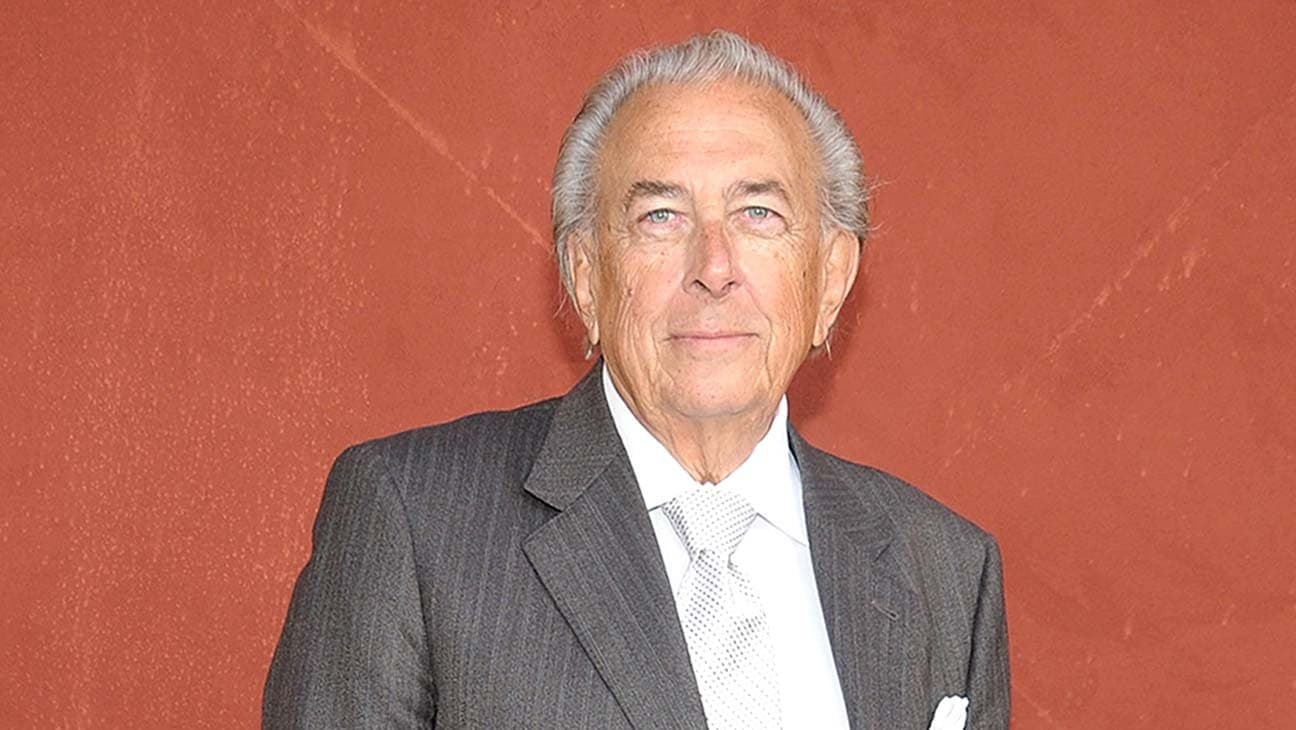
Frank Mancuso Sr., the studio executive who led Paramount Pictures through one of its most commercially successful eras and later took the helm at MGM, has died. He was 93. News of his death was confirmed by his family, though no cause was immediately released. Mancuso leaves behind a legacy spanning more than four decades in the entertainment industry, during which he helped shape the fortunes of two of Hollywood's most storied studios.
Mancuso's career at Paramount began in the 1960s, when he joined the company's marketing and distribution ranks. At the time, Paramount was still finding its footing in a rapidly changing theatrical landscape, and Mancuso's instinct for audience research and release strategy soon distinguished him. He rose through the executive tiers, eventually becoming president of the studio's domestic distribution division, where he oversaw the rollout of films that would define the company's commercial identity in the late 1970s and early 1980s.
A Decade of Hits at Paramount
When Mancuso was named chairman and CEO of Paramount in the mid-1980s, he inherited a studio already primed for growth. What followed was a stretch of remarkable box-office consistency. Under his leadership, Paramount released a string of films that combined critical respect with mainstream appeal, including "Beverly Hills Cop," "Ghostbusters," and the early installments of the "Star Trek" film franchise. The studio also found success with dramas such as "Terms of Endearment" and "Fatal Attraction," demonstrating a range that kept Paramount competitive across multiple genres.
Mancuso's approach was notably collaborative. He trusted filmmakers and marketing teams to take risks, while maintaining a disciplined eye on budgets and release calendars. Former colleagues have described him as a steady hand during volatile periods in the industry, particularly as home video and cable television began to reshape how audiences consumed movies. Rather than resist those changes, Mancuso pushed Paramount to embrace them, expanding the studio's reach beyond the traditional theatrical window.
The Move to MGM
After leaving Paramount in the early 1990s, Mancuso was recruited to lead MGM, a studio with a legendary library but uncertain financial footing. His tenure there was shorter and more turbulent, marked by ownership changes and restructuring. Still, Mancuso worked to stabilize the studio's operations and leverage its vast catalog, including the James Bond franchise, which remained one of MGM's most valuable assets. His efforts helped set the stage for later revivals of the brand, though he stepped away from day-to-day management before the studio's eventual sale to a new corporate parent.
A Family Legacy in Hollywood
Mancuso's influence extended beyond his own executive career. His son, Frank Mancuso Jr., became a prominent producer, shepherding films such as "Species" and the "Friday the 13th" sequels. The father-son pair represented a rare instance of two generations shaping the same industry from different vantage points - one from the corner office, the other from the production trenches. Mancuso Sr. was also known for mentoring a generation of studio executives, many of whom went on to lead major film companies.
Colleagues Remember a Steady Leader
Tributes from across the industry began to surface shortly after news of his death. Several former Paramount executives recalled Mancuso's willingness to listen before making decisions, a trait that earned him loyalty from both creative talent and corporate staff. "He never made it about himself," said one longtime associate, speaking on condition of anonymity. "He made it about the movie and the audience. That's a rarer quality in this town than you'd think." Other remembrances highlighted his sense of humor and his insistence on treating marketing as an art form rather than an afterthought.
A Career That Mirrored Hollywood's Evolution
Mancuso's professional life tracked nearly every major shift in the entertainment business, from the rise of the blockbuster to the advent of home entertainment and the consolidation of studio ownership. He was not a flashy executive in the mold of some of his contemporaries, but his impact was felt in the bottom line and the cultural footprint of the films he helped bring to screens. At Paramount, he presided over a period that many historians of the studio consider its commercial peak. At MGM, he navigated a far more difficult hand with a measure of dignity that colleagues still cite.
Survivors include his son, Frank Mancuso Jr., and other family members. Funeral arrangements were not immediately announced. In lieu of flowers, the family has asked that donations be made to a film preservation organization, though specific details were not provided.
For Hollywood Buzz News, this is a moment to note that the studio system has lost one of its last links to the era when distribution, marketing, and production were still largely domestic arts. Frank Mancuso Sr. did not seek the spotlight, but the films he championed - and the executives he trained - will keep his influence visible for years to come. He was 93.
Source: Hollywood Reporter