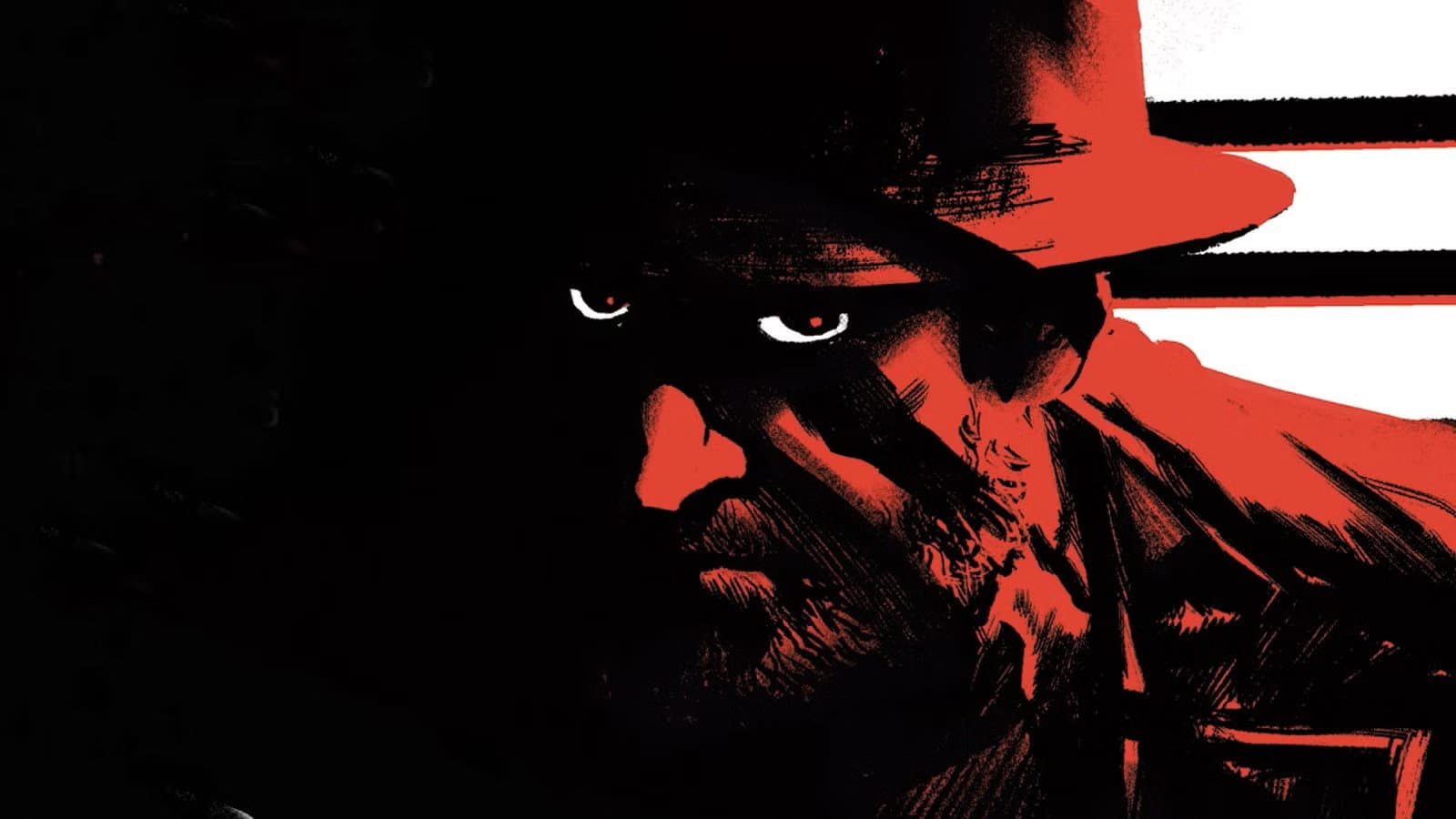
Frank Miller on Shooter, Doctor Strange & Sin City Future
Frank Miller opens up about clashes with Jim Shooter, the scrapped Doctor Strange series, and what's next for Sin City.
Advertisement
Frank Miller opens up about clashes with Jim Shooter, the scrapped Doctor Strange series, and what's next for Sin City.
Frank Miller is never one to hold back, and in a new wide-ranging interview, the legendary comic book creator opened up about his contentious relationship with former Marvel Editor-in-Chief Jim Shooter, the long-gestating Doctor Strange series that never came to be, and what lies ahead for the Sin City franchise. The conversation, which touches on decades of industry history, offers a rare glimpse into the mind of a man who helped redefine the medium - and who still has plenty of fight left in him.
Miller, who rose to prominence in the late 1970s and 1980s with landmark runs on Daredevil and Batman: The Dark Knight Returns, didn’t shy away from revisiting his clashes with Shooter, the notoriously hands-on editor who ran Marvel from 1978 to 1987. According to Miller, their disagreements were frequent and passionate, often centering on creative control and the direction of the stories he was telling. The friction was so intense, Miller said, that it ultimately shaped the way he approached his career thereafter - pushing him toward independent work where he could maintain full ownership over his creations.
The Doctor Strange project, which Miller described as a series he was deeply invested in during the early 1980s, never saw the light of day. He did not go into granular detail about the specific reasons for its collapse, but he made it clear that the conflict with Shooter played a significant role. Miller had envisioned a darker, more mystical take on the Sorcerer Supreme, one that would have diverged sharply from the more traditional superhero fare of the era. But the creative friction, combined with the realities of corporate publishing at the time, meant the project stalled and eventually was abandoned entirely. Fans have long speculated about what that series might have looked like - Miller’s moody, noir-infused aesthetic would have been a fascinating fit for the character - but the artist himself seems at peace with the lost opportunity, treating it as just one of many ideas that didn’t survive the working relationship.
When the conversation turned to Sin City, Miller’s tone shifted from reflective to forward-looking. The neo-noir crime saga, which he created in the 1990s and later adapted into two films with director Robert Rodriguez, remains a passion project he isn’t ready to shelve. Miller hinted that the future of the franchise is still an active conversation, though he stopped short of promising any concrete announcements. He spoke with clear affection for the world he built - a brutal, stylized take on Basin City where morality is murky and violence is always just a page away. Whether that means new comics, another film, or something entirely unexpected remains to be seen, but Miller’s enthusiasm suggests the property isn’t gathering dust.
What’s striking about Miller’s remarks is how little bitterness he carries, despite the battles he’s endured. He acknowledged that his arguments with editors like Shooter were often rooted in a genuine desire to push boundaries - and that those fights, frustrating as they were, helped steel his resolve. He’s never been one to compromise easily, and that stubbornness has defined his legacy as much as his artistry. From The Dark Knight Returns to 300 to Sin City, Miller has consistently carved out a path that few others would dare to take, and his willingness to talk openly about the obstacles he faced only adds to his mythos.
The failed Doctor Strange series remains something of a footnote in Miller’s career, but its absence has only fueled fan intrigue over the years. Given how many of Miller’s ideas eventually found their way into the mainstream - his influence on everything from film noir aesthetics to grim-and-gritty superhero storytelling is undeniable - it’s easy to imagine what a Miller-penned Doctor Strange might have offered. Yet Miller doesn’t seem to dwell on what-ifs. Instead, he frames the entire experience as a necessary lesson in creative independence, one that ultimately led him to found his own publishing imprint and take control of his destiny.
As for Sin City, the franchise has been relatively quiet since the 2014 sequel A Dame to Kill For, which underperformed at the box office and seemed to put the film series on ice. Miller’s comments suggest that the property isn’t dead, though he was characteristically vague about specific plans. For longtime readers, that ambiguity is part of the appeal - Miller’s work has always thrived on unpredictability, and his refusal to over-promise keeps audiences on their toes. Whether the next chapter comes as a graphic novel, a streaming series, or another film, Miller is clearly still invested in the stories that made his name.
In the end, the interview serves as a reminder of why Miller remains such a compelling figure in pop culture. He’s not just a creator who happened to be in the right place at the right time; he’s a relentless force who fought for his vision at every turn, even when the odds were stacked against him. His battles with Shooter, his lost Doctor Strange projects, and his enduring commitment to Sin City all speak to a single, unwavering principle: the story comes first, and everything else follows. As Hollywood continues to mine comics for its biggest franchises, Miller’s voice - cranky, defiant, and utterly singular - remains as vital as ever.
Source: Hollywood Reporter
Advertisement
Advertisement