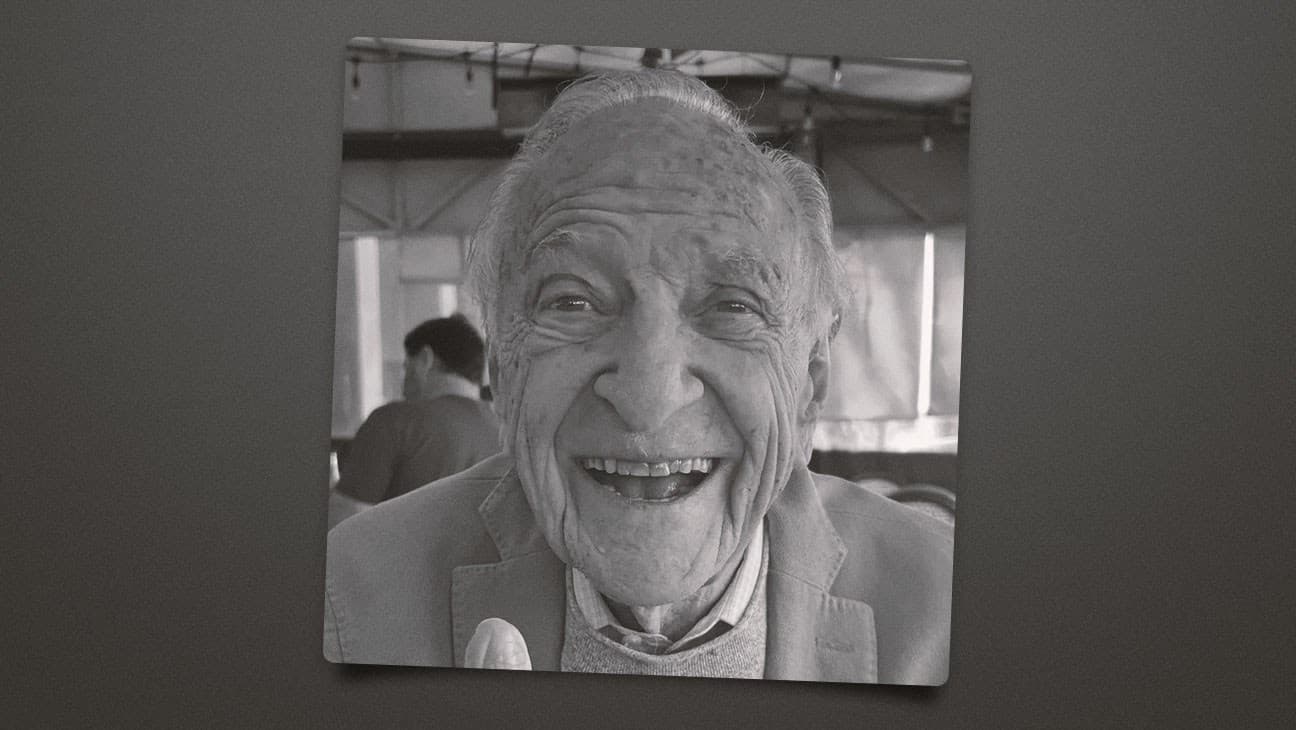
Gene Schwam, the veteran Hollywood publicist whose client roster at various points included Elvis Presley, Judy Garland and Julie Andrews, has died at 96. No cause of death or details of his passing were immediately available. Schwam spent decades in the publicity trade, representing a cross-section of the entertainment industry that ran from mid-century music royalty to Broadway and film stars, and his career traced the arc of the studio-era press machine into the modern celebrity business.
His name is less familiar to the public than those of the performers he served, which is how publicists of his generation generally preferred it. Schwam built his reputation on access and discretion, the twin currencies of Hollywood publicity, and he remained professionally active well past the age at which most of his peers had retired.
A Client List Spanning Generations
The range of Schwam's clientele tells the story of an industry in transition. Presley, Garland and Andrews represent three distinct corners of American entertainment in the middle decades of the 20th century: the rock-and-roll phenomenon, the Golden Age musical star and the film and stage leading lady whose career carried into the 1960s and beyond.
Handling publicity for figures of that stature meant managing not only press coverage but image, timing and the delicate business of what never appeared in print. Schwam operated in an era when a publicist's relationships with columnists and editors could shape a career, and when the line between a client's professional narrative and personal life was guarded with considerably more care than it is today.
Presley's career, in particular, generated a press appetite that few publicists ever had to manage. Garland's life was subject to intense scrutiny that continues decades after her death. Andrews, whose screen successes made her one of the most bankable stars of her era, was a client of a very different public profile - polished, family-friendly and carefully maintained. That Schwam represented all three suggests a practice built on adaptability as much as on any single specialty.
A Career in the Background
Publicists of Schwam's era rarely became the story themselves. They worked the phones, arranged the interviews, killed the unflattering items and, when necessary, walked a client through a crisis. The job rewarded loyalty and long memory, and the best in the field kept clients for decades rather than years.
Schwam's longevity in the business placed him among a small group of press representatives who bridged the old studio publicity departments and the independent firms that rose as the studio system declined. In that transition, the publicist's role expanded: fewer contracts dictated coverage, and the individual representative became more central to how a star was presented to the world.
Details of Schwam's career - the firms he worked for, the years he spent at each, the full roster of clients - were not immediately available, and this account does not purport to fill in what has not been confirmed. What is clear is the breadth of the names associated with him and the length of a career that stretched across several eras of American show business.
He is survived by family and by a long list of colleagues in the publicity profession. Funeral arrangements and memorial plans were not immediately announced.
For an industry that tends to celebrate the faces on the screen, Schwam's death is a reminder of the people who spent their working lives ensuring those faces were seen the right way, in the right places, at the right moments. He was 96.
Source: Hollywood Reporter