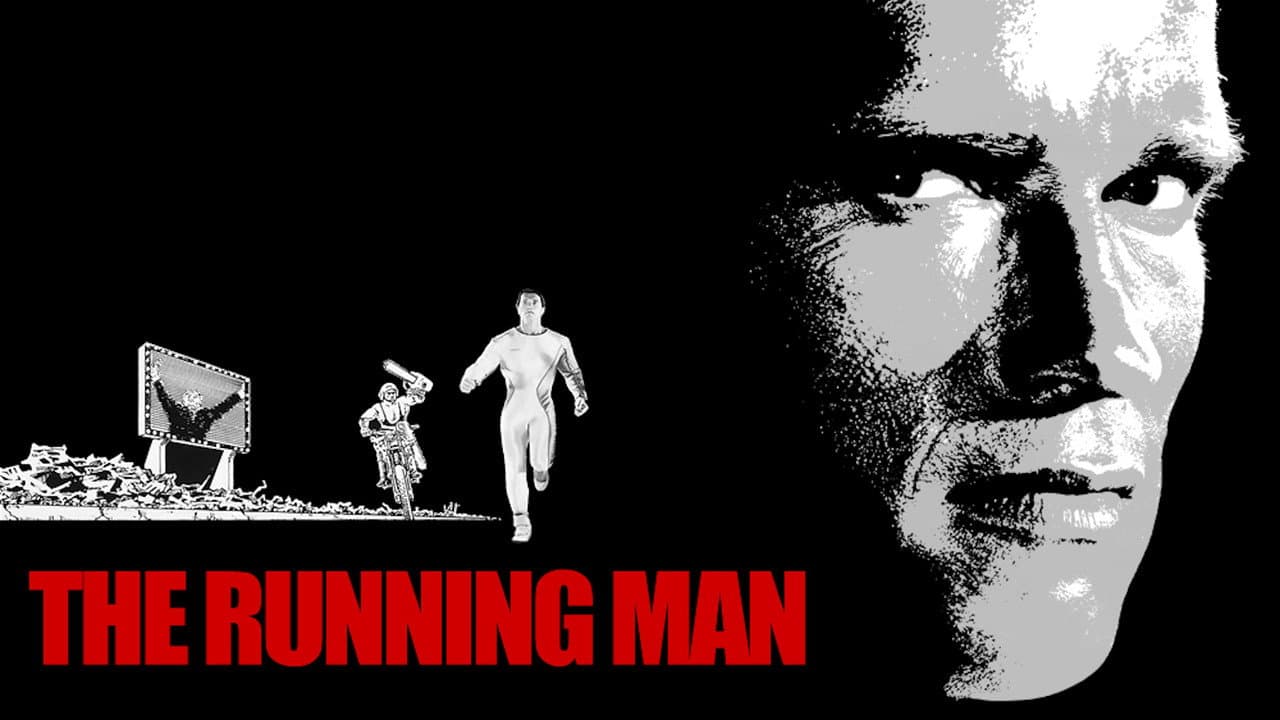
Glen Powell has no interest in turning his press tour into a political forum. The actor, currently promoting his latest release, told reporters this week that he deliberately avoids commenting on political matters - and he pinned the sluggish theatrical performance of "The Running Man" squarely on Paramount's marketing strategy rather than on any controversy surrounding the film itself.
Powell's remarks came during a round of interviews tied to the release, where he was pressed on whether the film's themes had invited unwanted political readings. He brushed the question aside, saying he prefers to keep his public statements focused on the work rather than on partisan debates. According to Powell, the bigger obstacle facing the movie was not its subject matter but a reduced promotional push from the studio.
Marketing Cuts Blamed for Soft Box Office
The actor pointed to what he characterized as trimmed marketing spending at Paramount as the primary reason the film failed to gain traction with audiences. In his view, a leaner campaign left the movie without the visibility it needed in a crowded marketplace, and he suggested that the studio's decision-making, not the film's content, drove the outcome.
It's a familiar complaint in Hollywood, where stars and filmmakers often argue that a modest opening reflects a lack of marketing muscle rather than poor quality. Whether Powell's assessment holds up is difficult to verify from the outside, but his willingness to name the studio directly marks a notable break from the usual diplomatic hedging that accompanies a soft debut.
A Property With History
"The Running Man" arrives with considerable cultural baggage. The film is set in a future where the global economy has collapsed and American society has been transformed into a totalitarian police state that suppresses all cultural expression. To keep the population docile, the government broadcasts a slate of game shows in which convicted criminals are forced to fight for their survival.
At the center of that lineup is the gladiator-style program "The Running Man," hosted by the merciless Damon Killian. Contestants known as "runners" are hunted by "stalkers" and face almost certain death, all for the slim chance of a pardon and freedom.
The new film is presented as an action, thriller, and science fiction hybrid, running 101 minutes. It is an English-language Hollywood production. It follows the 1987 film of the same name, directed by Paul Michael Glaser, which starred Arnold Schwarzenegger as Ben Richards alongside Richard Dawson as Damon Killian, María Conchita Alonso as Amber Mendez, Yaphet Kotto as William Laughlin, Jim Brown as Fireball, Jesse Ventura as Captain Freedom, Erland van Lidth as Dynamo, and Marvin J. McIntyre as Harold Weiss. That version holds a 6.544 out of 10 rating on TMDb.
The premise's dystopian trappings - state censorship, televised bloodsport, a populace kept in line by spectacle - have long made the material ripe for political interpretation, which is likely why Powell found himself fielding such questions in the first place.
Powell Keeps His Focus Narrow
Powell's stance is hardly unusual among leading men looking to protect a broad commercial appeal, but it lands at a moment when audiences and journalists alike increasingly expect stars to weigh in on the issues their films touch. By declining to engage, Powell is betting that his fanbase cares more about the entertainment than his personal politics.
He also made clear that his frustration lies with the business side of the release. A smaller marketing footprint, he argued, meant fewer eyeballs on a movie he believes deserved a wider audience. Studios routinely adjust campaign spending based on tracking, release calendars, and internal projections, and those calculations can leave a title looking invisible just as it hits theaters.
For Powell, the takeaway is simple: the movie's performance should be read as a marketing story, not a political one. Whether Paramount shares that view - or offers any response - remains to be seen. For now, the actor is sticking to his position, declining to litigate politics while pointing a finger at the promotional playbook he says let the film down.
Source: Hollywood Reporter