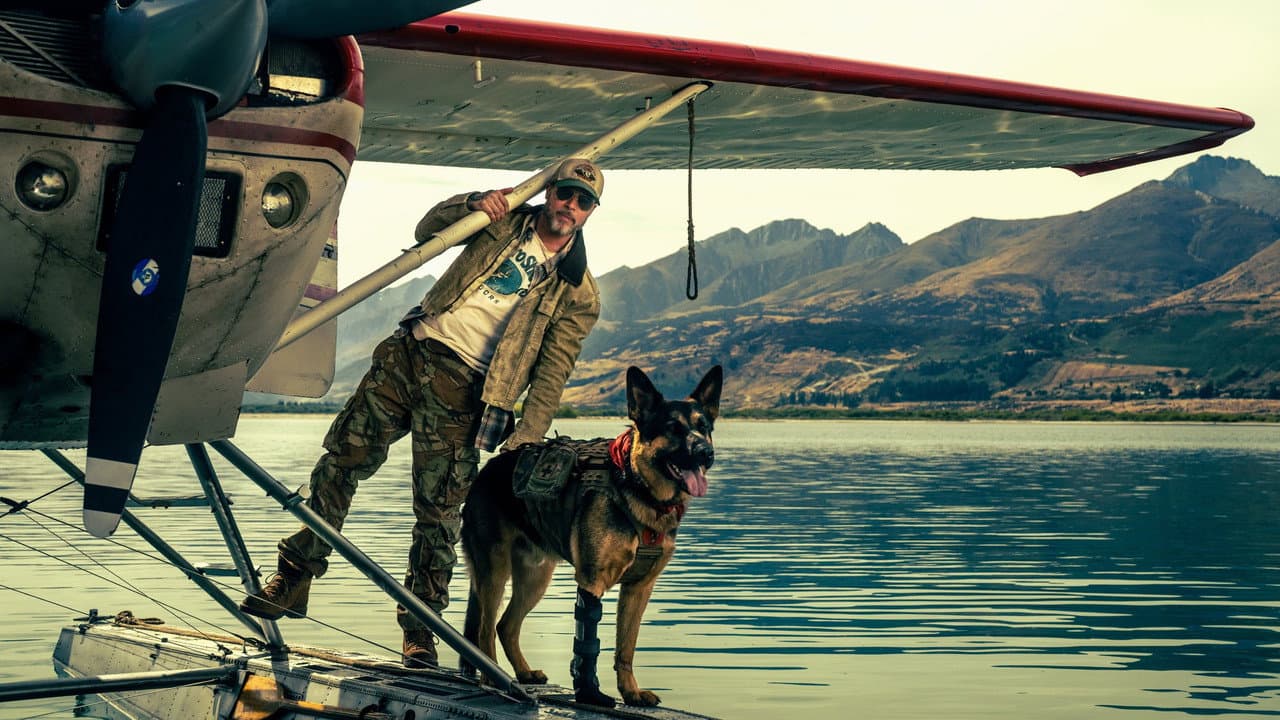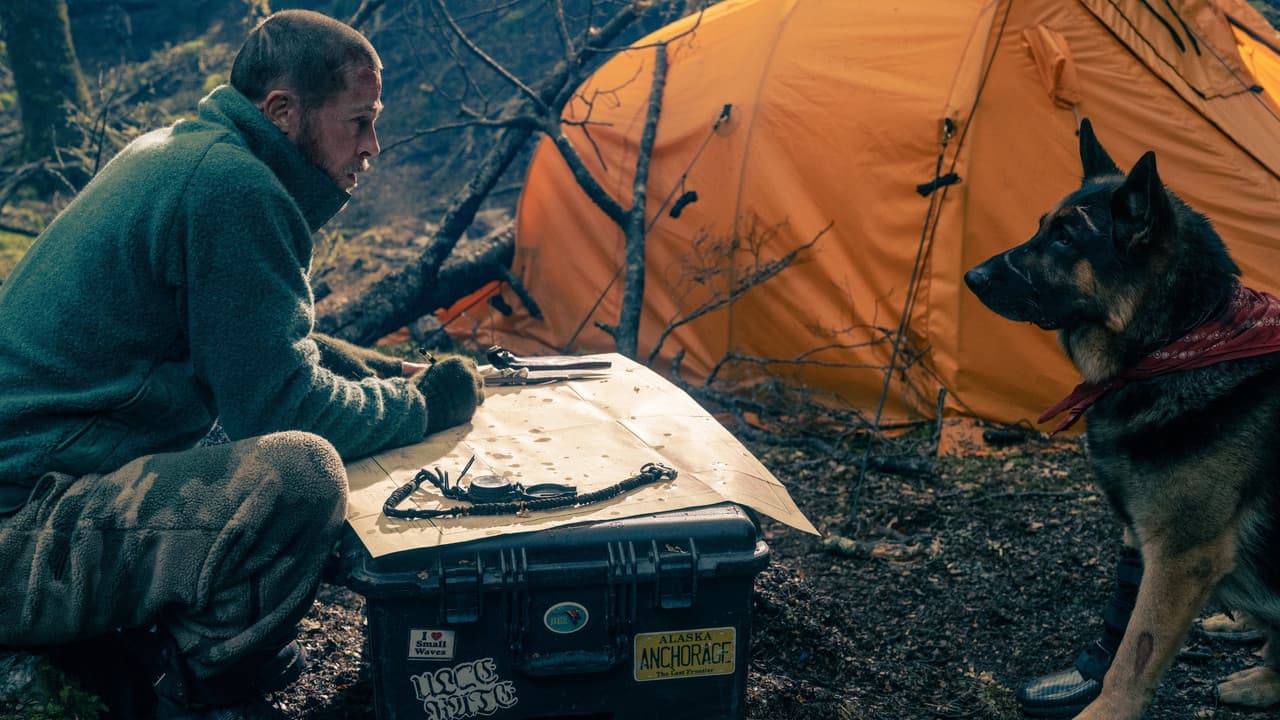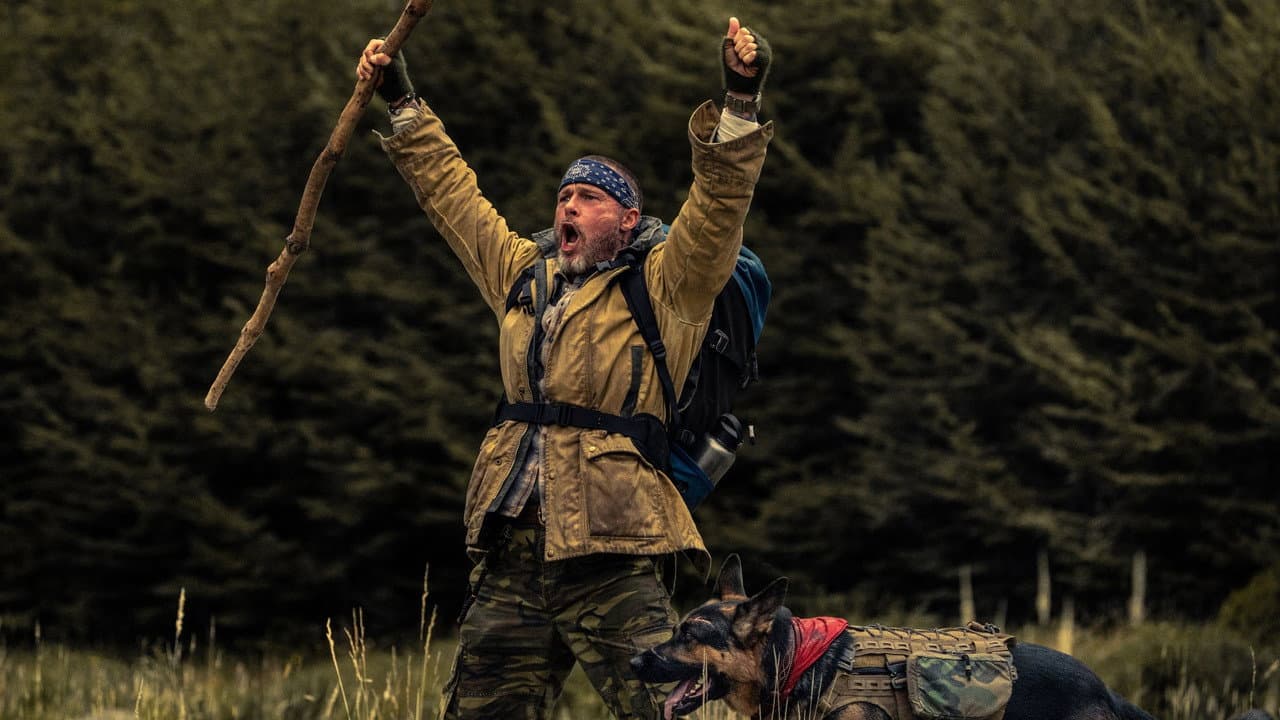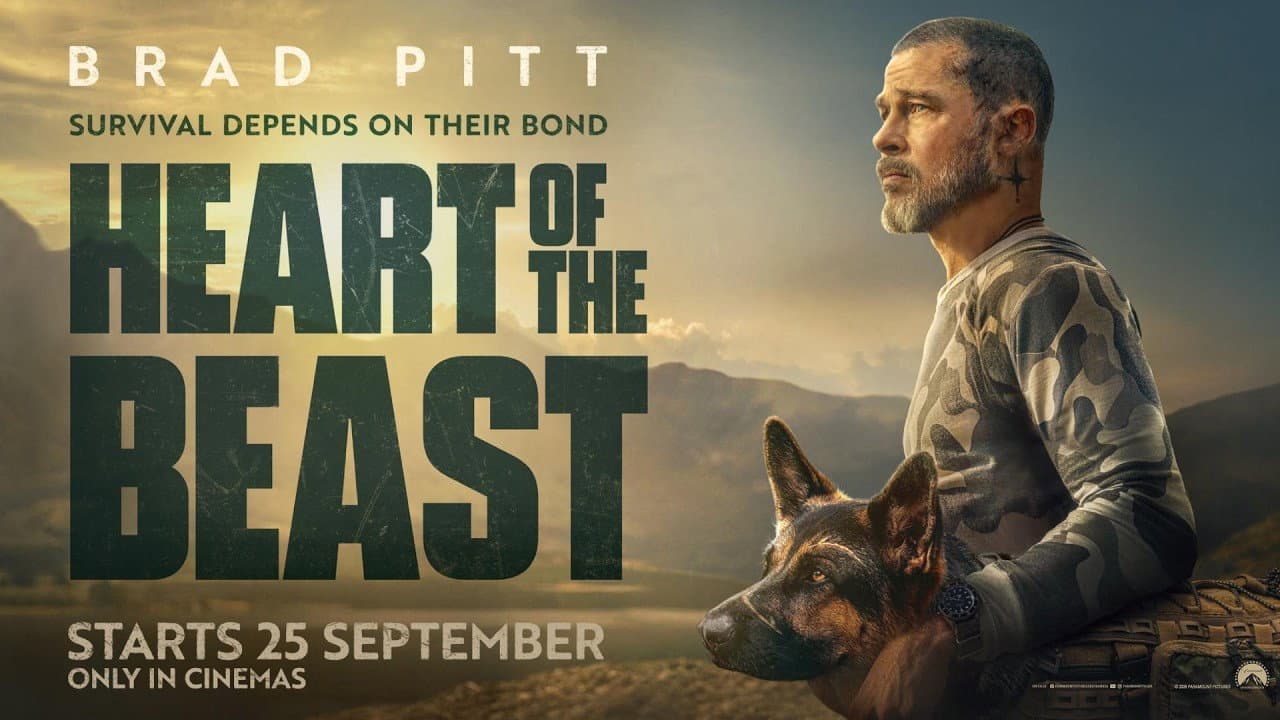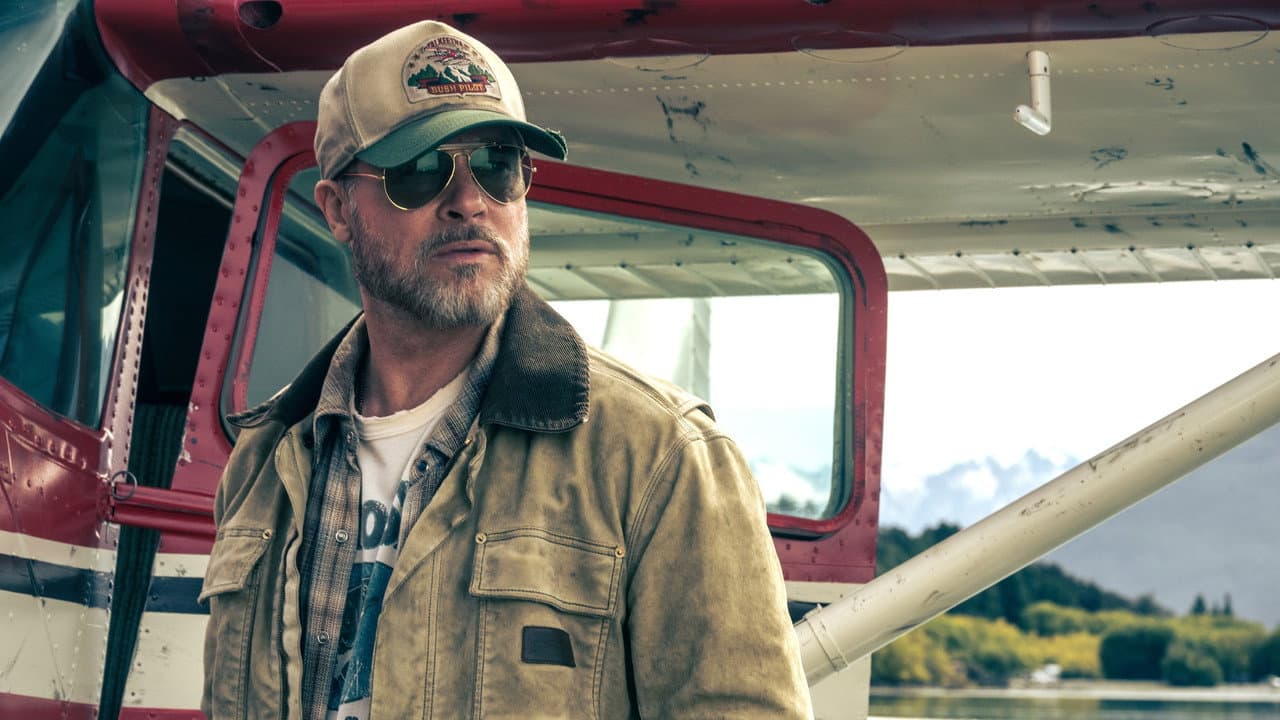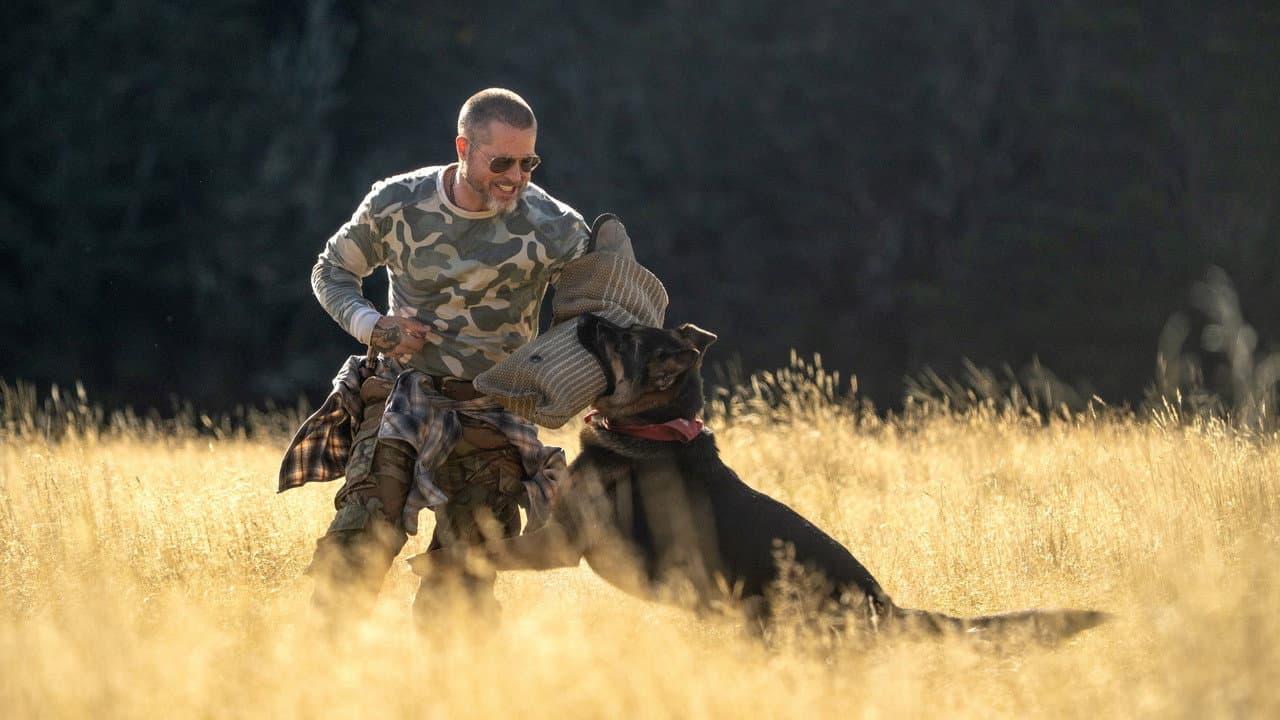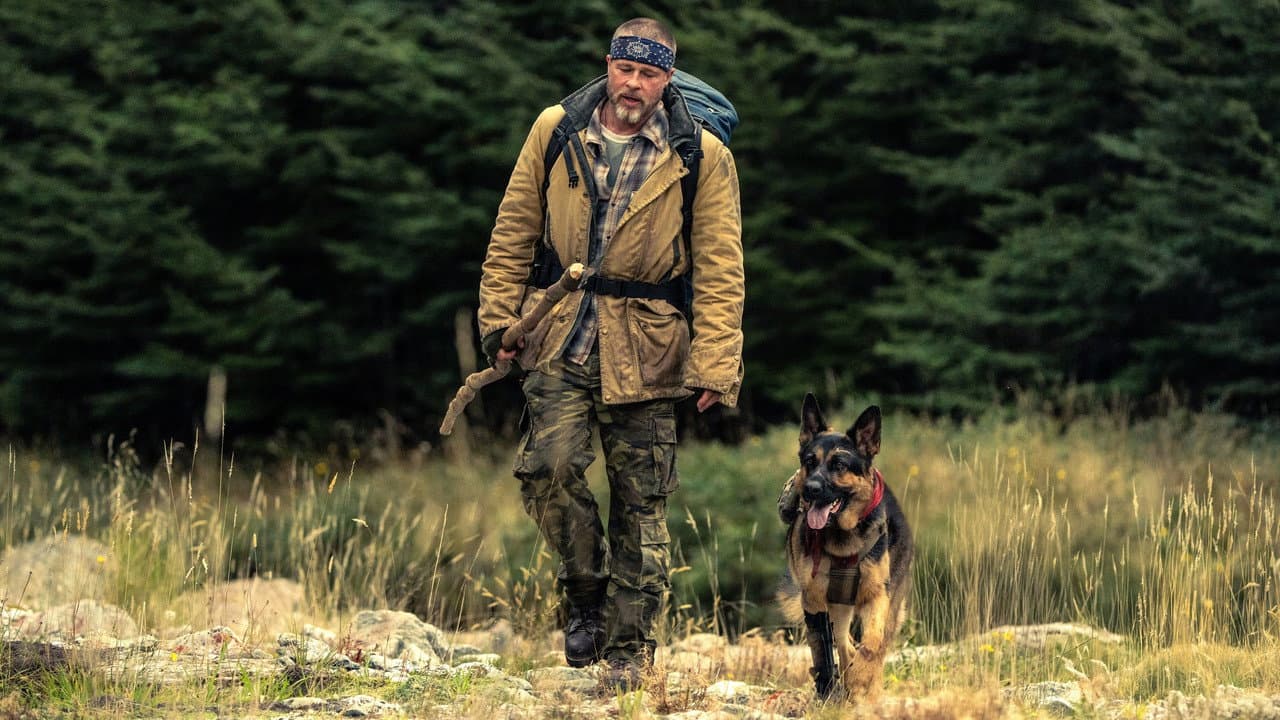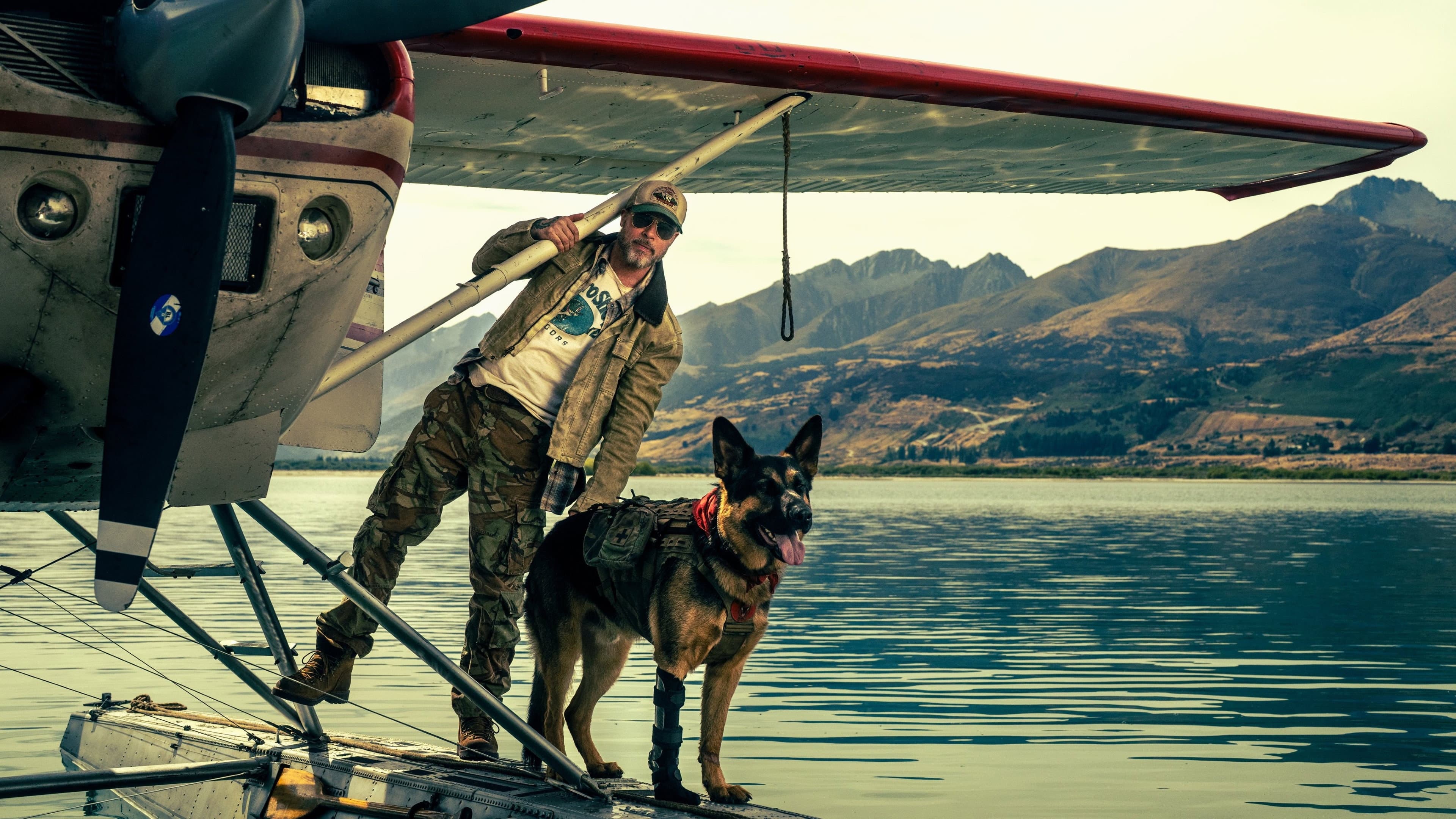
Brad Pitt trades the sleek surfaces of Hollywood for the mud, ice, and merciless isolation of the Alaskan backcountry in "Heart of the Beast," a survival thriller that opened in theaters on September 19 and has already climbed to a 7.703 rating out of 10 on TMDb. Directed by David Ayer, the film casts Pitt as James Belmont, a Special Forces officer whose routine flight turns catastrophic, leaving him and his combat dog, Odin, stranded in a wilderness that offers no rescue and no mercy. The premise is lean by design: one man, one animal, and an environment that treats both as intruders.
Ayer, no stranger to stories about men pushed past their breaking points, keeps the scope intimate. The 101-minute runtime suggests a film that wastes little time on setup before plunging into the ordeal, and the pairing of Pitt with a working dog gives the narrative its emotional anchor as much as its survival mechanics. Odin is not a pet tagging along for the ride; the combat dog is a trained asset, and the film appears to treat the bond between handler and animal as the thing that keeps Belmont moving when the odds say he shouldn't.
A Cast Built for Pressure
Pitt's career has rarely lacked for physical roles, but "Heart of the Beast" asks for something rawer than a heist or a war epic. Belmont is a man stripped of his support systems, and the performance hinges on what an actor can communicate with exhaustion, injury, and silence. The supporting cast is small and deliberate. J.K. Simmons appears as Walter Boone, while Anna Lambe takes the role of Amber. Simmons brings a gravitas that has become his signature, and Lambe's presence suggests the film finds room for human connection beyond the central man-and-dog dynamic, even in a story this isolated.
The choice of Ayer as director is telling. His filmography is populated by characters who operate under extreme duress, and he has a reputation for shooting action with a visceral, unglamorous edge. That instinct suits a survival story set in a landscape where the weather itself functions as an antagonist. Alaska on screen is often either postcard or punishment; here, the marketing and the premise point firmly toward the latter.
Survival Thrillers and the Pull of the Extreme
The genre has proven durable because its stakes are built in. Audiences understand cold, hunger, and predators without needing elaborate exposition, and filmmakers can spend their energy on texture and tension rather than mythology. "Heart of the Beast" arrives in a crowded field, but its differentiators are clear: a movie star willing to get battered, a director with a taste for grit, and a central relationship that gives the brutality a purpose.
The release date places the film in a September corridor that often rewards adult-skewing thrillers looking for audiences who want something other than franchise spectacle. With a runtime just over an hour and a half, it positions itself as a tight, self-contained ride rather than a sprawling epic. The TMDb score of 7.703 indicates early viewers have responded to that compactness, though ratings this soon after release tend to shift as more audiences weigh in.
What the Film Is Asking of Its Star
There is a particular pleasure in watching a performer of Pitt's caliber abandon polish. Roles like this trade on credibility, and credibility in a survival film comes from the audience believing the body on screen is genuinely suffering. Pitt has spent decades building a screen presence that can shift from charm to menace, but "Heart of the Beast" asks him to be vulnerable in a way that has less to do with dialogue and more to do with posture, breath, and the slow accumulation of damage.
If the film works, it will be because the relationship with Odin carries the emotional weight that the wilderness strips away. Survival stories often double as studies of what people cling to when everything else is gone. Here, that something is a dog with a job to do.
"Heart of the Beast" is now playing in theaters.
Source: Filmibeat