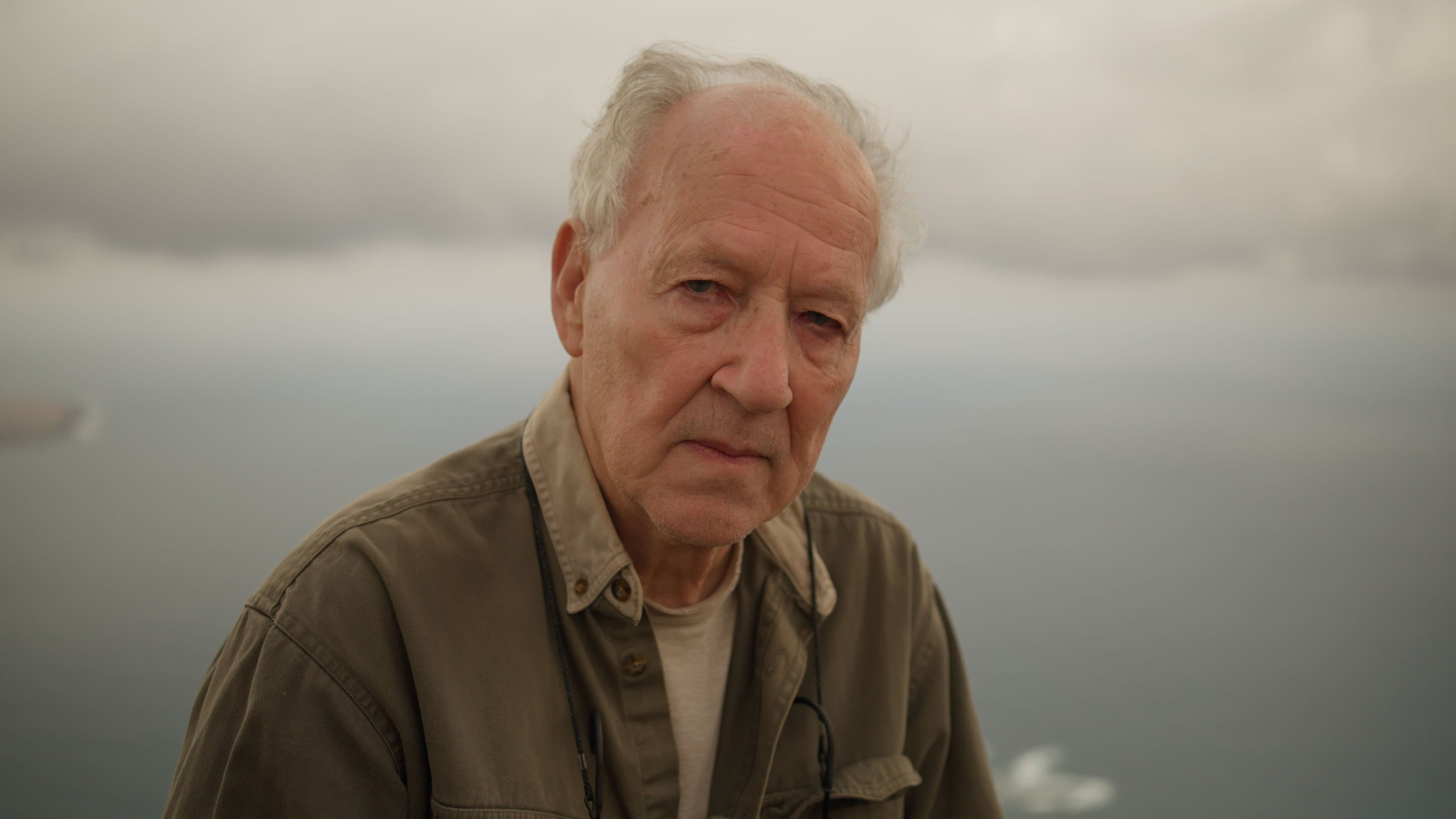
Werner Herzog received San Sebastian International Film Festival's Donostia Award on Friday night, accepting the career honor during an opening gala that repeatedly turned toward politics. The veteran German filmmaker, whose work has spanned fiction and documentary across more than half a century, was the first major figure to be celebrated at this year's edition, and his appearance set a tone the festival seemed content to let linger.
The Donostia Award is San Sebastian's highest tribute, given annually to figures whose careers have left a lasting mark on cinema. Herzog joins a roster of recipients that has included actors, directors and screenwriters from across Europe and Hollywood. Presenting the prize at the festival's opening ceremony in the Basque city, organizers placed him at the center of an evening that otherwise belonged to a slate of premieres and industry events.
Politics Threads Through the Ceremony
Even by the standards of a festival known for courting controversy, Friday's event carried an unusually political charge. The ceremony unfolded against a backdrop of debates over censorship, the war in Gaza and the treatment of journalists, and several speakers used the stage to make their positions known. Herzog, long a critic of what he regards as the pieties of the film industry, did not shy away from the moment. He has never treated cinema as a vehicle for slogans, and his remarks leaned more toward the responsibility of artists to confront reality than toward any single cause.
That stance has been consistent through a career that took him from the Bavarian countryside to the Amazon, from Antarctic ice to the Australian outback. He has described his approach as one of observation rather than judgment, and he has been just as comfortable filming volcanic landscapes as he has been interviewing death-row inmates or following a man who believed he could communicate with aliens. The Donostia Award acknowledges that breadth as much as any single film.
A Career That Resists Categories
Herzog emerged in the 1960s alongside a generation of German directors who redefined the country's cinema after the war, but he quickly established a template that was entirely his own. "Aguirre, the Wrath of God" and "Fitzcarraldo," both made with Klaus Kinski, became shorthand for a kind of filmmaking that treated logistics as a moral test. His documentaries, including "Grizzly Man" and "Cave of Forgotten Dreams," extended the same curiosity into nonfiction. More recently he has worked as an actor-for-hire in franchises far removed from his own filmography, a turn that has amused some critics and exasperated others, and has continued to direct and narrate with undiminished frequency.
At San Sebastian, the award functioned as an opportunity to reconsider that arc rather than merely celebrate it. A retrospective of his work is among the festival's sidebars, giving audiences a chance to see early features alongside later documentaries. The juxtaposition is instructive: the preoccupations that drove him in his twenties remain legible in his most recent output, even as the scale and technology have changed.
The Festival's Wider Argument
For San Sebastian, honoring Herzog is also a statement about what the festival values. The event has long positioned itself as a bridge between European auteur cinema and Latin American filmmaking, and it has weathered periodic political storms. This year's edition arrives at a moment when festivals across the continent are being asked harder questions about funding, programming and their own institutional histories. Opening with a figure as independent-minded as Herzog allows organizers to frame the proceedings as a defense of artistic autonomy.
Whether that framing holds through the next ten days remains to be seen. Festivals often begin with lofty rhetoric and end with distribution deals, and the contests in between are where reputations are actually made. But the choice of Herzog as the first honoree was not neutral. He represents a kind of filmmaker who is increasingly rare: one who works at scale without seeking permission from the market, and who treats the act of looking at the world as sufficient justification for a film.
He accepted the award with characteristic brevity, thanking the festival and the Basque audience, and urging those in the room to keep their attention on what he called the real conditions of life. With that, the ceremony moved on to its next presentation, and the festival's attention shifted to the films in competition. But the evening's opening note-a reminder that cinema can be many things, and that one of them is a confrontation with the world as it is-had already been struck.
Source: Hollywood Reporter