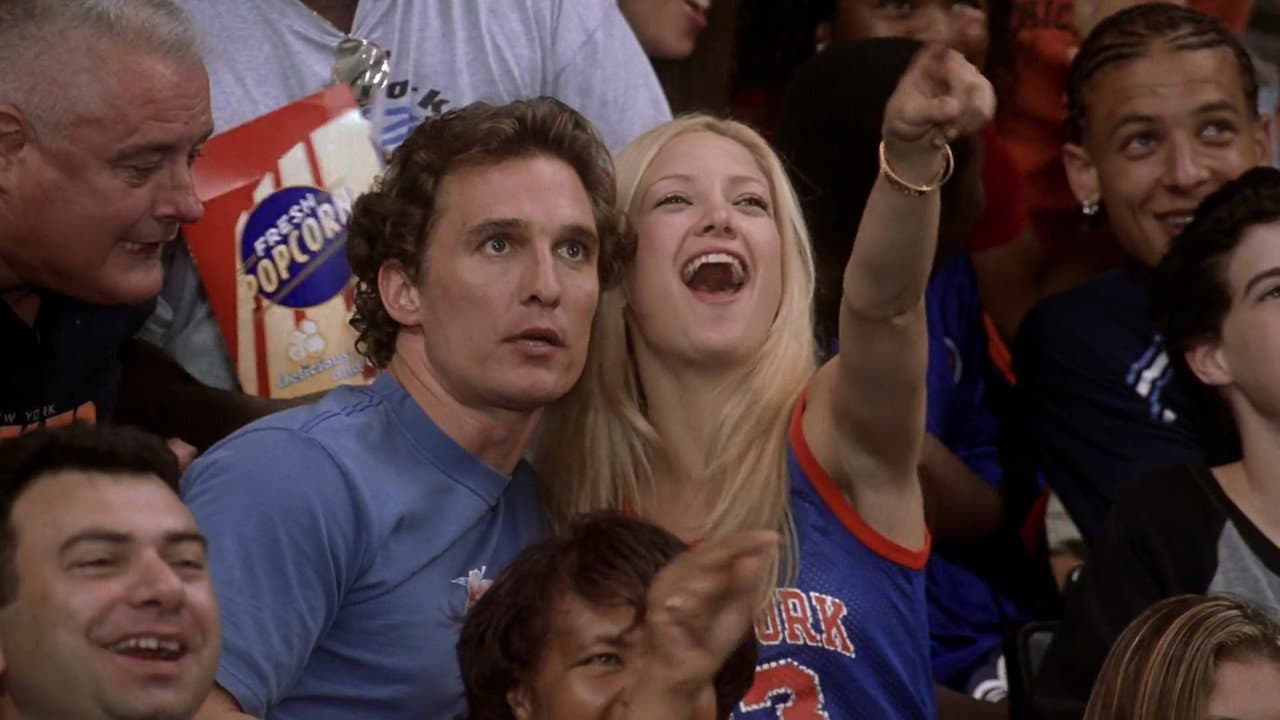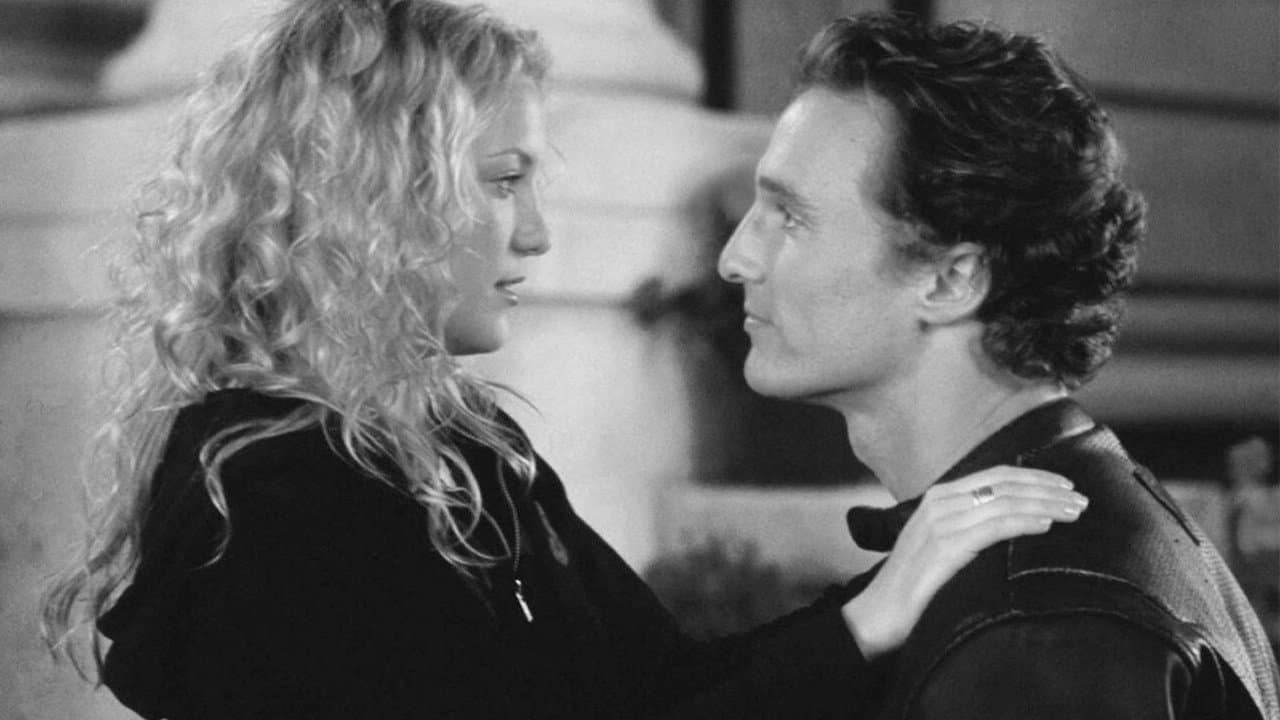
Matthew McConaughey has revealed that the enduring popularity of the 2003 romantic comedy How to Lose a Guy in 10 Days continues to pay off handsomely, describing the film’s residual income as his best "mailbox money" by a significant margin. The Oscar-winning actor, who starred opposite Kate Hudson in the hit movie, made the candid admission during a recent interview, shedding light on the financial longevity of a project that has become a staple of romantic comedy rotations for over two decades.
McConaughey’s comments came as he reflected on the surprising staying power of the film, which was released on February 7, 2003, and quickly became a fan favorite. Directed by Donald Petrie, the movie follows the high-stakes romantic battle of wills between Andie Anderson (Hudson), a magazine writer determined to prove she can make any man dump her within ten days, and Benjamin Barry (McConaughey), an advertising executive who wagers he can make any woman fall for him in the same timeframe. The premise, built on mutual deception and escalating comedic chaos, struck a chord with audiences, and its reputation has only grown with repeated viewings on streaming platforms and cable television.
The actor’s reference to "mailbox money" underscores the steady stream of royalties and licensing fees that flow to performers from projects that remain in heavy rotation long after their initial theatrical run. For McConaughey, whose filmography includes dramatic fare like Dallas Buyers Club and Interstellar, the lighthearted romance has proven to be an unexpected financial anchor. He noted that while many actors might assume their most prestigious or critically acclaimed roles would generate the most substantial long-term earnings, the broad and enduring appeal of a crowd-pleasing comedy often surpasses them in this regard.
The film’s box-office performance upon its initial release was strong, and its 116-minute runtime, coupled with its blend of slapstick humor and genuine chemistry between the leads, helped it become a reliable rewatch favorite. The supporting cast, which includes Adam Goldberg, Bebe Neuwirth, Michael Michele, Shalom Harlow, Robert Klein, and Kathryn Hahn, contributed to a ensemble dynamic that critics and viewers alike found charming. The movie’s critical reception was mixed at the time, with an average TMDb rating of 6.867 out of 10 reflecting a moderate approval, but its commercial success and subsequent cultural footprint have far outpaced any tepid initial reviews.
In his interview, McConaughey expressed genuine surprise at the film’s continued relevance, particularly among younger audiences discovering it years after its debut. He attributed the movie’s longevity to its sharp premise and the undeniable chemistry he shared with Hudson, which he said made the production feel effortless. The actor’s remarks offer a rare peek into the economics of Hollywood, where a modestly-budgeted romantic comedy can become an annuity-like asset for its stars, outearning bigger-budget spectacles that may have a shorter cultural half-life.
The 2003 film’s legacy is also tied to its memorable scenes and quotable lines, many of which have become part of the pop-culture lexicon. From the iconic "fleece" sweater to the climactic bet reveal, the movie’s moments have been endlessly referenced in television, online media, and even in the real-world dating advice industry. That enduring presence, McConaughey suggested, is exactly what drives the steady checks that arrive long after filming has wrapped.
For McConaughey, who has in recent years pivoted toward writing, teaching, and entrepreneurial ventures, the reminder of the film’s financial impact serves as a testament to the unpredictable nature of a career in entertainment. While he has tackled a wide range of roles, from romantic leads to grizzled character parts, it is this particular romantic comedy that has proven to be the gift that keeps on giving. His candid remarks will likely resonate with fellow actors who often joke about the power of residuals, as well as with fans who continue to revisit the movie with the same enjoyment they felt when it first hit theaters.
As the industry shifts further into streaming, where catalog titles are bought and sold for their nostalgia value, films like How to Lose a Guy in 10 Days become even more valuable. McConaughey’s story highlights a broader trend in Hollywood, where older movies are often the unsung heroes of a performer’s bottom line. For him, the line between his artistic legacy and his financial portfolio is now clearly drawn, with a frothy rom-com sitting comfortably at the top of both.
Source: Hollywood Reporter