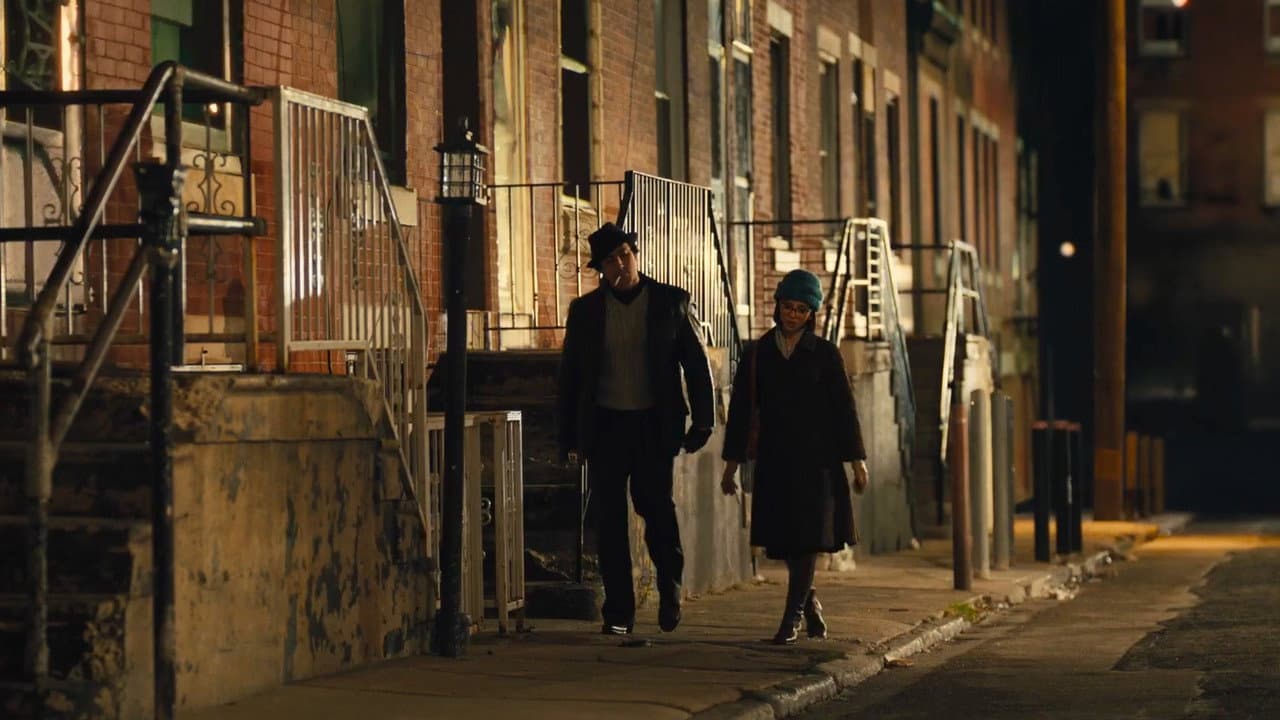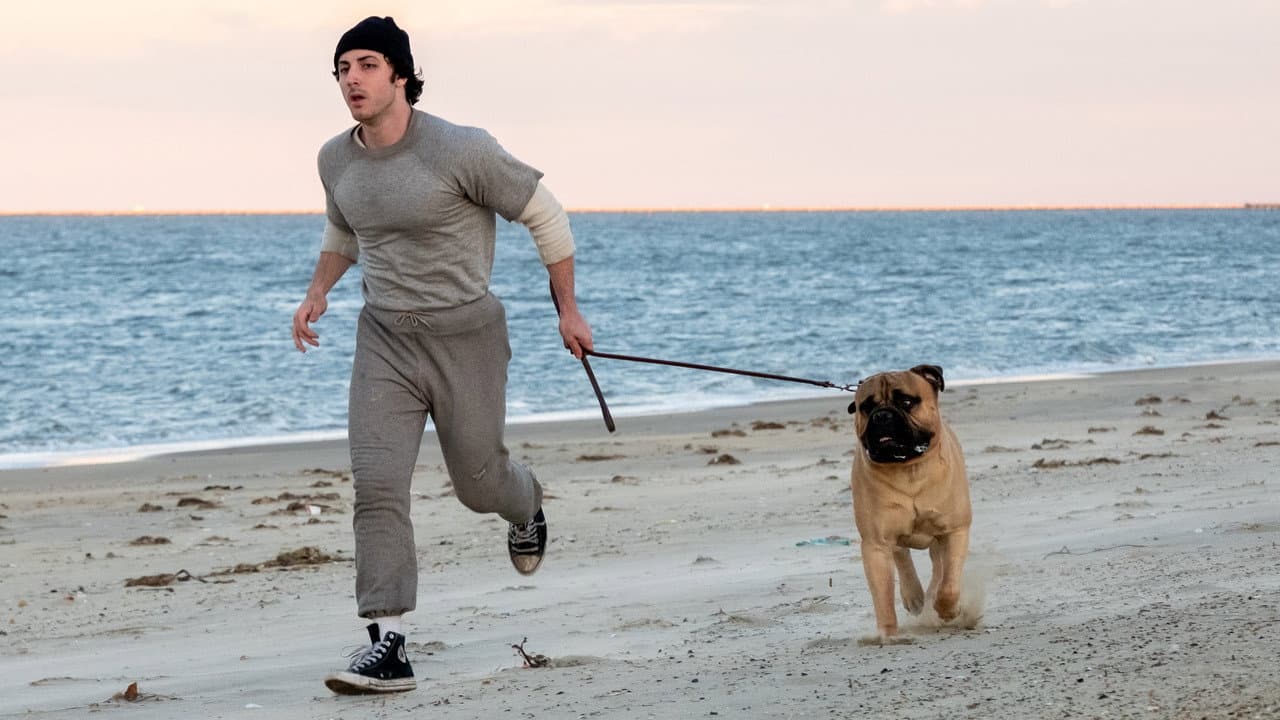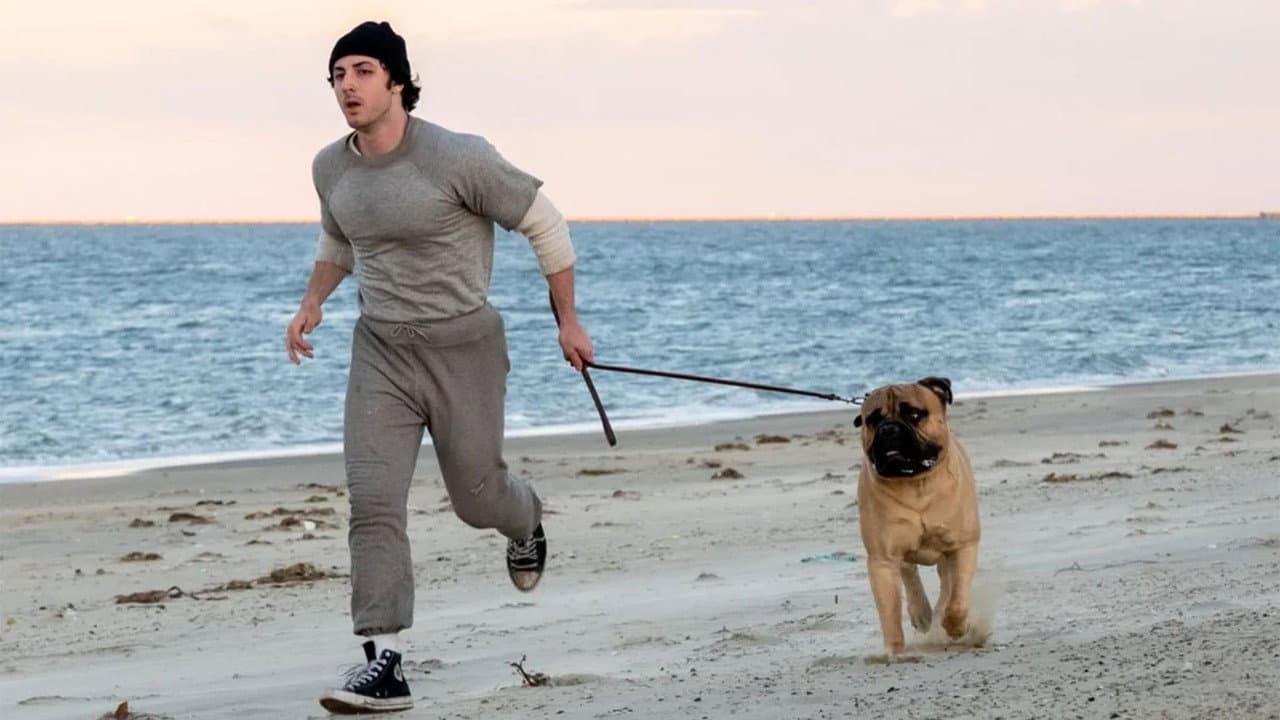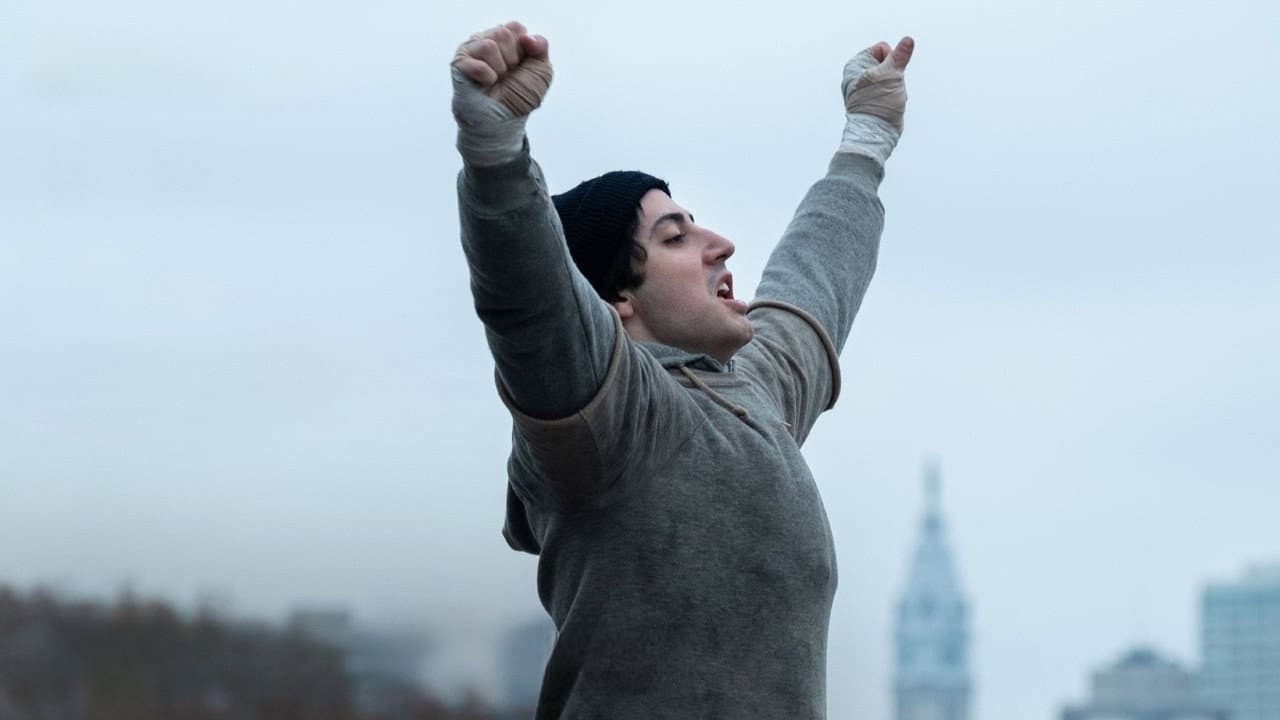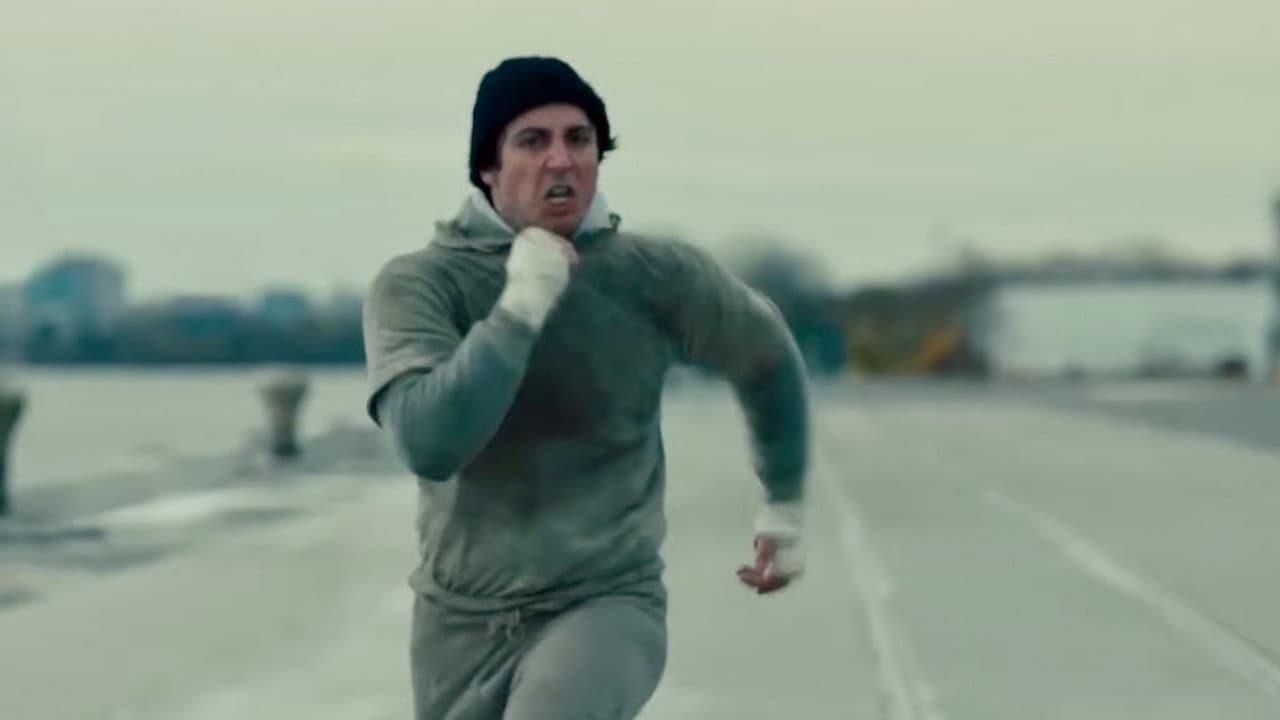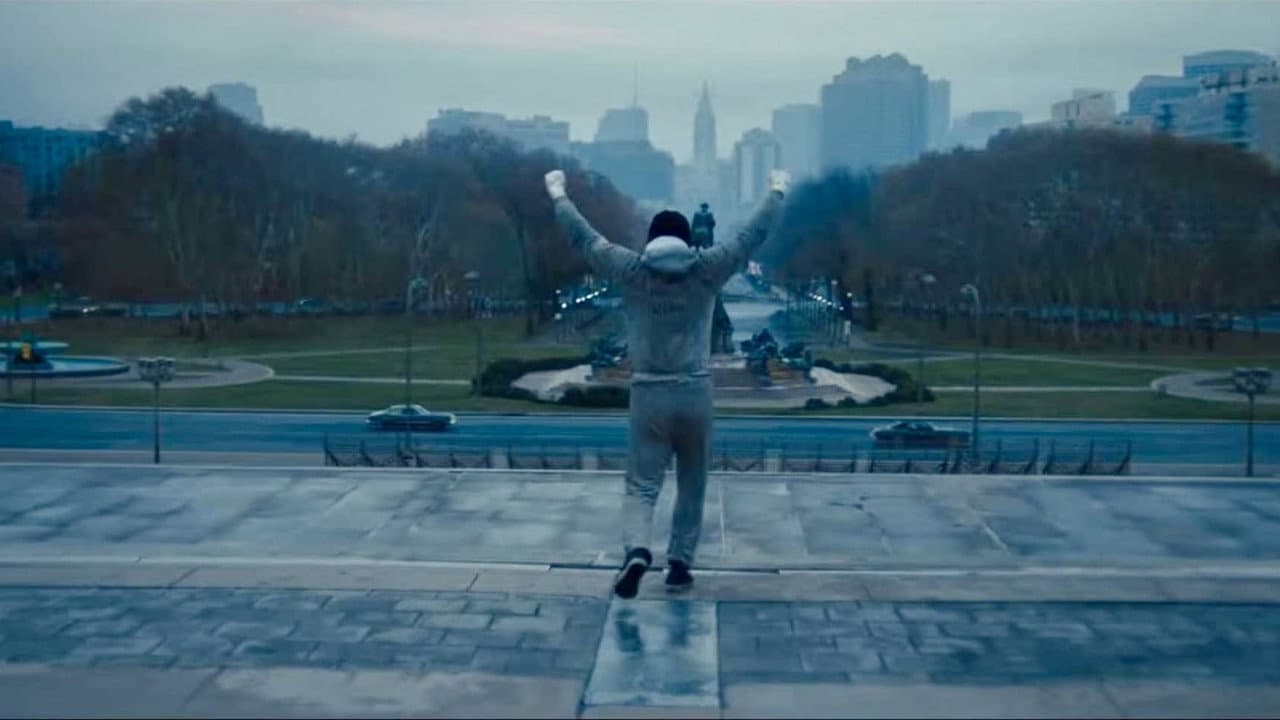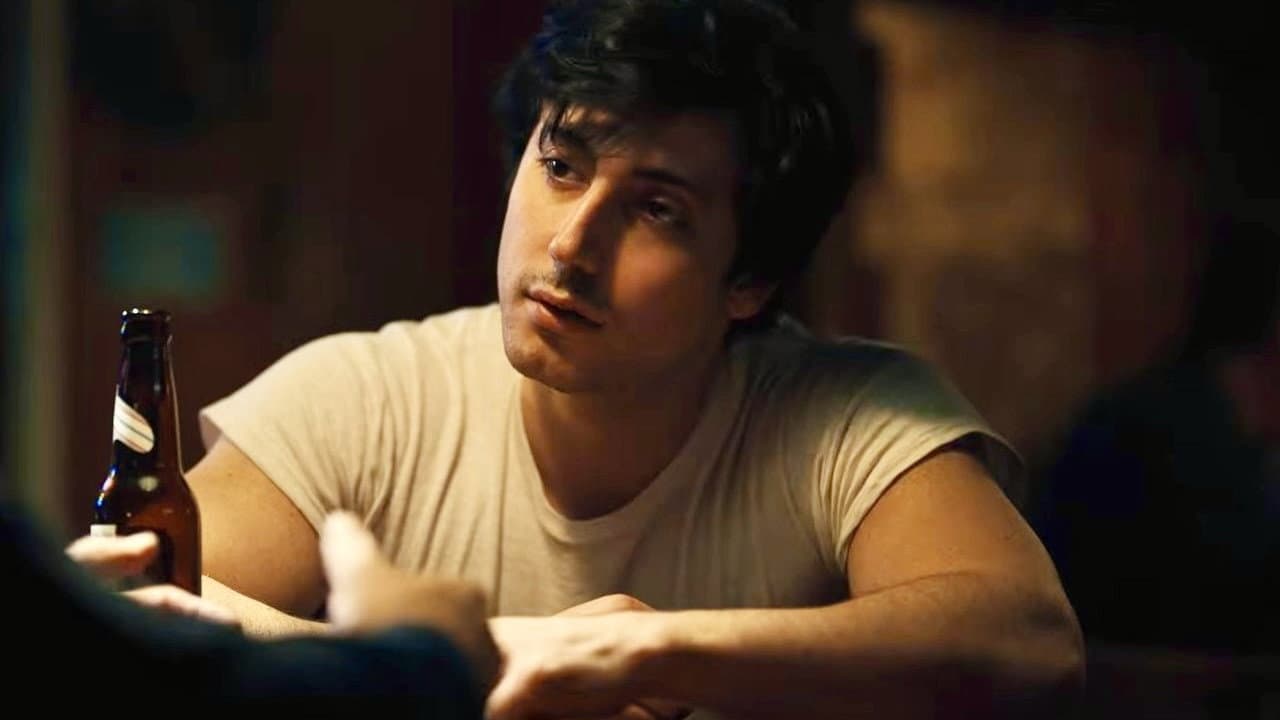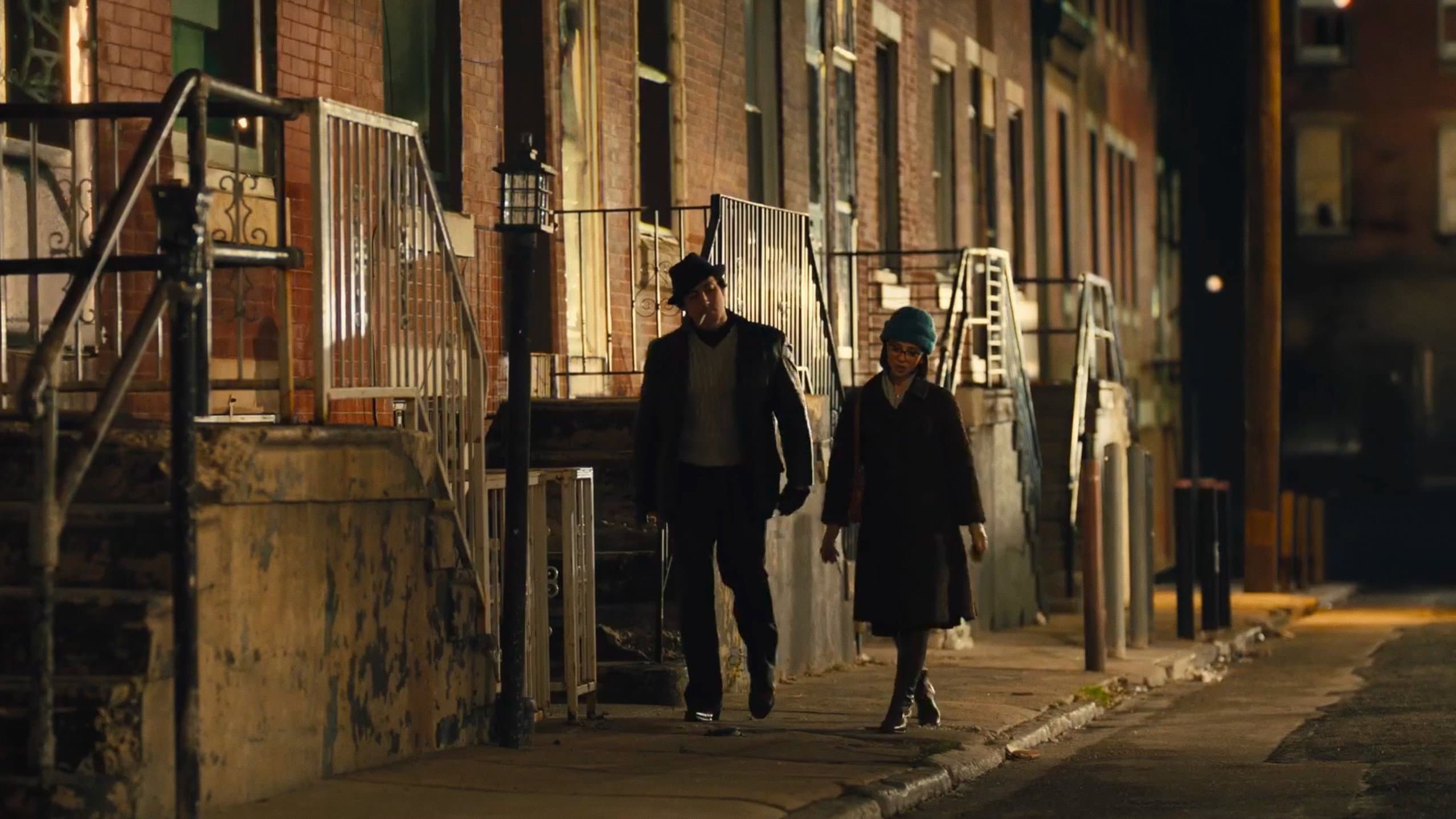
Anthony Ippolito didn't walk onto the set of I Play Rocky cold. Before cameras rolled on Peter Farrelly's dramatization of Sylvester Stallone's years-long fight to star in his own screenplay, the young actor sat down with the man himself - and came away shaken.
"Very overwhelming and daunting," Ippolito said of the conversation, describing the experience of preparing to portray a living legend while the legend was right there to answer questions.
That sit-down carries unusual weight given the film's subject. I Play Rocky chronicles the period when Stallone was a struggling, unknown performer convinced he was destined not only to write Rocky but to play its lead - a conviction he defended against a wall of rejections, holding firm even as the project's backers pushed for a name star. The 128-minute drama, set for a November 6, 2026 theatrical release, is being positioned as both a behind-the-scenes chronicle and a study of stubborn self-belief.
A Cast Built to Recreate a 1970s Crucible
Farrelly has assembled an ensemble designed to map the real-life figures surrounding Stallone during that chapter. AnnaSophia Robb plays Sasha Czack, Stallone's first wife, while Matt Dillon steps in as Frank Stallone Sr., the family patriarch whose shadow hovers over the younger Stallone's ambitions. Stephan James takes on Carl Weathers, the future Rocky co-star whose on-screen rivalry with Stallone became franchise lore.
The industry side of the story is populated by P.J. Byrne as producer Irwin Winkler and Toby Kebbell as Robert Chartoff, the producing pair whose partnership with Stallone shaped the original film. Jay Duplass appears as director John Avildsen, with Kiki Seto as Talia Shire.
For Ippolito, the challenge isn't simply mimicry. Stallone in the mid-1970s was not yet the muscle-bound action icon audiences know; he was a working actor scraping together rent, watching his own script become a bargaining chip in fights he kept winning on his own terms.
The Original Underdog Story, Told From the Inside
What distinguishes I Play Rocky from a standard biopic is its narrow focus. The film doesn't attempt to cover Stallone's entire career, only the crucible that produced one of American cinema's defining characters. The official synopsis frames it as a story of an actor told "no" at every turn, betting everything on himself while holding the line against seemingly impossible odds.
That framing gives the project its dramatic engine: not whether Stallone can write a good script, but whether he can convince a skeptical industry to let him carry it.
Farrelly, known primarily for broad comedies like There's Something About Mary and Green Book, takes a sharp turn into dramatic territory with the material. It's a notable pivot for a director whose filmography rarely touches the anxieties of creative ambition, though Green Book demonstrated his interest in mismatched partnerships under pressure.
Release Slot and Genre Positioning
I Play Rocky lands in theaters on November 6, 2026, placing it in the thick of awards-season corridor. The drama and history genre labeling signals a serious, period-set production rather than a nostalgic victory lap. The film's runtime of 128 minutes suggests Farrelly and his team have allowed the story room to breathe rather than racing through Stallone's biography.
Whether audiences turn out for a behind-the-scenes portrait of a movie they already know by heart remains an open question. Comparable projects - films about the making of famous films - have drawn a mix of critical admiration and commercial uncertainty, relying heavily on performances to justify their existence.
That puts enormous pressure on Ippolito, whose résumé doesn't yet include a role of this scale. His candor about the weight of the assignment is telling: playing Stallone in a Stallone-sanctioned story, with the subject available for consultation, leaves little room for a loose interpretation.
For now, the film's rating data remains unestablished, with no audience scores yet recorded ahead of release. What's clear is that Ippolito has already faced his most intimidating audience of one - and the conversation, by his own account, left an impression that no amount of dialect coaching could simulate.
Source: Hollywood Reporter