Ian Crafford, Film Editor on 'Hope and Glory,' Dies at 82
Advertisement
Ian Crafford, Oscar-nominated editor known for 'Hope and Glory' and 'Field of Dreams,' has passed away at 82. A tribute to his iconic career.
Ian Crafford, the British film editor whose deft touch shaped some of the most beloved movies of the 1980s and ’90s, has died at the age of 82. No cause of death was immediately released, and his family has requested privacy during this time.
Crafford was best known for his collaborations with director John Boorman, most notably on the semi-autobiographical war drama Hope and Glory (1987). The film, which earned five Academy Award nominations including Best Picture, told the story of a young boy’s experiences during the London Blitz. Crafford’s editing was widely praised for balancing the film’s nostalgic warmth with the chaos and fear of wartime, a delicate tonal tightrope that helped the picture become a critical and commercial success. That work earned him a BAFTA nomination for Best Editing, cementing his reputation as one of the finest editors working in British cinema.
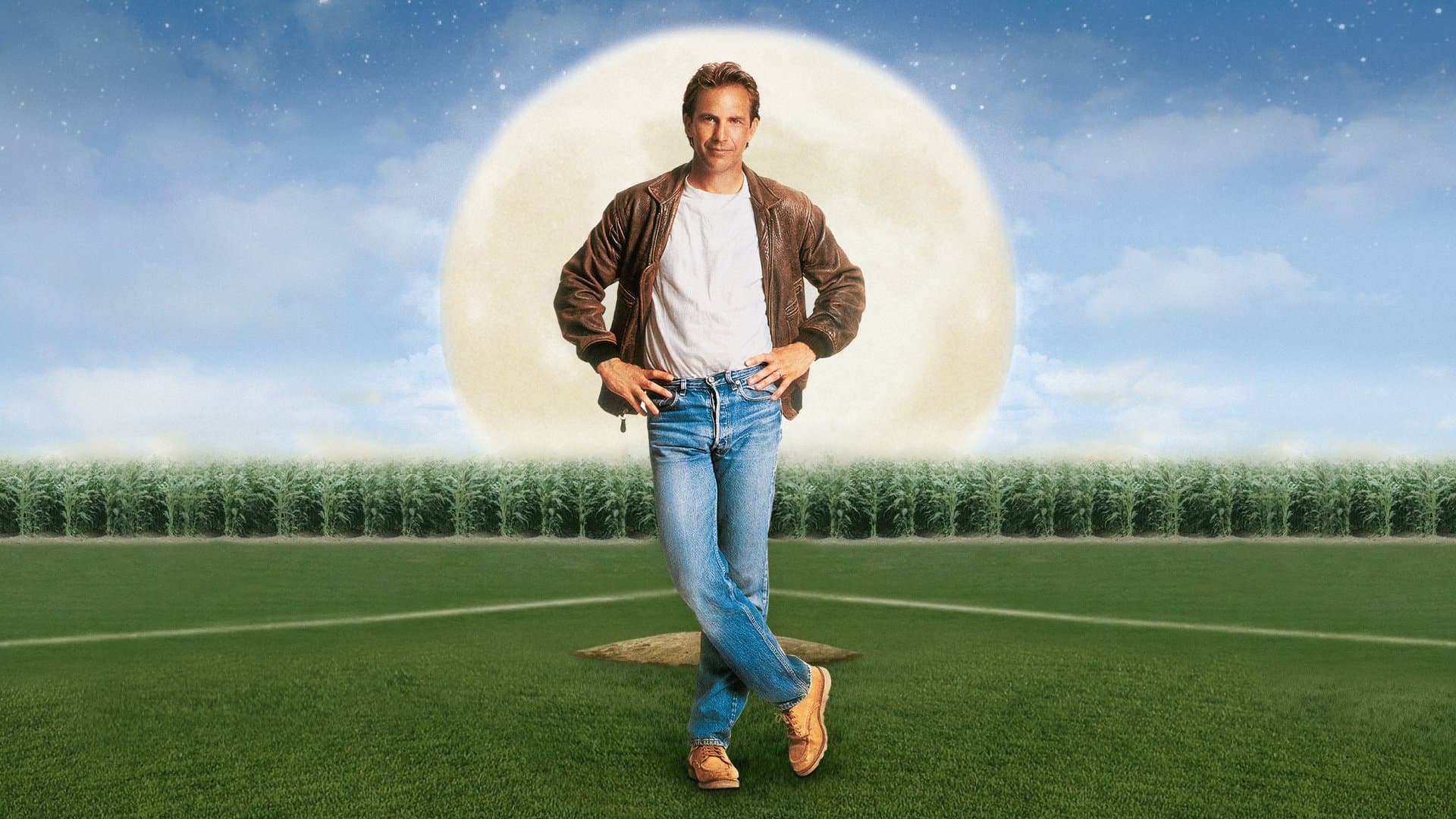
But for many moviegoers, Crafford’s most enduring legacy will be Field of Dreams (1989), the lyrical baseball fantasy starring Kevin Costner. Directed by Phil Alden Robinson, the film follows an Iowa farmer who hears a mysterious voice telling him, “If you build it, he will come.” Crafford’s editing gave the movie its unhurried, meditative rhythm, allowing emotional beats to breathe while still building to the film’s cathartic final scene. The picture became a cultural touchstone, earning three Oscar nominations and an enduring place in American pop culture. Its famous themes of redemption and reconciliation were amplified by Crafford’s instinct for knowing exactly when to hold a shot and when to cut away.
Born in London in 1944, Crafford began his career in the British film industry during the 1960s, working his way up through the ranks as an assistant editor. His early credits included work on a series of documentaries and feature films, where he honed a reputation for meticulous craftsmanship and an almost intuitive sense of storytelling. By the mid-1970s, he had become a full editor, and his collaboration with Boorman began in earnest on the 1977 survival thriller Exorcist II: The Heretic, an ambitious and controversial sequel that nevertheless showcased Crafford’s ability to handle complex, unconventional narrative structures.
The partnership with Boorman would prove fruitful and long-lasting. Crafford edited The Emerald Forest (1985), a gripping true-story adventure about a boy kidnapped by an Amazonian tribe, and later returned for Beyond Rangoon (1995), a political thriller set in Burma. In each of these projects, Crafford demonstrated a remarkable range, moving seamlessly between intimate character drama, sweeping action, and political intrigue. His work on Hope and Glory remained the high point of this collaboration, earning him widespread industry recognition and the lasting gratitude of Boorman, who frequently credited Crafford’s editing as an essential part of his filmmaking process.
Beyond his work with Boorman, Crafford showed versatility across genres. He edited the musical Absolute Beginners (1986), a visually flamboyant adaptation of Colin MacInnes’s novel, and took on the dark comedy The Wolves of Willoughby Chase (1989). He also lent his skills to the World War II drama The Brylcreem Boys (1998), starring Billy Campbell and Gabriel Byrne. While not all of these films achieved the success of his most famous titles, each demonstrated Crafford’s commitment to serving the story above all else, no matter the scale or style.
His later career included work on television projects and international co-productions, where he remained a respected and sought-after figure in the editing room. Colleagues remembered him as a calm and generous presence, someone who never raised his voice but whose quiet confidence could unlock the solution to even the most tangled sequence. He was known for his patience with young editors, often mentoring newcomers with the same care he applied to his own cuts.
Tributes from the film community have begun to pour in. Boorman released a brief statement calling Crafford “a master of his craft, a gentle soul, and a dear friend. He saw music in footage and sculpted it into emotion. I will miss him terribly.” Other collaborators echoed those sentiments, praising not just his technical skill but his warmth and wit on set.
Crafford leaves behind a body of work that spans nearly four decades, a testament to a career built on quiet excellence rather than flash. In an industry often obsessed with spectacle, he represented the invisible art of editing - the discipline of knowing what to leave in, what to take out, and when to let a moment speak for itself. For audiences who grew up watching Field of Dreams or who were moved by the bitter-sweet memories of Hope and Glory, his influence is felt in every scene, even if his name was never widely known outside the credits.
He is survived by his wife, two children, and several grandchildren. A private funeral will be held in London, with a memorial service planned for later in the autumn, where friends and colleagues are expected to gather to celebrate his life and work. In lieu of flowers, the family has asked that donations be made to organizations supporting emerging film editors, a fitting tribute to a man who spent his career helping others find their rhythm.
Source: Hollywood Reporter
Advertisement
Advertisement