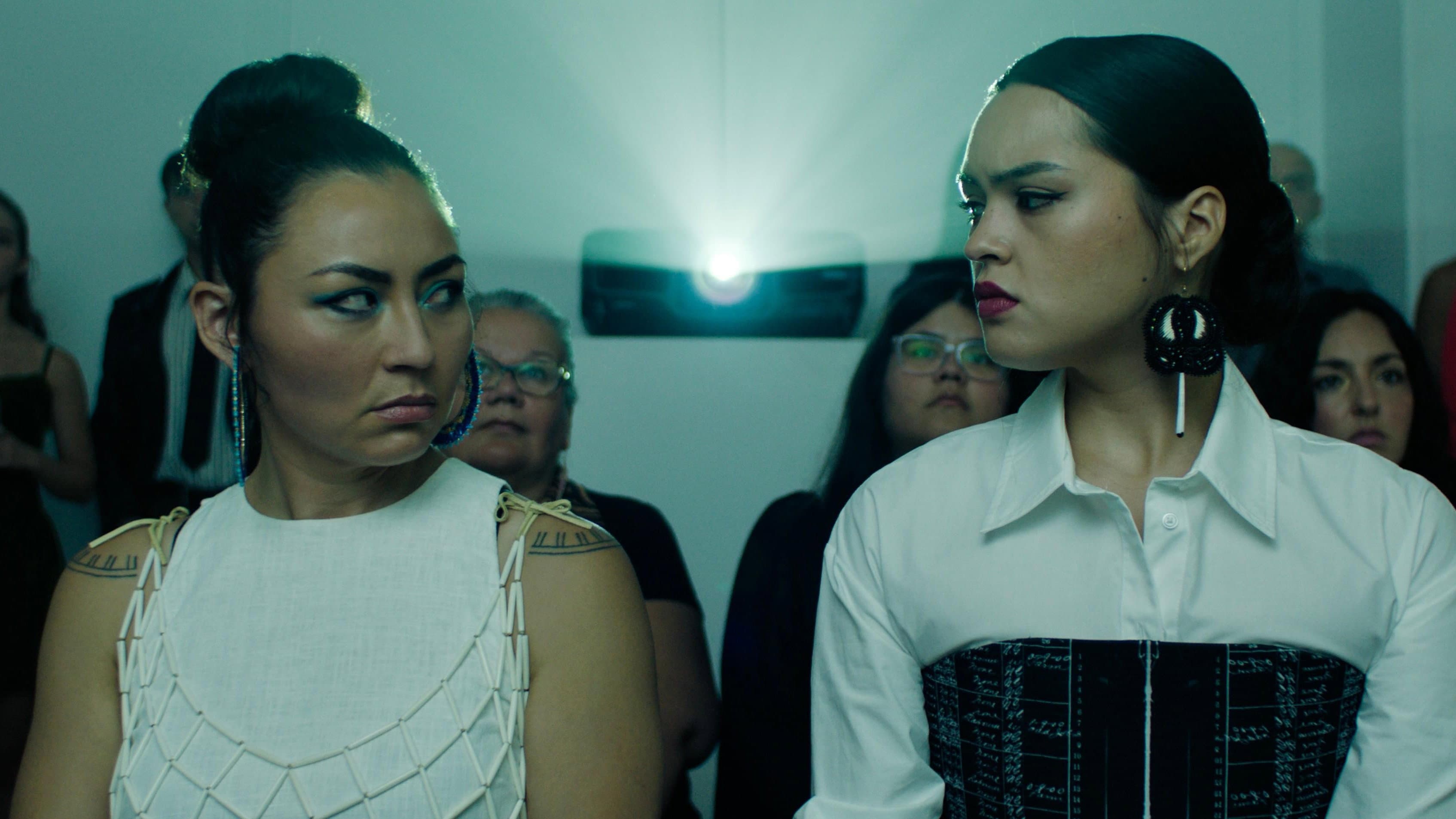
The filmmaker behind "In The Heart of the South" is using the film's platform to challenge a long-standing imbalance in how Indigenous stories reach the screen. In remarks that have circulated widely across the industry, the director argued that non-Native creators have spent generations shaping narratives about Indigenous people - and that it is past time for those communities to tell their own stories themselves.
The message, directed at Hollywood's established storytelling order, was blunt: "You've been telling our stories forever." The line has become something of a rallying cry for Indigenous artists who say they have been shut out of the very industry that has profited from depicting them.
A Call Rooted in Lived Experience
The director's push is not an abstract argument about representation. It comes from a career spent navigating a business that has often treated Native characters as scenery, villains, or noble relics rather than full human beings. "In The Heart of the South" is itself an attempt to correct that, centering Indigenous lives and placing creative authority in the hands of the people whose experiences are on screen.
That approach - letting communities guide the work rather than merely consult on it - stands apart from how Hollywood has historically handled Native material. For decades, studios cast non-Native actors in Indigenous roles, hired non-Native writers to script them and non-Native directors to shape them on set. The result, critics have long argued, was a canon of films that said far more about the audiences watching them than about the people they claimed to portray.
An Industry Slowly Shifting
The director's comments land at a moment when the broader entertainment landscape is reexamining whose voices get amplified. Streaming services and studios have increasingly sought out Indigenous creators, and a growing number of Native-led productions have found audiences in recent years. Yet many Indigenous filmmakers say those opportunities remain exceptions rather than the rule, and that real power - greenlight decisions, budgets, final cut - still rests largely with outsiders.
At the heart of the argument is the question of authorship. Telling a community's story is not simply a matter of hiring Native actors; it requires granting Native writers, directors, and producers the authority to decide what those stories are and how they are told. The director's phrasing captures that demand in a single sentence, framing the issue as a matter of who has been allowed to speak and who has been spoken for.
What Changes When the Camera Changes Hands
Those who advocate for Indigenous-led filmmaking point to tangible differences when communities control the narrative. Stories become more specific, more textured, and more willing to sit with complexity instead of flattening Native life into a single tragic or mystical note. Language, ceremony, and humor can be handled with care rather than treated as exotic flourishes. And Native audiences, long accustomed to seeing themselves misrepresented, get the rare experience of recognition.
That shift carries weight beyond the screen. Film and television shape how the public understands history, identity, and one another. When Indigenous creators hold the reins, they are not just making entertainment - they are participating in a broader correction of the historical record, one that acknowledges both the wounds of the past and the vitality of Native communities today.
A Narrative That Is Still Being Written
For all the momentum, the director's words carry an implicit warning: changing the narrative is not a one-film project. It requires sustained investment, patience, and a willingness among gatekeepers to relinquish some control. Whether Hollywood treats that as a genuine turning point or a passing trend will determine how much of the current conversation translates into lasting change.
"In The Heart of the South" arrives as both a work of art and a statement of intent. Its director is not asking for permission to tell Indigenous stories anymore. The ask, instead, is for the industry to step aside - and to recognize that the people who have been spoken about for so long are more than capable of speaking for themselves. It is a demand that echoes well beyond a single release, and one that will likely define the conversation around Native cinema for years to come.
Source: Hollywood Reporter